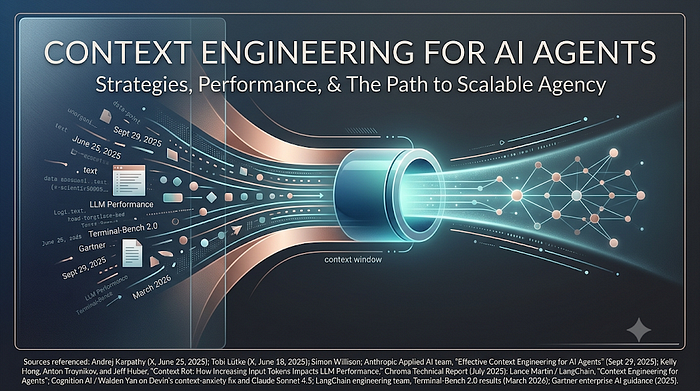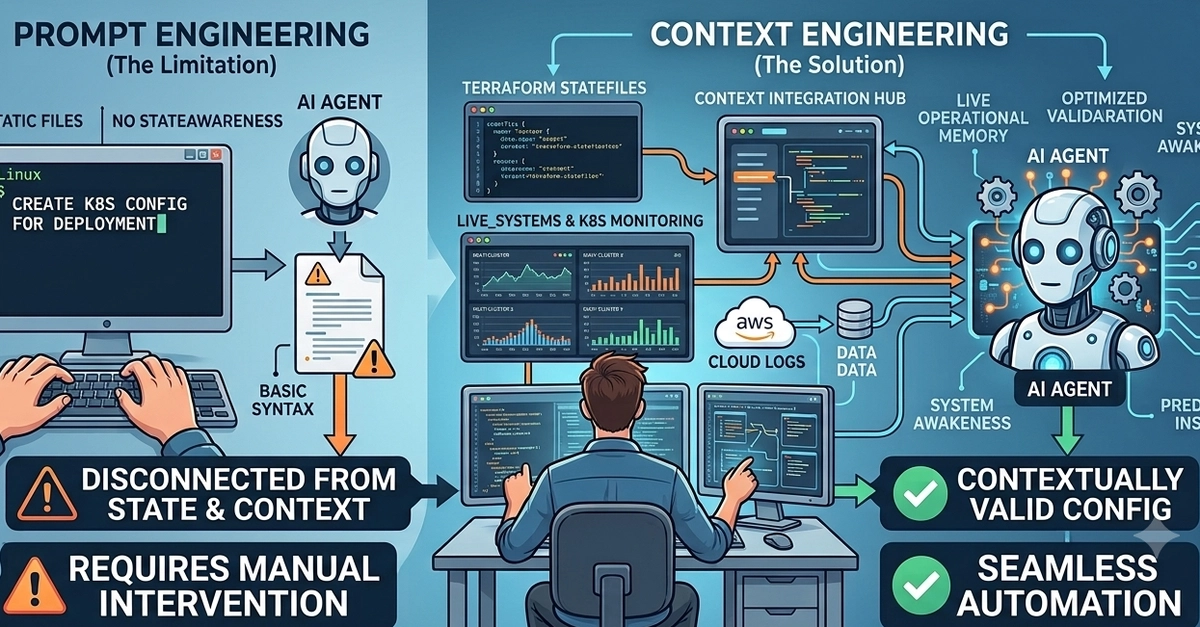
Over the last year, I've lost count of how many conversations I've seen about prompt engineering. Every week there seems to be another article explaining how a different prompt structure, a new framework, or a carefully chosen set of words can dramatically improve the quality of AI-generated responses. It's an interesting topic, and there is certainly some truth to it. A well-written prompt usually produces a better answer than a vague one. But after spending more time using AI in real DevOps workflows, I've come to believe that we're focusing on the wrong problem.
The biggest improvements I've seen, have not come from asking better questions. They've always come from giving AI a better understanding of the environment it is supposed to reason about.
That realization didn't happen overnight. Like many engineers, I initially assumed that if an AI produced an answer that wasn't particularly useful, the fault was probably mine. Maybe the prompt wasn't detailed enough. Maybe I needed to specify the expected format. Maybe I should explain the task differently. So I experimented. I rewrote prompts, added constraints, changed wording, and tried different approaches. The responses became slightly more polished, but they didn't become significantly more useful.