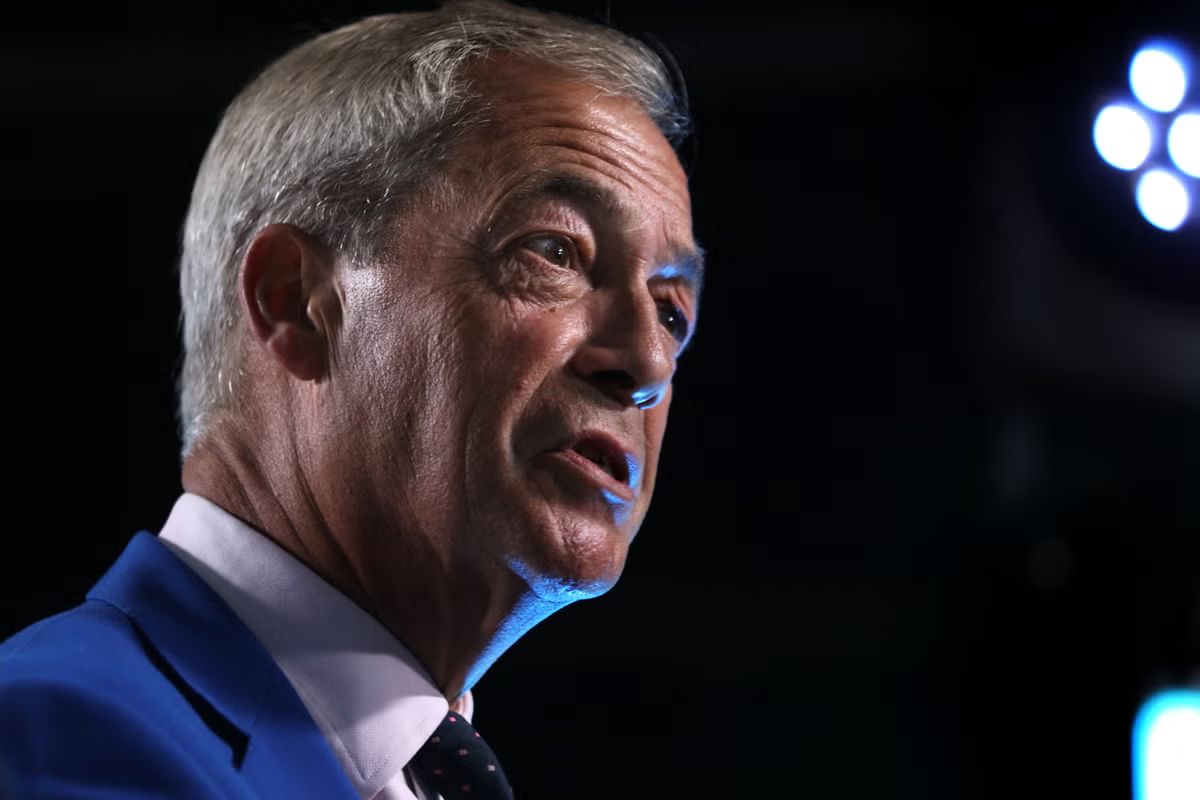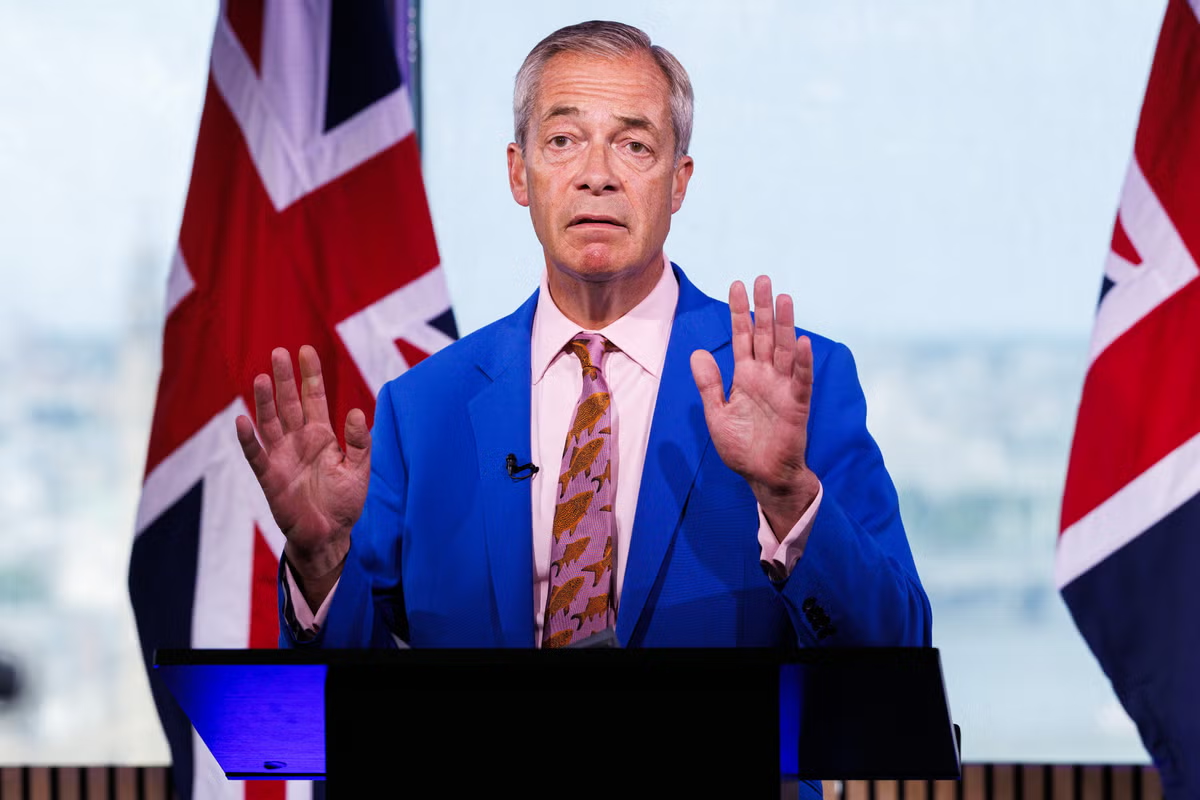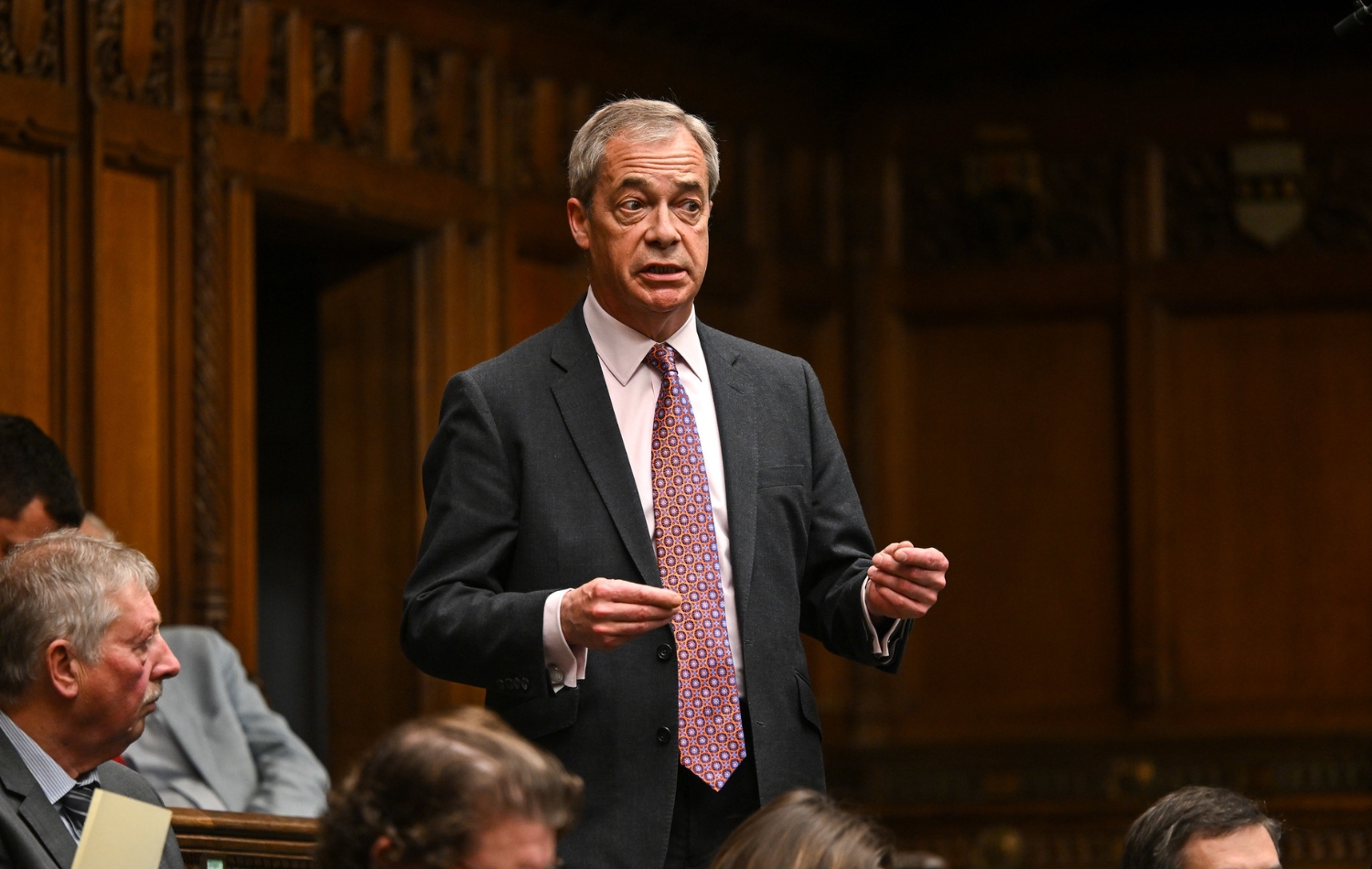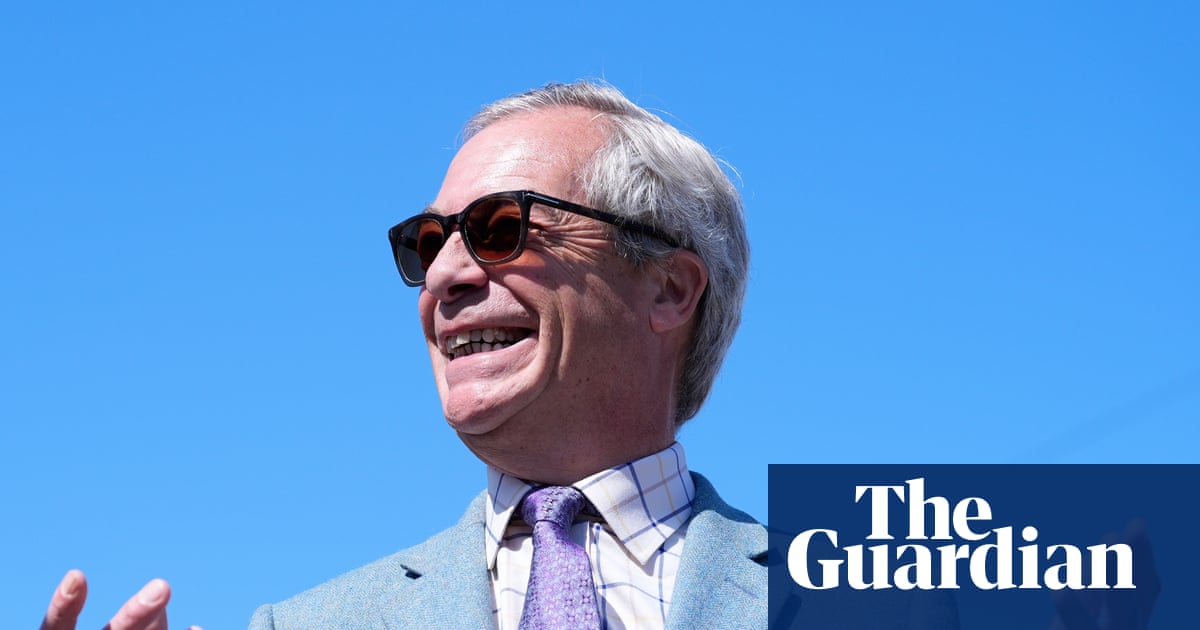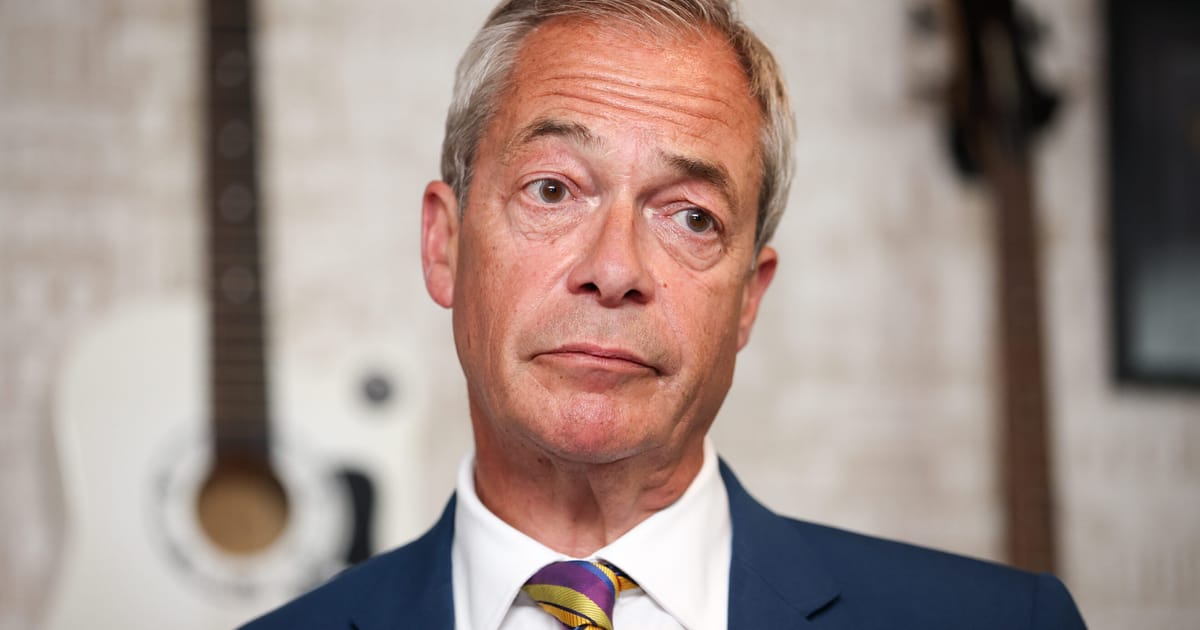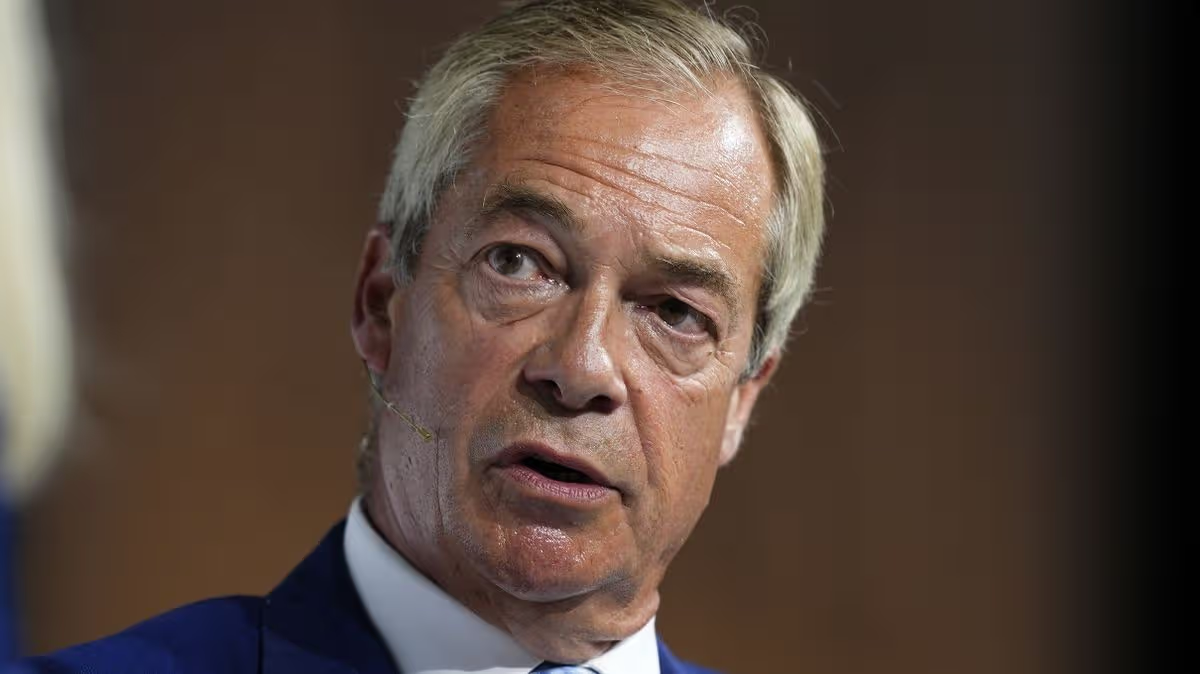
Nigel Farage wants to be prime minister. But a look through the Commons register of members’ financial interests raises an unlikely question for a man who has spent 30 years railing against the establishment: can he actually afford to become the country’s most powerful politician?
And is that calculation any part of the reason has been less visible amid growing speculation that he will not lead Reform into the next election?
There is precedent for exactly this kind of claim being made about a sitting prime minister. In May 2021, at the height of the row over the refurbishment of the Downing Street flat, the Sunday Times reported that people close to Boris Johnson believed he was under genuine financial strain despite occupying Number 10.
Shorts
One ally put it bluntly: “The bottom line is that he can’t afford to be prime minister.” The paper’s account pointed to the loss of Johnson’s lucrative newspaper columns and speaking fees on entering office, the cost of supporting a large family, legal and personal expenses, and a Downing Street flat refit that ran roughly £58,000 over the public allowance.