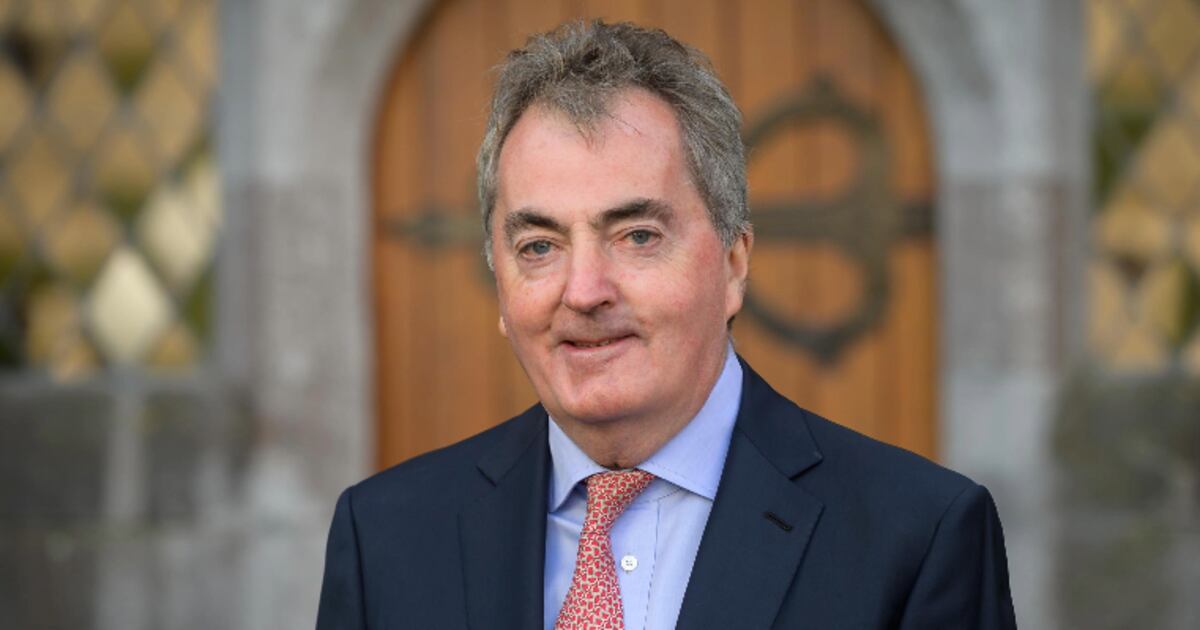
A top Government adviser has called for new steps to roll back “gold-plated” environmental law, saying excessive measures have been “weaponised” against big infrastructure schemes. Businessman Sean O’Driscoll, who is chairman of the Infrastructure Taskforce, said new laws to exempt critical infrastructure from national climate goals should be quickly followed by moves to curtail environmental screening. “To be fair to the Greens, who were responsible for a lot of this climate legislation, it was very well-intentioned. But it was so expansive and so extensive that it just gave rope for serial objectors to just tie the whole system up in knots,” he said in an interview.“Whatever the European directives are, they will be adhered to. But it is where we have gone way, way in excess of that – that’s where they will be rolled back.”O’Driscoll was speaking this week as a public consultation closed on environmental screening in planning. “We’ve gone to extremes on environmental-impact assessments,” he said, noting how there were 237 such screenings in the State in 2022 compared with 217 in Germany and eight in Denmark. Citing a reduction this year in new judicial review cases against An Coimisiún Pleanála, O’Driscoll said new caps on the legal fees litigants can claim in environmental cases were already having an effect.He also welcomed the large Dáil majority for newly enacted critical infrastructure planning law. This law brings designated State projects to the front of the planning queue. Such projects are exempted from Climate Act measures compelling public bodies to perform their functions “in so far as practicable” in a manner consistent with national climate goals.O’Driscoll’s taskforce was charged with developing a master plan to unblock energy, water and transport projects. He said the plan was on schedule – praising “phenomenal work” by the Departments of Public Expenditure, Housing and the Attorney General – but local authorities, utilities and regulators must also take action.“If you take local authorities, there’s a complete lack of standardisation when it comes to planning, planning applications, statutory timelines. They all operate at different agendas,” he said. “In the renewable energy area … you have people saying, ‘we can’t get connections to the grid, we can’t get connections to networks, and we’re being told we can’t for the following reasons,’” he added.“As a taskforce, we will hold them accountable for the changes they need to bring around.”
Top Government adviser calls for action to roll back ‘gold-plated’ environmental legislation
Laws exempting key projects from national climate goals should be followed by moves to curtail environmental screening, says taskforce chief
392 words~2 min read