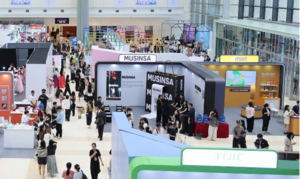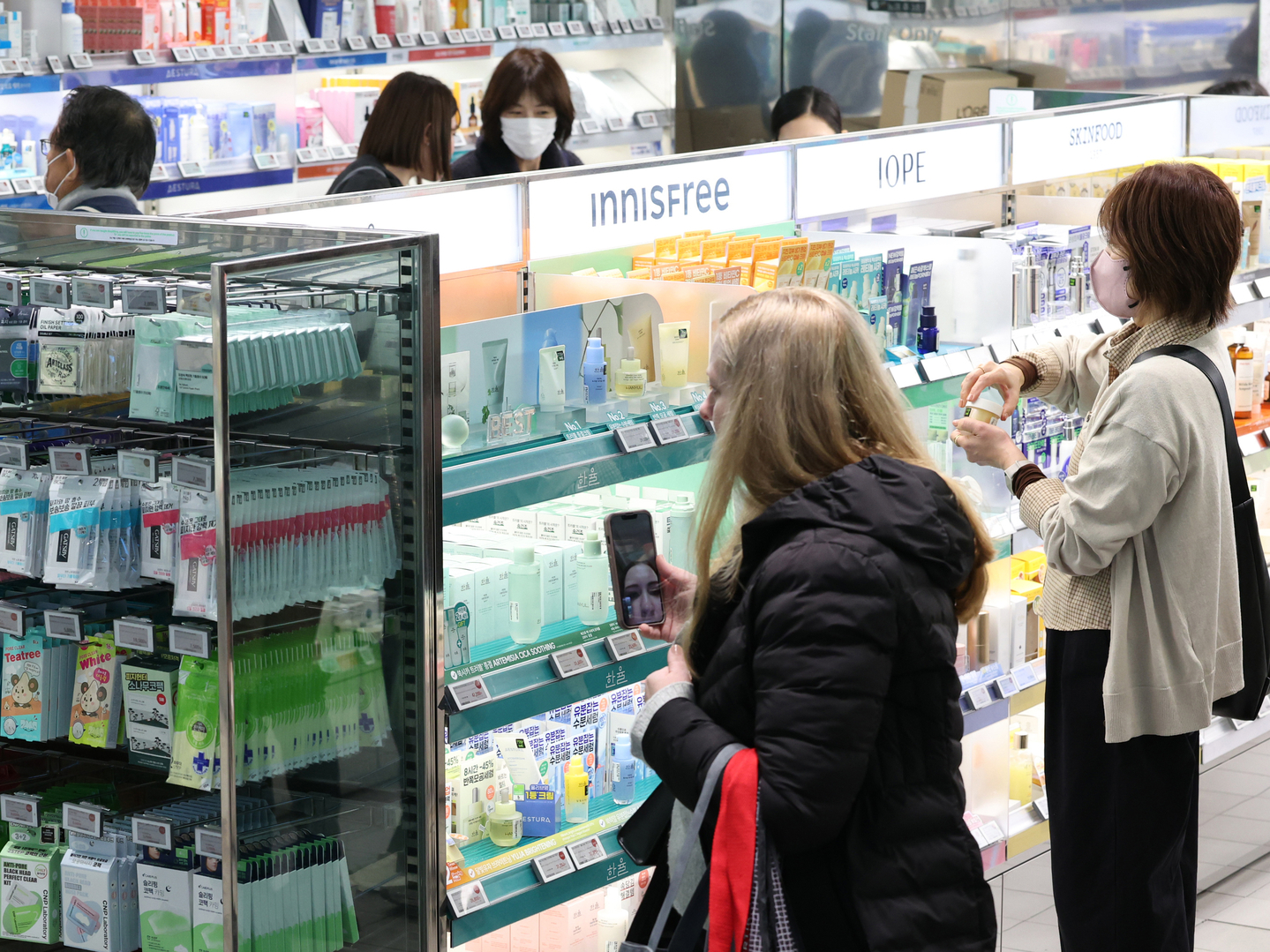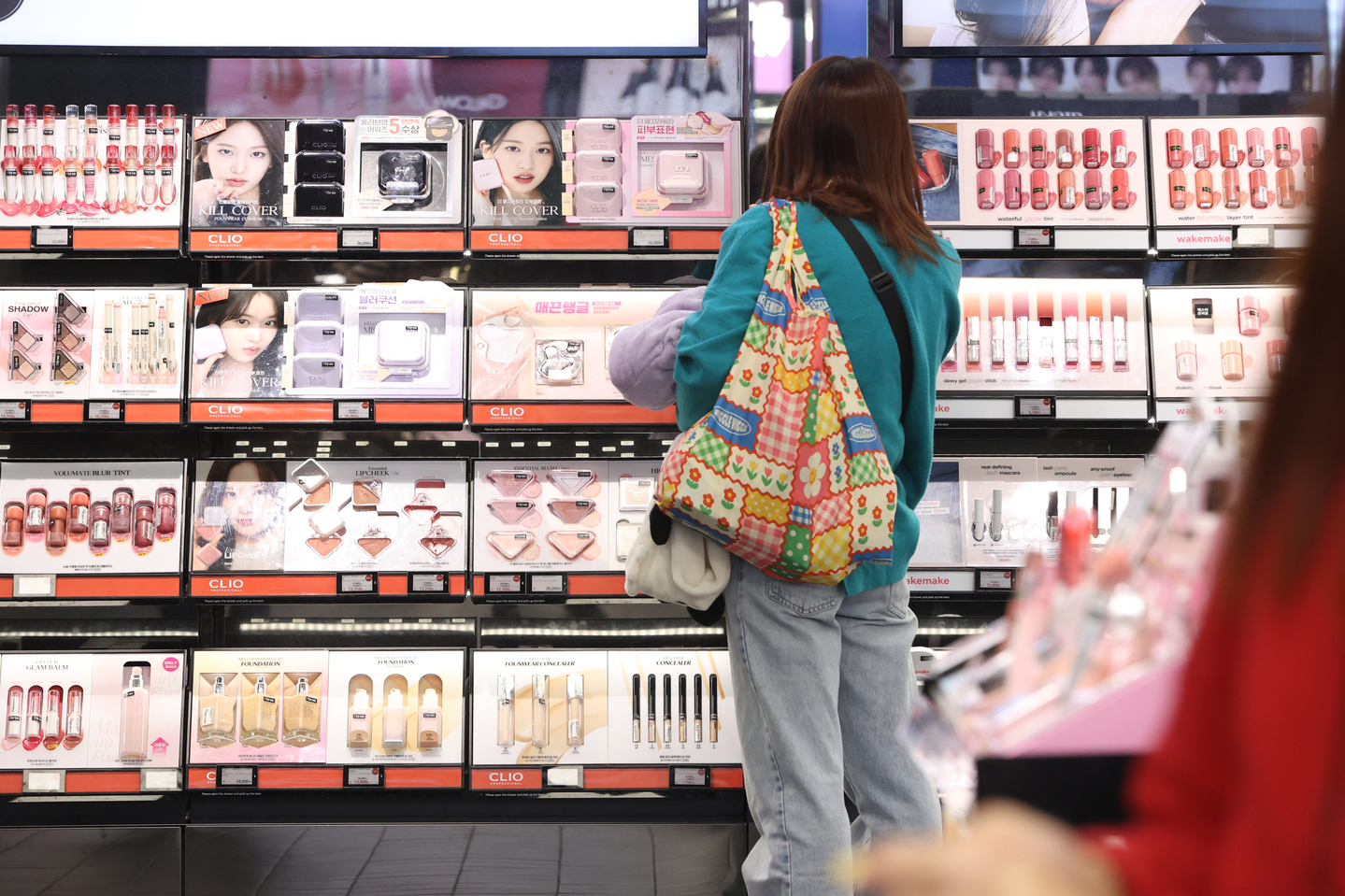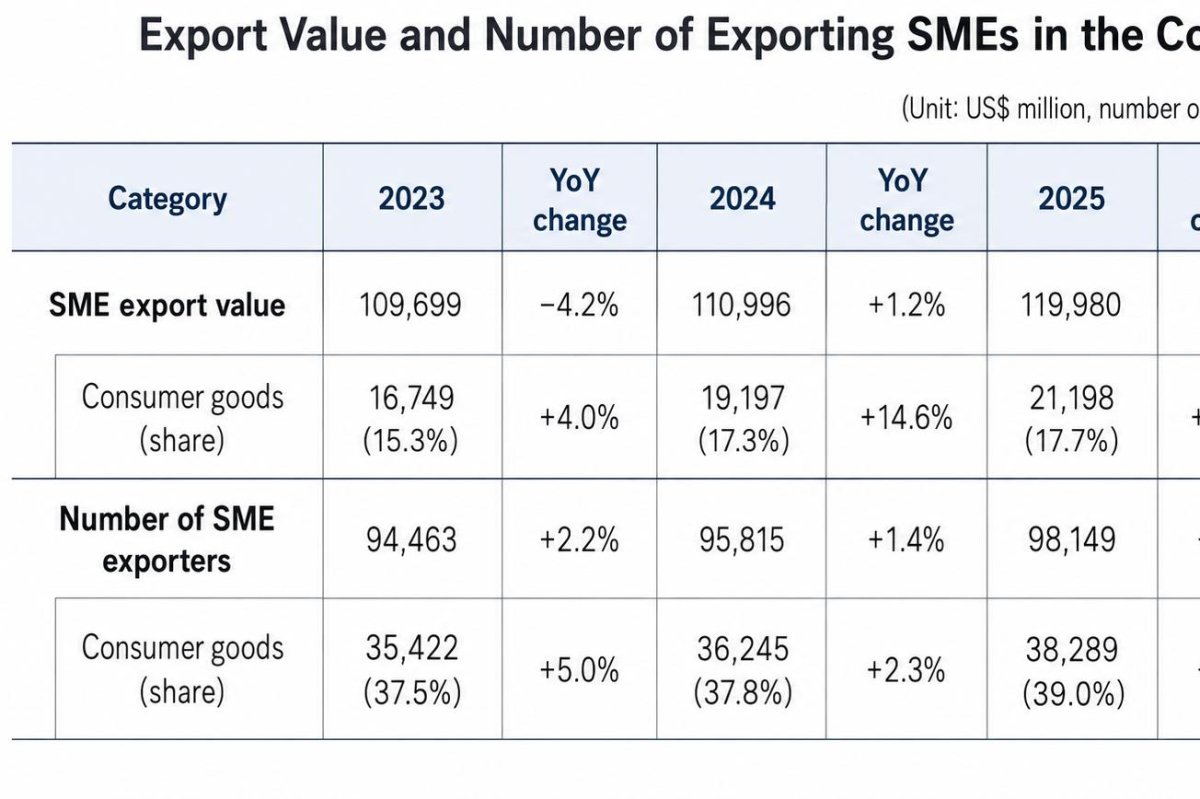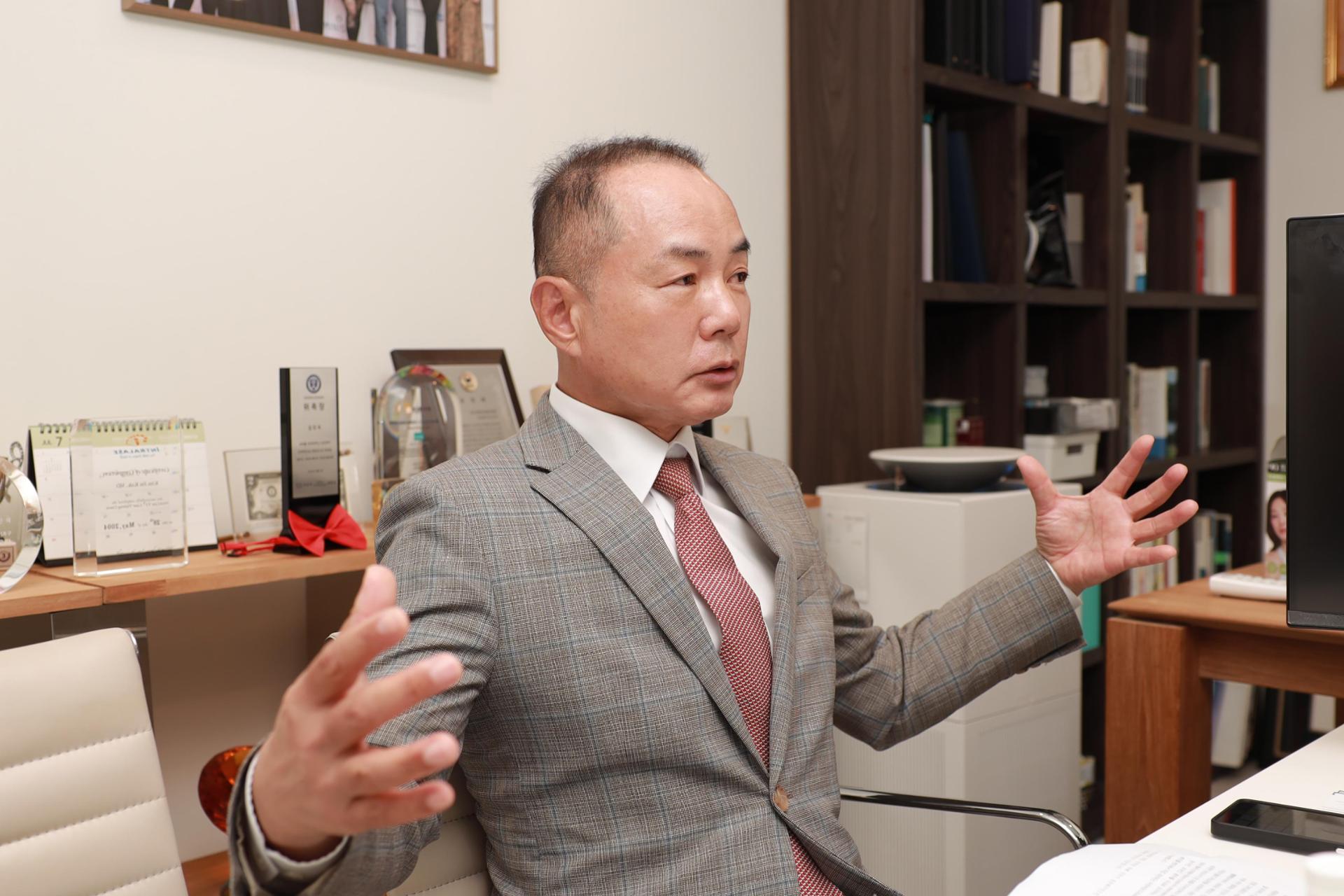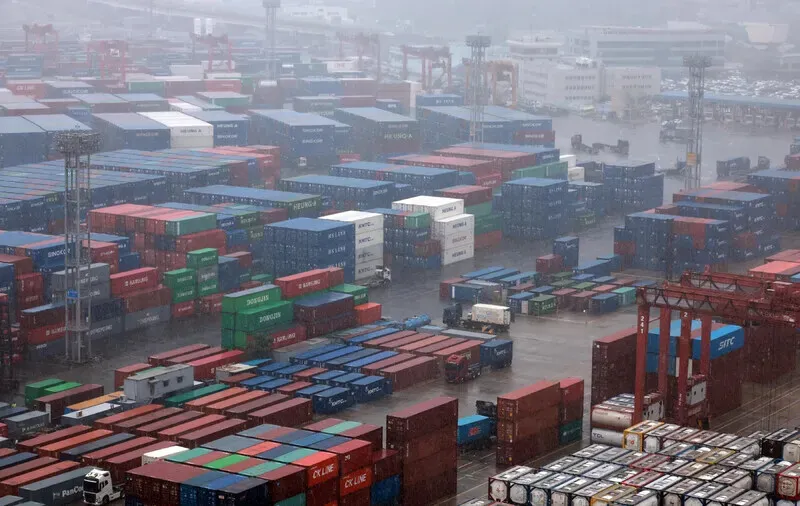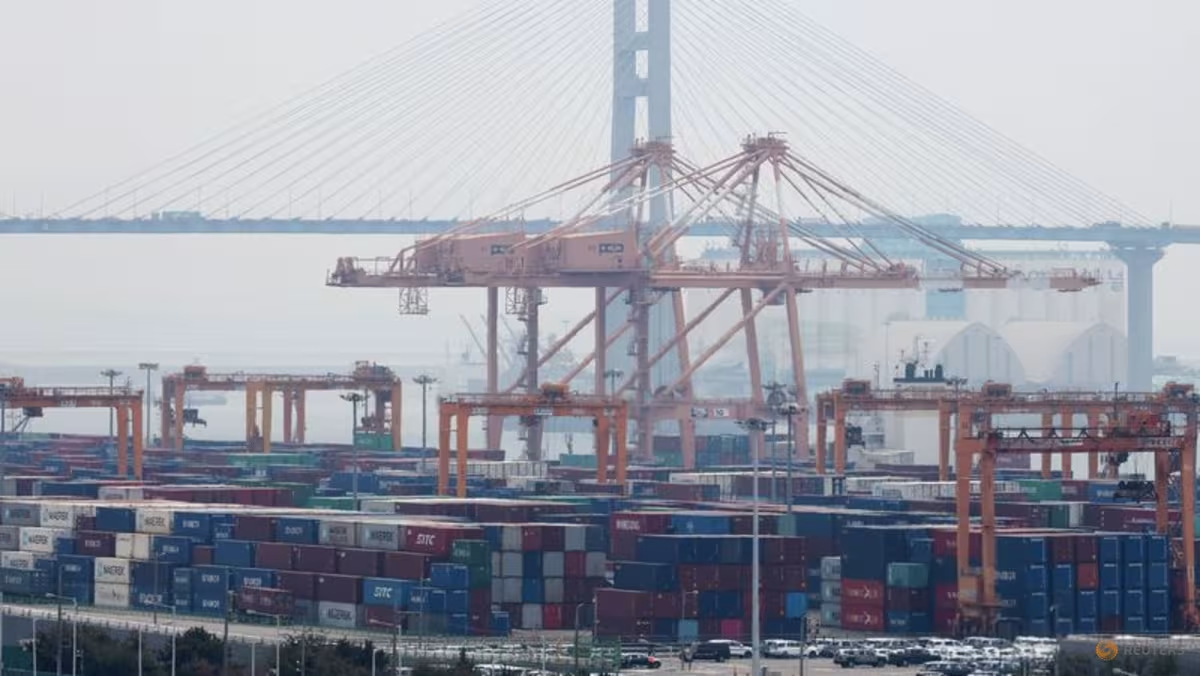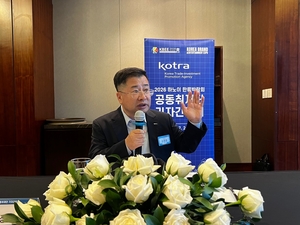
Kang Kyung-sung says KOTRA will take on a greater economic security role as supply chain risks grow KOTRA President Kang Kyung-sung speaks during a press conference held on the sidelines of the Korea Brand and Entertainment Expo in Hanoi, Vietnam, on Thursday. (KOTRA) HANOI, Vietnam — South Korea should broaden its export portfolio beyond semiconductors by expanding sales of cosmetics, food, pharmaceuticals, fashion and other consumer goods, the chief of the Korea Trade-Investment Promotion Agency said, arguing that a more balanced trade structure would make Asia’s fourth-largest economy more resilient to industry cycles.Kang Kyung-sung, president of KOTRA, said at a press conference in Hanoi on Thursday that Korean consumer brands are becoming an increasingly important part of the country’s export strategy, as the global spread of Hallyu raises the profile of Korean products. Consumer goods, he said, should become another pillar supporting exports when the semiconductor cycle weakens.“Consumer goods can help ease the polarization and concentration in our exports taken by semiconductors,” Kang said. “Because semiconductors are cyclical, there may come a time when they face difficulties. When that happens, automobiles, shipbuilding and petrochemicals should support exports, and I believe consumer goods should become another such pillar.”His remarks come as South Korea posted record exports in the first half, with semiconductors accounting for the bulk of the surge. Overall exports jumped 48.4 percent from a year earlier to $496.7 billion, with chip exports reaching $192.4 billion, accounting for nearly 40 percent of the total.The surge has strengthened expectations that South Korea could approach $1 trillion in annual exports and rise to become the world's fifth-largest exporter, trailing only China, the US, Germany and the Netherlands. Yet it has also reinforced Kang’s call for a more diversified export base.Kang said Korea’s export portfolio would become much more stable if consumer goods, which accounted for 6.4 percent of total exports last year, could grow to at least 15 to 20 percent.“Consumer goods — what people eat, drink, apply to their skin, and wear — are ultimately industries shaped by a country’s image and brand power,” he said. “As Hallyu spreads, consumers around the world are showing growing interest in Korean cosmetics and food, creating a virtuous cycle that is translating into actual export growth.”Amid this drive, Kang said the Korea Brand and Entertainment Expo, which runs from Thursday to Saturday at the Hanoi Convention Center, aims to turn the popularity of Korean pop culture into business opportunities for Korean consumer goods companies.Vietnam was chosen as the venue for this year’s expo, the 27th edition since the first event was held in Bangkok in 2010, because of the close economic and people-to-people ties between the two countries, Kang said.“South Korea and Vietnam have a special relationship, with more than 10,000 Korean companies operating here and about 4 million people traveling between the two countries each year,” he said.Kang said Vietnamese consumers’ familiarity with Korean products is exceptionally high, creating space for Korean consumer brands to expand.During the press conference, Kang stressed that export diversification should not be limited to products, but the range of companies should also expand from a handful of conglomerates to include more midsize and small companies.He also called for broader market diversification beyond Korea’s four heavily concentrated export regions — China, the US, Southeast Asia and Europe — toward the Middle East, Latin America and Africa.As part of that effort, Kang said KOTRA is focusing more resources on the Global South, including Southeast Asia, Latin America, the Middle East, Africa and Central Asia. KOTRA opened trade offices in Tbilisi, Georgia, and Monterrey, Mexico, late last year. It plans to open additional offices in Kyrgyzstan and Costa Rica between the end of this year and early next year.Kang said the recent conflicts in the Middle East have reinforced the importance of energy and supply chain security for South Korea, a country heavily dependent on imports of fuel and industrial materials.He said KOTRA’s overseas trade offices have been directly involved in efforts to secure key supplies, including naphtha and gas, during supply chain disruptions.“When naphtha supply was disrupted due to the conflict in the Middle East, we used our overseas trade offices to help secure a total of 29 deals and brought 870,000 tons of naphtha to Korea.”The experience shows that KOTRA’s role is evolving beyond that of a traditional trade promotion organization. While supporting trade will remain its basic function, Kang said the agency will take on a greater role in economic security, including supply chain issues.
KOTRA chief eyes Hallyu brands as next export engine beyond chips
HANOI, Vietnam — South Korea should broaden its export portfolio beyond semiconductors by expanding sales of cosmetics, food, pharmaceuticals, fashion and other
748 words~3 min read