When South Korea was plunged into one of the worst financial crises in its modern history, the government turned to the International Monetary Fund (IMF) for what was then the largest bailout package ever approved.
Yet one of the country's most remarkable responses did not come from financial markets or political leaders; it came from ordinary citizens.
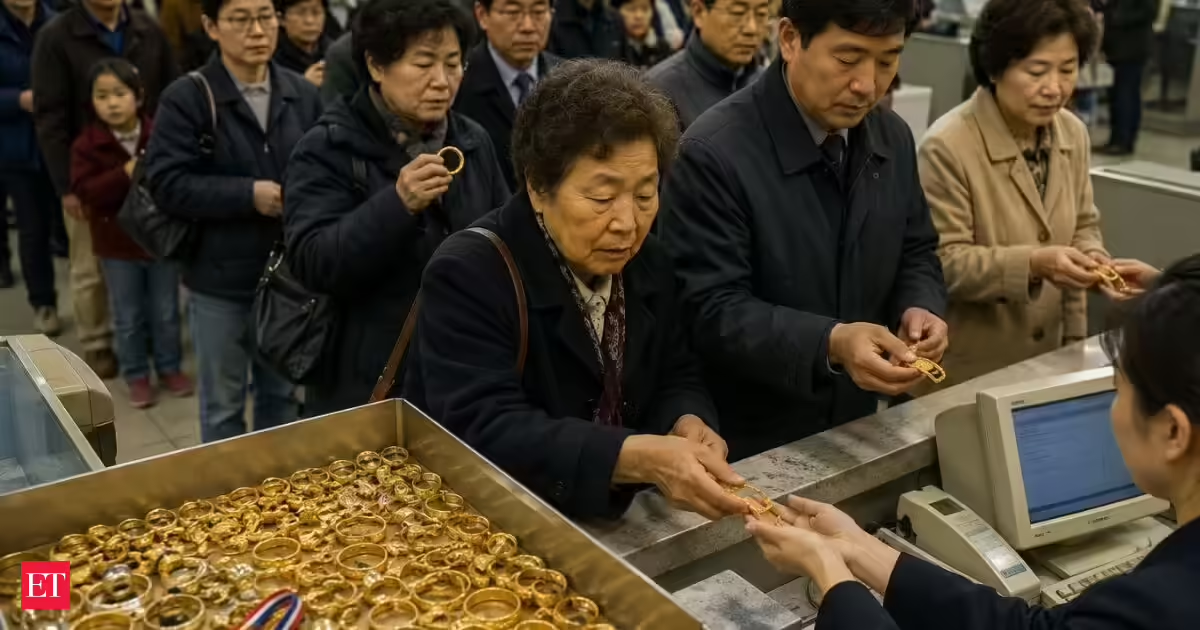
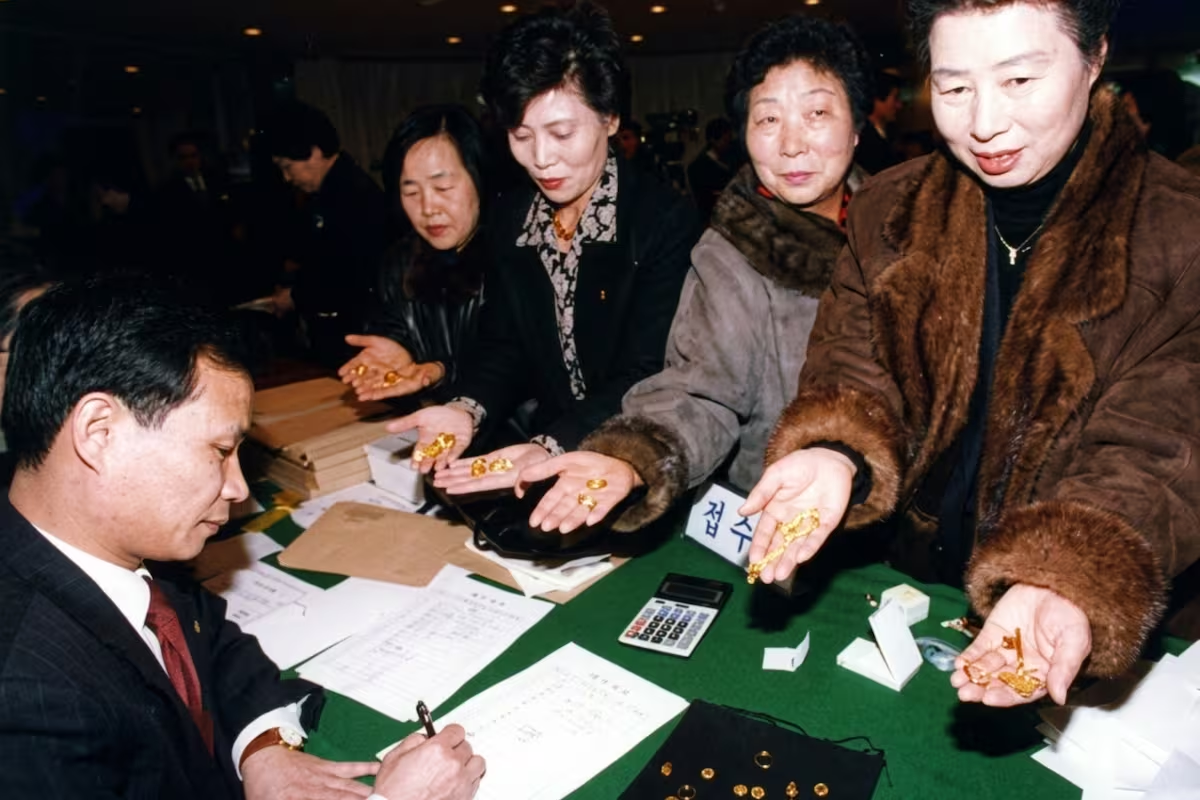
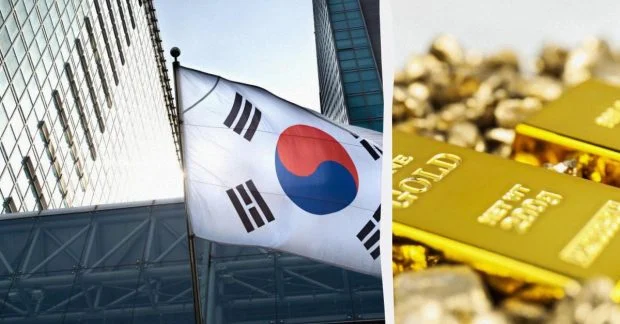
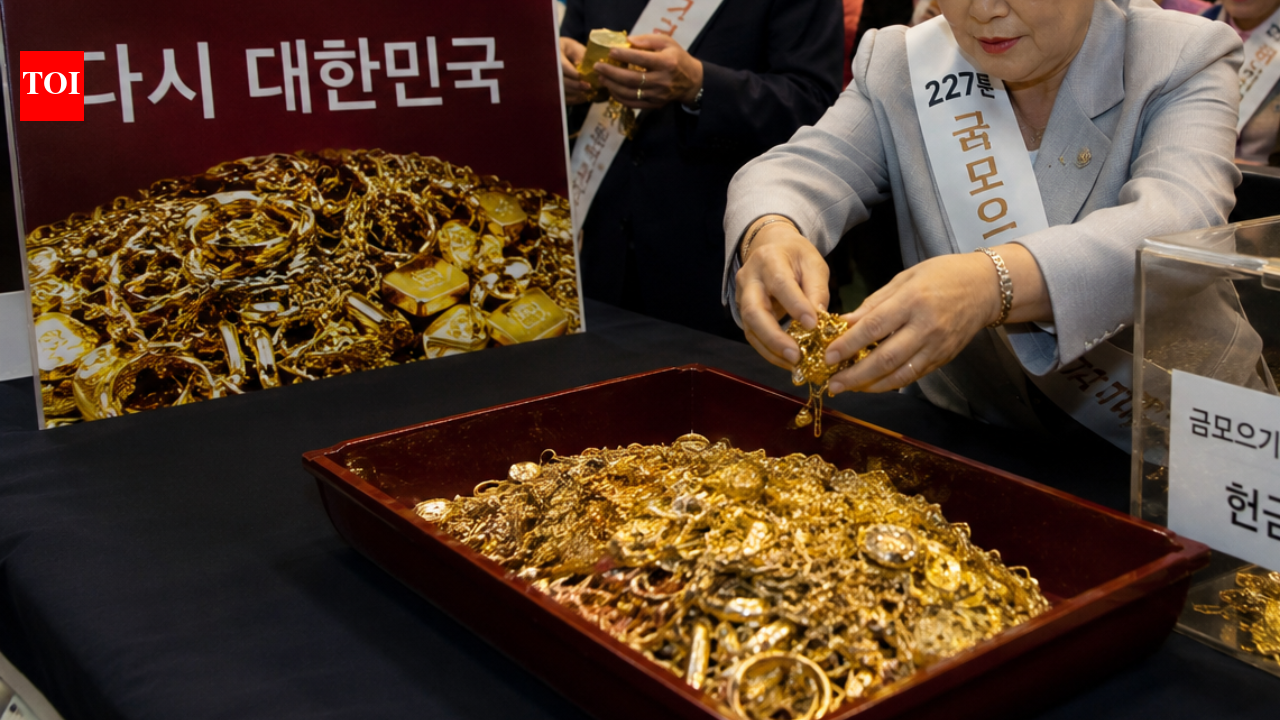
In an extraordinary display of national solidarity, millions of people voluntarily donated their wedding rings, gold jewellery, family heirlooms and even Olympic medals to help the country reduce its foreign debt.
Within just four months, the campaign collected around 227 tonnes of gold, becoming one of the largest voluntary public fundraising efforts in economic history.
Nearly three decades later, South Korea's Gold Collection Movement remains a powerful example of how collective sacrifice helped restore confidence during a national financial emergency.Why did South Korea need the biggest IMF bailout in historyAccording to the Asia Regional Integration Centre, in late 1997, the Asian Financial Crisis spread rapidly across East and Southeast Asia, exposing weaknesses in South Korea's highly leveraged corporate sector and financial system.