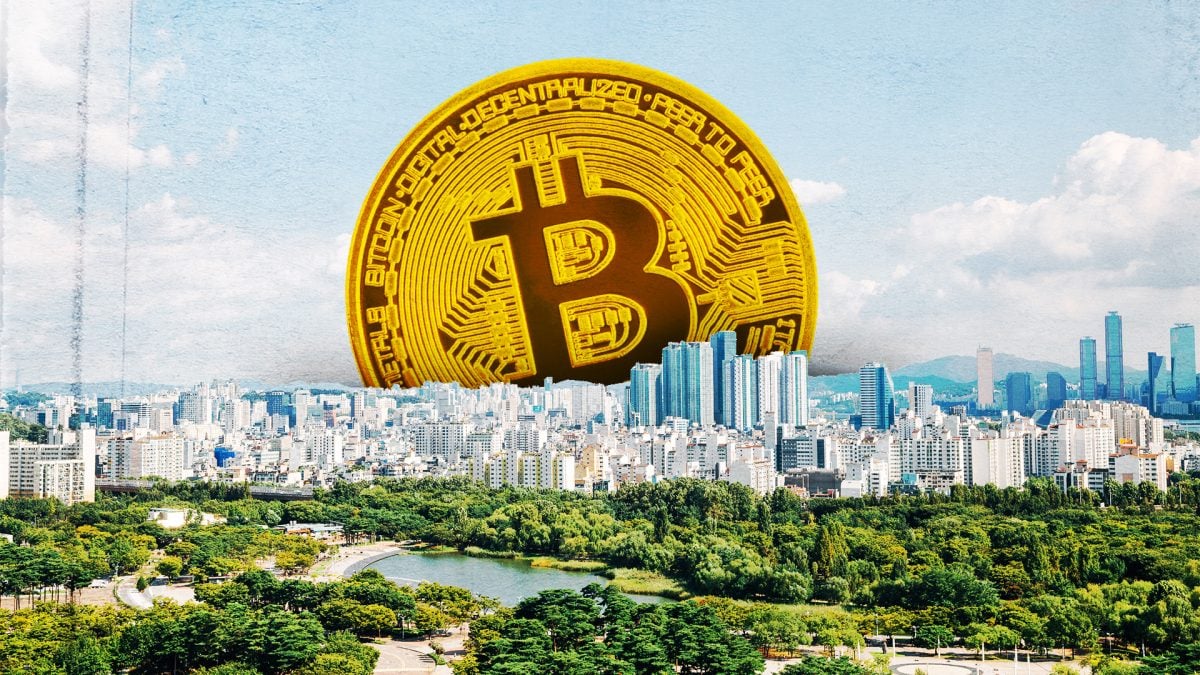
Roughly one in five Koreans invest in cryptocurrency, making the country one of the world’s most active digital asset markets. As banks, exchanges and financial institutions continue expanding into the sector, digital assets are becoming an increasingly important part of everyday finance. While this growth creates opportunities for innovation, the experience of El Salvador, the first country to adopt Bitcoin as legal tender in 2021, shows that consumer protection should remain the priority. Without strong safeguards, rapid adoption can expose users to fraud, cybersecurity risks and financial losses.As someone from El Salvador who has lived in Korea since 2023, I have noticed a striking difference between the two countries. Although El Salvador became internationally famous for adopting Bitcoin, cryptocurrency remained a relatively niche interest among ordinary people. After moving to Korea, however, I was surprised by how frequently students and young adults discussed crypto investments. Whenever I mentioned I was from El Salvador, people almost immediately brought up Bitcoin. This contrast reflects a broader difference in attitudes toward risk. In El Salvador, many people viewed cryptocurrency cautiously because they had little disposable income and could not afford the possibility of losing money. They would rather save whatever disposable income they have or spend it on immediate needs. In Korea, however, many young people see that same volatility as an opportunity. Faced with high housing prices and limited paths to wealth building, some are willing to take greater financial risks in hopes of achieving significant returns. Combined with Korea’s enthusiasm for new technology, this has helped make digital assets far more mainstream.El Salvador’s experience demonstrates why widespread adoption should not come before consumer protection. When the government launched the Chivo Wallet, citizens received a $30 Bitcoin incentive. I downloaded the app myself and remember many people immediately converting the money into U.S. dollars instead of keeping it in Bitcoin. For families living paycheck to paycheck, protecting their money was more important than experimenting with a new financial technology. Although the Chivo Wallet helped introduce some Salvadorans to digital payments, it was also associated with technical malfunctions, fraud schemes, and identity theft concerns. However, the impact of these problems was limited in part because cryptocurrency adoption itself remained limited. Fewer than 30 percent of Salvadorans had formal bank accounts, and studies later found that most citizens rarely used Bitcoin for everyday transactions. In other words, relatively few people were exposed to the risks.Korea faces a different situation because far more people participate in digital finance. This makes cybersecurity and consumer protection even more important. During my time in Korea, it sometimes feels as though there is news of another data leak every few months. I even received compensation coupons after my personal information was exposed in a data leak involving major Korean e-commerce platform. Incidents like these are already concerning, but similar breaches involving digital asset wallets or crypto-linked financial services could have much more serious consequences. Unlike many traditional banking transactions, cryptocurrency transfers are often irreversible, meaning stolen assets may be difficult or impossible to recover. Because many crypto investors are younger people seeking opportunities to build wealth in a challenging economy, the consequences of major security failures could be especially damaging.For this reason, consumer protection should guide the future development of Korea’s digital asset ecosystem. Strong cybersecurity measures, transparent regulations, and investor education are not obstacles to innovation but conditions for its success. El Salvador’s experience shows that digital assets are neither a complete failure nor a perfect solution. Their success depends on the institutions and protections surrounding them. As Korea continues expanding its digital asset market, ensuring public trust and consumer safety will ultimately be more important than pursuing innovation alone.Alexandra Maria Escobar Garay is a student at Busan University of Foreign Studies majoring in Global Business Administration.
[ECONOMIC ESSAY CONTEST] Financial Innovation and Consumer Protection: Lessons from El Salvador for Korea's Digital Asset Ecosystem - The Korea Times
Roughly one in five Koreans invest in cryptocurrency, making the country one of the world’s most active digital asset markets. As banks, exchanges...
629 words~3 min read