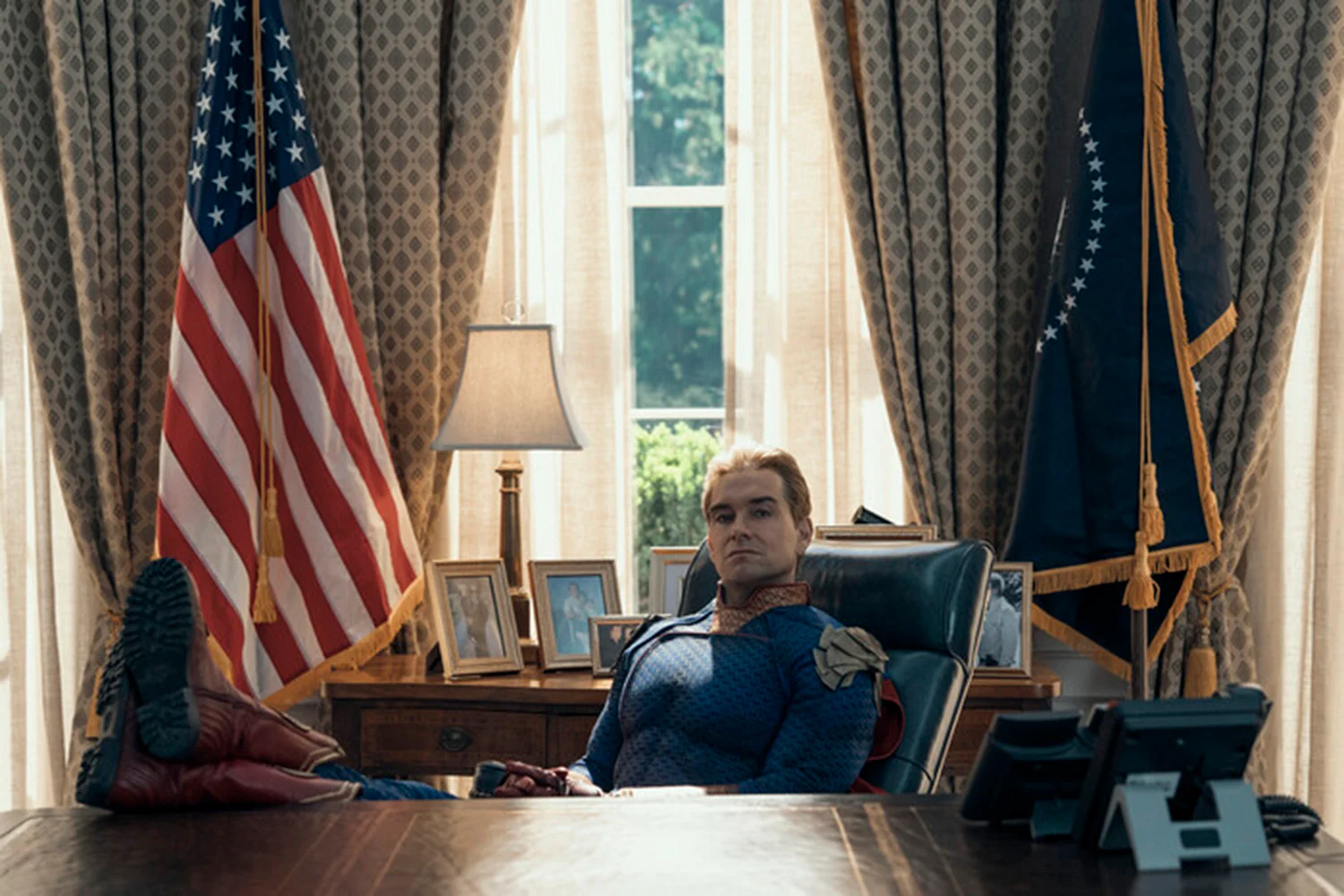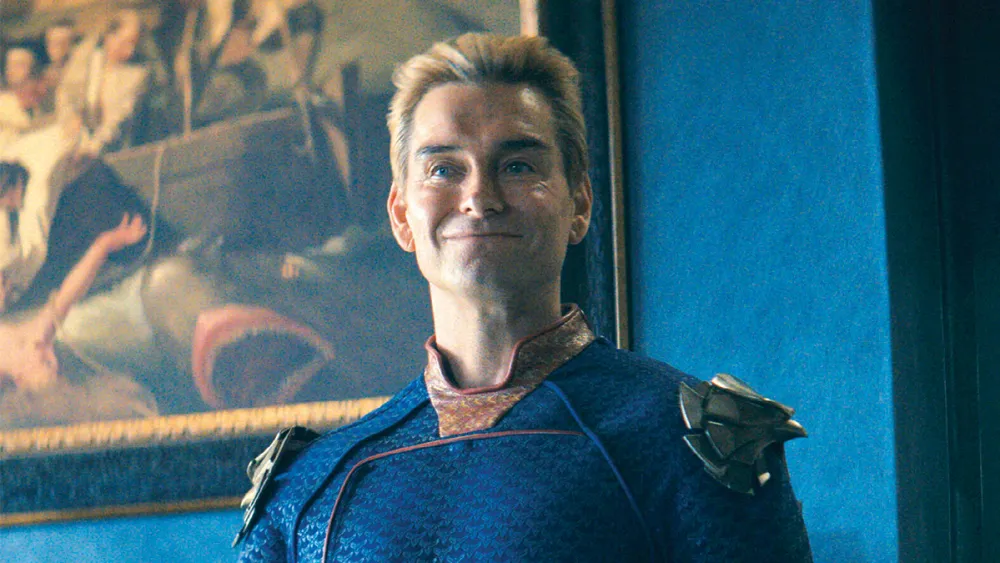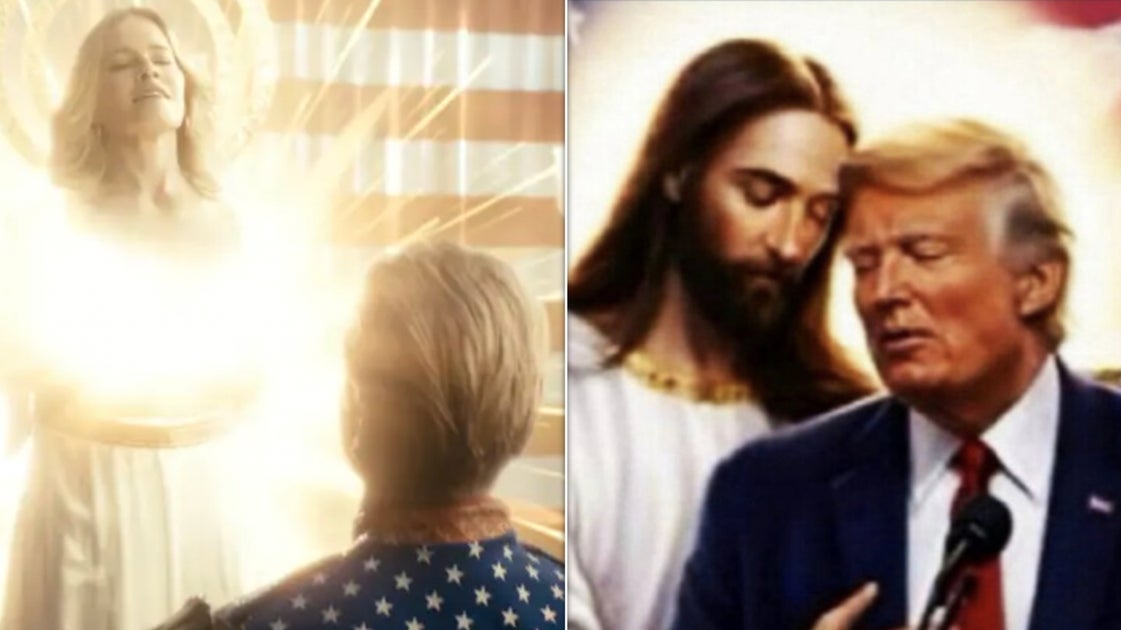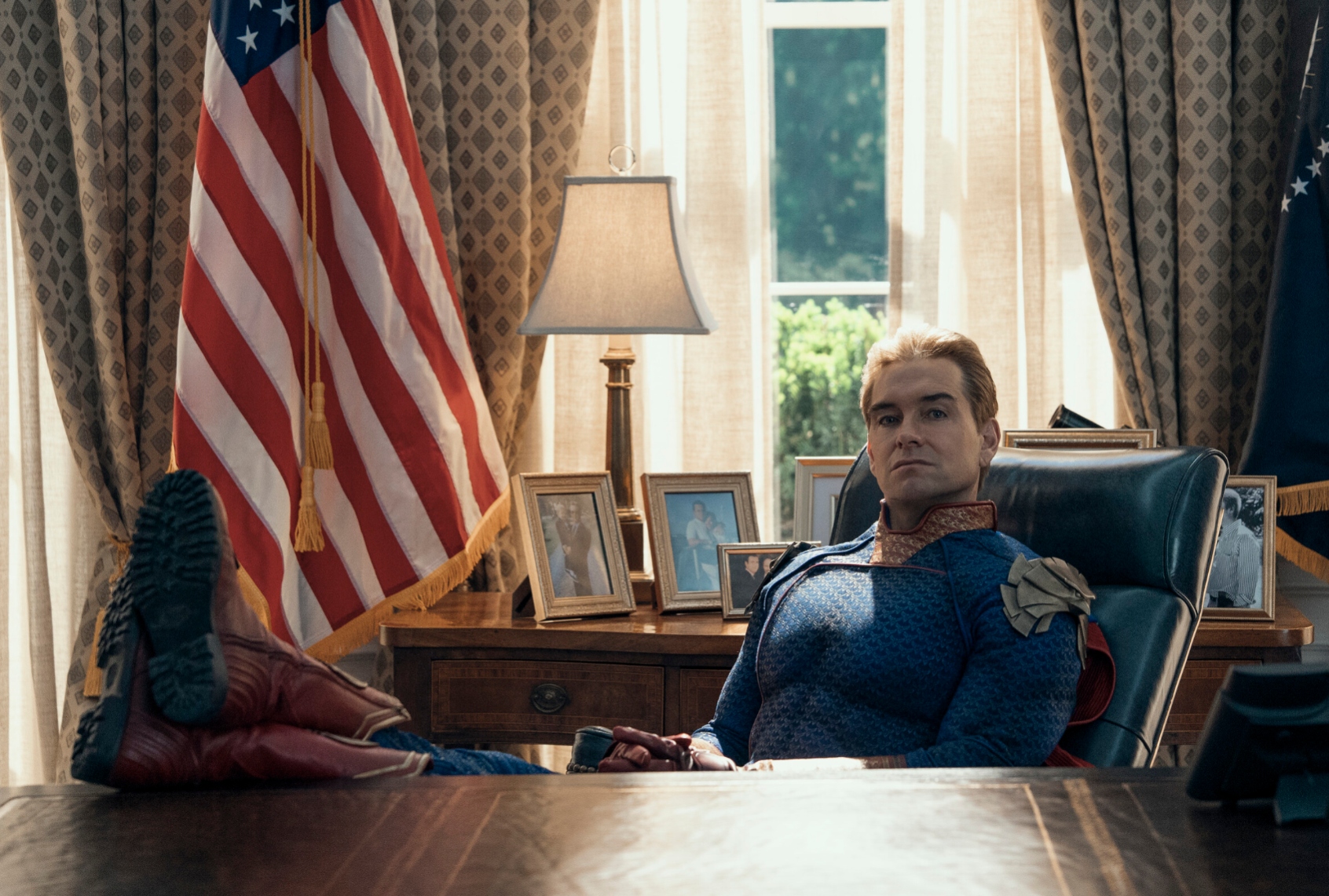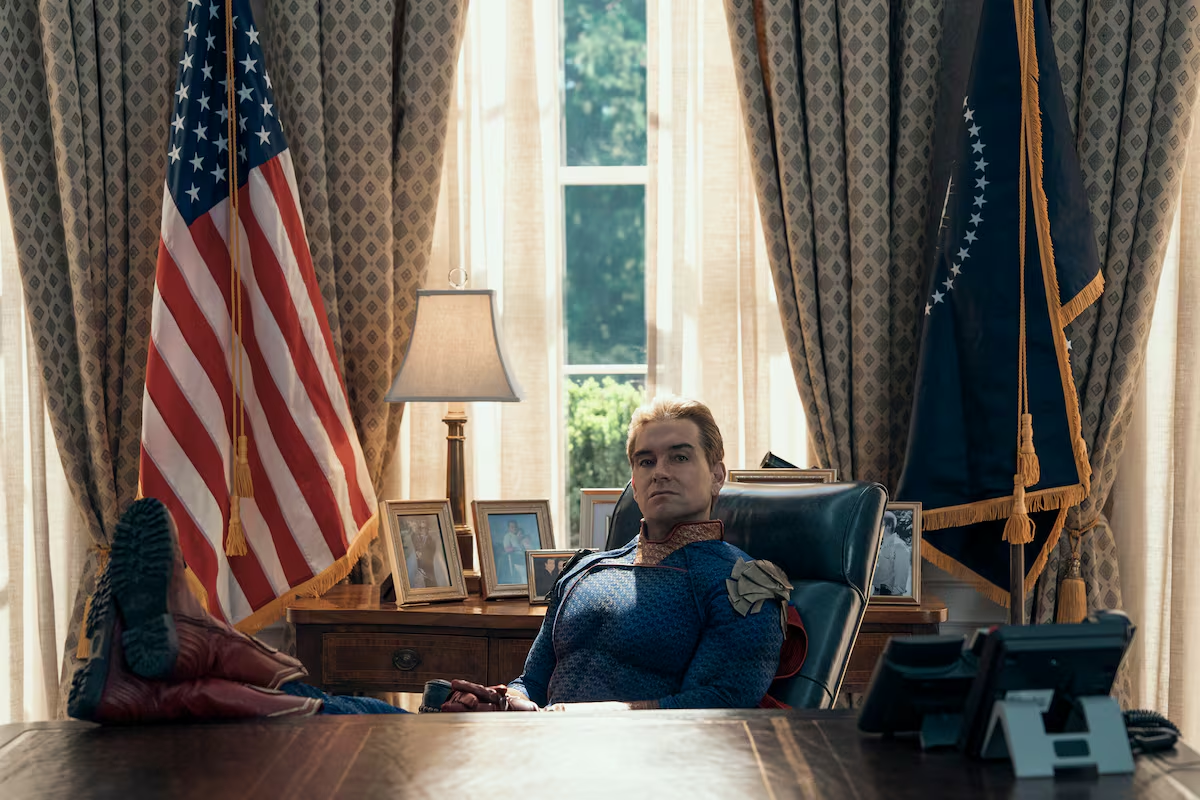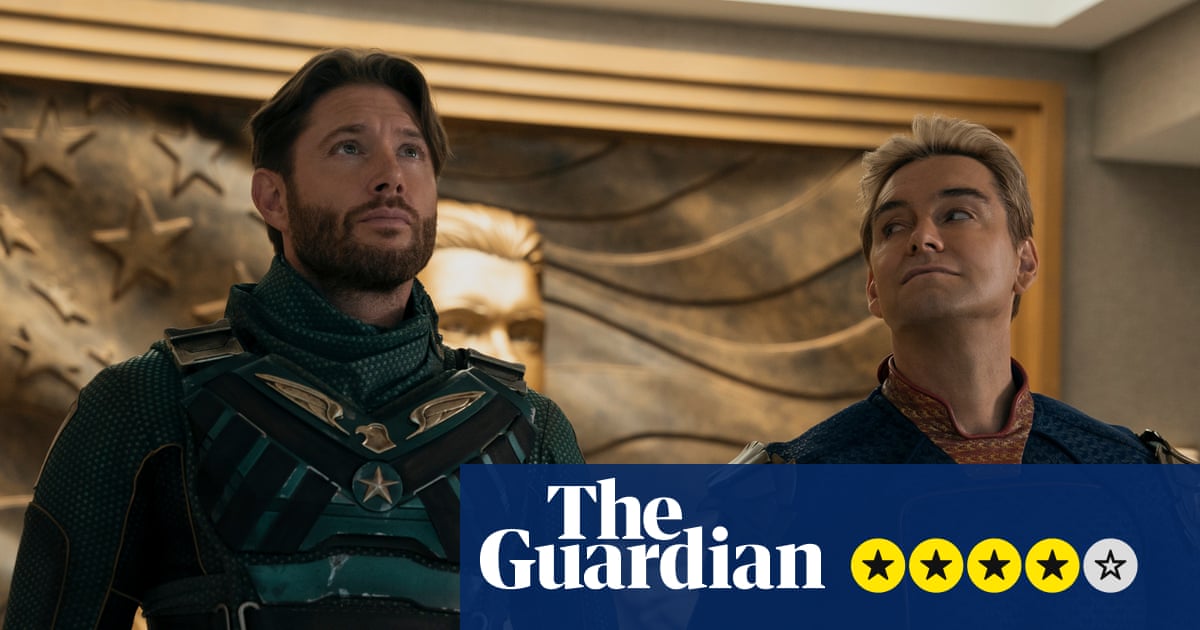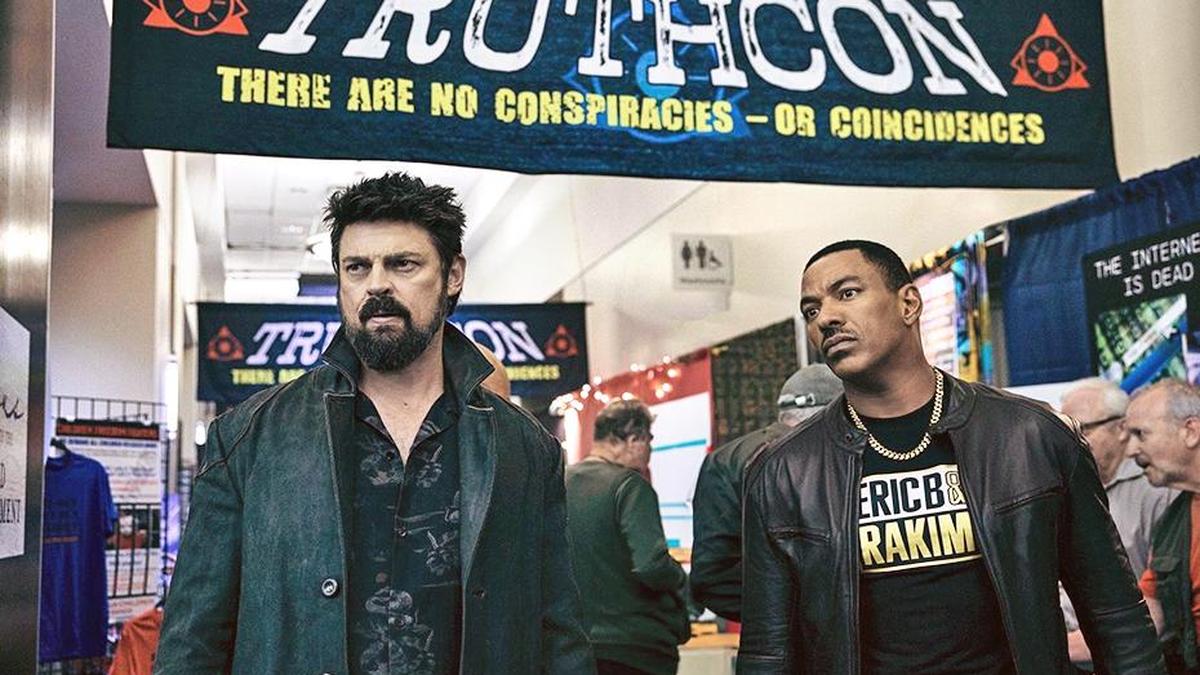
When real world headlines resemble satire, does satire too reinvent itself as drama to appease fans of stars?When real world headlines resemble satire, does satire too reinvent itself as drama to appease fans of stars?Eric Kripke’s The Boys — the satire on superhero culture — just ended with “one of the good guys” turning evil for literally half a scene. The comics it was based on always headed that way. In fact, the comics eventually force Billy Butcher to confront the logical conclusion of his own crusade. The ending is a lot darker. Google or ChatGPT it at your own risk.The Seth Rogen produced show glances in the same direction but barely lingers there. In the final episode, Butcher finally admits what had been obvious all along. He was “never going to stop.” He felt self-righteous to the point of genocide and had become the person he was fighting.Pleasing the fansGiven that Karl Urban’s Butcher had become such a fan favourite, with his catchphrases and swagger becoming part of the appeal of the show itself, it is hard not to wonder whether modern stories are finding it increasingly difficult to sit with the idea that a much loved character you probably imitate in your head — maybe borrowing his “Oi”s — was always going to be as bad as they come.A few years ago, in Game of Thrones, George R.R. Martin’s take on politics as the domain of dynasts was always heading towards a reckoning for one of its most beloved rulers. But by the time the show reached its final seasons, people had named their children Khaleesi.It also aired when people felt that feminism didn’t need this demonisation or further witch hunting.The challenge of catering to what fans want — during this flaky moment in our complex polarised times — is really messing with the political themes these stories originally set out to capture.Martin’s Game of Thrones was fundamentally a story about bloodline power and inherited entitlement. The trajectory was always headed towards a clash between merit and inheritance, democracy and dictatorship, outsiders and dynasts.The audience simply fell in love with one of the monarchs.In the first few seasons based on Martin’s books, the specifics mattered. Characters took weeks to get to King’s Landing. Political decisions had consequences. Once the books ran out, the show became entirely written for television.lAnd now, geography didn’t matter. Characters popped up from one location to another without having to ride for days as they once did.It was always going to end this way. The lack of detail made the execution weak.Tamil cinema offers a comparable example. R.J. Balaji started off making a parody with Karuppu. At the audio launch, Suriya himself described it as a spoof that would make people think.But the marketing team had their own plan. The film was promoted more like a supernatural drama about the power of folk deities. More Kantara than parody.People consumed it as a star-as-God mass entertainer while largely ignoring the satire.R.J. Balaji himself chose to avoid the words spoof or parody in interviews and even put out a letter asking people to offer water to audience members who got possessed by God during the screening.Diluted themes, altered meaningsI spoke to a filmmaker known for making parodies about this. He believes the filmmaker is in on the joke and is simply doing what is necessary to make sure the film reaches the larger mass audience.The flip side is that audiences are increasingly diluting themes, altering meanings and changing the politics of stories. Director R.J. Balaji has spoken about how genre need not be consistent — he intentionally didn’t want to continue it as a drama and wanted to make a jolly film. He deconstructed the film backwards from what audiences love. He had originally shot a climax that he himself called “average”. It was only after watching the crowd response to Kantara that he became convinced that that was the route they had to take — the theatrical revelation of the hero in God’s form, highlighting his glory through song, dance and action; the founding pillars of mainstream Indian star cinema. The place where audiences enter into a contract of worship the minute they stand for the national anthem at the altar of cinema.The recent electoral success of C. Joseph Vijay in Tamil Nadu with a historic vote share suggests that this need for a hero may simply be the mood of the nation.And that brings us back to The Boys.Its final season was packed with parallels to current events: Homelander as Jesus, the “it’s not AI, check the fingers” joke and other moments that felt uncannily timely. It was almost as if one of the writers had travelled through time and returned with the month’s headlines before the show even aired.This really is the challenge facing satire today. Truth is stranger. We now live in a culture where memes set news cycles.If a digital wing can drop 150 memes and clips that travel further than actual reporting, then the meme is no longer commenting on culture.The meme has become the culture. And like all cultures, it demands its deities.The star must remain God.When fandom starts driving politics, religion, entertainment and even the way we consume news, satire finds itself in a strange place.Why let truth get in the way of a funny story? The joke is no longer on the outside looking in. The system is the joke.All the world is a meme.And we just play or get played.The author is a film critic, filmmaker and screenwriter, most recently a writer on The Family Man Season 3.
All the world is a meme: when satire can no longer keep up with reality
Explore how fandom and memes reshape storytelling, blurring lines between satire and reality in today's culture.
932 words~4 min read