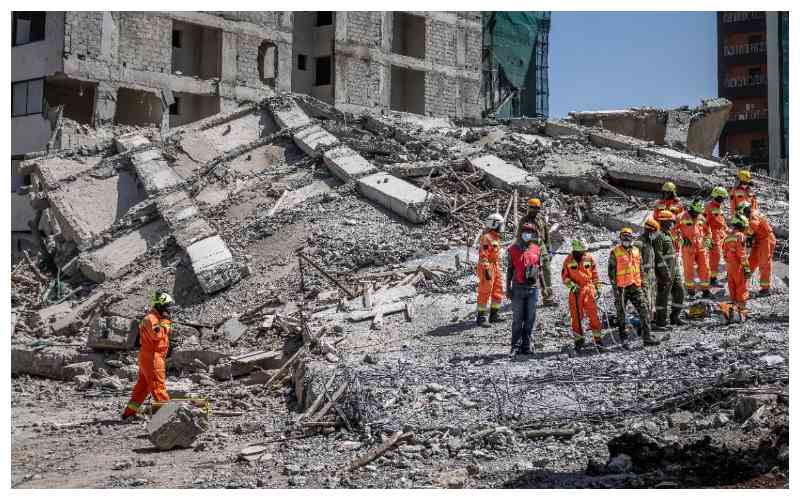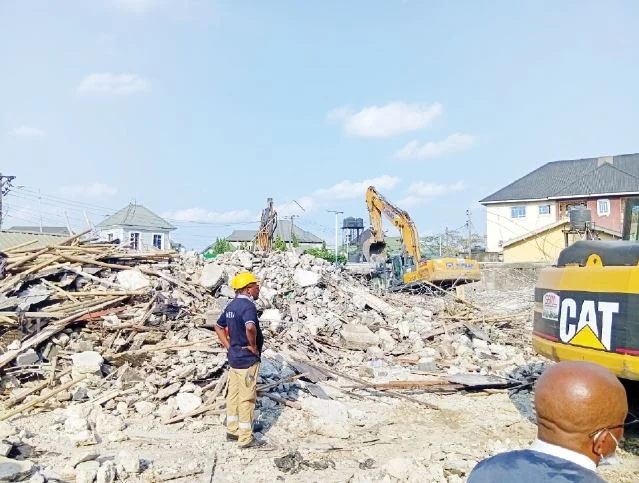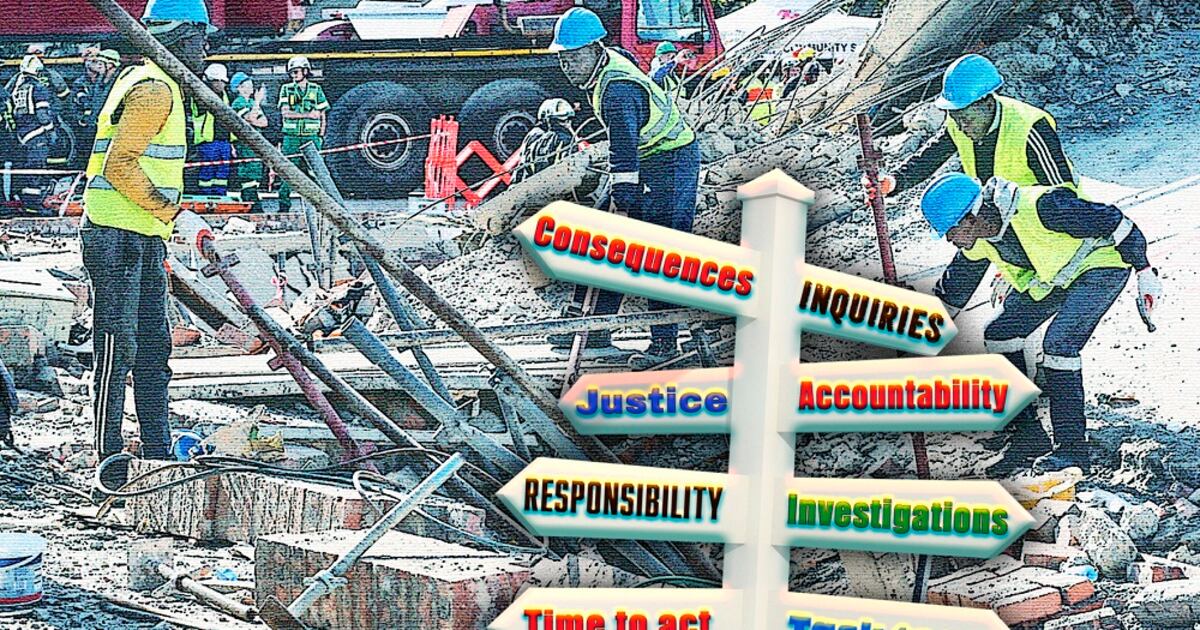
More than two years after the George building collapse claimed 34 lives, South Africa is waiting for accountability. While investigations have been completed, no-one has been held responsible. The tragedy exposes a broader national problem: a culture of seemingly endless inquiries without consequences. In the human settlements sector, this failure threatens lives, undermines public confidence and weakens the economy. South Africa has spent enough time looking in every direction; it is now time to act. The Kenyan proverb, “The chameleon looks in all directions before moving”, reminds us caution and deliberation are virtues. Before taking action, wise leaders assess risks, gather information and consider the consequences of their decisions. But the proverb also contains a warning: observation is not an end in itself. Eventually the chameleon must move. South Africa has become a nation of investigations. Faced with a crisis, tragedy or scandal, our first instinct is often to establish a task team, commission an inquiry, appoint investigators or compile a report. While these mechanisms are important for uncovering facts, they have increasingly become substitutes for action rather than pathways to accountability. Few cases illustrate this more starkly than the George building collapse. More than two years have passed since the partially constructed multistorey building collapsed in George, claiming the lives of 34 people and injuring many others. The disaster shocked the nation and raised serious questions about compliance with building regulations, labour practices, inspections and oversight in the construction industry. South Africans expected such a devastating loss of life would result in swift investigations, followed by decisive accountability. Instead, the country remains stuck in a familiar cycle. The department of human settlements, the Western Cape provincial government and the National Home Builders Registration Council have all conducted investigations and produced reports. Findings have been made, recommendations have been tabled and concerns have been identified. Yet despite the scale of the tragedy, no individual has been held accountable for the deaths of 34 workers. South Africans expected such a devastating loss of life would result in swift investigations, followed by decisive accountability. Instead, the country remains stuck in a familiar cycle. Law enforcement agencies continue their own processes, but one cannot escape the growing concern that South Africa is becoming trapped in an endless loop of investigations. Every additional inquiry consumes time, money and personnel. Valuable public resources are spent revisiting facts that have been established rather than acting on the evidence available. Justice delayed is justice denied. For the families who lost loved ones in George, accountability postponed is accountability denied. Every passing month deepens the perception that consequences in South Africa are optional, particularly when institutional failures are involved. The implications extend far beyond a single building collapse. The human settlements sector is fundamentally about the safety and dignity of people. When regulations are ignored, inspections are inadequate or standards are poorly enforced, the consequences can be deadly. The George tragedy should have served as a turning point that reaffirmed the principle that negligence and noncompliance carry consequences. Instead, the prolonged absence of accountability risks normalising impunity. This accountability deficit also carries big economic costs. A functioning construction sector depends on public trust, regulatory certainty and fair competition. Investors need confidence that projects are subject to consistent standards and that regulations are enforced equally. Legitimate businesses need assurance that competitors who cut corners will not gain an unfair advantage. Rescue workers search through the rubble after the George building collapse in May 2024, a disaster that claimed 34 lives and continues to raise questions about accountability and regulatory oversight. (GEORGE MUNICIPALITY) Evidence suggests the opposite is occurring. A drive through many townships and communities across South Africa reveals a rapid growth in building material suppliers. Many are legitimate businesses contributing to economic activity and employment. However, concerns have increasingly emerged about operators selling substandard or counterfeit construction materials, operating outside regulatory requirements or avoiding tax obligations. These businesses often attract customers because their products are much cheaper than those sold by compliant suppliers. However, the lower price frequently comes at the expense of quality and safety. When inferior materials find their way into homes, schools, commercial buildings and public infrastructure, the risks are borne not by the sellers but by citizens. The broader illicit trade economy presents a serious challenge to the country. Illicit and counterfeit goods undermine legitimate businesses, reduce tax revenues and weaken confidence in regulatory institutions. In the construction sector, the dangers are particularly severe because poor-quality materials can directly contribute to structural failures that place lives at risk. Deeper weaknessesThe George building collapse should therefore be viewed not merely as an isolated incident but also as a warning about deeper weaknesses in South Africa’s regulatory and enforcement systems. It highlights the dangers of a culture in which compliance is inconsistently enforced and accountability remains elusive. South Africa does not suffer from a shortage of laws, regulations or investigative capacity. We have policies, frameworks, inspectors, regulators and law enforcement agencies. The challenge is that too often the chain between investigation and consequence is broken. Reports gather dust. Recommendations remain unimplemented. Cases drag on for years. Public attention shifts elsewhere. Eventually, accountability becomes another casualty of bureaucratic delay. The lesson of the chameleon is not that caution is wrong. Good governance requires careful consideration and evidence-based decision-making. But caution without action becomes paralysis. Investigation without accountability becomes theatre. Reports without consequences become little more than expensive paperwork. South Africa has looked in every direction. The facts about the George disaster have been extensively examined. The questions have largely been asked and answered. What remains is the difficult but necessary task of enforcing the law and holding those responsible accountable. The families of the victims deserve justice. The construction industry deserves regulatory certainty. The public deserves confidence that safety standards matter. And the country deserves institutions that move beyond investigation to action. After more than two years, the time for looking is over. • Seabi, an ANC MP, chairs the portfolio committee on human settlements.
NOCKS SEABI | Building collapse saga points to culture of probes with no prosecution
Failure in human settlements sector threatens lives, undermines public confidence and weakens economy
998 words~5 min read