Get the latest news and updates from Dawn
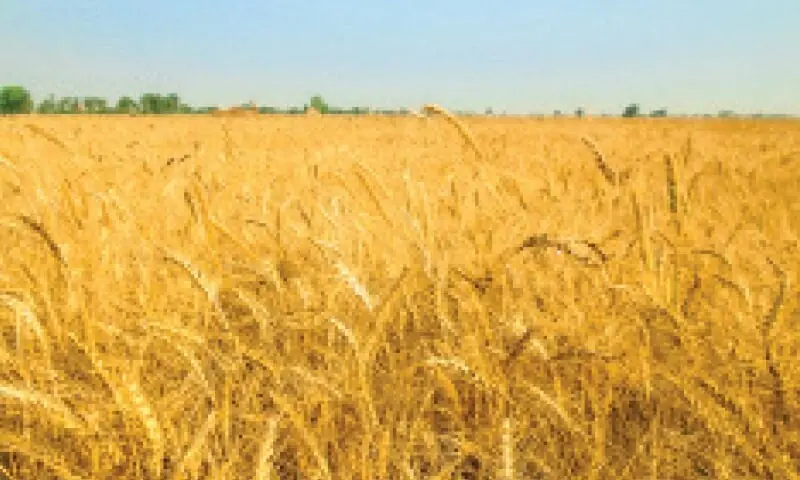
The wheat harvest season is currently in full swing in Punjab, while in Sindh, it is drawing to a close. Over time, wheat harvesting practices have steadily evolved in response to technological advancement and a range of emerging challenges, including climate change, a shrinking harvest window, and growing labour constraints.
In this changing environment, four distinct wheat harvesting methods are now widely practised. However, farmers’ preferences vary across regions, shaped by factors such as farm sizes, the need for wheat chaff (toori), the risk of erratic rainfall, access to harvesting and threshing machinery, and relative cost considerations.
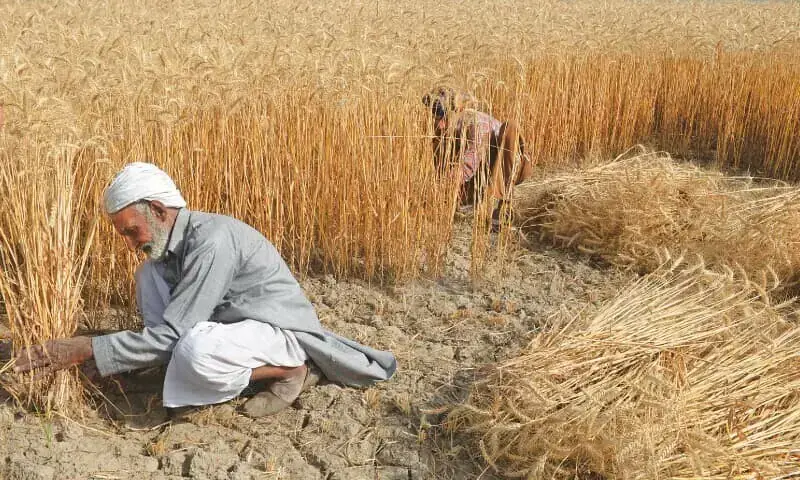
For the past several decades, farmers across most districts have relied on the traditional method: manually cutting the crop with sickles, tying it into bundles, leaving them in the field for a few days to reduce moisture, and then threshing with tractor-driven threshers. This method remains particularly attractive for smallholders, as it produces high-quality chaff (toori), highly valued as livestock feed.
A slightly mechanised variant involves tractor-mounted reapers — costing around Rs200,000 — for cutting, while labour is still employed to tie the crop into bundles, which are then fed into the thresher. A more advanced version, the reaper-cum-binder, performs both cutting and binding simultaneously. However, it increases cost as the binding thread alone costs around Rs2,500 per acre, compared to traditional rope made from rice straw.