Get the latest news and updates from Dawn
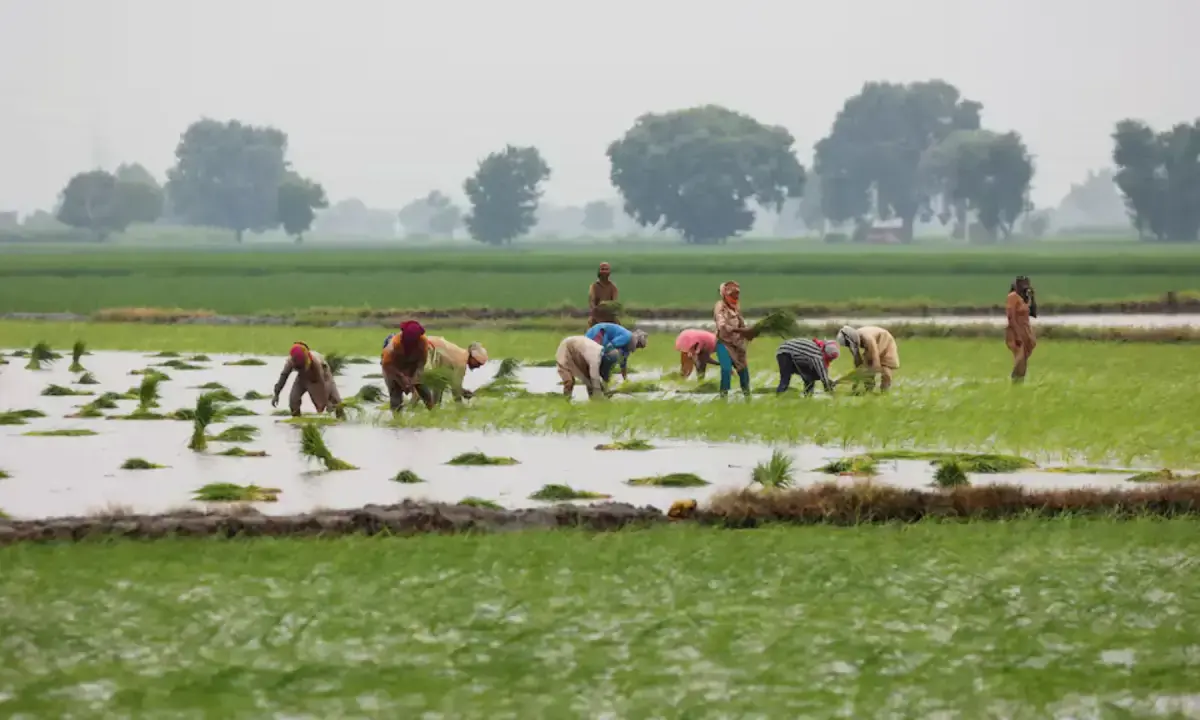
One of the major challenges facing Pakistan’s farmers is the limited range of field crops cultivated in both the Kharif and Rabi seasons. This narrow crop base restricts farmers’ options for switching crops when a particular crop underperforms for two to three consecutive years due to climate shocks or market failures.
In such circumstances, when a large number of farmers turn towards seemingly profitable alternatives, the resulting expansion in acreage quickly leads to market saturation because of the country’s limited domestic market and weak capacity to export surplus produce. Consequently, prices crash, leaving farmers effectively “out of the frying pan into the fire.”
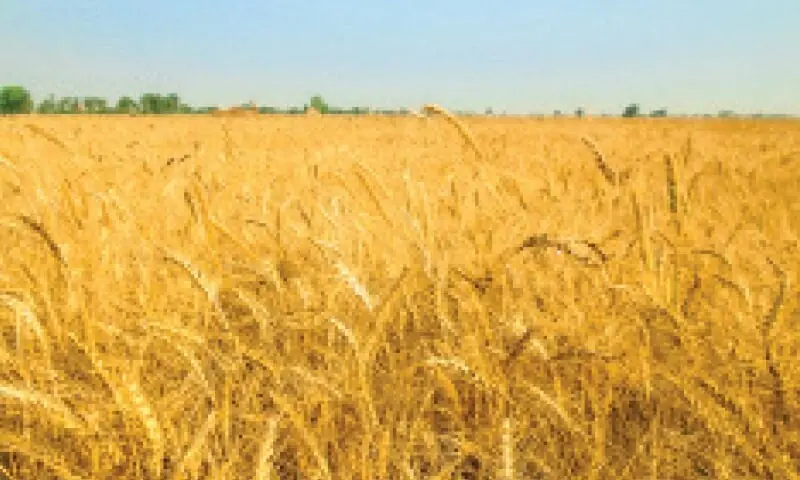
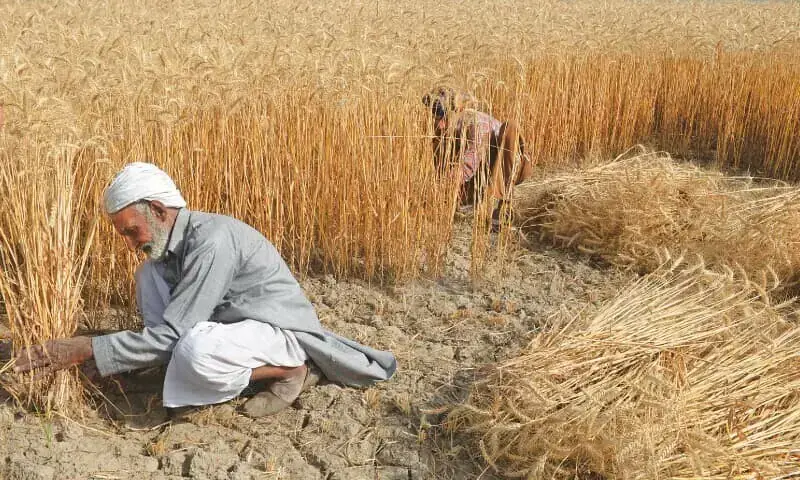
A recent example is wheat. After poor returns from the 2024 and 2025 harvests, potato and vegetable cultivation expanded significantly during 2025-26, which eventually triggered a market collapse. The crisis was aggravated by Pakistan’s limited access to export markets, while the public sector lacked institutional capacity to manage surplus production. In addition, weak value addition infrastructure further constrained the country’s ability to absorb excess output.
Against this backdrop, Pakistan needs to introduce new field crops that can be grown on a large scale. Such crops should either possess strong export potential or serve as viable import substitutes in order to reduce the country’s growing import bill.