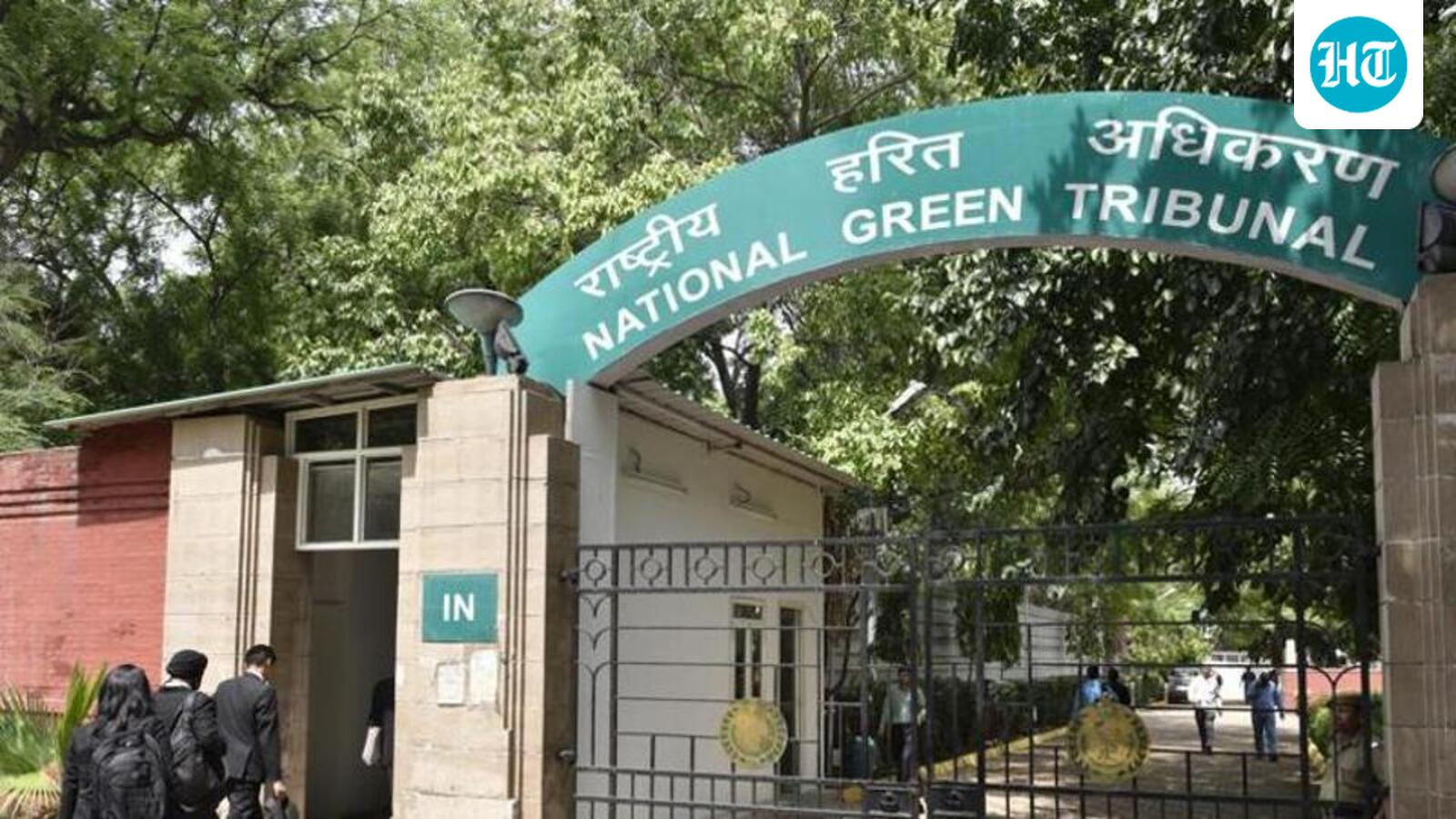
New DelhiThe move comes against the backdrop of an ongoing case in the National Green Tribunal (NGT) pertaining to rainwater harvesting and groundwater level.The Delhi Jal Board (DJB) will set up 47 groundwater monitoring stations by digging up deep borewells with specialised pressure sensor-cum-monitoring devices at its facilities for increased groundwater sampling and to ensure compliance with norms, officials aware of the matter said on Thursday.The new monitoring points will be 90 metres deep and will be equipped with piezometers in facilities at Vasant Vihar, Vasant Kunj, Ashok Vihar, Punjabi Bagh, Mehrauli, and RK Puram, among other places.A senior DJB official, who did not wish to be named, said, “Delhi Jal Board (DJB) maintains 95 piezometers near its sewage treatment facilities, pumping stations and water treatment plants to monitor groundwater and any possible contamination. The locations have been selected based on an assessment carried out on the Central Ground Water Board’s recommendation last year. Each well will help us monitor a buffer zone of around five square kilometres, and would help us monitor the impact of four to five rainwater harvesting systems.”The work is likely to be completed in the next four months, the official said, and will comply with the standard operating procedure regarding groundwater quality for urban areas, which mandates a piezometer per 5 sqkm area.The move comes against the backdrop of an ongoing case in the National Green Tribunal (NGT) pertaining to rainwater harvesting and groundwater level. A Dwarka resident, in February 2023, alleged groundwater contamination due to rainwater harvesting pits.A subsequent investigation by an NGT-appointed committee in May 2023, comprising members of the Delhi Pollution Control Committee (DPCC) and DJB, found high levels of high ammoniacal nitrogen and high total dissolved solids in rainwater harvesting pits of 180 of 235 societies that were inspected in Dwarka.The findings prompted the tribunal to issue directions regarding improving the monitoring.The Central Ground Water Board (CGWB), in a communique on August 5, 2025, stated that it was monitoring 109 piezometers under National Hydrograph Network Stations (NHNS). It said that the DMRC also has 65 piezometers, calling for 47 more piezometers to be installed to cover all recharge structures of the DJB.A second DJB official, who did not wish to be named, said that to avoid contamination, it has also been decided that no rainwater harvesting system will be installed near drains. “Separator is required to be installed to bypass the first rain from entering the harvesting structure to avoid contamination of the groundwater,” the official said.According to the latest CGWB report, released in 2025, Delhi extracted 0.32 billion cubic metres (bcm) of groundwater in 2024-2025, but managed to recharge 0.38 bcm. Delhi’s extraction rate was 100.77% in 2023-24, 99.13% in 2022-23 and 98.16% in 2021-22.
Delhi Jal Board to set up 47 groundwater monitoring devices
A DJB official said that to avoid contamination, it has also been decided that no rainwater harvesting system will be installed near drains. | Latest News Delhi
455 words~2 min read