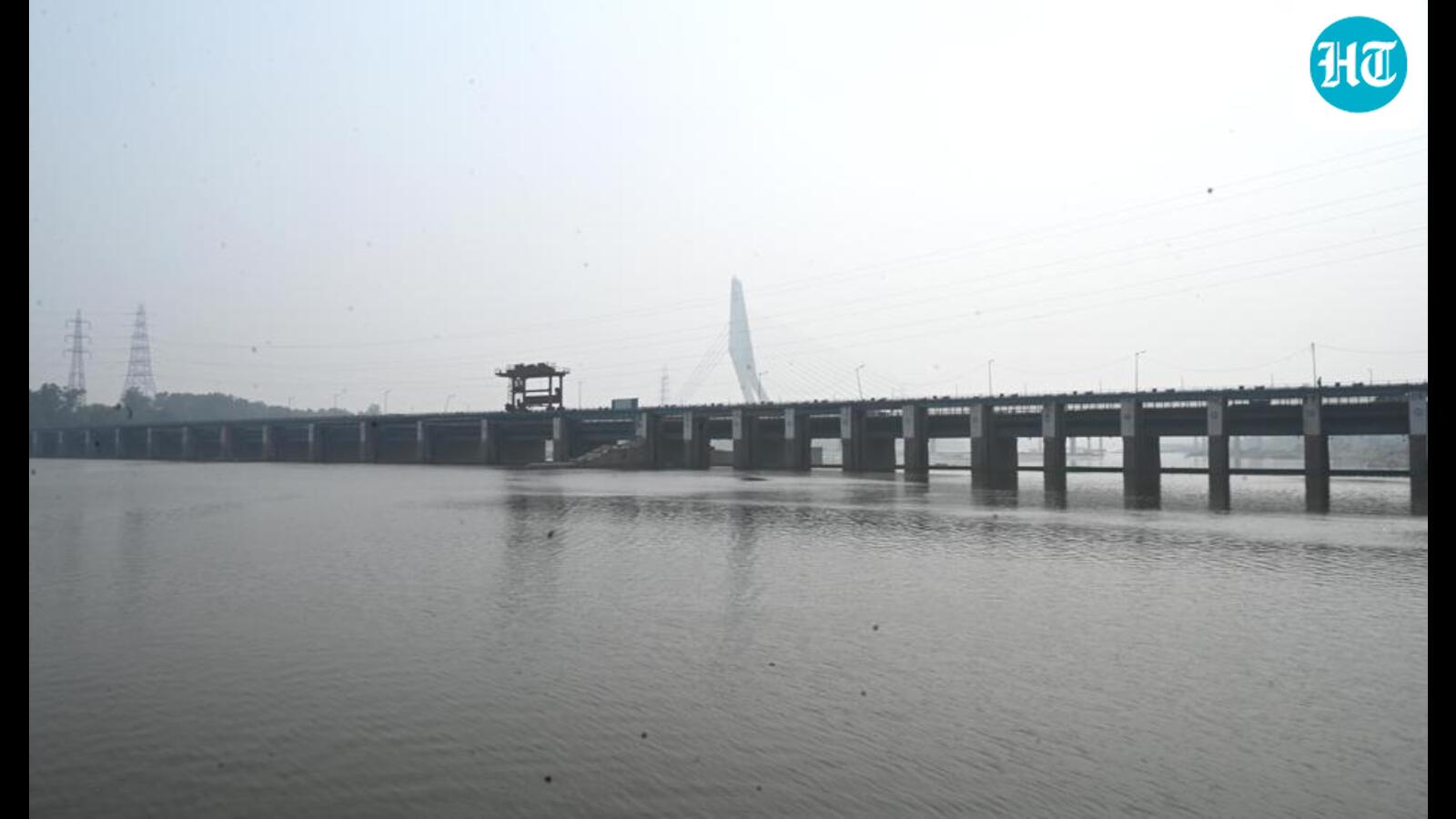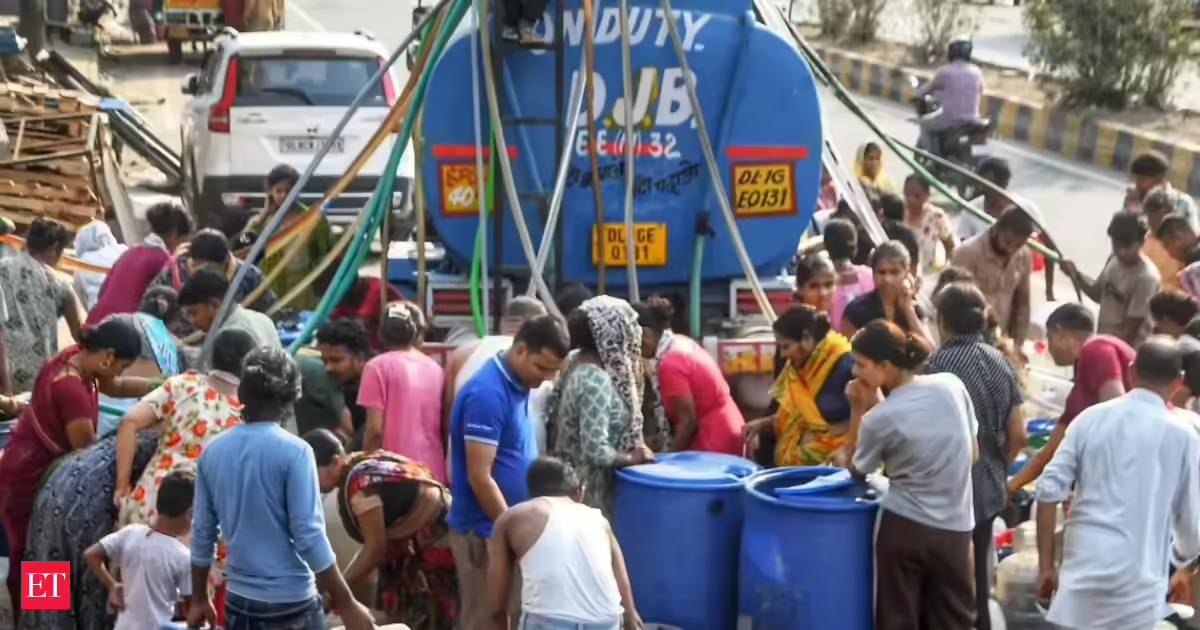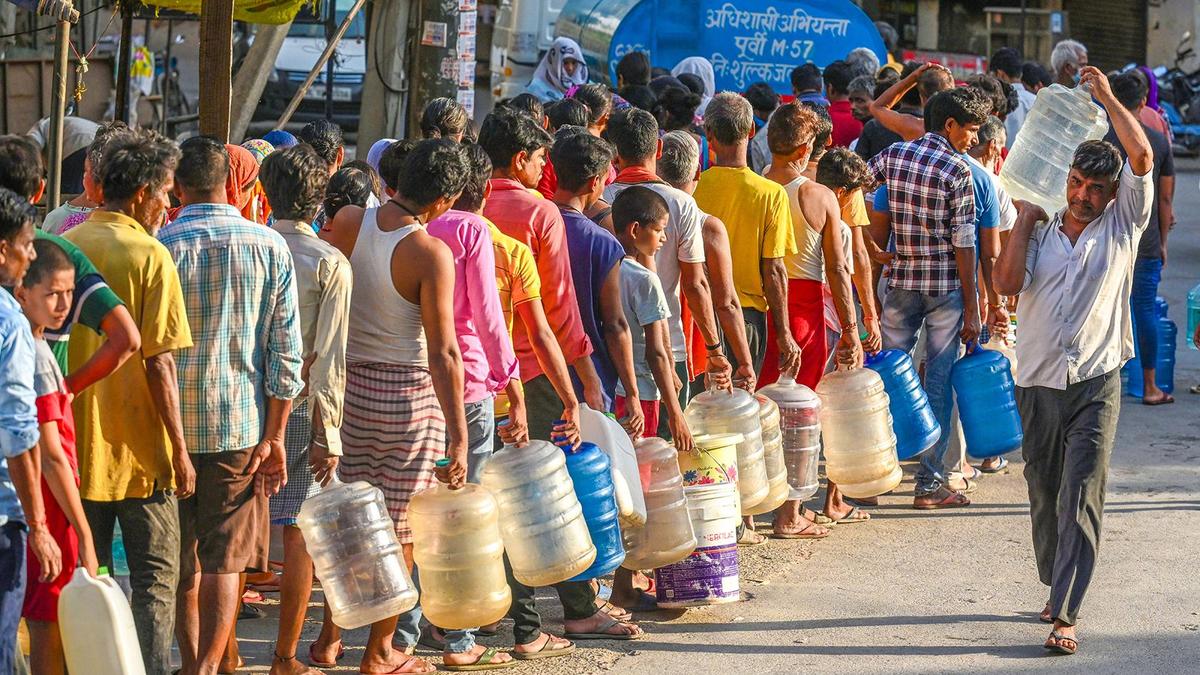
The Delhi Jal Board (DJB) plans to seek an additional allocation of 528 cusecs of raw water as part of its medium-term strategy to bridge the Capital’s widening water demand-supply gap and operationalise four new water treatment plants, senior government officials aware of the matter said on Wednesday.The move comes even as several areas located at what officials described as the “tail end” of DJB’s distribution system continue to face supply disruptionsThe water utility has completed a water requirement assessment and allocation mapping exercise for existing and proposed treatment plants as Delhi grapples with recurring summer shortages and mounting pressure on its ageing water supply network.The move comes even as several areas located at what officials described as the “tail end” of DJB’s distribution system continue to face supply disruptions and incidents of sewage contamination caused by low pressure in pipelines following a sharp fall in raw water availability from the Yamuna.Officials said that while the situation has improved somewhat after Haryana diverted a portion of the Western Yamuna Canal flow through the Somb river channel – a tributary of the Yamuna – operational challenges continue because of algae accumulation at the Wazirabad pond that has affected treatment operations.Delhi currently operates nine water treatment plants with a combined production capacity of around 864 million gallons per day (MGD), while another 136 MGD is sourced from groundwater through tubewells and borewells. Despite this, the city faces a demand-supply deficit of around 250 MGD, a figure that rises sharply during the peak summer months.A senior government official said the additional raw water requirement has been calculated after mapping future demand for planned treatment infrastructure. “Phase-II of the Dwarka water treatment plant will require 93 cusecs of raw water, the proposed Iradat Nagar plant near Bawana will require 148 cusecs, the Chhatarpur plant another 148 cusecs and the proposed Najafgarh treatment plant 139 cusecs. Together, these facilities require an additional 528 cusecs of raw water to become operational,” the official said.The new facilities are expected to significantly improve water availability in chronically underserved areas of southwest Delhi, northwest Delhi and parts of south Delhi.Officials said construction work on the second phase of the Dwarka water treatment plant has already been completed, but the facility remains idle because the additional raw water needed to run it remains unavailable.Detailed project reports for the proposed plants at Iradat Nagar, Chhatarpur and Najafgarh are currently under preparation.The issue of securing additional water resources also figured prominently in a meeting chaired by Union home minister Amit Shah on June 16, where six states – Himachal Pradesh, Uttarakhand, Haryana, Delhi, Uttar Pradesh and Rajasthan – agreed to sign a memorandum of understanding for the long-pending Kishau Dam project on the Tons river, one of the Yamuna’s largest tributaries.Though years away from completion, the project is expected to become a major source of additional raw water for Delhi and forms part of a wider set of long-term projects aimed at addressing the city’s chronic shortages.Officials said Delhi is expected to receive around 372 MGD from the Kishau Dam project, 275 MGD from the proposed Giri River project in Himachal Pradesh and another 216 MGD from the Lakhwar Dam project in Uttarakhand. However, all three projects are likely to take several years before becoming operational.“The primary challenge remains the availability of raw water. Delhi currently receives only the allocations agreed upon under water-sharing arrangements with Haryana and Uttar Pradesh. Additional treatment capacity can only be utilised if fresh allocations are secured from neighbouring states,” another official said.Meanwhile, water contamination complaints continue to emerge from several parts of the city.Over the last month, Delhi has reeled under severe shortages as water levels in the Yamuna dropped sharply. At the peak of the crisis, the city faced a shortfall of more than 100 MGD. Officials said the resulting low pressure in pipelines led to a rise in incidents of sewage mixing with drinking water lines.A senior DJB official said the worst of the crisis was over, but normalcy would likely return only after the arrival of the monsoon. “We have started receiving some additional raw water through the Somb channel. The Hathinikund barrage area is currently undergoing pre-monsoon repairs. We are also tackling algae accumulation at Wazirabad which has affected treatment operations, but the situation is improving,” the official said.Residents, however, said contaminated water supplies continue to affect daily life. Over the last 24 hours, water contamination complaints have come from areas like Laxmi Park Nangloi, parts of Rohini sector 11, Sant Nagar extension, Sarvapriya Vihar, Rajinder Nagar, among othersHC Goswami, a resident of Geeta Colony’s Block-15, said households in the area have been receiving foul-smelling and discoloured water for several days. “This water cannot be used for drinking and could lead to gastrointestinal diseases,” he said.In Vijay Park in Maujpur, resident Sachin Trivedi blamed ageing infrastructure for repeated contamination incidents. “Our locality has decades-old pipelines and whenever water pressure drops, sewage water enters through leakages in the network,” he said.Alka Batra, who lives near Bhagwan Das Road and Mandi House, said residents in her area have also been receiving foul-smelling water for the last four days. “We have filed complaints but there has been no resolution. We are depending on packaged drinking water and often have to keep taps running for long periods just to collect enough water for bathing and household use,” she said.
DJB seeks more water to begin work at four new WTPs
The Delhi Jal Board seeks 528 cusecs of raw water to address water shortages and operationalize new treatment plants amid ongoing supply issues. | Latest News Delhi
893 words~4 min read