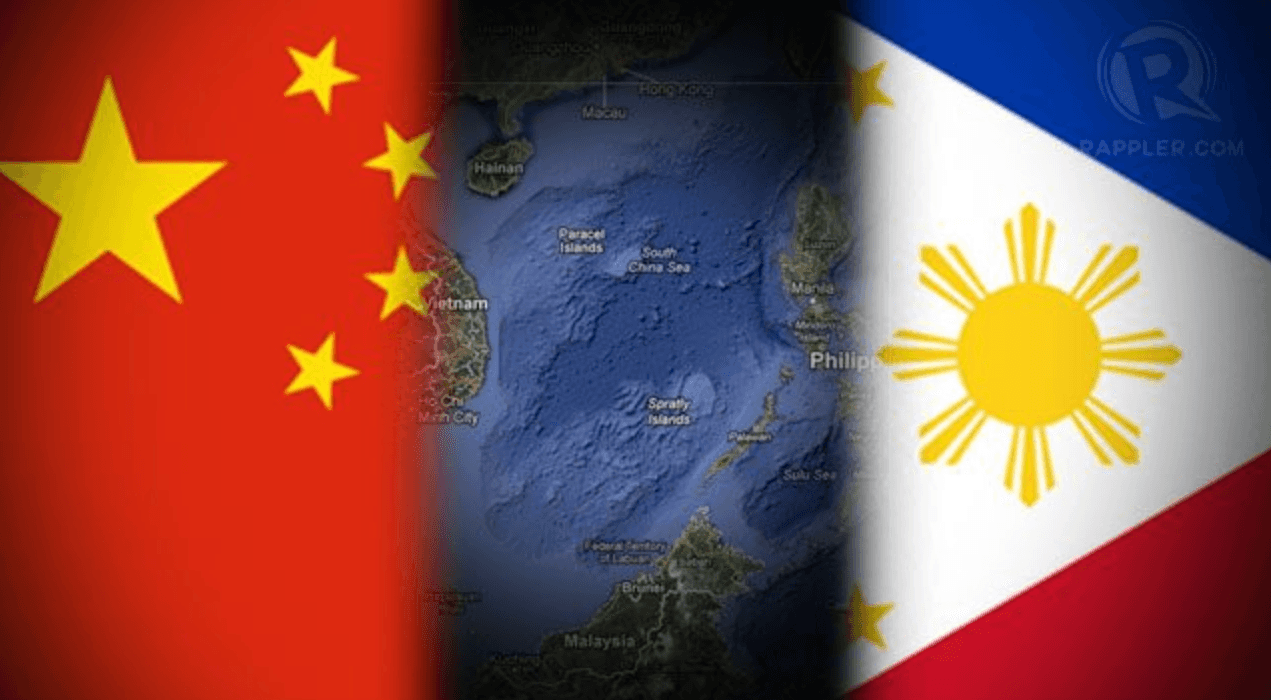
On July 12, the Philippines will be celebrating the 10th anniversary of the arbitral award issued by an international tribunal facilitated by the Permanent Court of Arbitration (PCA) in The Hague. The arbitral ruling generally favored the position of the Philippines vis-a-vis its claim against China in the West Philippine Sea.
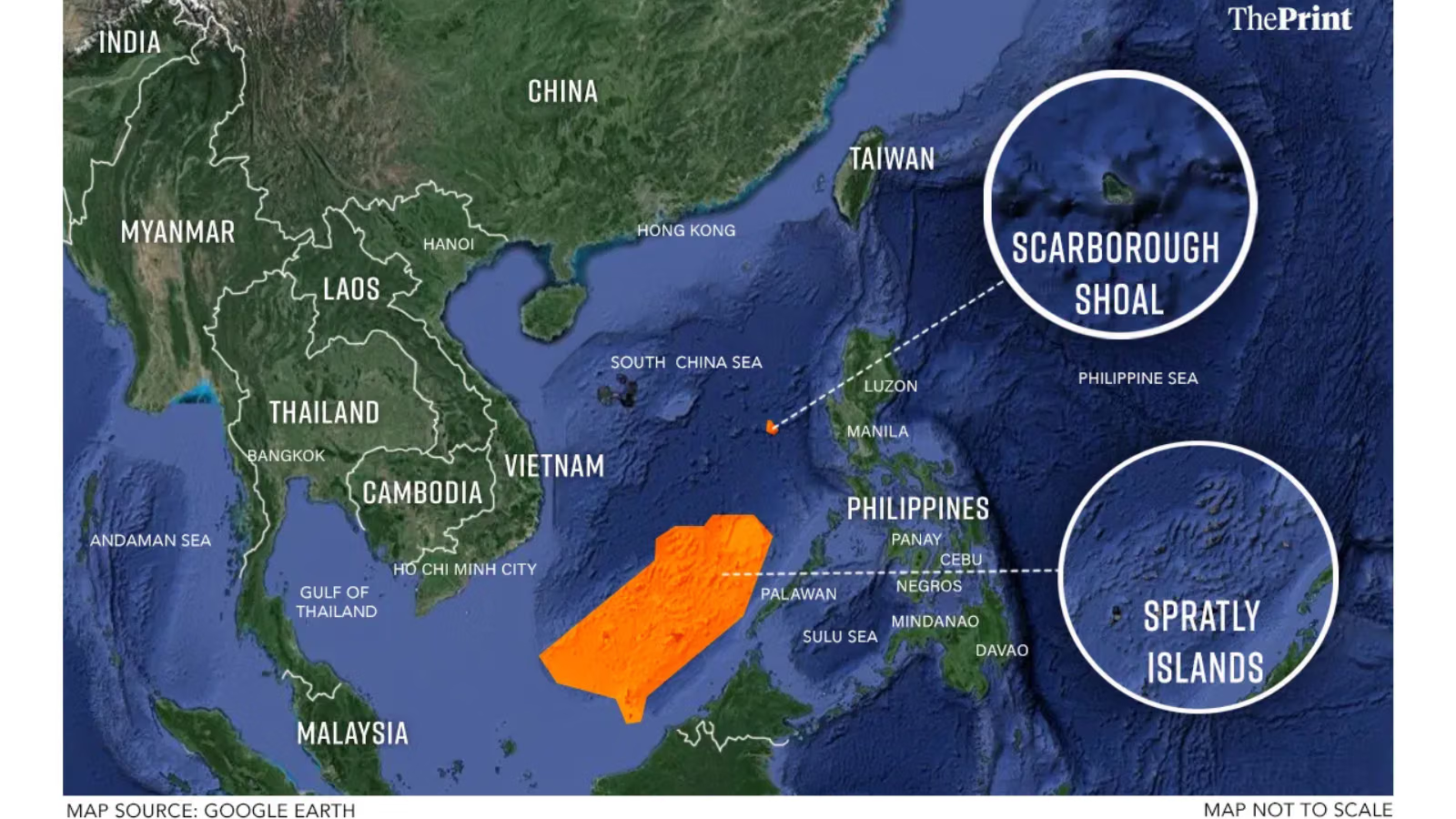
Looking back, this stemmed from China’s narrative that it has historical sovereignty and “indisputable” rights over islands and their adjacent waters covered by its “nine-dash-line” territorial and maritime claims — that subjectively appropriated “85% to 90% of the entire South China Sea.”
The Philippines offered three arguments: “China’s nine-dash line is invalid for it has no legal basis under the United Nations Convention on the Law of the Sea (UNCLOS), that none of the Spratlys were legally islands capable of generating an Exclusive Economic Zone (EEZ), and that China had violated the Philippines’ sovereign rights and damaged the environment.”
Conversely, the tribunal anchored its decision of invalidating China’s claims on the following key legal principles: upon the signing of UNCLOS by participating countries — which both the Philippines and China did — they agreed that the treaty would supersede any prior claims, and that any prior historic claims to resources within an EEZ were legally extinguished if they were incompatible with the UNCLOS framework.