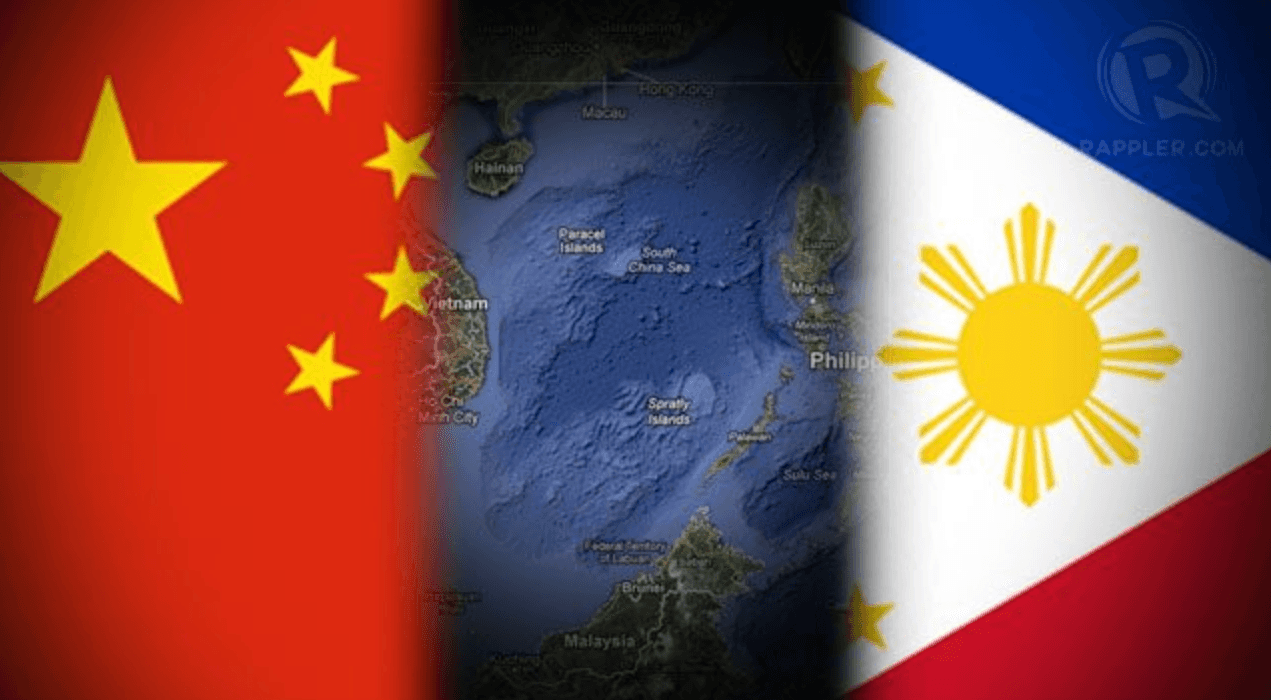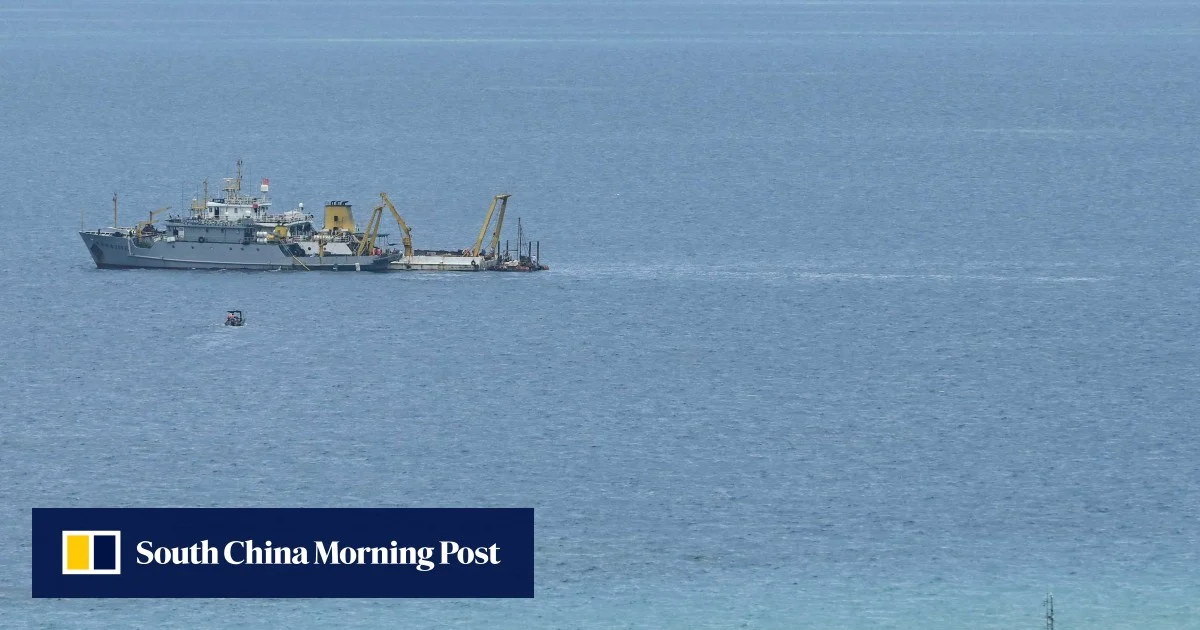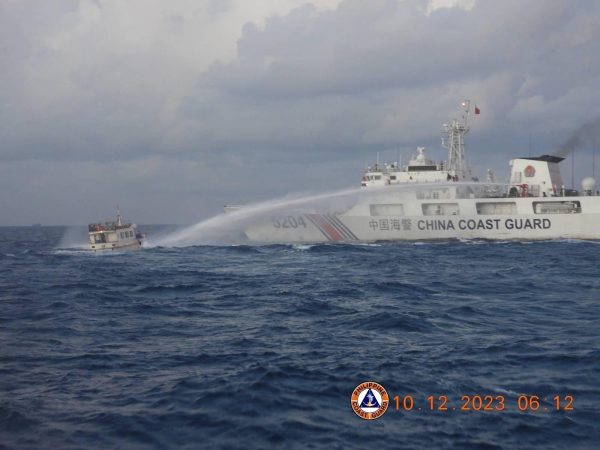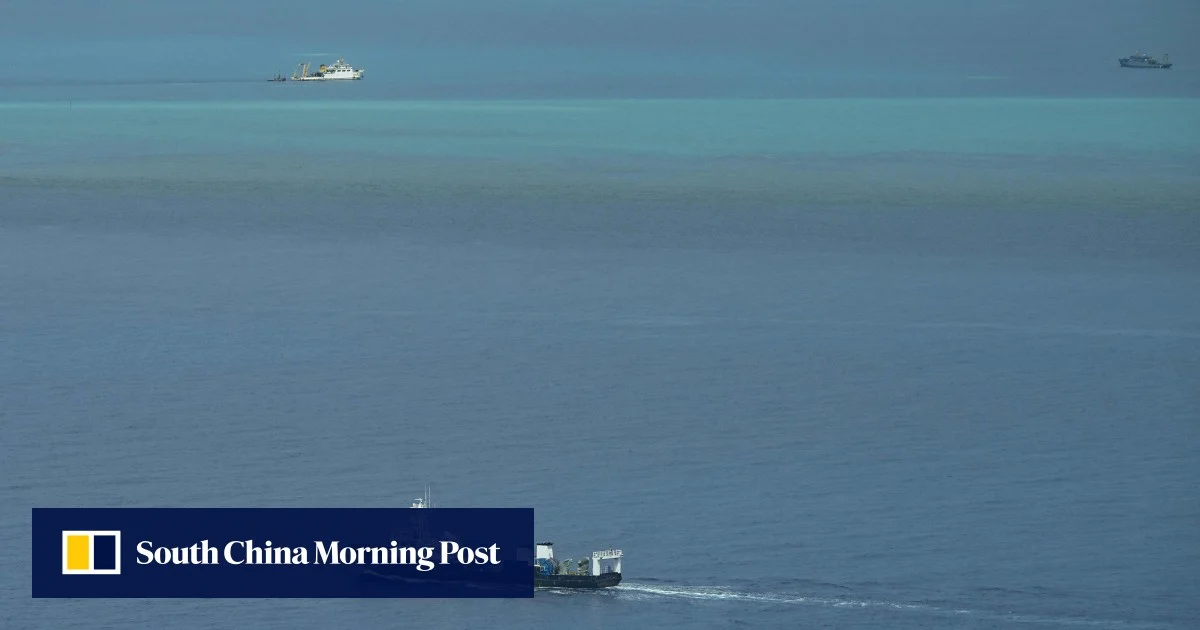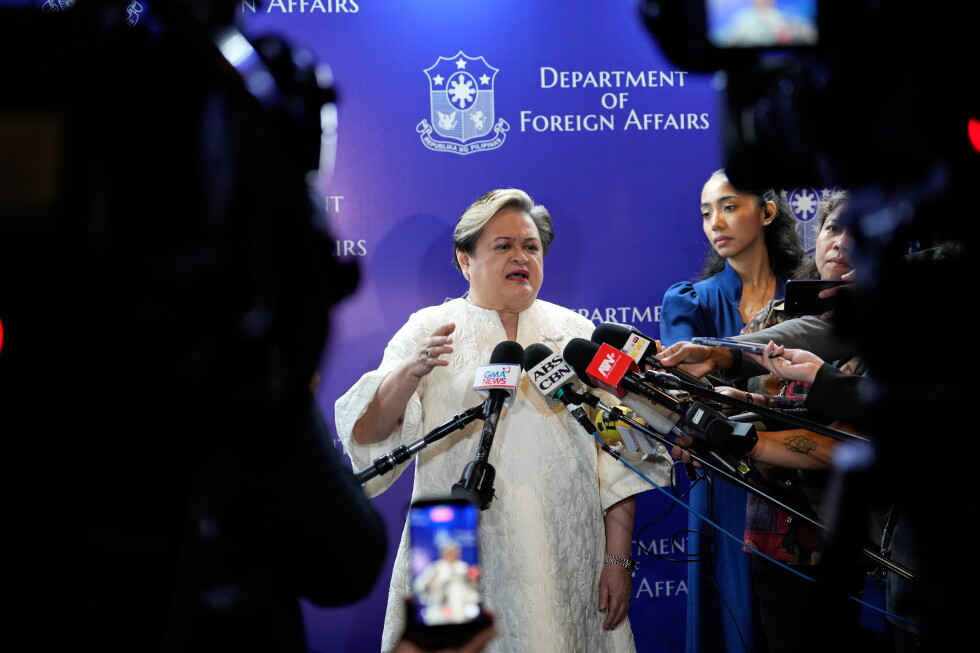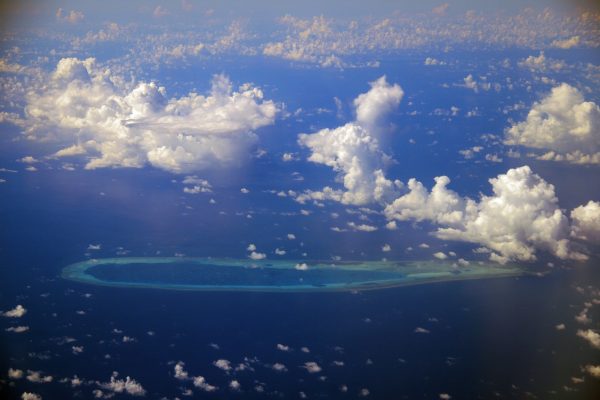
Ten years ago this month, the Permanent Court of Arbitration in The Hague rendered its decision in the case brought by the Philippines against China. The decision, which came down heavily in the Philippines’ favor, was one of the most important milestones in the South China Sea dispute because, among other things, the tribunal made it clear that Beijing’s expansive “nine dash line” was illegal under international law. But a decade on, the world’s geopolitical environment is very different from what it was in 2016. How will these changes impact the future of the South China Sea dispute?
There are at least three points on which the regional environment today differs from that of 2016. Those are the nature of U.S. leadership, Southeast Asia’s relationship with China, and the increased state of conflict across the world.
A decade ago, U.S. leadership seemed more predictable and stable. After the tribunal ruling, President Barack Obama expressed Washington’s support for the ruling and urged China to comply with it. Even though the U.S. is neither a party to the dispute nor a party to the United Nations Convention on the Law of the Sea (UNCLOS), it has always tried to position itself as the defender of the rule of law and freedom of navigation in the South China Sea.