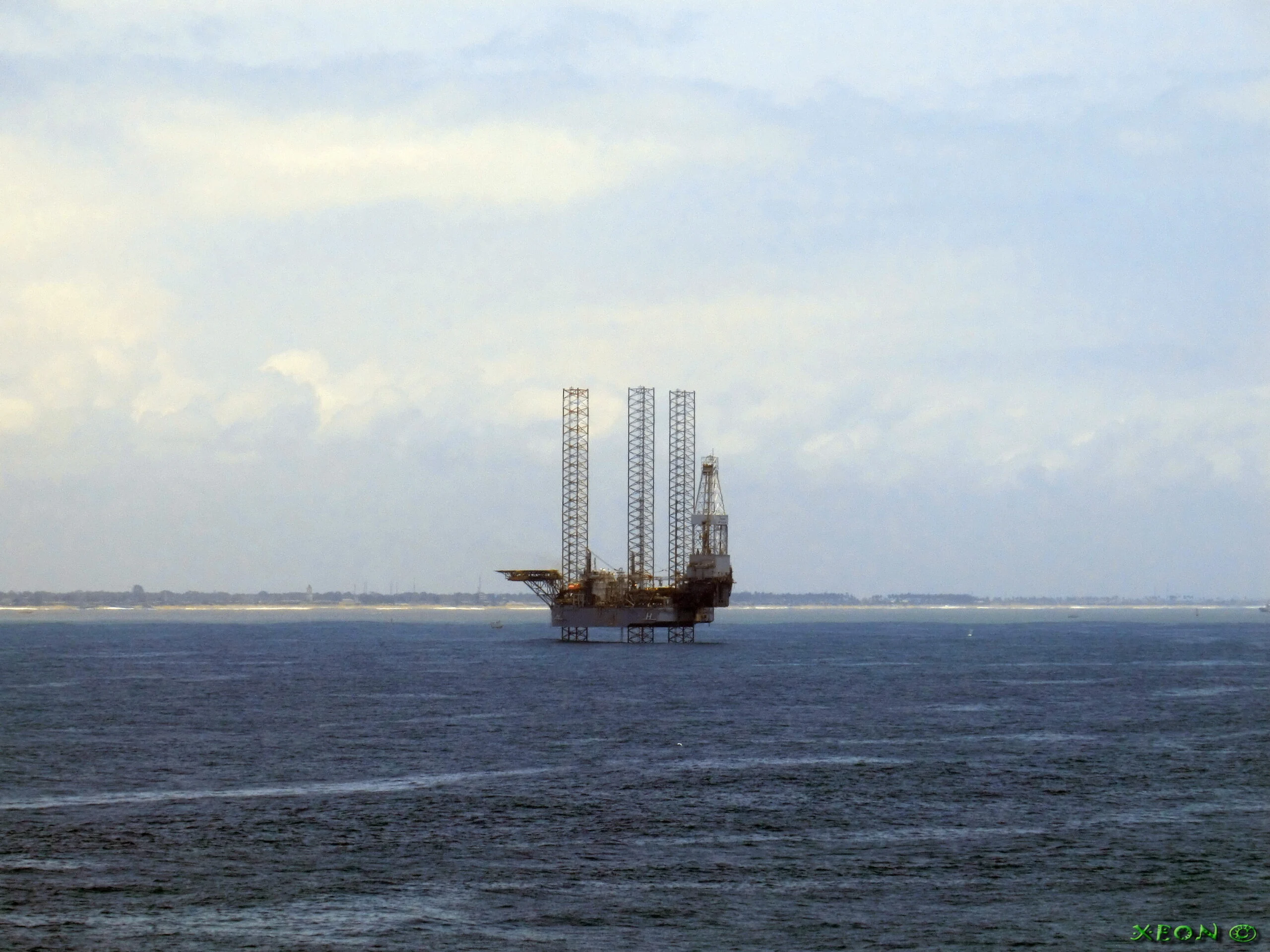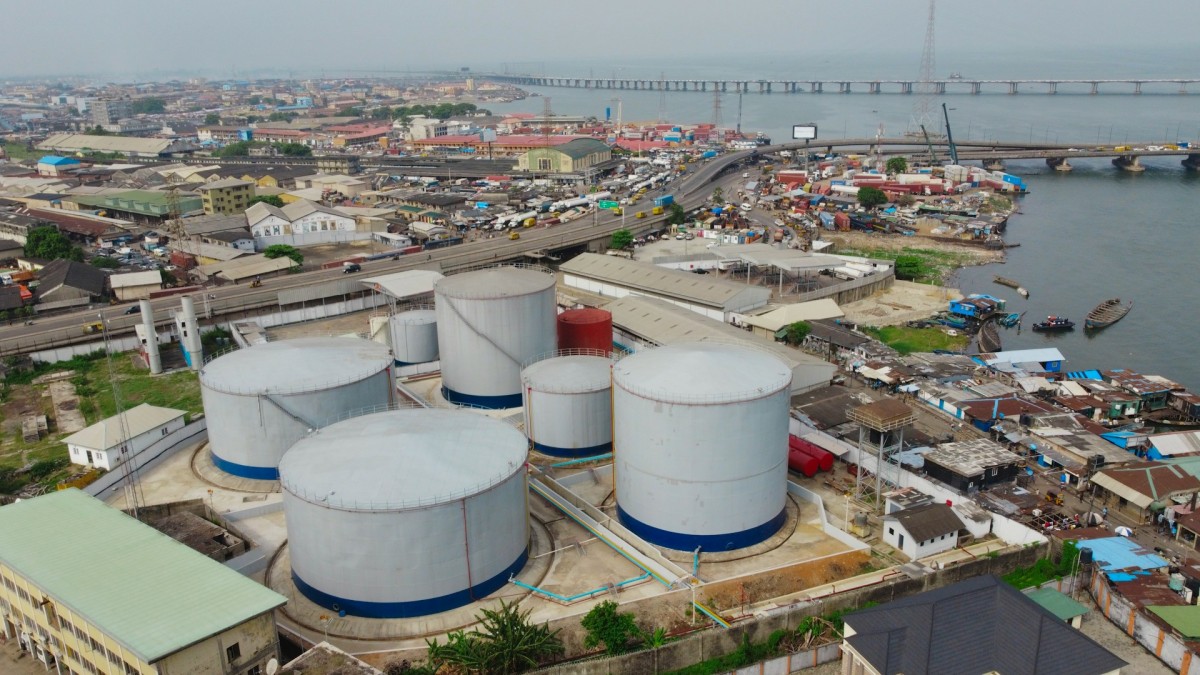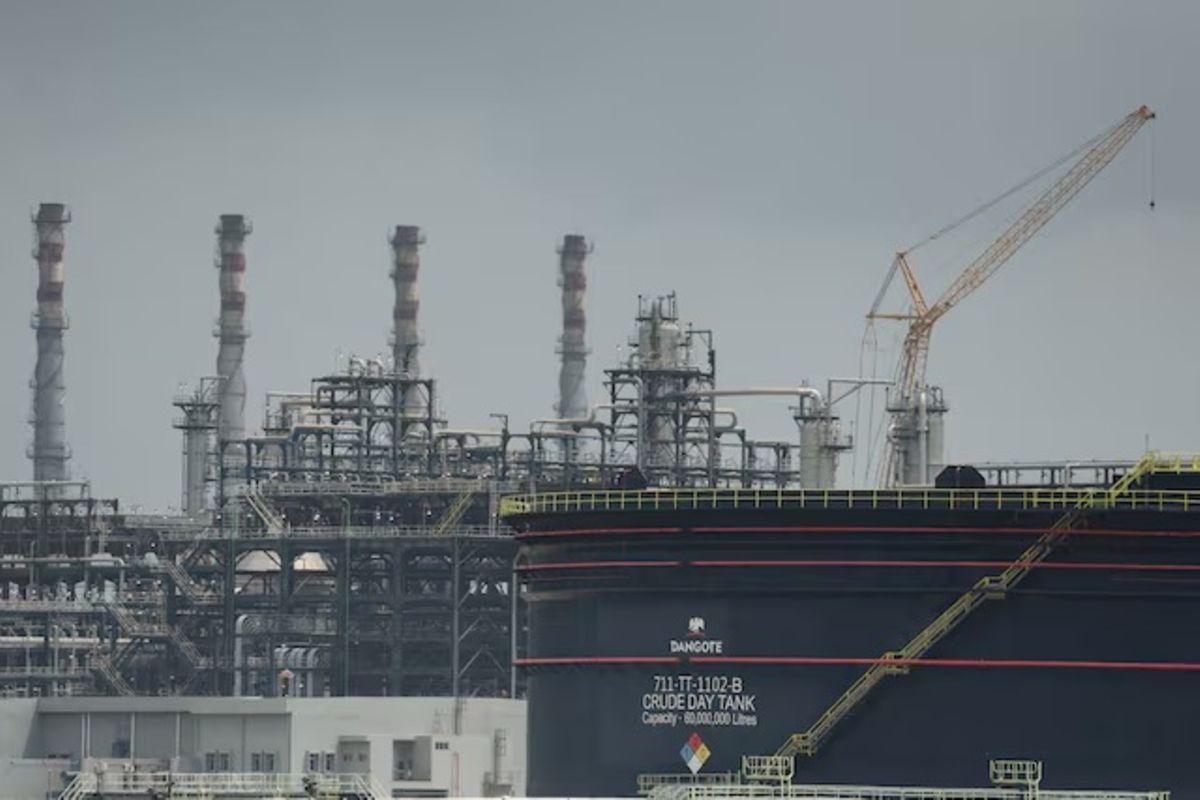
Nigeria’s slow rebound in crude oil production to around 1.66 million barrels per day is good news, but it should not be treated as a major victory. After years of painful decline caused by oil theft, pipeline attacks, the departure of foreign oil companies and policy confusion, the recovery simply means the Federal Government has started doing what it should never have abandoned. Any praise offered must be restrained and should come with conditions.
The gains reflect the effect of tighter security around oil facilities, better pipeline monitoring and the long-delayed implementation of aspects of the Petroleum Industry Act (PIA). These are necessary steps, but they are catch-up steps. Between 2005 and 2010, Nigeria regularly pumped around 2.2 million barrels per day, occasionally exceeding that figure. The country holds Africa’s largest oil reserves and has been in the petroleum business for decades.
A production level that still falls short of our OPEC quota and sits nearly 600,000 barrels below that earlier peak is not something to celebrate. It is a reminder of how much has been lost and how much work remains to be done.
The most pressing problem is the organised theft of crude oil, which has grown far beyond small-scale local stealing into a full industrial criminal enterprise involving foreign networks, compromised security officials and influential local players. Better surveillance and military presence alone will not solve this. What is needed is serious prosecution that targets the people running these operations, not just those caught at the bottom. Nigeria cannot talk seriously about oil sector reform while those responsible for large-scale theft continue to escape real consequences.