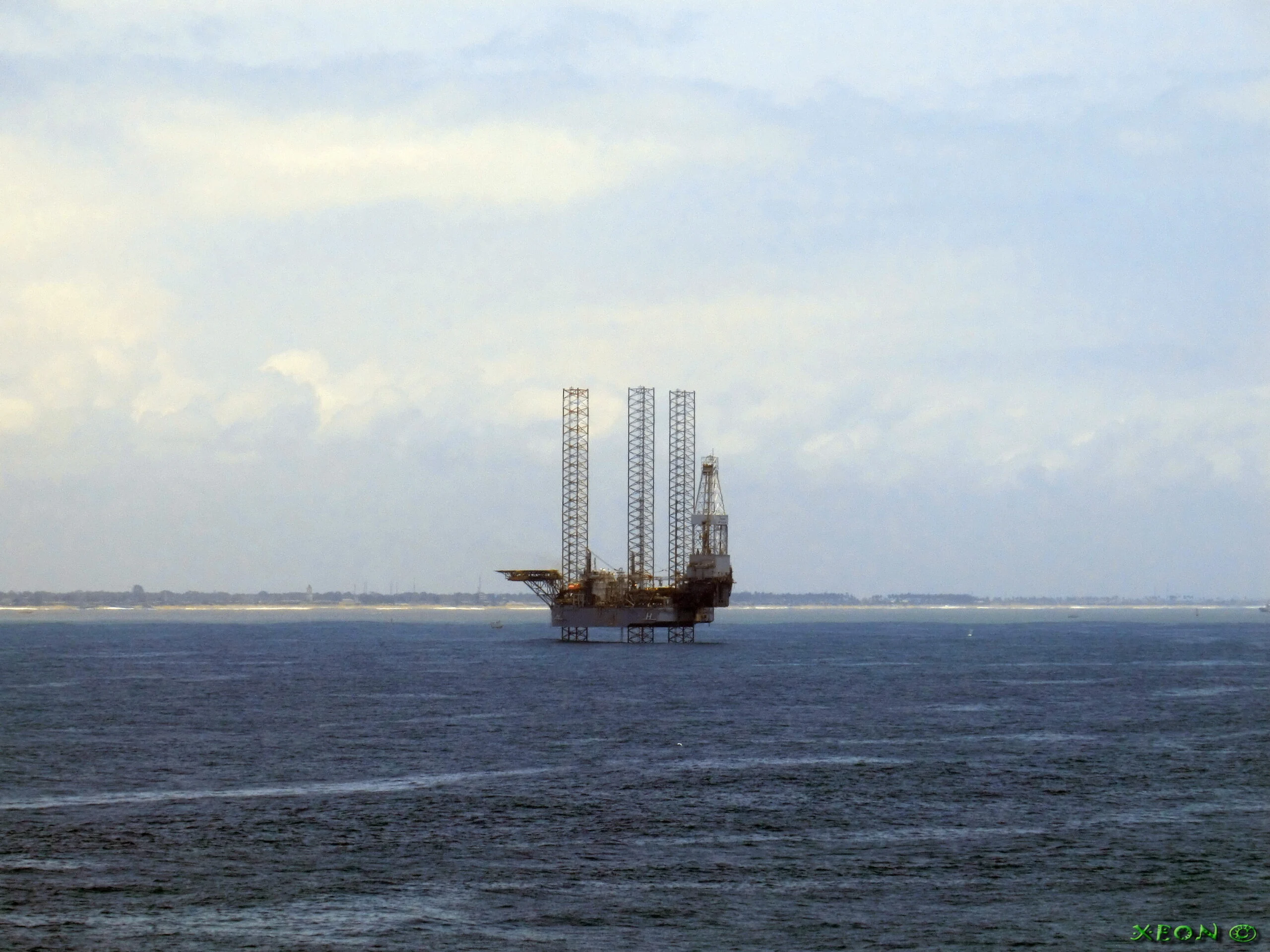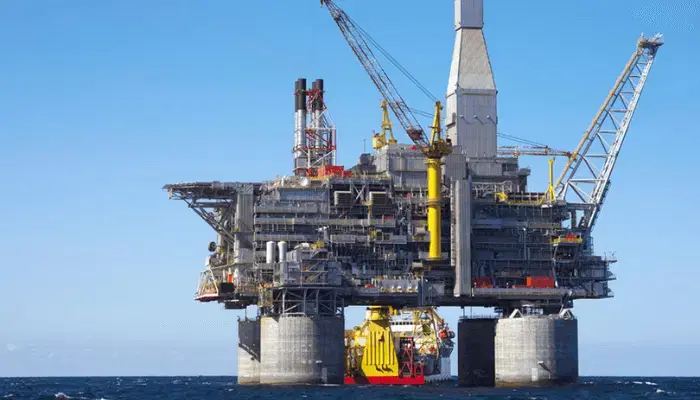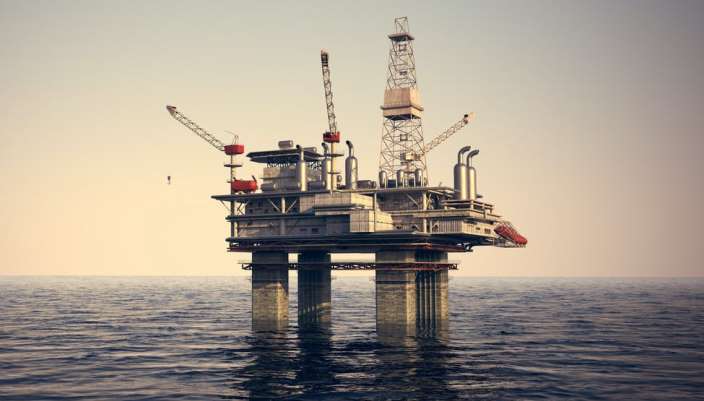
For an economy long dependent on oil revenues, Nigeria’s recent resurgence in drilling activity offers encouraging news. The active oil and gas rig count rose by 42 percent in May, increasing from 12 rigs in April to 17, while crude oil production exceeded the Organisation of Petroleum Exporting Countries’ quota of 1.5 million barrels per day for the first time in years.
This is more than another industry statistic. It signals renewed confidence in a sector that has endured years of underinvestment, insecurity, regulatory uncertainty and declining output. It also shows that when major constraints are addressed, Nigeria remains one of Africa’s most attractive energy destinations.
“Nigeria must also avoid measuring success solely by production volumes. Producing more crude is important, but capturing greater value from the sector is even more critical.”
The recovery reflects several positive developments. One is the progress made in tackling crude oil theft and pipeline vandalism in the Niger Delta. For years, these problems discouraged investment because operators could not guarantee that production would reach export terminals safely. Reduced disruptions along key infrastructure, including the Trans Niger Pipeline and the Nembe Creek Trunkline, have helped restore investor confidence. The lesson is clear: secure assets attract investment.