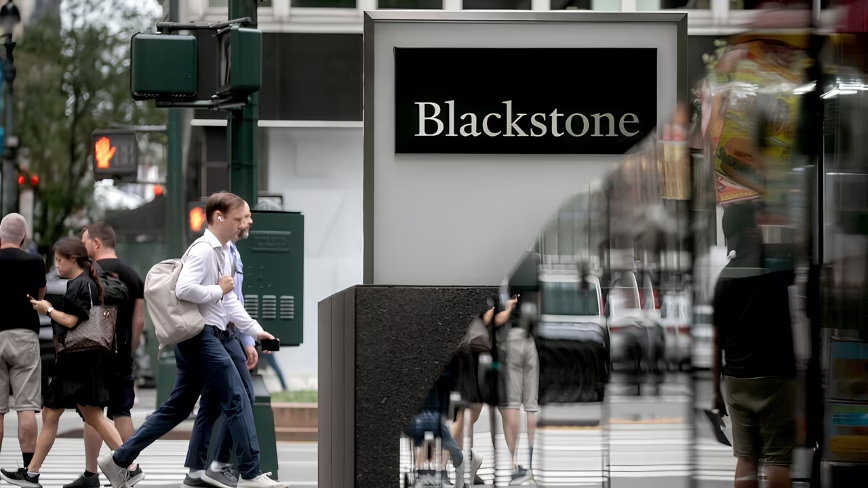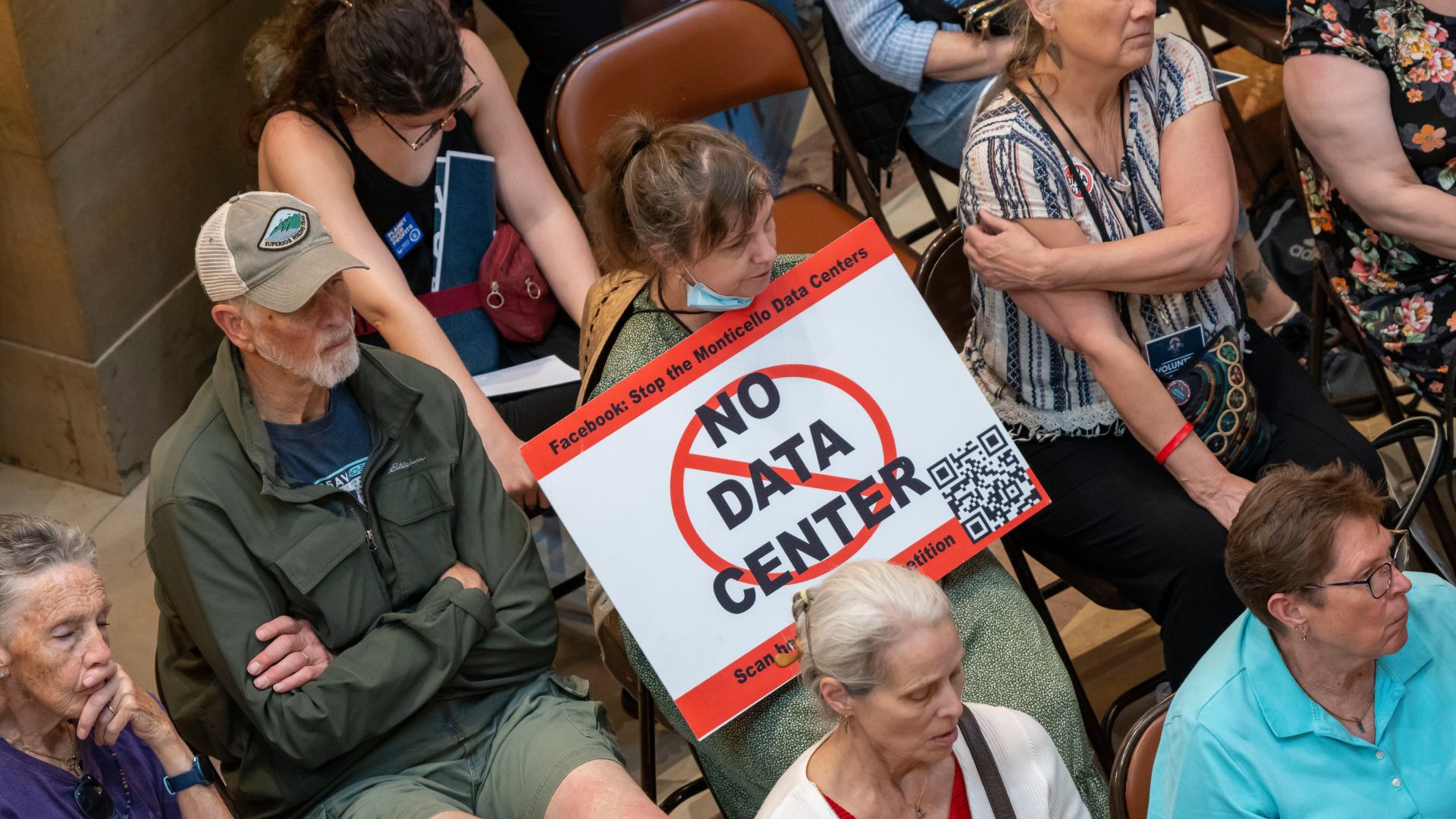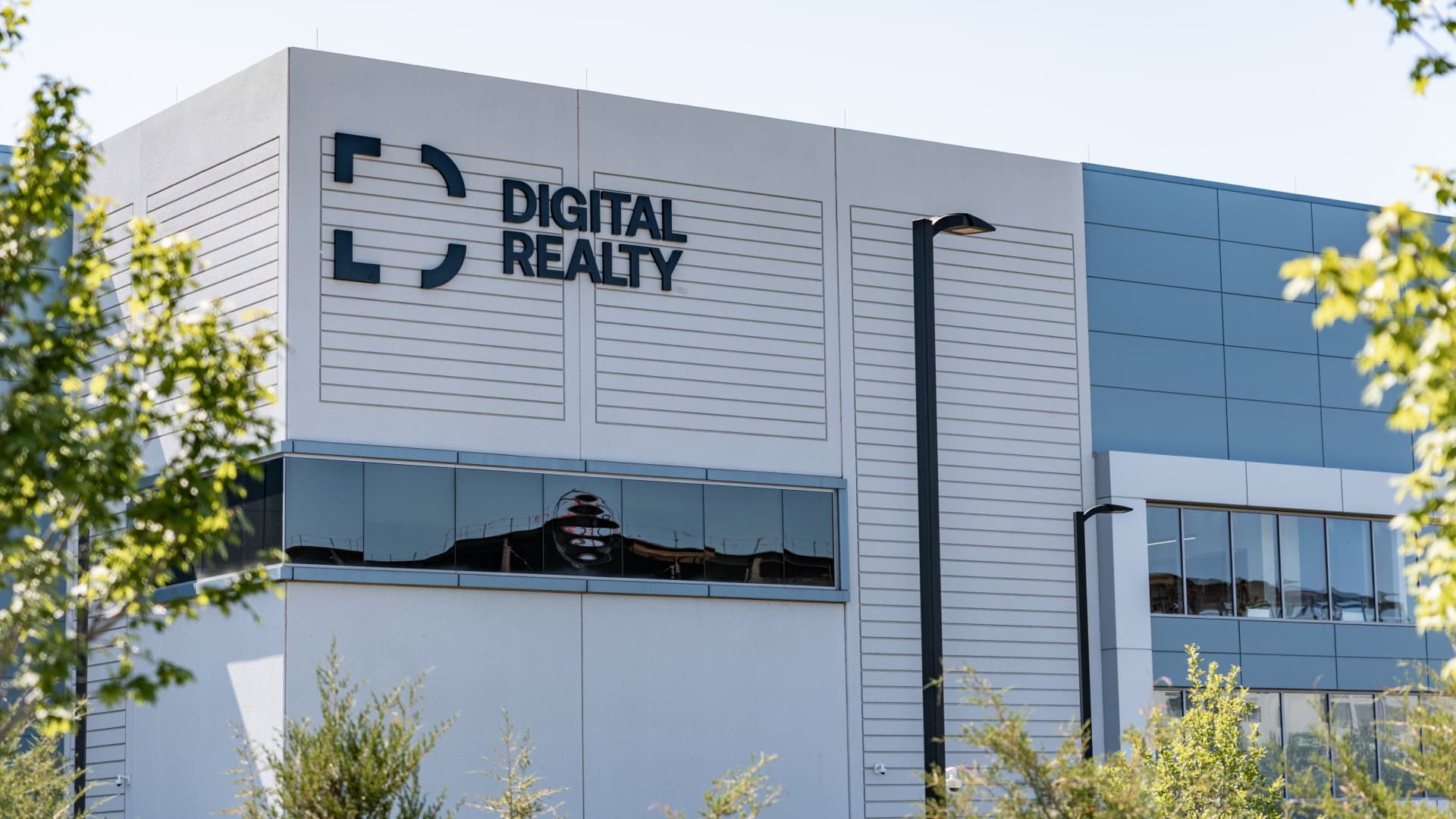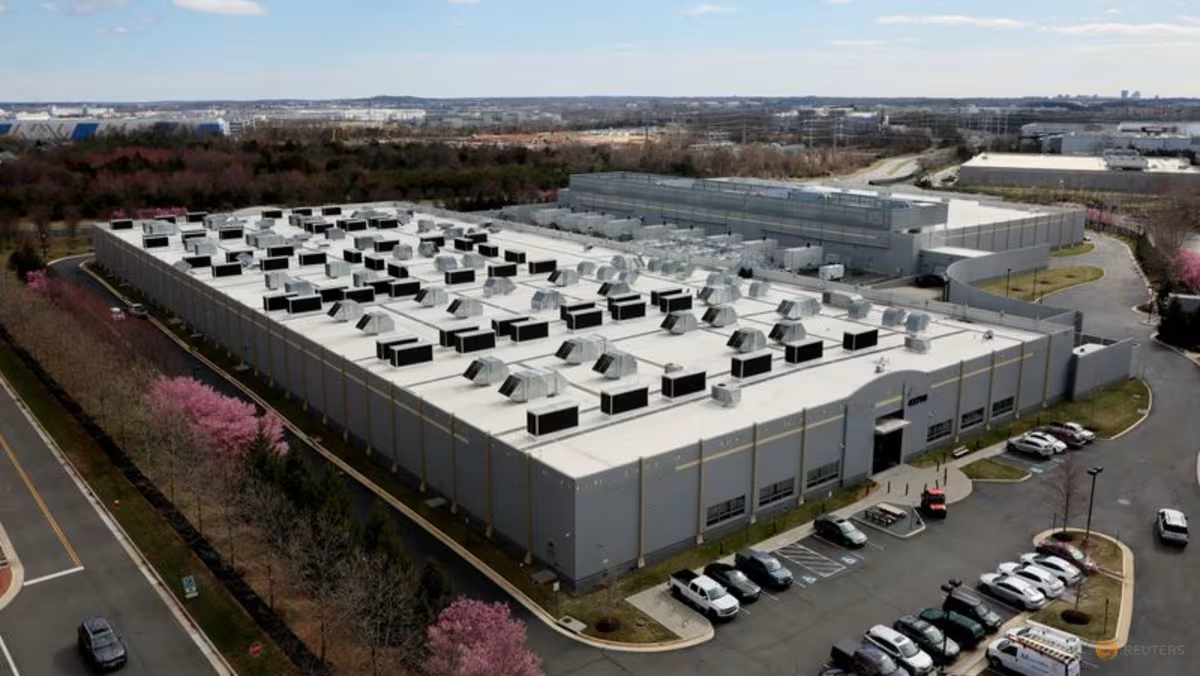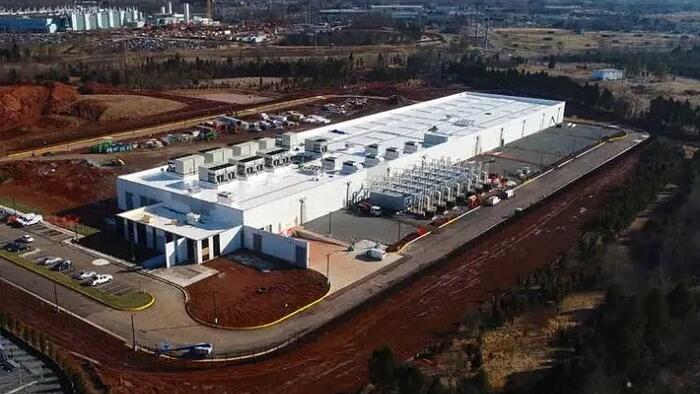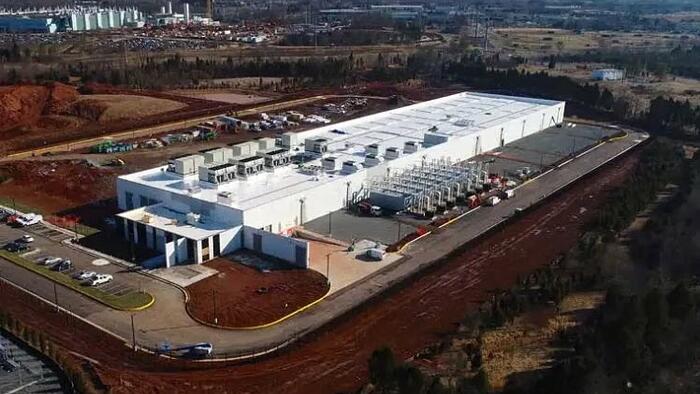
Up until now, when it comes to real estate, Blackstone was best known in recent years for dumping many of its trophy office properties - which in the aftermath of work from home never recovered their projected cash flow potential - at a huge discount. Now, it may be pulling a page from its old, pre-Lehman playbook by calling the top in yet another commercial real estate segment: data centers. Two days ago we reported that Blackstone was selling its stakes in a trio of data centers across Northern Virginia for $3.5 billion, cashing out of part of a bet it made less than three years ago. According to Bloomberg, Digital Realty Trust would pay $1.2 billion of cash and offer $2.3 billion of its shares (which the PE giant has largely cashed in by now) to Blackstone funds; in exchange, the data center company will acquire Blackstone’s 80% interest in two 96-megawatt data centers in Manassas, Virginia, and a 50% interest in a 96-megawatt center in nearby Sterling.We said that "the question is why did Blackstone decide to pull the cord now, just as fresh doubts are creeping whether the Mag 7s will continue funding the AI expansion with virtually unlimited capex."Two days later we have an answer. The digital ink is barely dry on its Virginia data center sales, and we learn that Blackstone’s QTS (QTS Realty Trust) is again quietly fading its AI exposure by walking away from plans to build its portion (which at this point is the only portion left after its partner already pulled out days ago) of a 2,100-acre data center campus in Virginia - also known as Prince William Digital Gateway which would house as many as 37 data-center buildings - handing a win to residents who fought for years to topple the project. QTS's proposed facility at 9400 Godwin Drive in ManassasThe data center developer had planned to transform more than 800 acres in Northern Virginia’s Prince William County, a project that would have spanned 22 million square feet, making it the largest data center campus in the world. Located on the edge of an historic Civil War battlefield and on what used to be land protected from development, the project ignited strong pushback from homeowners and has been stalled by lawsuits.As part of Wall Street’s broader push into data centers, investment has poured into Northern Virginia, which is considered the country’s largest data center market, and is better known as "Data Center Alley" But in a strategic U-turn, in recent days QTS executives decided that it isn’t worth pressing forward in court, the Bloomberg sources said. The firm’s attorneys plan to inform the court of their decision as soon as this week, the people said, asking not to be named discussing non-public information.QTS’s rapid growth has made it a poster child of how private equity has fueled the data center industry’s breakneck expansion. Those ambitions are colliding with public anxiety over strains to electricity grids and home prices from AI data centers.The retreat may be the final blow to Virginia’s “Digital Gateway” project, a mega site roughly twice the size of New York’s Central Park with city-sized power needs. The initiative was supposed to bring in some $100 billion in spending and create one of the world’s largest technology corridors. Not any more. The project had sparked contentious, drawn-out public hearings. A clerical blunder related to a key zoning meeting created setbacks for developers. Already, Brookfield-backed Compass Datacenters, which was supposed to build on more than 800 acres at the site, had pulled out in May. The U-turns by both firms, Bloomberg writes, amount to one of the most dramatic retreats by developers from a data center project. It’s a reminder of how tech firms’ race for the computing infrastructure to support AI advances is increasingly facing the same bottlenecks, from power shortages to supply crunches, we have been warning about for the past two years and which Citadel Securities warned about just yesterday.Organized opposition is mounting, forcing firms and developers to be more deliberate about where they choose to build. This is precisely what we warned one year ago would happen as more grassroots organizations pushed back against the relentless data center rollout. At least we haven't gotten to the arson stage (yet).between exploding electricity bills and lack of jobs for grads, a new luddite revolution is coming - they will be burning down data centers within a year
World's Largest Data Center Project On Verge Of Collapse After Blackstone Unexpectedly Pulls Out
The U-turns amounts to one of the most dramatic retreats by developers from a data center project.
1,546 words~7 min read