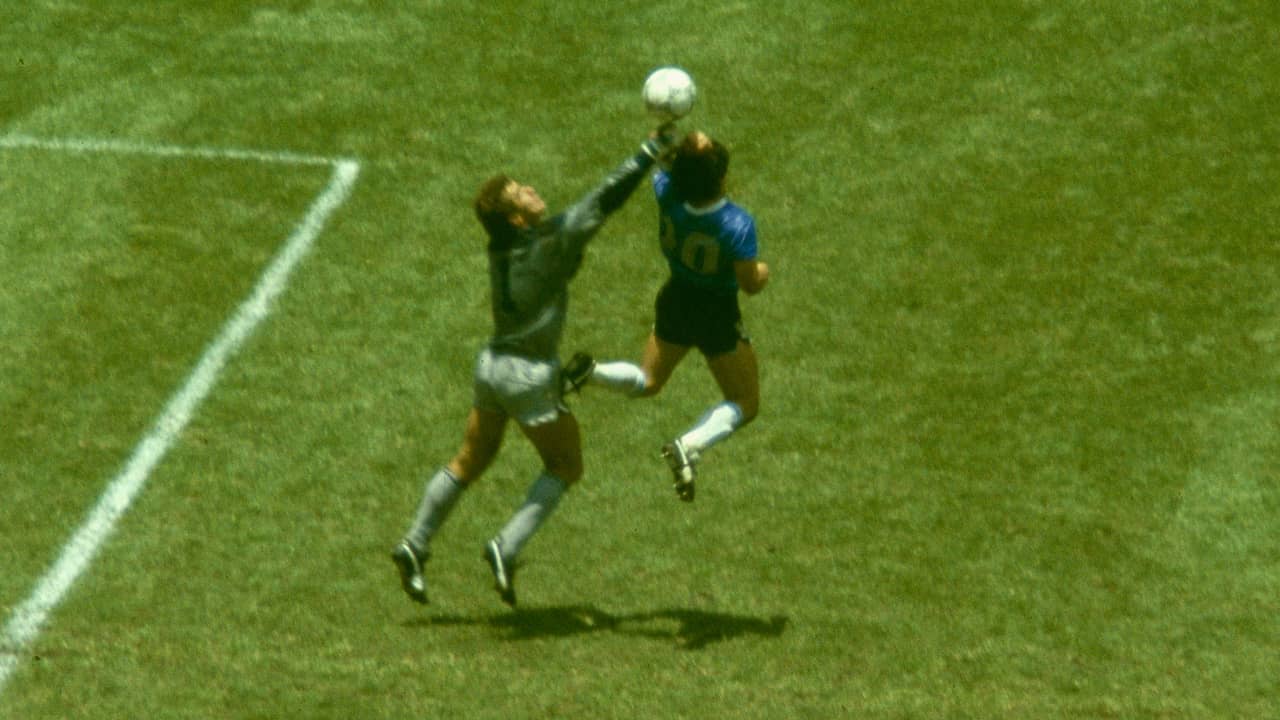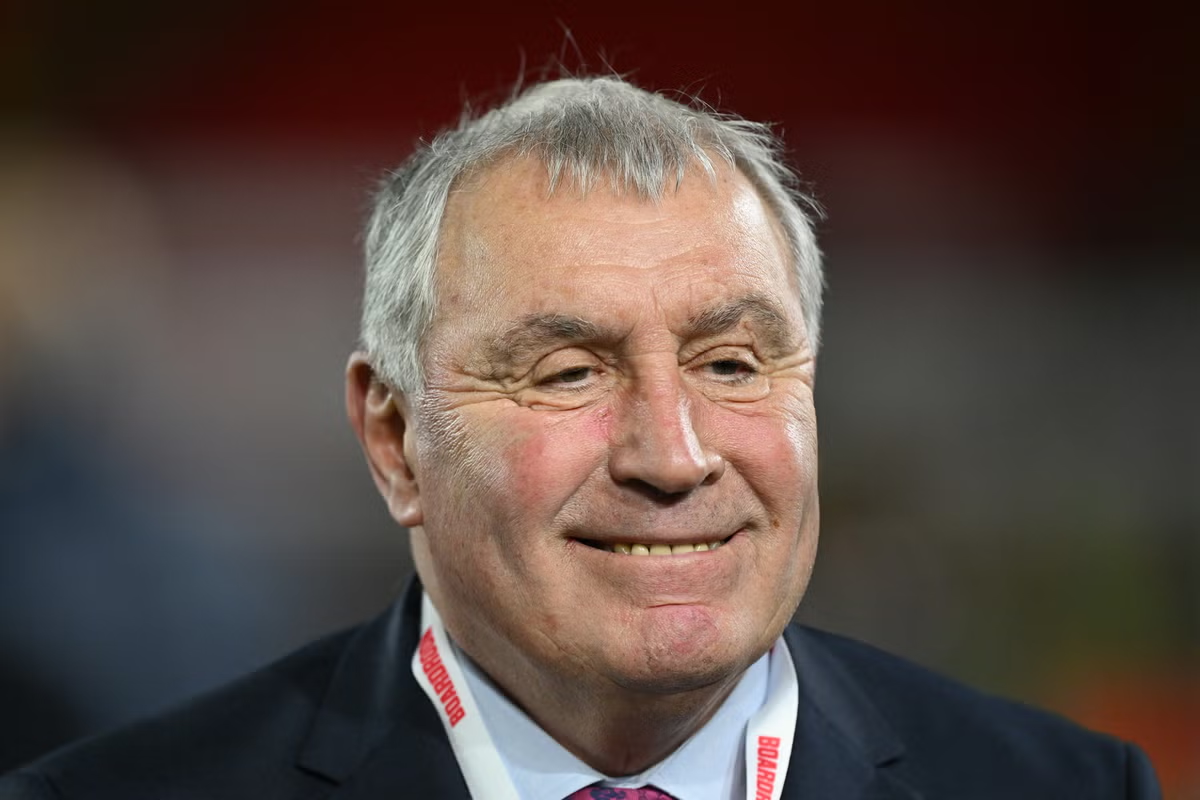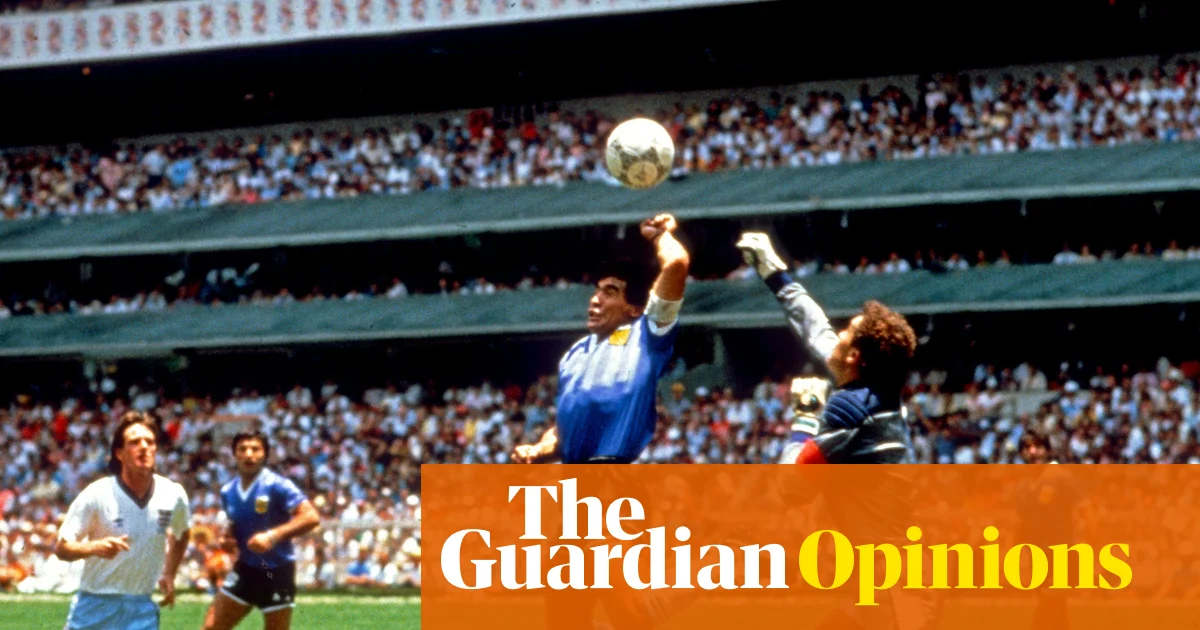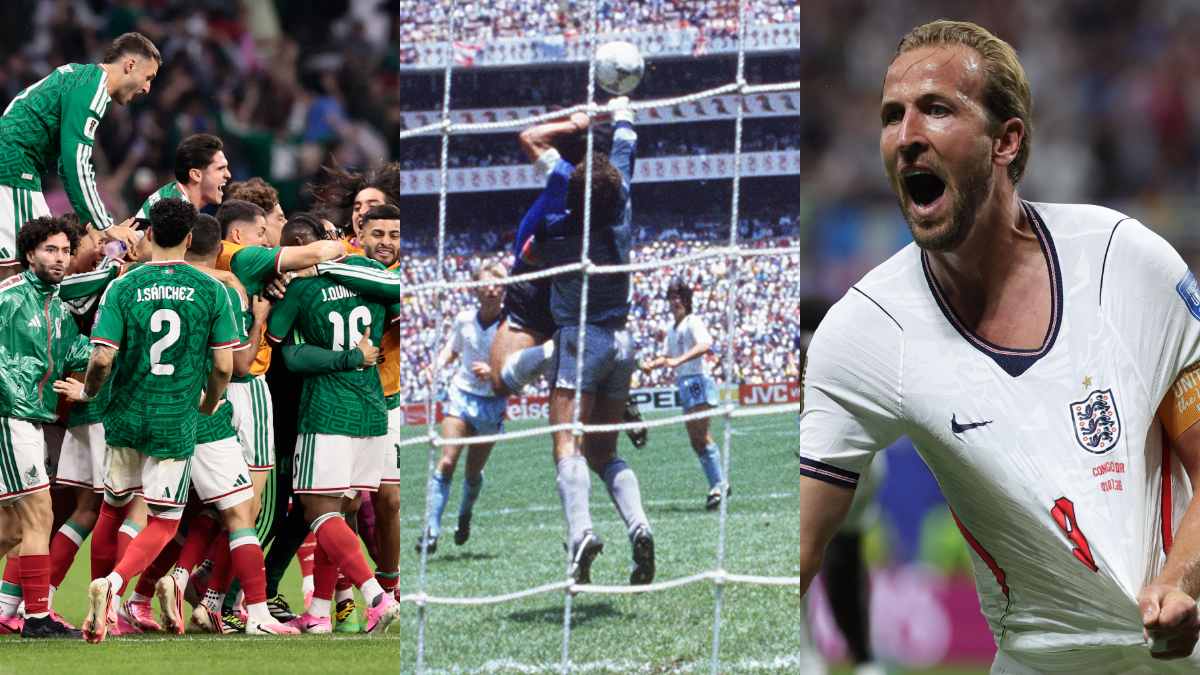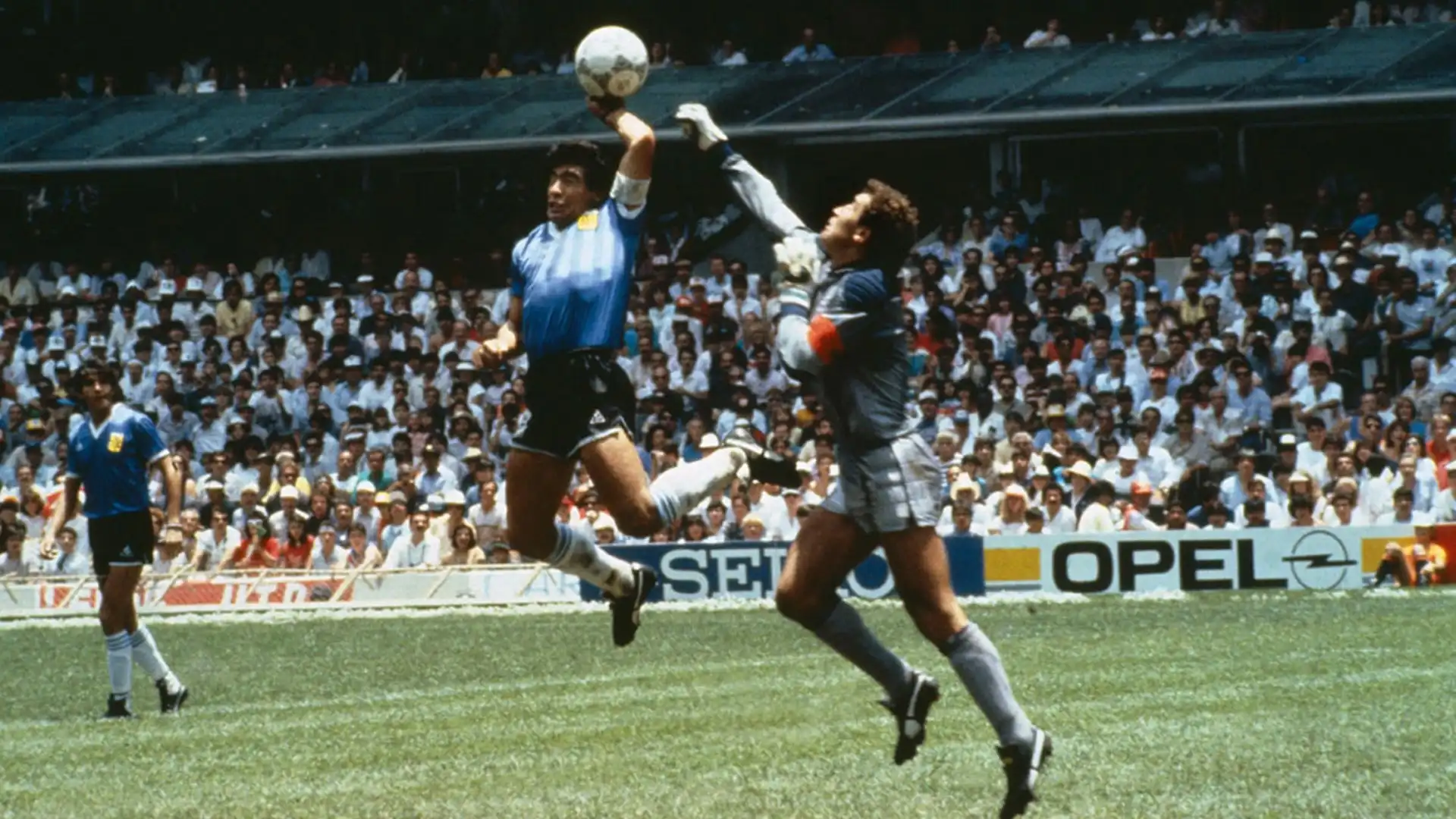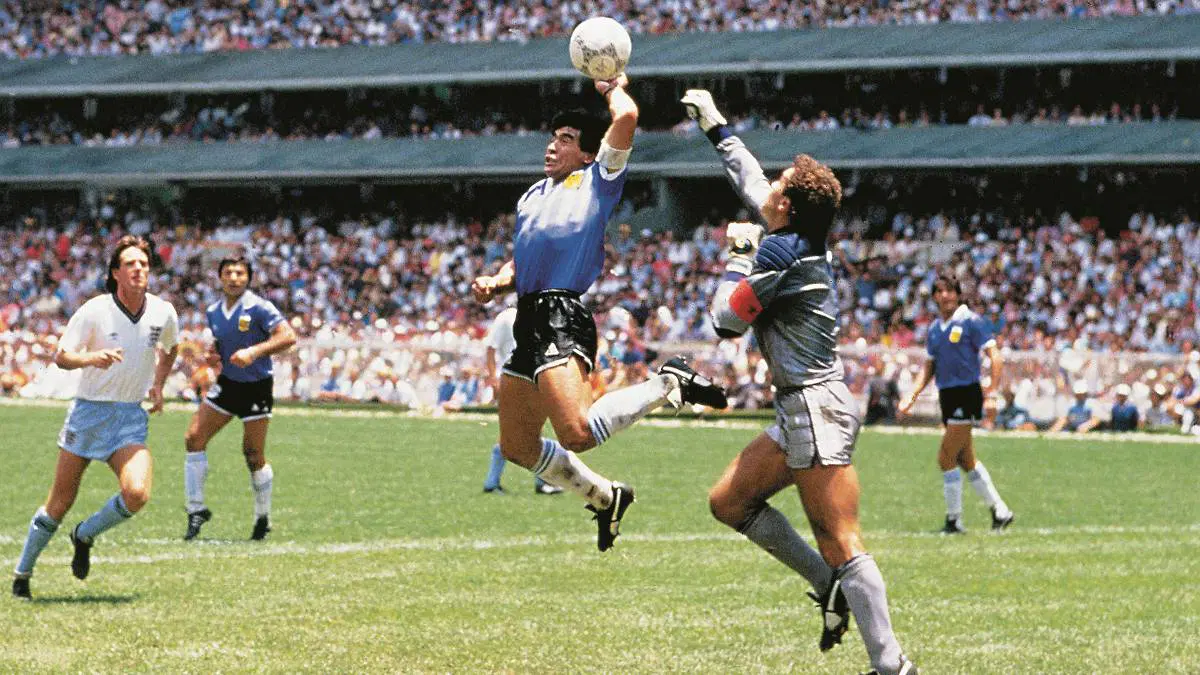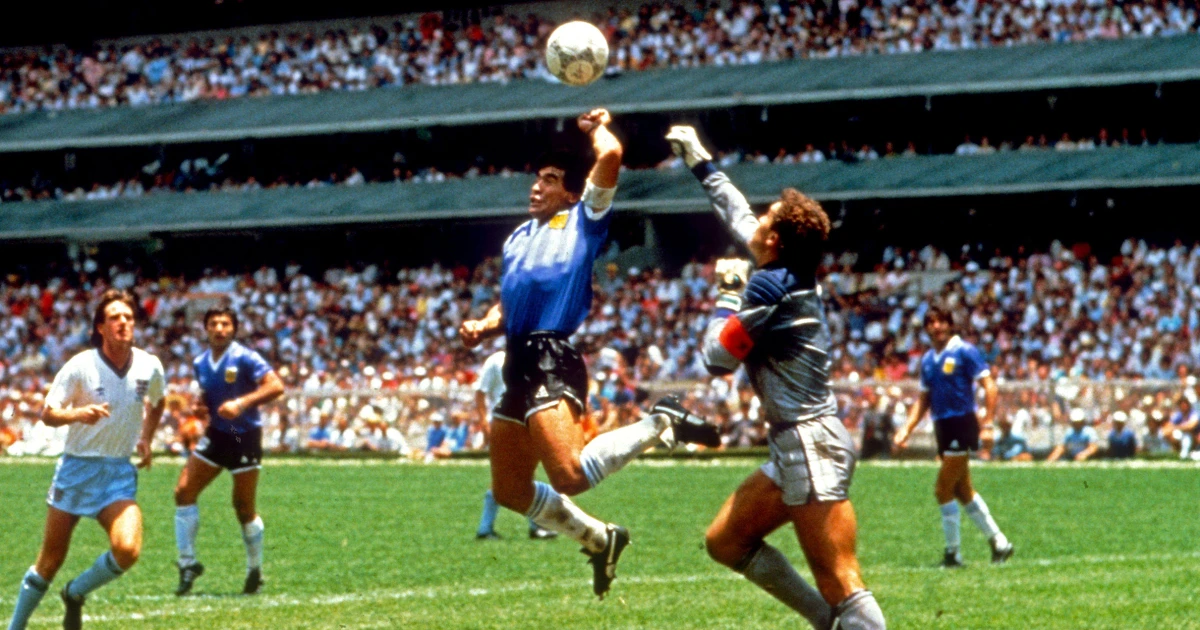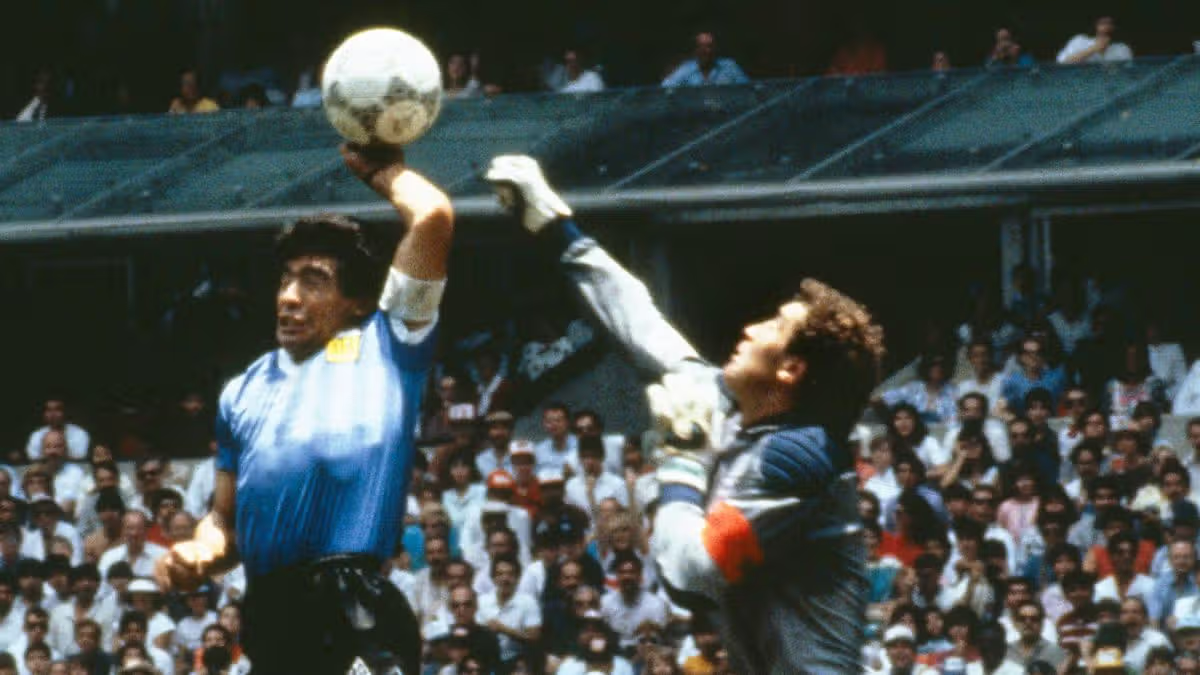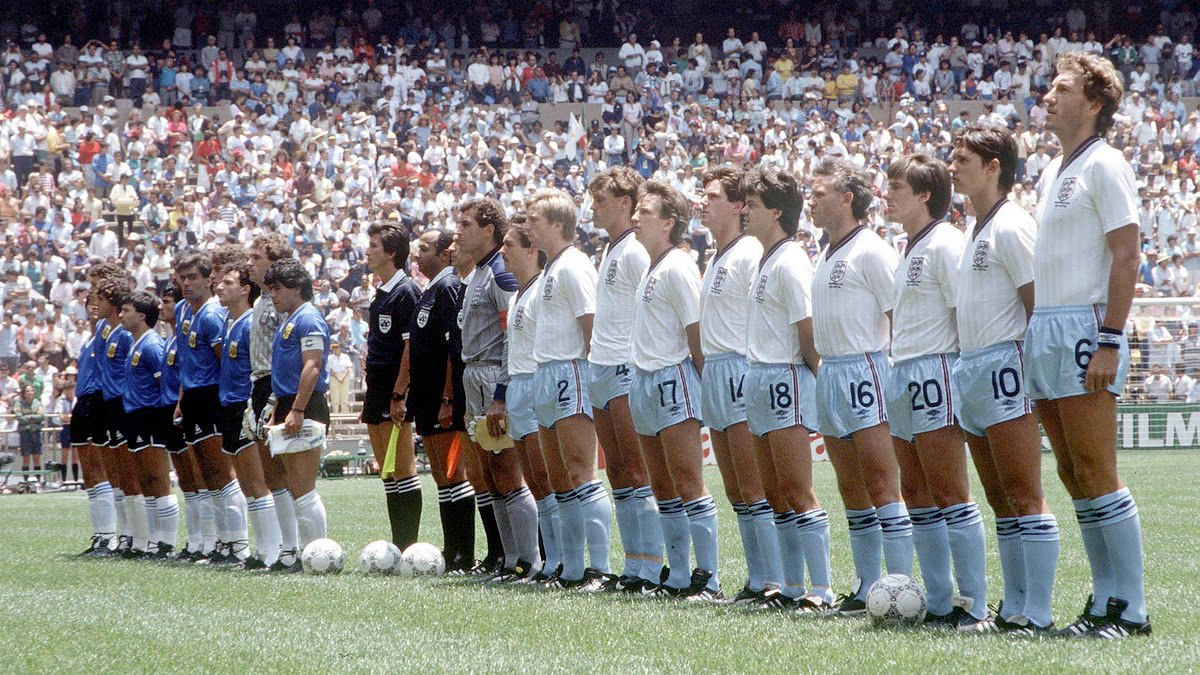
Almost 40 years to the day, the Azteca Stadium played host to one of the most infamous moments in the history of world sport.Argentina's Diego Maradona scored his 'Hand of God' goal during a World Cup quarter-final when he punched the ball into England's net on June 22, 1986.Four minutes later, Maradona weaved through England's team and past goalkeeper Peter Shilton for what Fifa later described as the greatest ever World Cup goal.The match which Argentina won 2-1 after a consolation goal from Gary Lineker was the last time England played at the 80,824-seater stadium in Mexico City.Now, they will be returning on Sunday to take on 2026 co-hosts Mexico in a last-16 match which kicks off at 6pm local time - or 1am Monday morning in the UK.The England first team managed by Bobby Robson in the 1986 game was packed with stars from Glenn Hoddle to Peter Beardsley. But where are the 11 players now? Argentina and England before the iconic 1986 World Cup quarter-final at the Azteca StadiumPeter ShiltonLegendary goalkeeper Peter Shilton, who is now aged 76, holds the England men's team appearance record with 125 caps between 1970 and 1990.He played in the World Cups of 1982, 1986 and 1990 during a 31-year career which also saw him appear at club level for Leicester City and Nottingham Forest.Other clubs Leicester-born Shilton turned out for included Southampton, Stoke City, Derby County, Plymouth Argyle, Bolton Wanderers and Leyton Orient.Shilton, who lives on Mersea Island in Essex, had a serious betting problem and lost more than £1million on horse racing over 45 years before quitting in 2015.By May 2024 he had been honoured by Prince William with a CBE at Windsor Castle for his services to football and the prevention of gambling harm.Earlier this year he launched a charity called 'Shiltons' Silverlining' to help gamblers rehabilitate themselves and manage their debts, and offer prevention work.Shilton - who is married to Steph, an addiction counsellor - also competed in the BBC's Strictly Come Dancing in 2010 and works on the after-dinner speaking circuit. Peter Shilton during the World Cup 1986 match (left) and wife his wife Steph in 2024 (right)Gary M. StevensFollowing the 1986 Argentina defeat, England's right-back Gary Stevens went on to play at Euro 1988 and World Cup 1990 – before missing Euro 1992 through injury.He earned 46 caps for England without ever scoring a goal, but scored 18 across more than 500 appearances for three clubs – Everton, Rangers and Tranmere Rovers.Stevens had his biggest success at Everton – where he was voted the club's best-ever right-back – in the 1980s as they won the league twice and the FA Cup once.After retiring from football, the Lancashire-born player graduated from the University of Salford in physiotherapy before working for Bolton Wanderers and Chester City.Stevens – who was known as Gary M. Stevens to distinguish him from the Tottenham player Gary A. Stevens - moved to Australia to work as a physiotherapist in 2011.Gary Stevens is pictured in an England shirt in 1988 (left) and at Goodison Park in 2019 (right)Terry FenwickEngland defender Terry Fenwick still holds the record for the most yellow cards in a single World Cup – three, which he achieved during the 1986 tournament.Fenwick, who made 20 appearances for the national side without scoring, was one of the players Maradona famously dribbled past for his 'Goal of the Century'.The Seaham-born footballer also appeared 455 times for Crystal Palace, Queens Park Rangers, Tottenham Hotspur, Leicester City and Swindon Town.After retiring he went on to manage teams including Portsmouth and Northampton Town – and later had a stint in charge of the Trinidad and Tobago national side.Terry Fenwick before the match in 1988 (left) and becoming Northampton boss in 2003 (right)Terry ButcherTerry Butcher won 77 caps for England as a defender and played in three World Cups across a ten-year career, captaining his country to the semi-finals of Italia 90.Singapore-born Butcher played the majority of his domestic career for Ipswich Town and Rangers while also turning out for Coventry City and Sunderland.He also had a long managerial career as he took charge of Coventry, Sunderland, Motherwell, Sydney FC, Brentford, Inverness CT, Hibernian and Newport County.Butcher will always be remembered for his blood-stained shirt during a World Cup qualifier against Sweden in 1989 after he cut his forehead during the game.He is now a patron of veterans' mental health charity Combat2Coffee, after his army officer son died while suffering from PTSD following tours in Iraq and Afghanistan. Terry Butcher in a blood-stained shirt in Sweden in 1989 (left) and in London last month (right)Kenny SansomKenny Sansom began his career with Crystal Palace and helped them win the Second Division in 1979, before joining Arsenal in 1980 where he won the League Cup.He also played for Newcastle, QPR, Coventry, Everton, Brentford and Watford and appeared at the 1982 and 1986 World Cups, winning 86 England caps.Sansom retired in 1994 but he struggled to beat alcoholism and a gambling addiction, admitting that he contemplated suicide after becoming homeless.He would gamble his £622 Professional Footballers' Association monthly pension before drinking himself to sleep, often in parks around Bromley in south-east London.Sansom's family revealed in December 2020 that he had been diagnosed with Wernicke-Korsakoff syndrome, a type of brain disorder and form of dementia.Kenny Sansom in an England shirt in 1982 (left) and on ITV's This Morning in 2016 (right) Trevor StevenEngland midfielder Trevor Steven earned 36 caps for the national team and also enjoyed a long career playing for Burnley, Everton, Rangers and Marseille.Trophies he won include an FA Cup, UEFA Cup Winner's Cup, seven Scottish Premier Division and three Scottish League Cup titles as well as French Ligue 1.Steven played in the World Cups of 1986 and 1990 as well as the 1988 and 1992 Euros - before moving into media punditry for the BBC and RTE in Ireland.He is now the chief executive of a charity called Mindflow, which champions mental health and seeks positive change in the construction industry through football.Trevor Steven wearing his England shirt in 1988 (left) and attending an event in 2010 (right)Glenn HoddleGlenn Hoddle is seen as one of the most talented players to represent England in recent decades, winning 53 caps for his country between 1979 and 1988.He played the bulk of his domestic career for Tottenham Hotspur between 1975 and 1987, and also appeared for Monaco, Swindon Town and Chelsea.As manager of England, Hoddle took his country to the 1998 World Cup finals in France - qualifying on the back of a memorable 0-0 draw to Italy in Rome.But his England managerial career ended in 1999 when he was sacked after suggesting disabled people were being punished for sins in a former life.He later moved into punditry but in 2018 collapsed at the BT Sport studios following a cardiac arrest and was admitted to hospital before recovering at home.Hoddle - who also managed Tottenham, Chelsea and Southampton - has since become a vocal ambassador for the British Heart Foundation.Glenn Hoddle leads England to France 98 (left) and works as a pundit in March (right)Peter Reid Peter Reid had a relatively short England career compared to his teammates, winning 13 caps - and was another one of those left behind by Maradona for his second goal.A two-time league winner with Everton, Reid also appeared for Bolton Wanderers, Queens Park Rangers, Manchester City, Southampton and Notts County.He also had an extensive managerial career with Sunderland, Leeds United, Coventry City, Plymouth Argyle and England U21s – as well as the Thailand national team.Reid has worked as a football pundit for broadcasters such as the BBC, Sky Sports and ESPN - and can also be found on the after-dinner speaking circuit.Peter Reid at the 1986 World Cup (left) and at the PFA Awards in Manchester in 2023 (right)Steve HodgeEngland midfielder Steve Hodge is perhaps most famous for swapping his shirt with Maradona at the end of the match – and it later sold for £7.1million at auction.Hodge had a two-decade career with a series of clubs including Nottingham Forest, Aston Villa, Tottenham Hotspur, Leeds United and Queens Park Rangers.He earned 24 caps for England and went into football punditry, often appearing nowadays on the BBC Radio Nottingham show Shut Up and Show More Football.Steve Hodge during World Cup 1986 (left) and with Diego Maradona's shirt in 1997 (right)Peter BeardsleyPeter Beardsley, once the most expensive footballer in England, played 59 times for his country including at the World Cups in 1986 and 1990, scoring nine goals.He also had a hugely successful club career for teams including Newcastle United, Liverpool and Everton - making 735 domestic appearances and scoring 239 goals.But in 2019 he was given a 32-week suspension from all football-related activity after being found guilty of making racist comments while Newcastle’s Under-23s coach.After stepping down from full-time coaching, Beardsley now works as a football speaker, making public appearances and taking part in meet and greet events.Peter Beardsley in action in 1988 (left) and managing Newcastle's youth team in 2017 (right)Gary LinekerPerhaps the best known member of the England team, Gary Lineker became a football pundit and spent 26 years as the BBC's Match of the Day host.He stepped down in May 2025 after criticism over him airing his political opinions on social media and a row over an Instagram post he made about Zionism.The former Barcelona striker, who never received a yellow card during his career, had joined the programme after starting out as a BBC Radio Five Live presenter.He is the co-founder of Goalhanger Podcasts which makes The Rest Is History series and its hugely popular spin-offs about politics, football, entertainment and money.Lineker, 65, scored 48 goals across 80 appearances for England and played domestically in England for Leicester City, Everton and Tottenham Hotspur.Lineker won the Golden Boot at the 1986 World Cup, scoring six of England's seven goals in Mexico - and becoming the first English player to win the award. Gary Lineker at the 1986 World Cup (left) and presenting for BBC Sport in 2021 (right)
What happened to England's 1986 World Cup squad?
Argentina's Diego Maradona scored his 'Hand of God' goal during a World Cup quarter-final when he punched the ball into England's net on June 22, 1986 at the Azteca Stadium in Mexico City.
1,674 words~8 min read