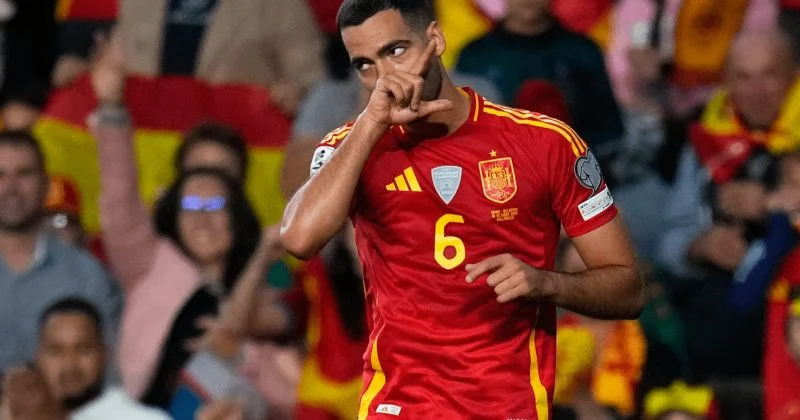
Mikel Oyarzabal has four goals in four World Cup matches. A Solana-based memecoin bearing his name has two holders. If you needed a single data point to understand the state of sports-linked crypto assets in 2026, that contrast pretty much covers it.
The Spanish forward has been the standout performer of Spain’s 2026 FIFA World Cup campaign, capping his run with a brace in a 3-0 demolition of Austria on July 2 that sent his team into the knockout rounds.
The promise vs. the reality of sports tokens
Oyarzabal exists in the Sorare ecosystem. His Sorare collectible cards have historically traded in the hundreds of dollars, and a Panini LaLiga Select NFT card featuring the forward sits on blockchain infrastructure. These aren’t nothing. But they’re also not the liquid, dynamically priced assets that early sports-NFT evangelists envisioned.
When a player scores four goals in four World Cup games and his associated memecoin trades at approximately $0.0000021, the feedback loop between athletic achievement and token appreciation is, to put it gently, broken.