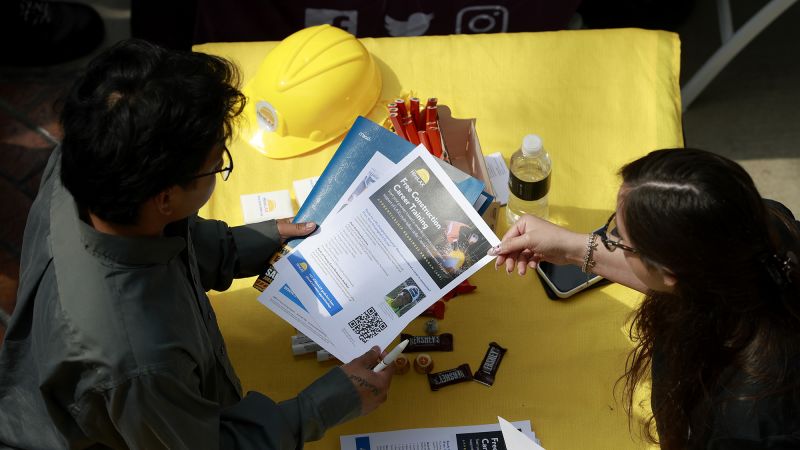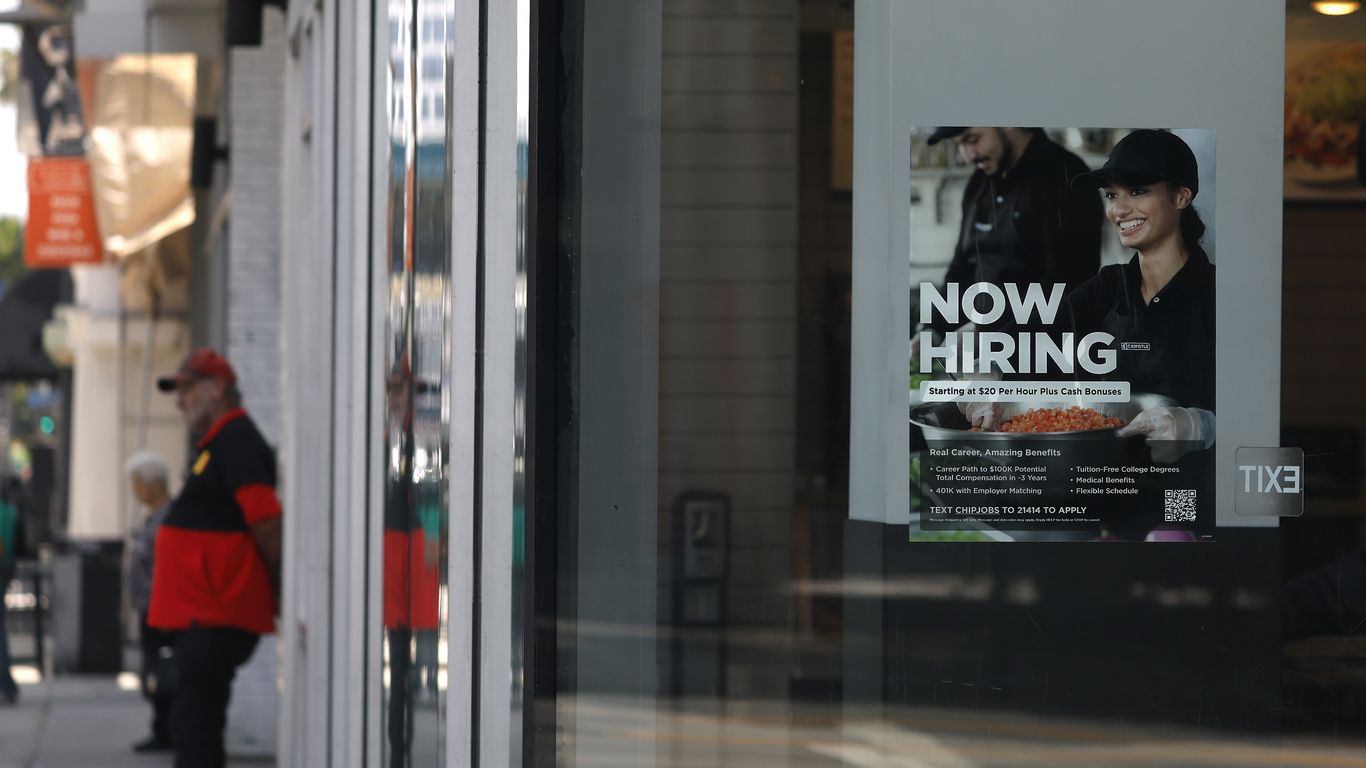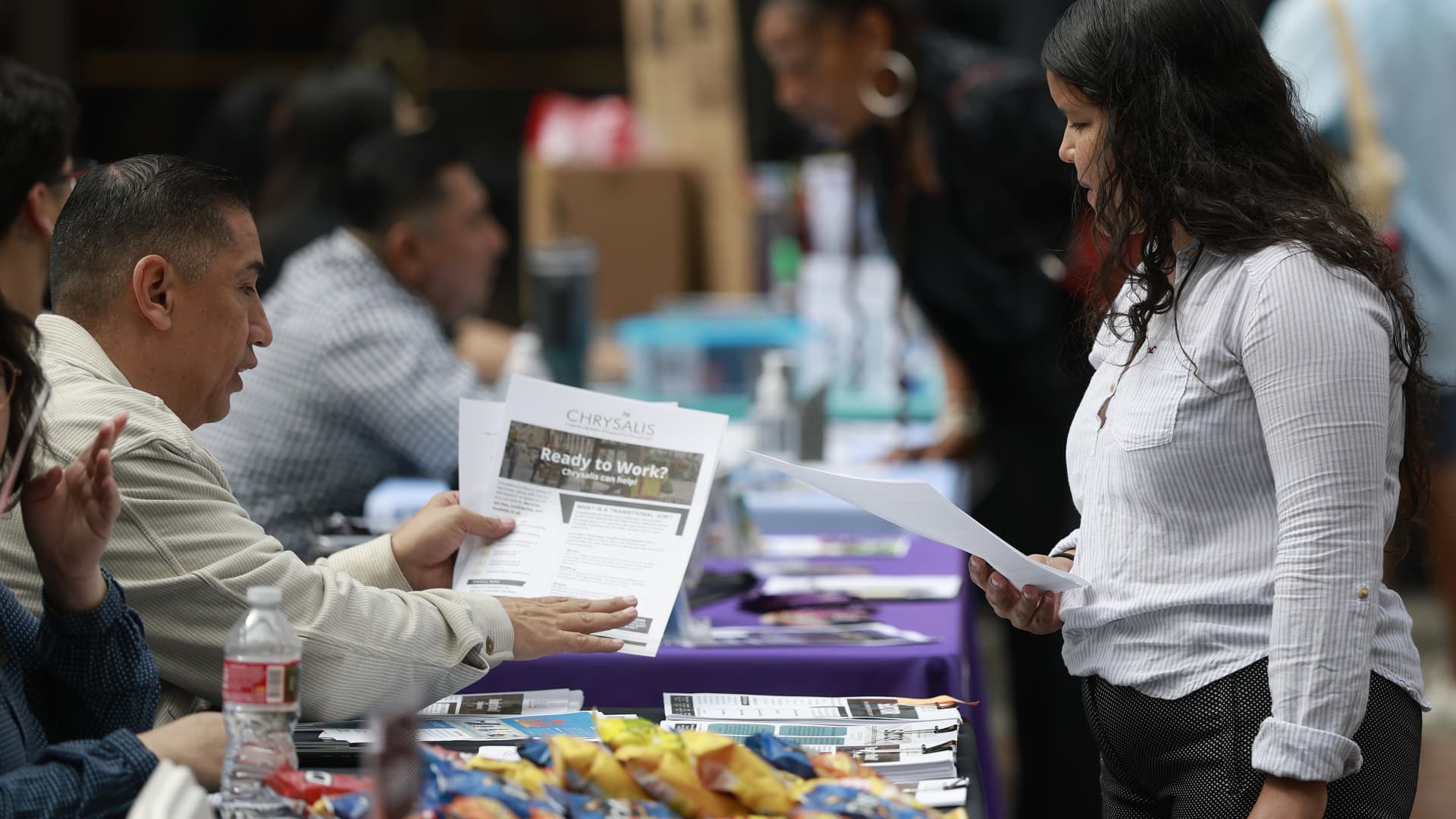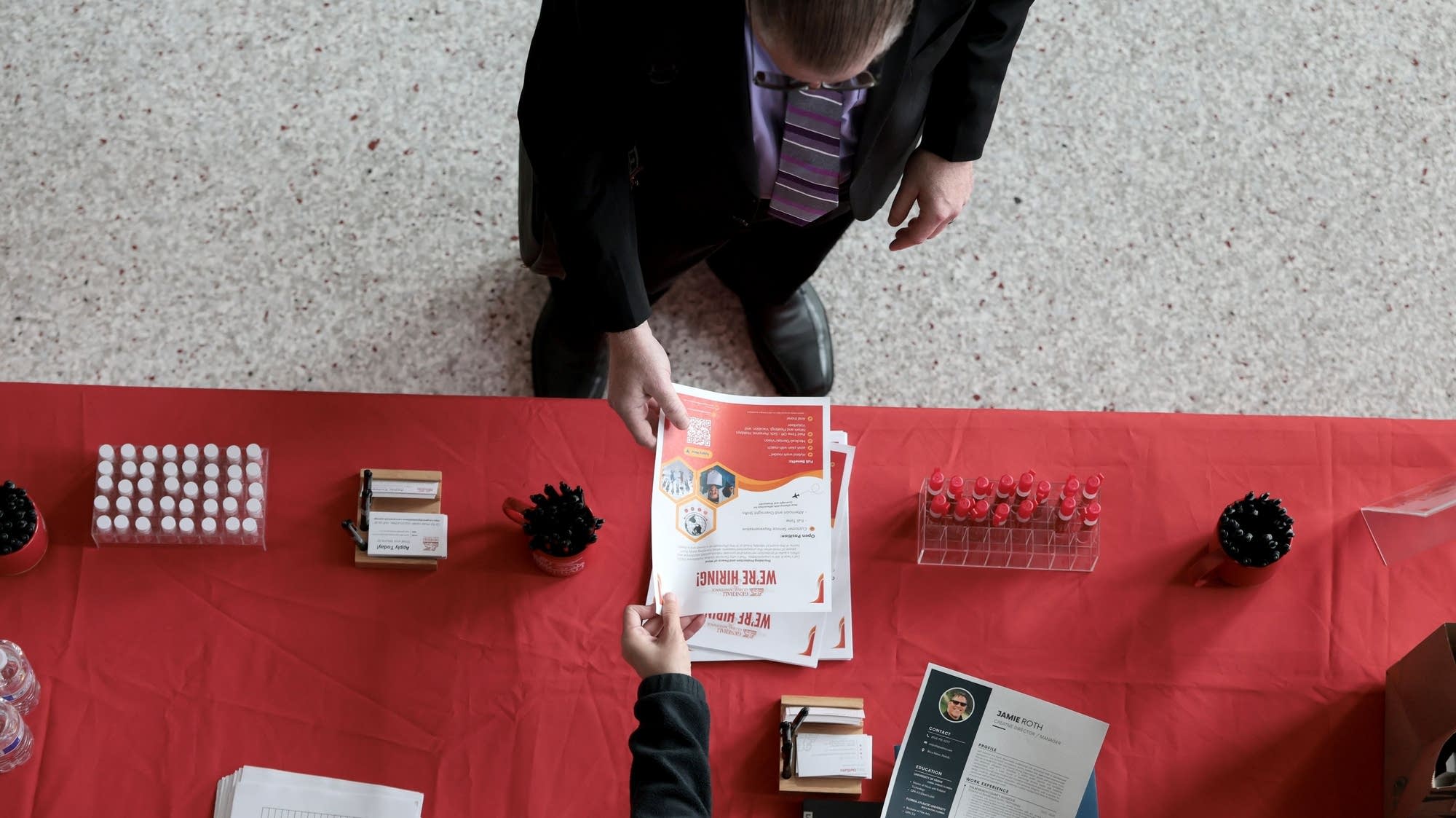
All-in-all, ‘fair-to-middling’ probably best describes the big news on employment this week. Both Thursday’s June jobs report from the U.S. Bureau of Labor Statistics and Wednesday’s report from ADP Research on private payrolls said as much.After ADP’s report came in below expectations, the Bureau of Labor Statistics’ did the same, with a decidedly underwhelming number of new jobs added in June: just 57,000. Economists expected double that. Also, April and May had looked stronger when initially reported, but it turns out they weren’t — they were revised down by 74,000 in total. Job growth was strong in healthcare, social assistance, professional and business services, and that’s pretty much it. Flatlines in manufacturing, construction, retail, finance. Leisure and hospitality actually fell by 61,000.There is one bright spot: the unemployment rate. It ticked down to 4.2%, the lowest in a year. Sal Guatieri, senior economist and director at BMO Capital Markets, said there’s a fair amount to be upbeat about in the June jobs report. “We’re not seeing widespread layoffs,” he said. “That’s a good thing. And the unemployment rate has ticked down.”Though it’s mostly for the wrong reason, according to Nicole Bachaud, a labor economist at ZipRecruiter.“Unemployment dropping back to 4.2% can seem good,” she said, “but it fell because there are fewer people in the labor market as folks are exiting entirely.”720,000 people just stopped working or looking for work in June.As for job-creation, Bachaud is uninspired.“[It’s] pretty disappointing,” she said. “Momentum earlier this spring did not hold in June. We saw soft job growth. The labor market still in a very fragile state.”Still, Guatieri says 57,000 jobs a month is more than enough to absorb new entrants to the labor force. With recent reductions in immigration, this is the so-called ‘break-even point’:“It’s somewhere in the neighborhood of zero to about 50,000 per month,” Guatieri said. “If payrolls are growing in that range, then on average, the unemployment rate should remain fairly stable.”Drill down, though, and the unemployment picture looks more worrisome: Black and Hispanic youth unemployment — that’s 16- to 19-year-olds — has risen over the past year, which could be a warning sign, according to Angela Hanks, chief of policy programs at The Century Foundation. “In the next jobs report,” she said, “what I would be paying attention to is, are we seeing similar increases in Black and Hispanic unemployment overall, [or] increases for workers who have less than a college education?”It doesn’t help that the percentage of Americans who’ve been unemployed for 27 weeks or longer is up sharply from a year ago.
June jobs report numbers underwhelm economists
The Bureau of Labor Statistics reported just 57,000 new jobs in June. Economists had expected double that.
426 words~2 min read