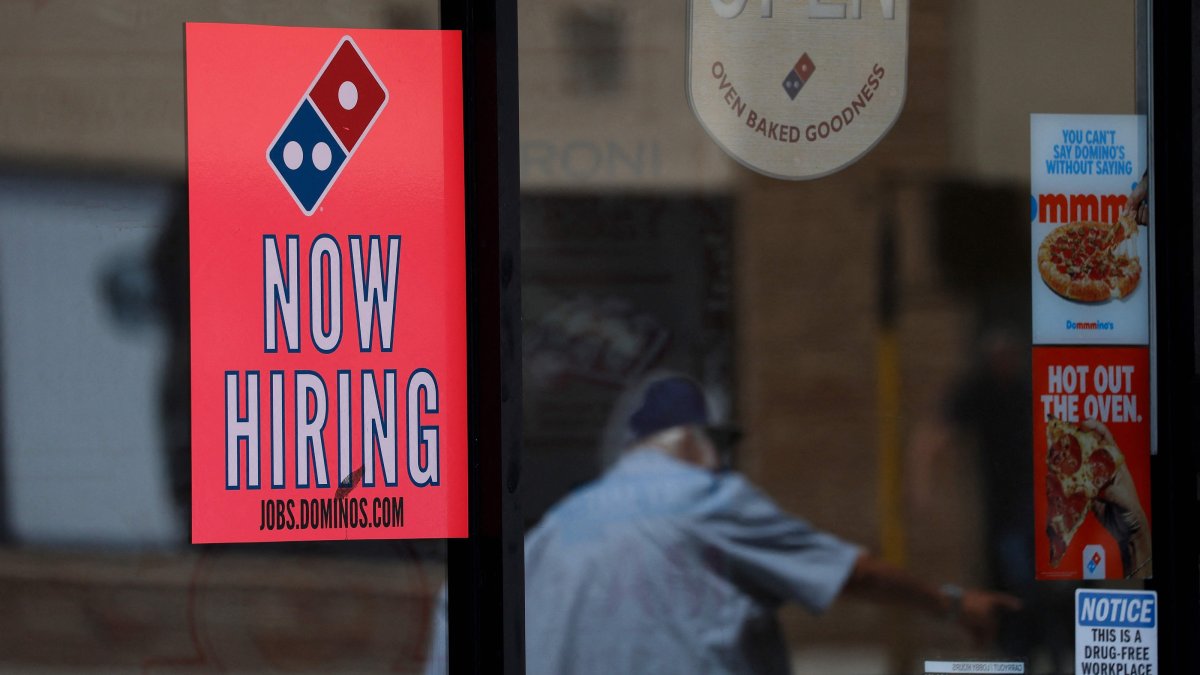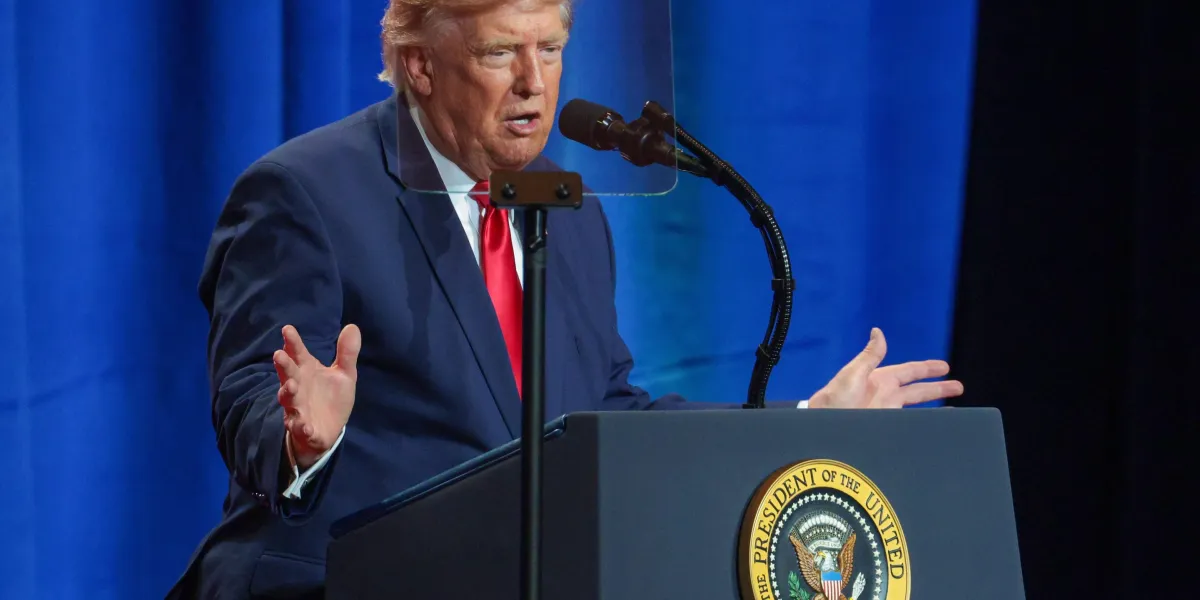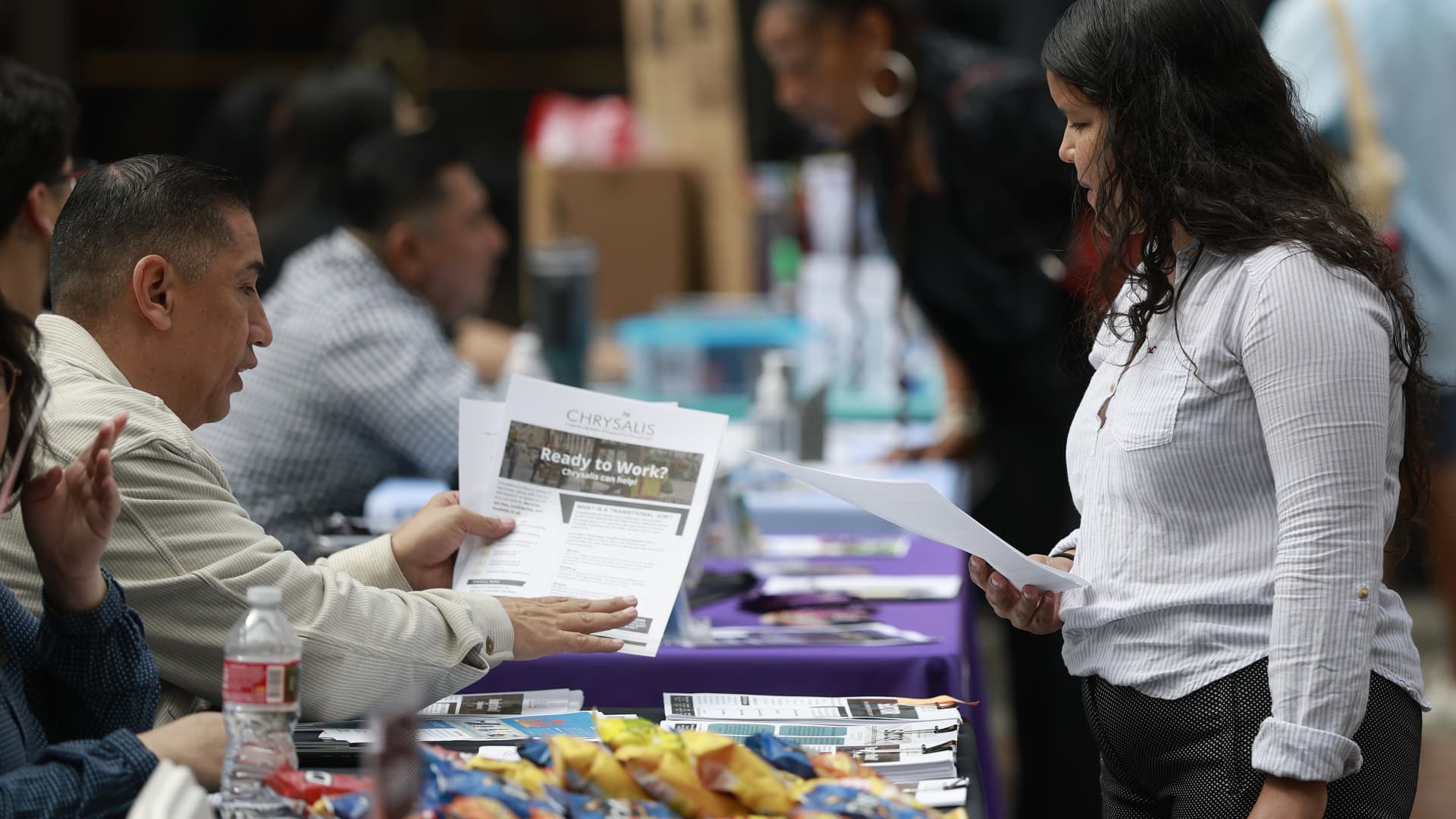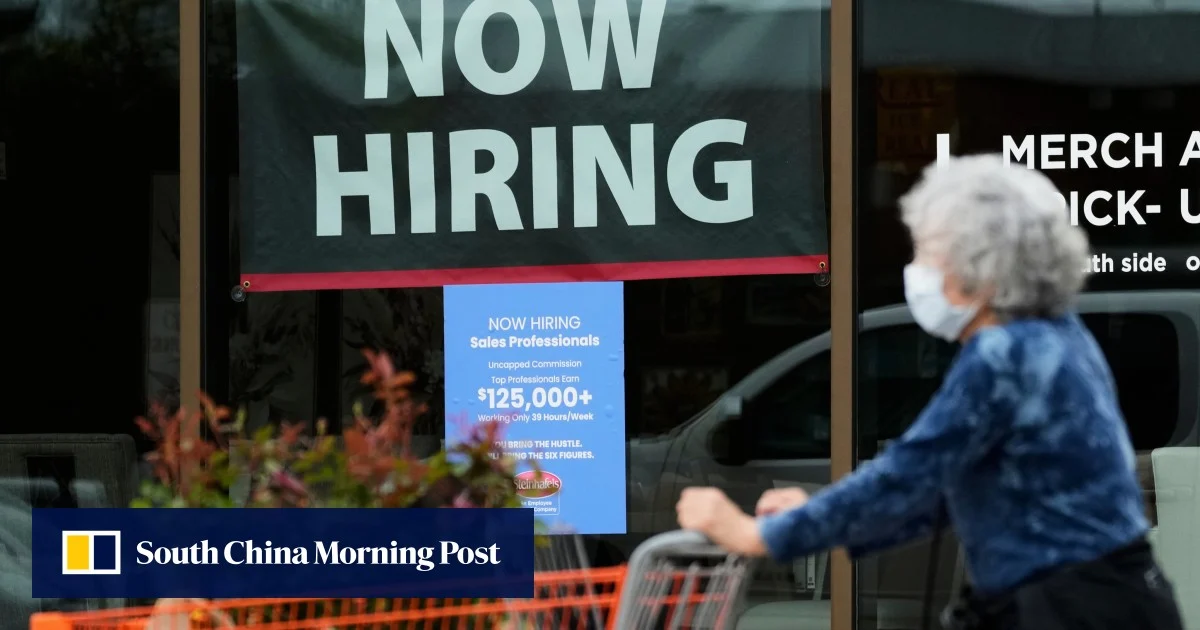
The economy fell short of expectations in June, adding 57,000 jobs, fewer than most economists had expected.Despite that, the unemployment rate fell one-tenth of a percentage point to at 4.2%, the Bureau of Labor Statistics reported Thursday.The report is a mixed bag for President Donald Trump, who has been suffering from poor economic approval ratings because of inflation and affordability concerns. The job market has been one feather in the White House’s cap that it can point to as the midterm elections approach. While growth was smaller than anticipated, it was still positive, which is a plus.
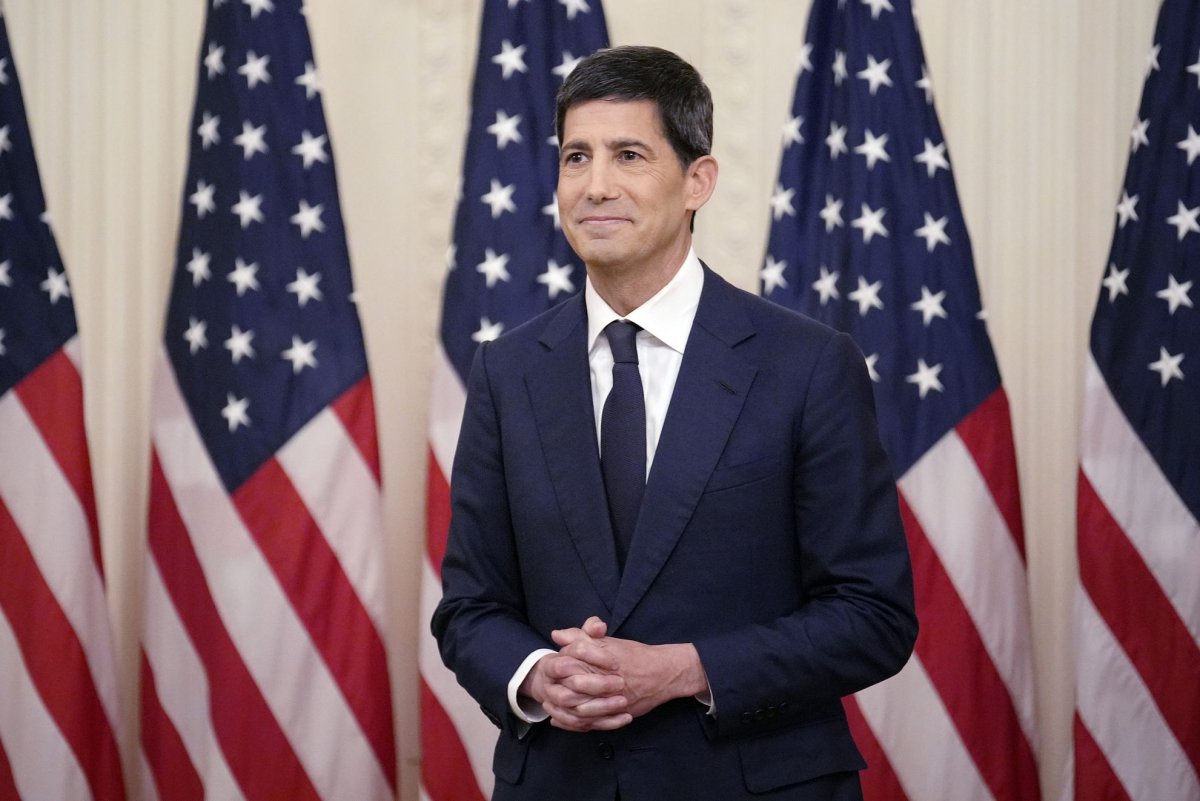
HOUSING BILL WOULDN’T OFFER MUCH AFFORDABILITY RELIEF UNTIL AFTER MIDTERM ELECTIONSInvestors expected roughly 114,000 new jobs and the unemployment rate to remain at 4.3%.“On the non-farm payrolls out of the past three months, I think two of them were double expectations, so now we’ve got one that’s half expectations. I’m not that worried about that,” Dan North, a senior economist with Allianz Trade Americas, told the Washington Examiner.North said the reason the unemployment rate fell is because of a drop in the participation rate.In addition to the labor market, economic growth has also remained above water. Gross domestic product growth for the first quarter of this year came in at 2.1%.The biggest concern right now with the economy is inflation, and it’s the biggest issue for voters heading into the November elections.Inflation rose three-tenths of a percentage point to 4.1% for the year ending in May, the Bureau of Labor Statistics reported in an update to the personal consumption expenditures index, the Federal Reserve’s preferred gauge.The PCE inflation reading is the highest since 2023.The Fed hasn’t been able to achieve its target of 2% inflation since inflation began taking off in early 2021.The Fed recently convened its first meeting under new Chairman Kevin Warsh.The Fed’s monetary policy committee announced it would hold its rate target at a range of 3.50% to 3.75%, an outcome that was expected given the recent bout of inflation.The central bank under Warsh will also be parsing the numbers closely. The stronger fundamentals of the labor market have allowed the Fed to keep interest rates higher for longer, as inflation remains too high.KEVIN WARSH’S TASK FORCES SET TO TRANSFORM THE FEDThe Fed has a dual mandate — price stability and full employment, and because the jobs market is relatively strong, it’s likely that the Fed under Warsh will be more focused on the inflation aspect of that mandate.But if the jobs market were to start deteriorating, it could force the Fed’s hand and cause it to lower interest rates in order to shore up the economy.