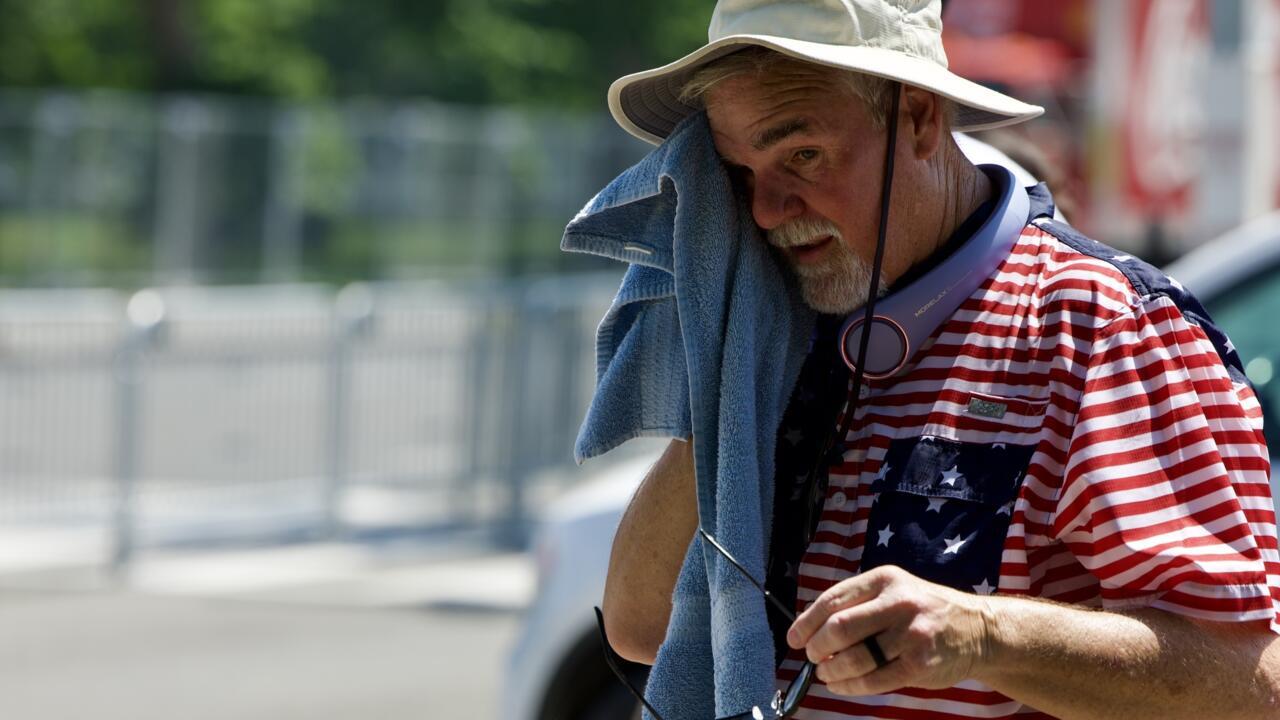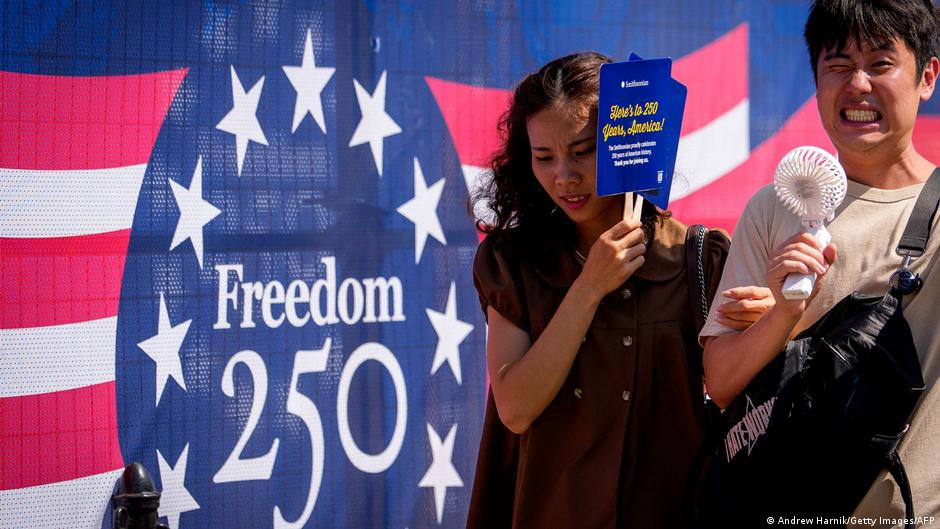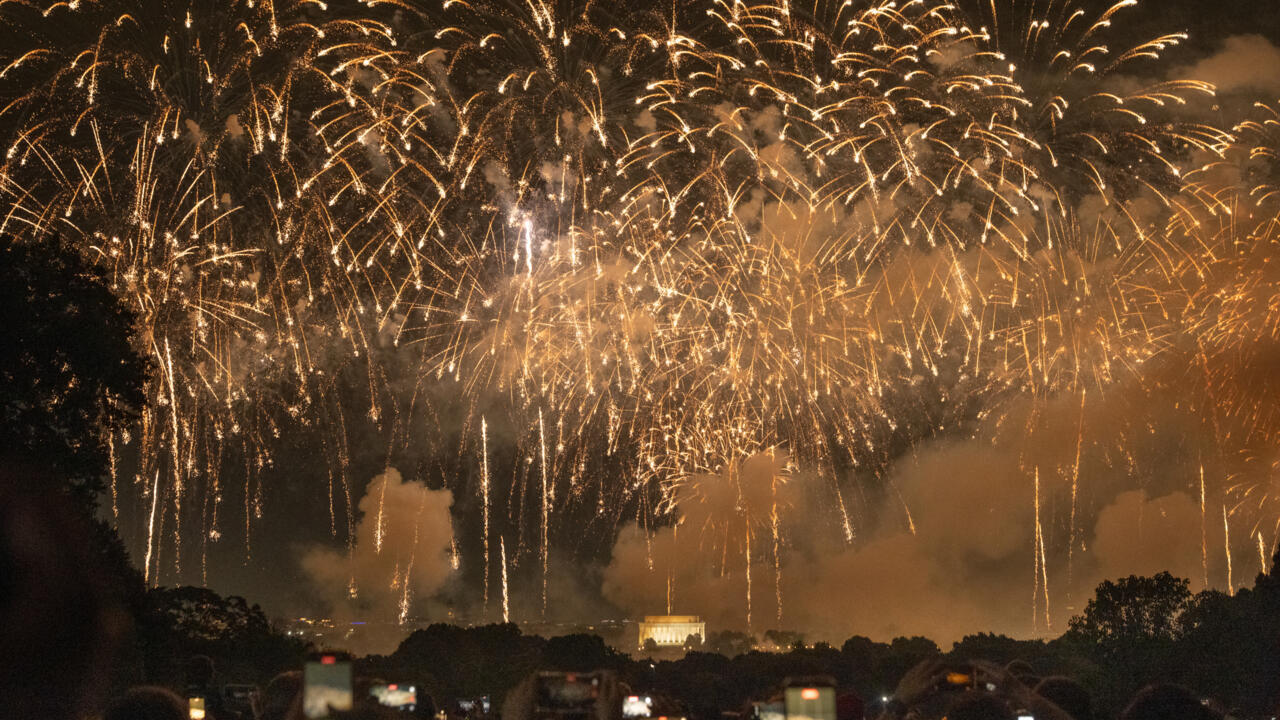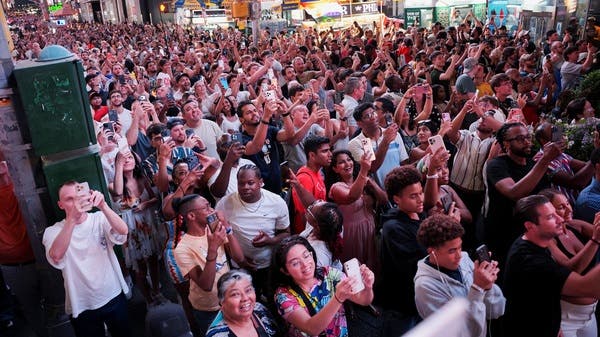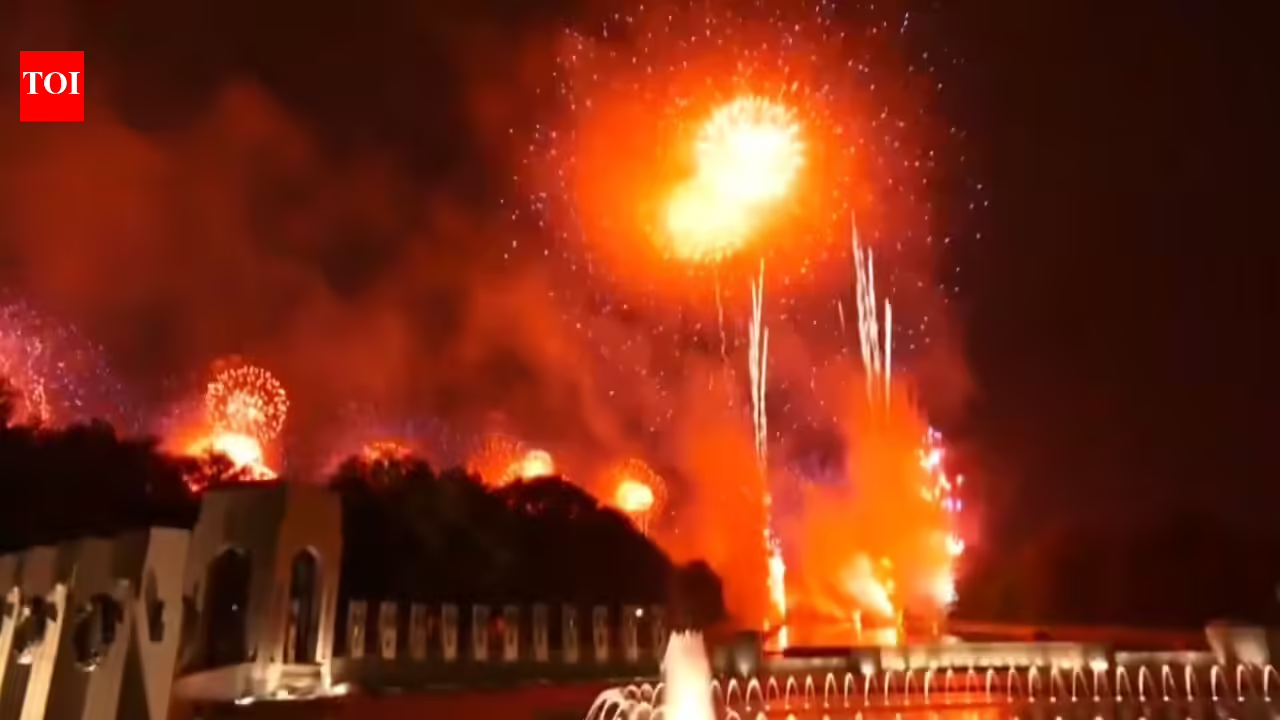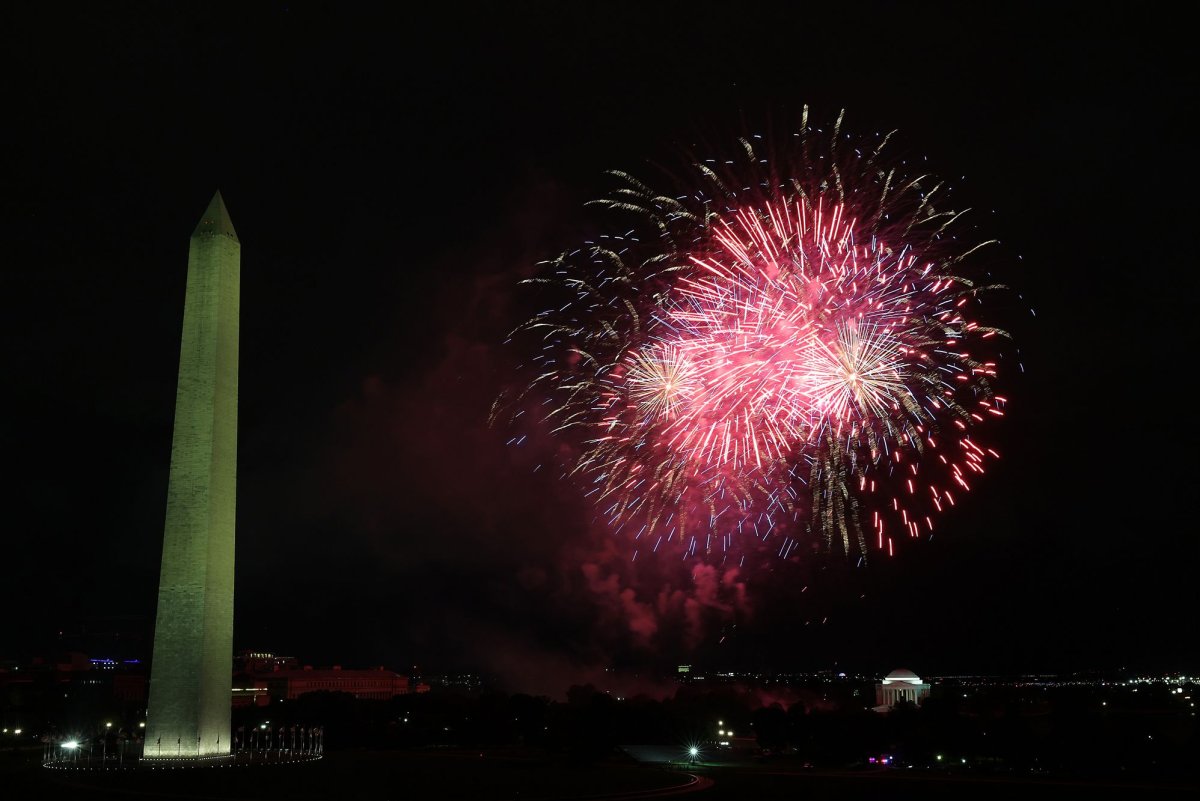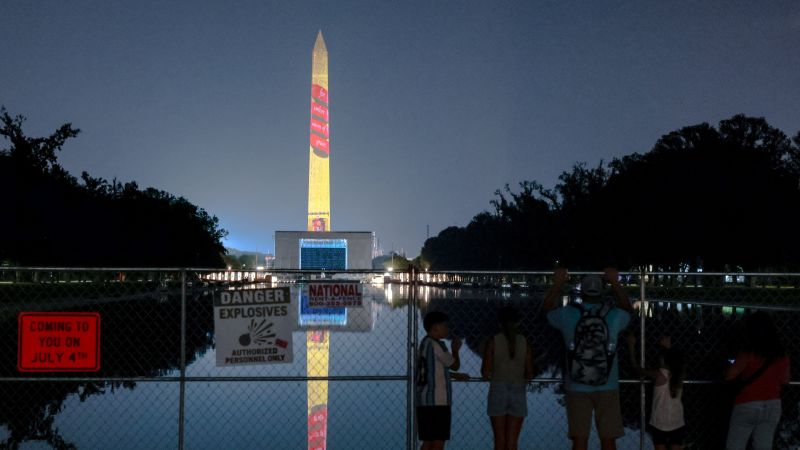
As the United States celebrates its 250th birthday, firework celebrations are expected to bring more pomp and circumstance than ever before. But with bigger festivities and an oppressive heat dome in the forecast, millions of Americans could face a monumental double dose of unhealthy air.
Every Fourth of July, the country lights up fireworks from impromptu celebrations on the street to formal rocket shows — creating smoke pollution, sometimes rivaling what comes from wildfires, that can linger for several hours. In some cities, air quality often doesn’t return to normal until around noon the next day, and the stifling weather could reinforce this loitering.
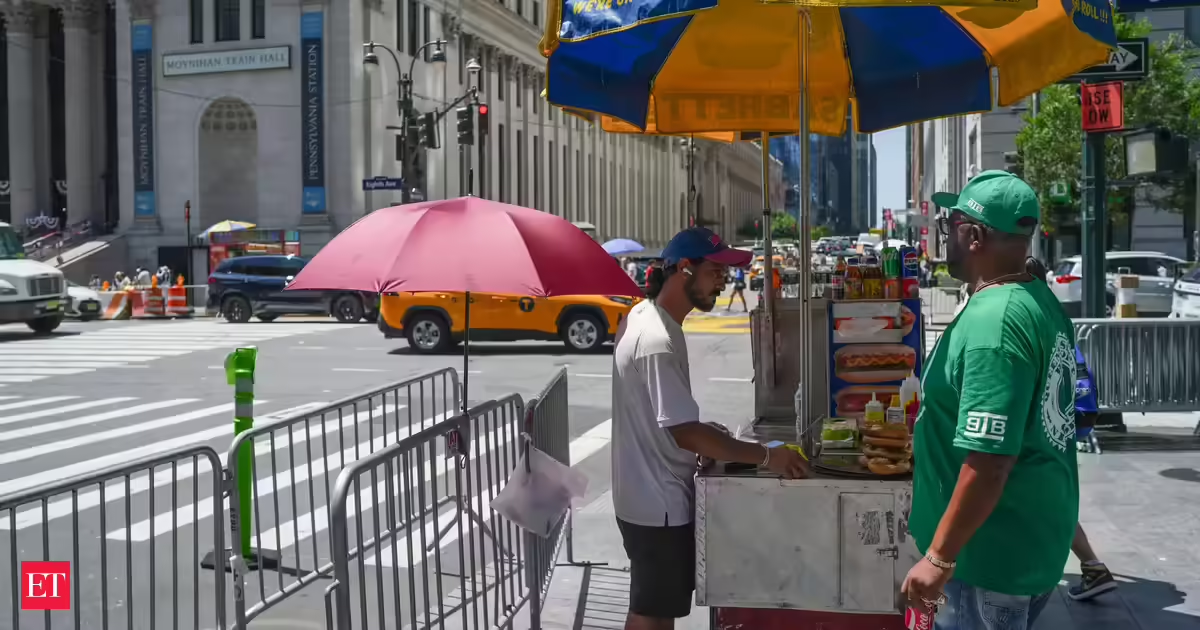
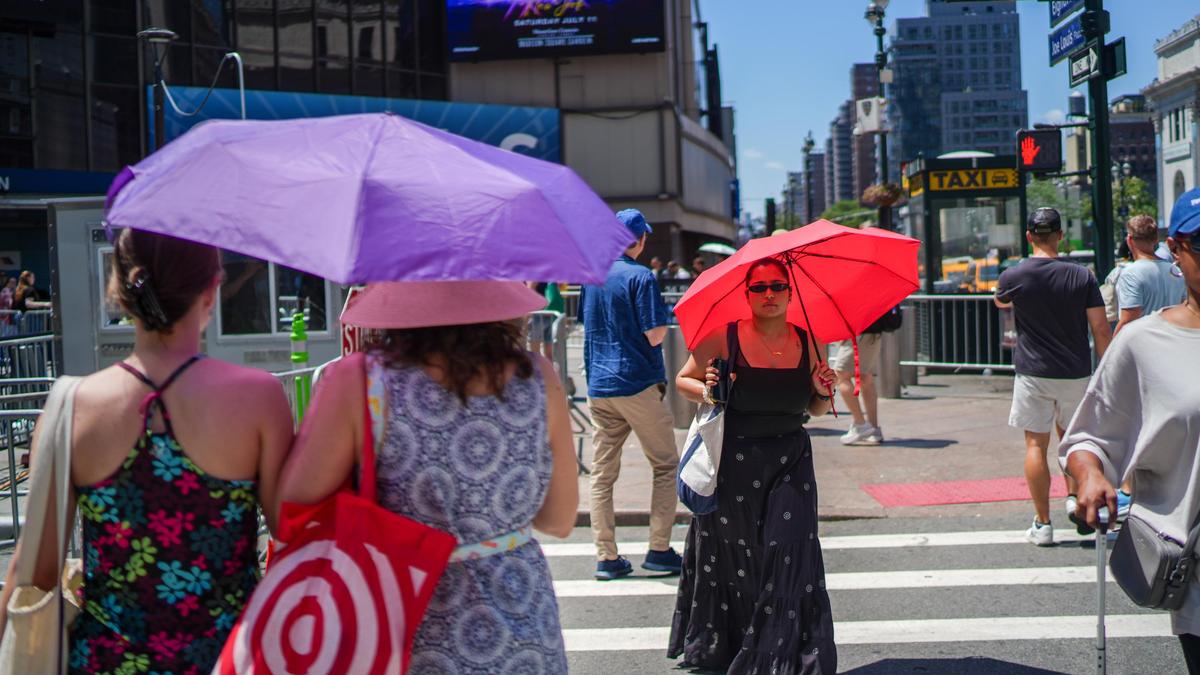
But smoke from this year’s larger-than-normal anniversary celebrations may also multiply respiratory risks in areas already suffering from deteriorating air quality amid record-breaking temperatures this week, experts say.
Even before any firework is lit in some urban areas, the heat will have already created another type of air pollution: ozone. Scorching locations – such as Washington, DC where record-breaking fireworks show — are forecast to experience at least moderate amounts of ground-level ozone during the day. This pollutant is typically formed when chemicals from car exhaust are baked under strong ultraviolet rays on hot days .