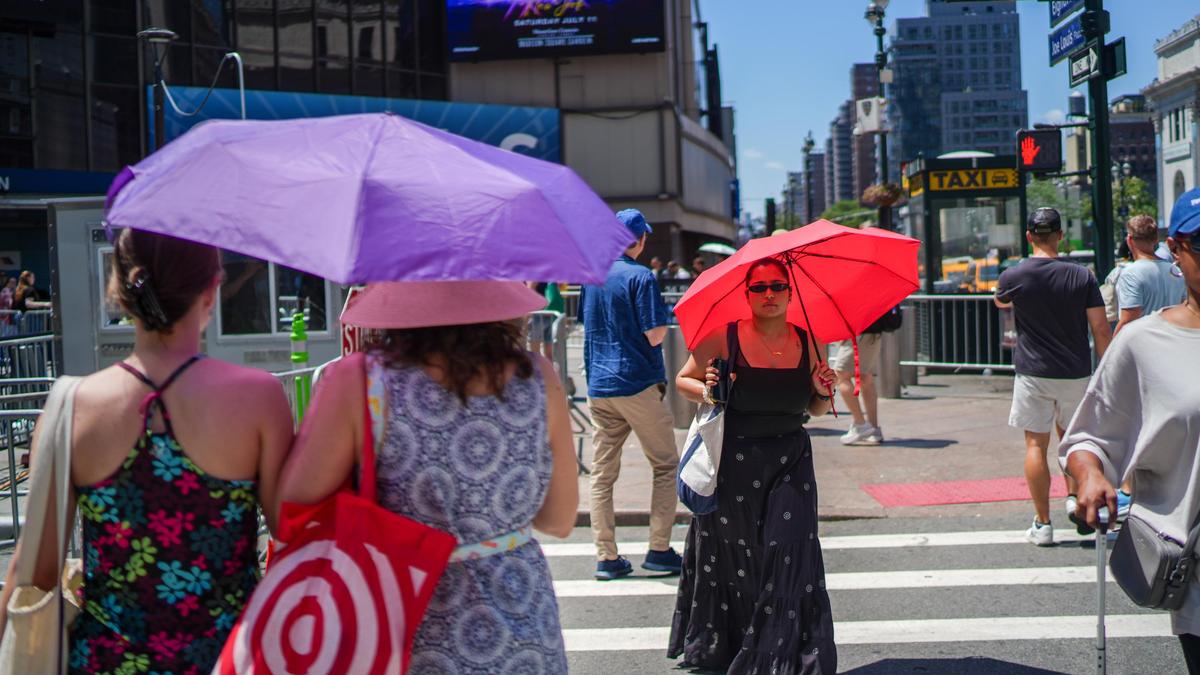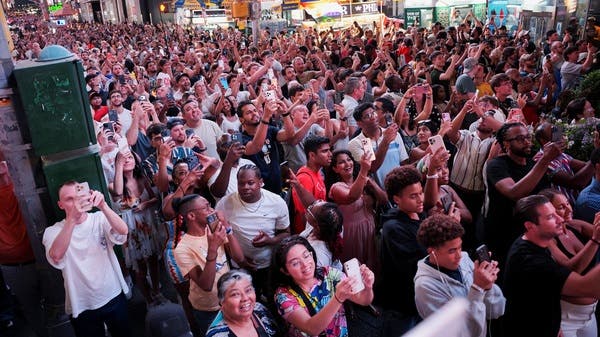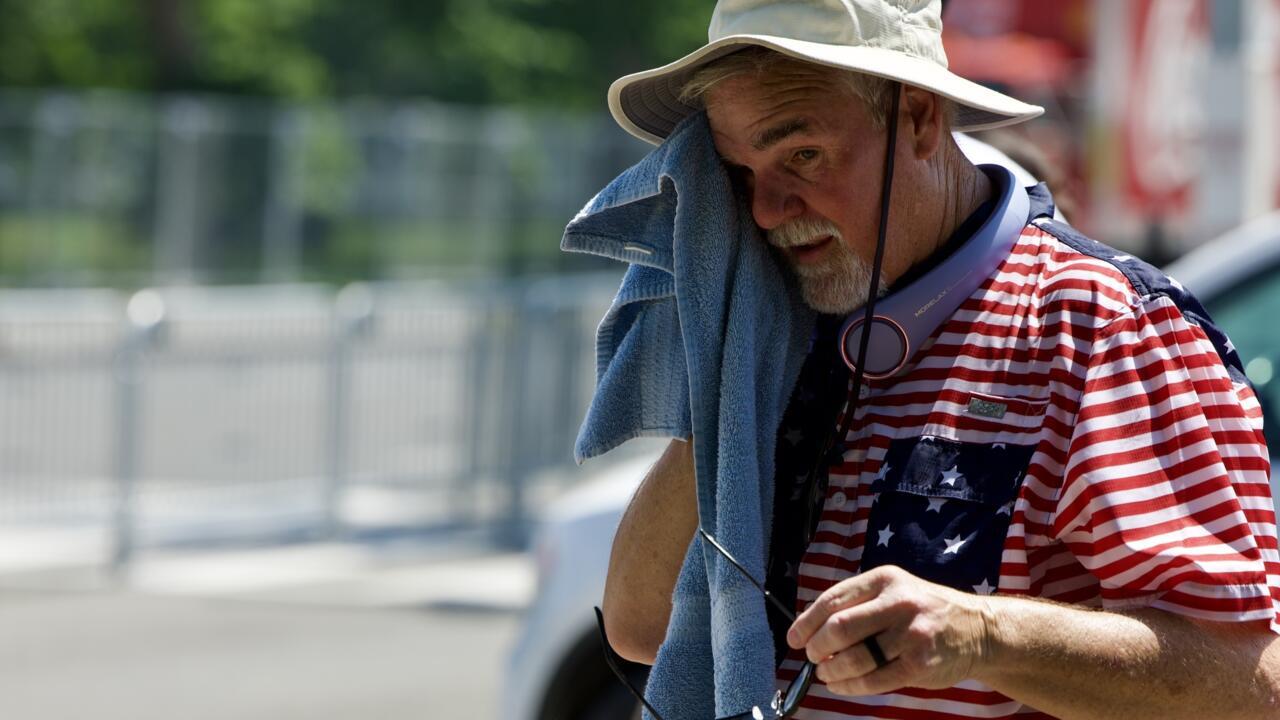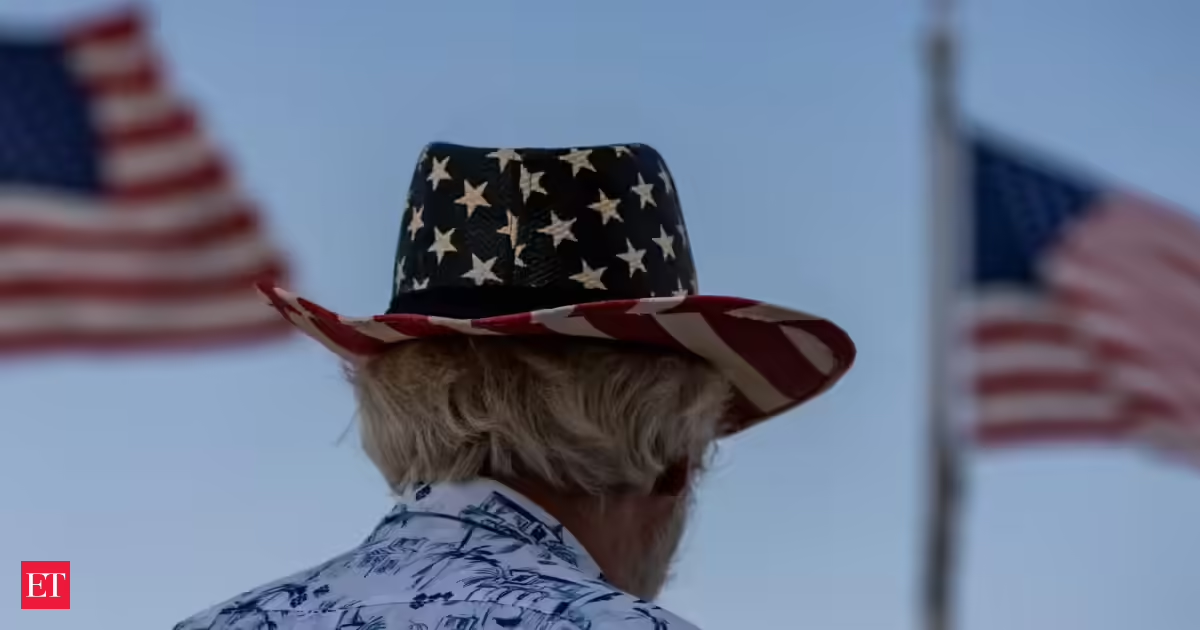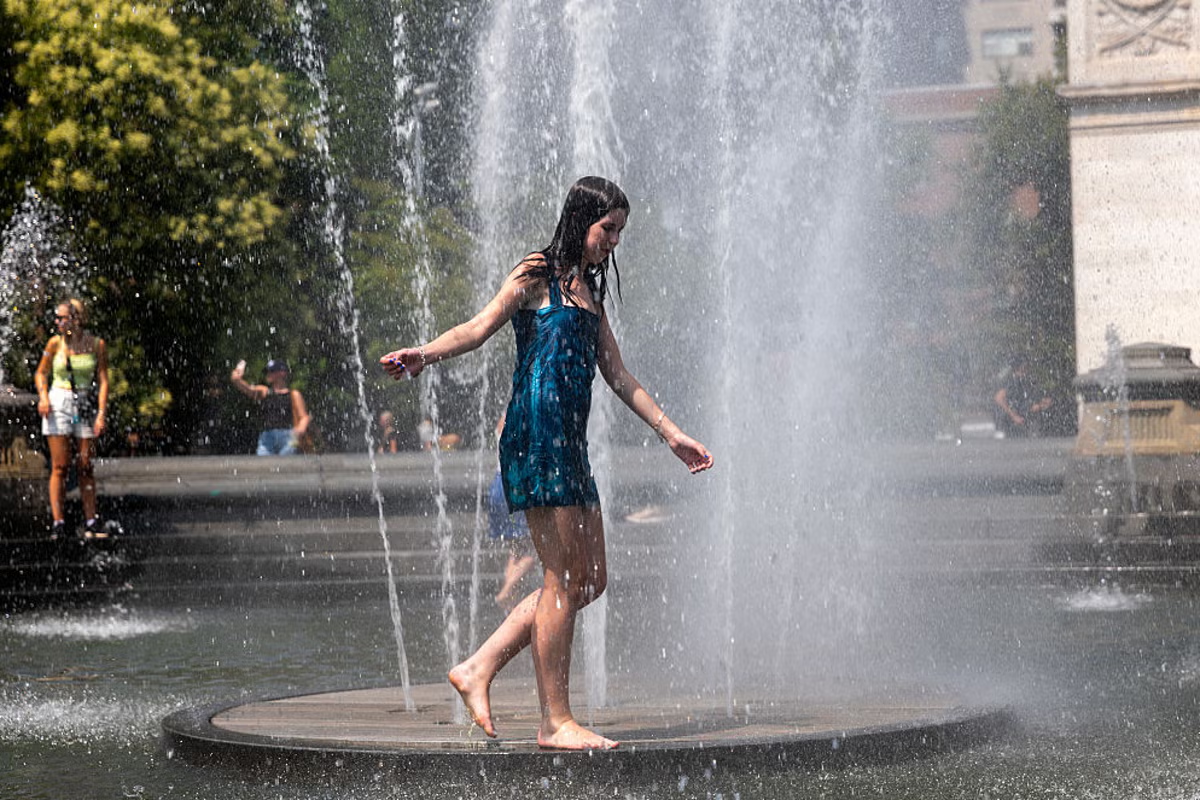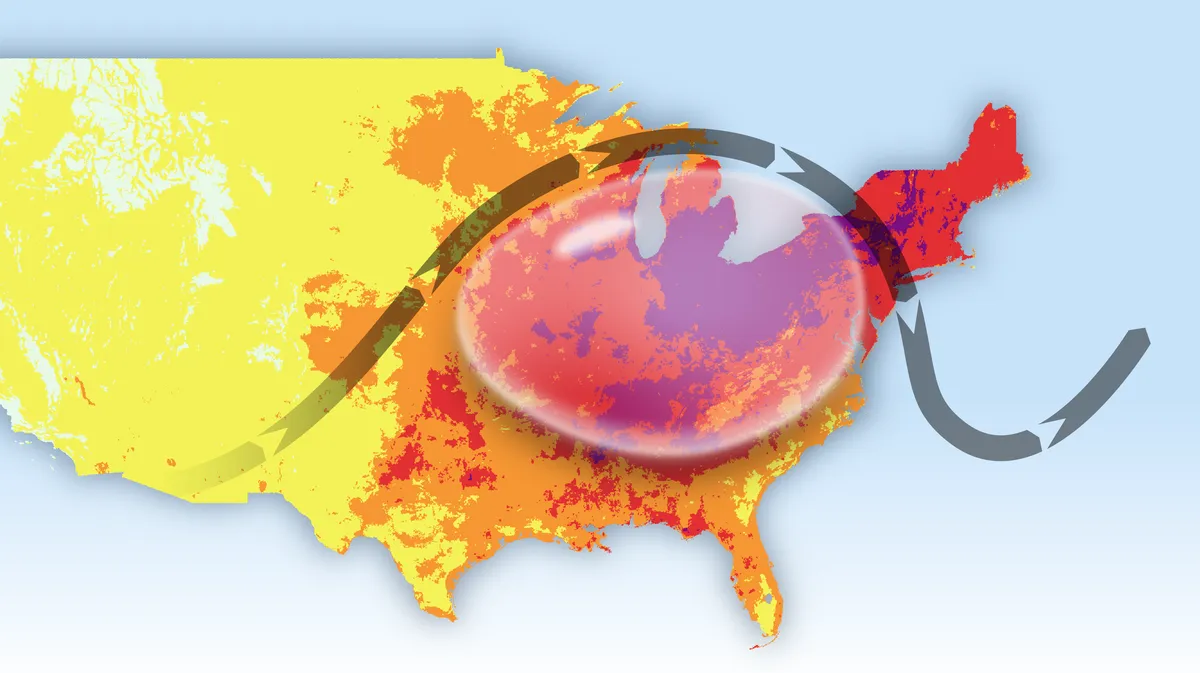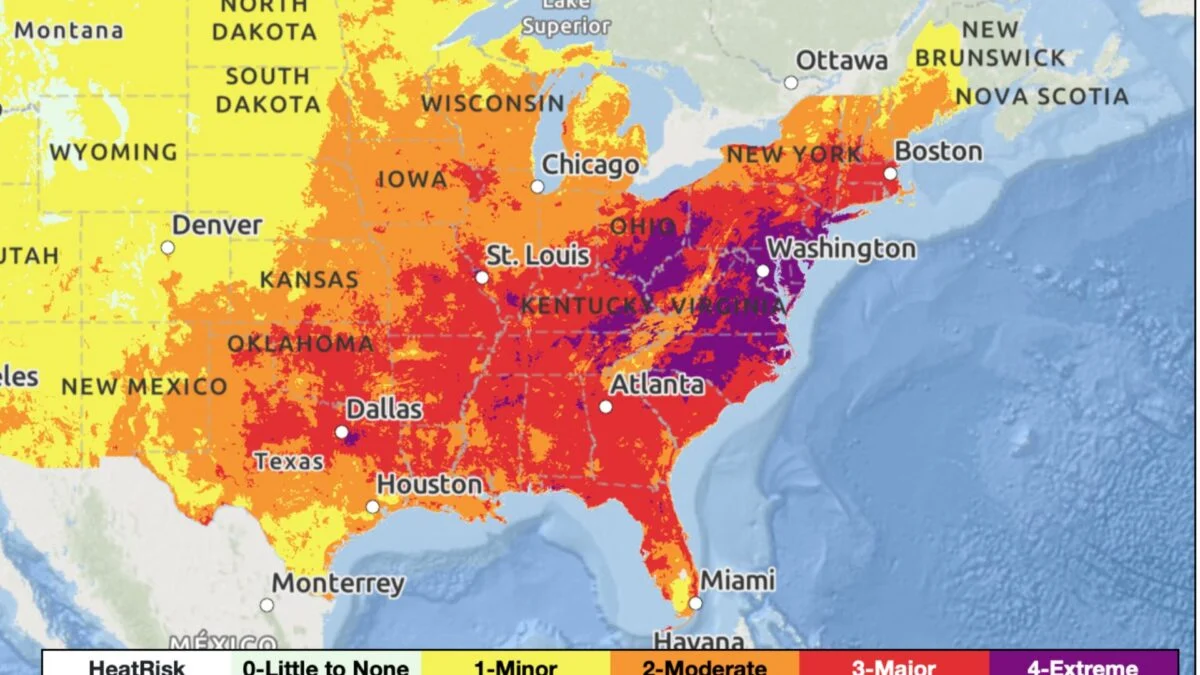
July 4 federal holiday 2026: Millions of Americans are set to experience scorching temperatures during the July 4 holiday weekend as a powerful heatwave spreads across large parts of the United States. The National Weather Service has warned of record-breaking heat for many parts of central and eastern US through Friday and will continue along the East Coast through the weekend, reports AP.Weather officials have warned that dangerous heat and humidity could affect outdoor celebrations, travel plans, sporting events and holiday gatherings ahead of July 4 weekend, with some regions expected to see temperatures climb into the 90s and even triple digits. The heat is forecast to linger through the Independence Day weekend, increasing the risk of heat-related illnesses for vulnerable groups.ALSO READ: FIFA World Cup 2026 BracketDangerous heat expected across several US regionsForecasters say the heatwave will impact a broad swath of the country, particularly parts of the Northeast, Mid-Atlantic and central United States.While summer heat is common in July, meteorologists warned that the combination of high temperatures and elevated humidity levels will make conditions feel significantly hotter. In many locations, heat index values which measure how hot it feels when humidity is factored in — could exceed actual air temperatures by several degrees.ALSO READ: Delhi-NCR weather updateCentral Park in Manhattan hit 100 degrees Thursday afternoon, marking the first time the iconic park reached triple digits since 2012, according to the National Weather Service.US heatwave to affect celebrationsExtreme heat has forced several July 4 celebrations across the US to adjust their schedules. In Boston, entry to the Boston Pops Fireworks Spectacular will now begin at 4 p.m. on Saturday instead of noon due to high temperatures. Philadelphia officials have also altered holiday events, shortening the route of a Thursday morning parade, canceling an afternoon All-American Block Party, and delaying the start of an evening picnic and concert at Independence Mall.In Pennsylvania, the heat has led to further changes. An America 250 celebration in Lower Windsor Township featuring food trucks, games and community activities has been postponed until July 8. Meanwhile, officials in Norristown have called off a parade planned for Saturday, citing safety concerns for residents, participants and emergency personnel. However, the town's afternoon festivities and evening fireworks display are expected to proceed as planned.Gettysburg National Military Park in Pennsylvania moved outdoor events indoors. Amtrak, meanwhile, canceled some train routes due to the heat Thursday, including the Acela between Boston and Washington, and said others may operate with reduced speeds resulting in delays through Saturday.FIFA World Cup fans could face extreme conditionsThe weather may also become a concern for fans attending FIFA World Cup matches in the United States. Large crowds gathering at stadiums and fan zones could encounter uncomfortable conditions as temperatures remain elevated throughout the holiday weekend. Organizers and local authorities are expected to emphasize hydration and heat-safety measures to protect spectators.The heatwave has once again highlighted growing concerns about extreme weather during major summer sporting events.Why is the US experiencing another heatwave?Meteorologists attribute the intense heat to a strong high-pressure system that is trapping warm air over large portions of the country.These weather patterns can create prolonged periods of above-normal temperatures while limiting cloud cover and rainfall. As a result, heat builds day after day, making conditions increasingly uncomfortable and potentially dangerous.Several regions have already experienced repeated stretches of extreme heat this summer, and the latest forecast suggests that temperatures could remain above seasonal averages in many areas.Heat-related health risks to watch forExperts recommend taking heat advisories seriously, particularly during holiday activities.Common signs of heat-related illness include:Excessive sweatingDizziness or lightheadednessHeadachesMuscle crampsNauseaRapid heartbeatUnusual fatigueHeatstroke is a medical emergency and can occur when the body's temperature rises dangerously high.How to stay safe during the July 4 heatwaveAuthorities recommend several simple precautions to reduce heat-related risks:Drink plenty of water throughout the dayAvoid strenuous outdoor activity during peak afternoon hoursWear lightweight, loose-fitting clothingSeek air-conditioned spaces when possibleUse sunscreen and protective hats outdoorsNever leave children or pets inside parked vehiclesChecking on elderly family members and neighbors can also help prevent heat-related emergencies during prolonged periods of extreme weather.Will the heatwave continue after July 4?Forecasters say some areas could continue experiencing above-average temperatures even after the holiday weekend.However, the exact duration and intensity of the heat will vary by region as weather systems shift across the country. Residents are encouraged to follow updates from local weather offices for the latest forecasts and advisories.FAQs Why is the July 4 heatwave significant? The heatwave is expected to affect millions of Americans during one of the busiest travel and holiday weekends of the year, increasing health and safety concerns. Which parts of the US are expected to be hottest? Parts of the Northeast, Mid-Atlantic and central United States are among the regions forecast to experience the most intense heat. Can extreme heat affect July 4 events? Yes. Outdoor celebrations, sporting events, parades and fireworks gatherings may become more challenging due to high temperatures and humidity. What is the difference between temperature and heat index? Temperature measures actual air temperature, while the heat index reflects how hot it feels when humidity is included. How can people stay safe during the heatwave? Staying hydrated, avoiding prolonged sun exposure and seeking cool indoor spaces are among the most effective safety measures.(With AP inputs)
July 4 heatwave in US: Extreme heat threatens fireworks celebrations, travel plans and FIFA World Cup matches. Here's what you need to know
July 4 heatwave: A severe heatwave is gripping millions across the US, threatening July 4th celebrations with record-breaking temperatures and dangerous humidity. Outdoor events in cities like Boston and Philadelphia are being altered or canceled. Meteorologists warn of prolonged heat due to a persistent high-pressure system, urging residents to stay hydrated and avoid strenuous activity. Heat-related illnesses are a significant concern, especially for vulnerable populations.
875 words~4 min read