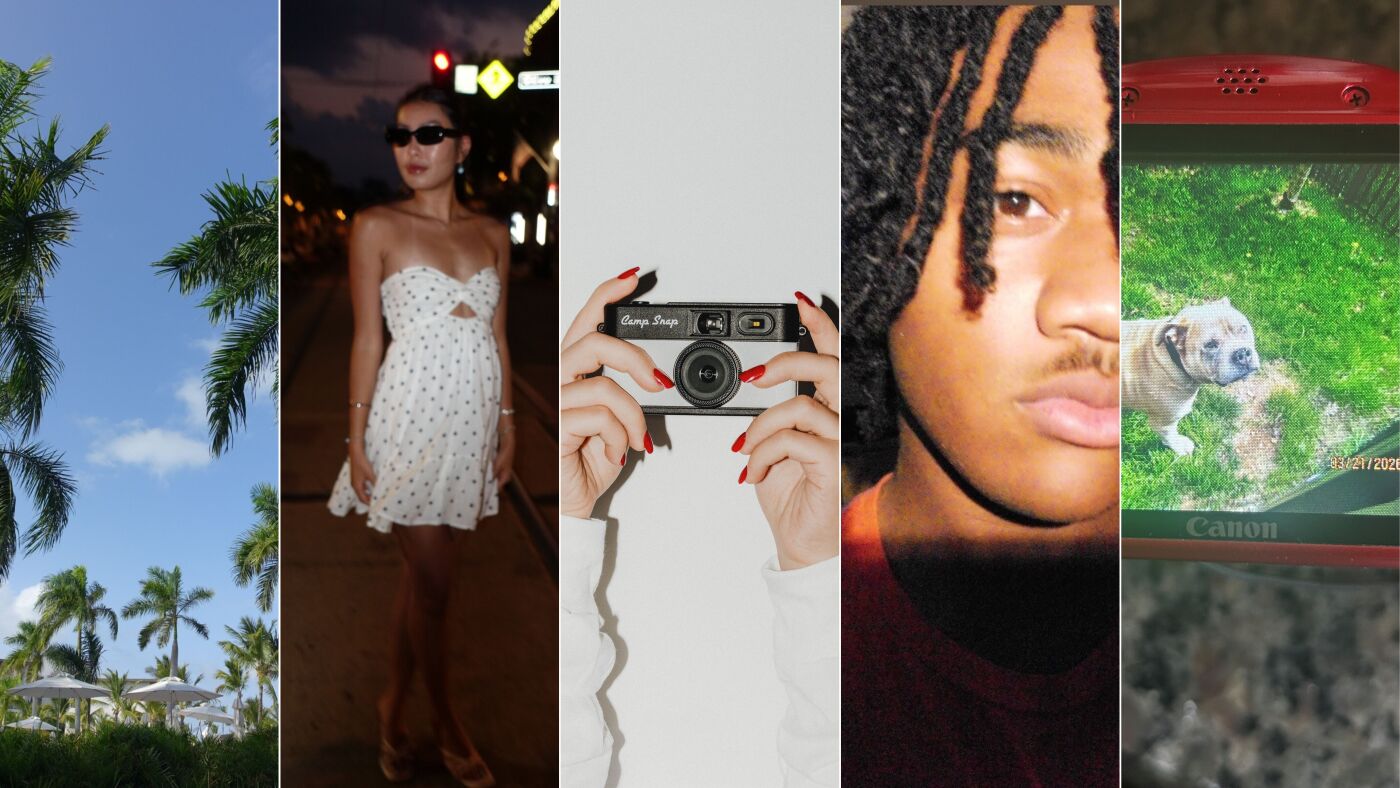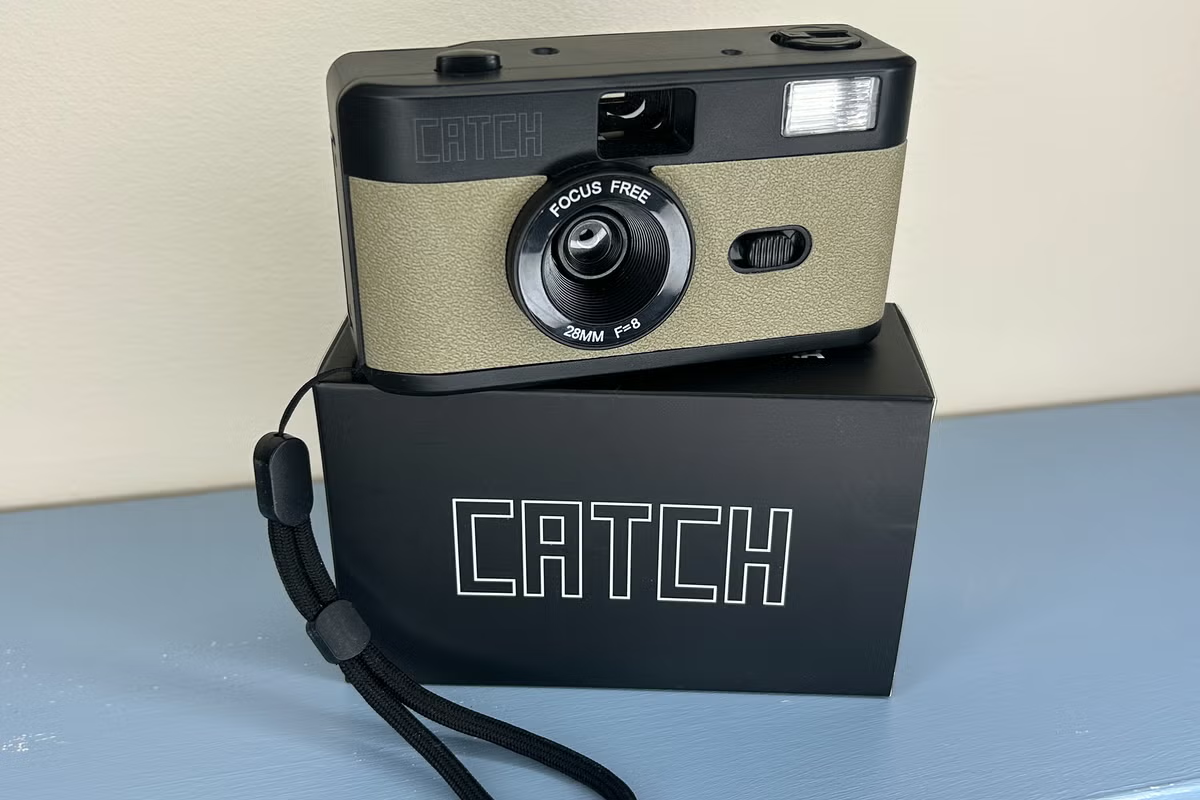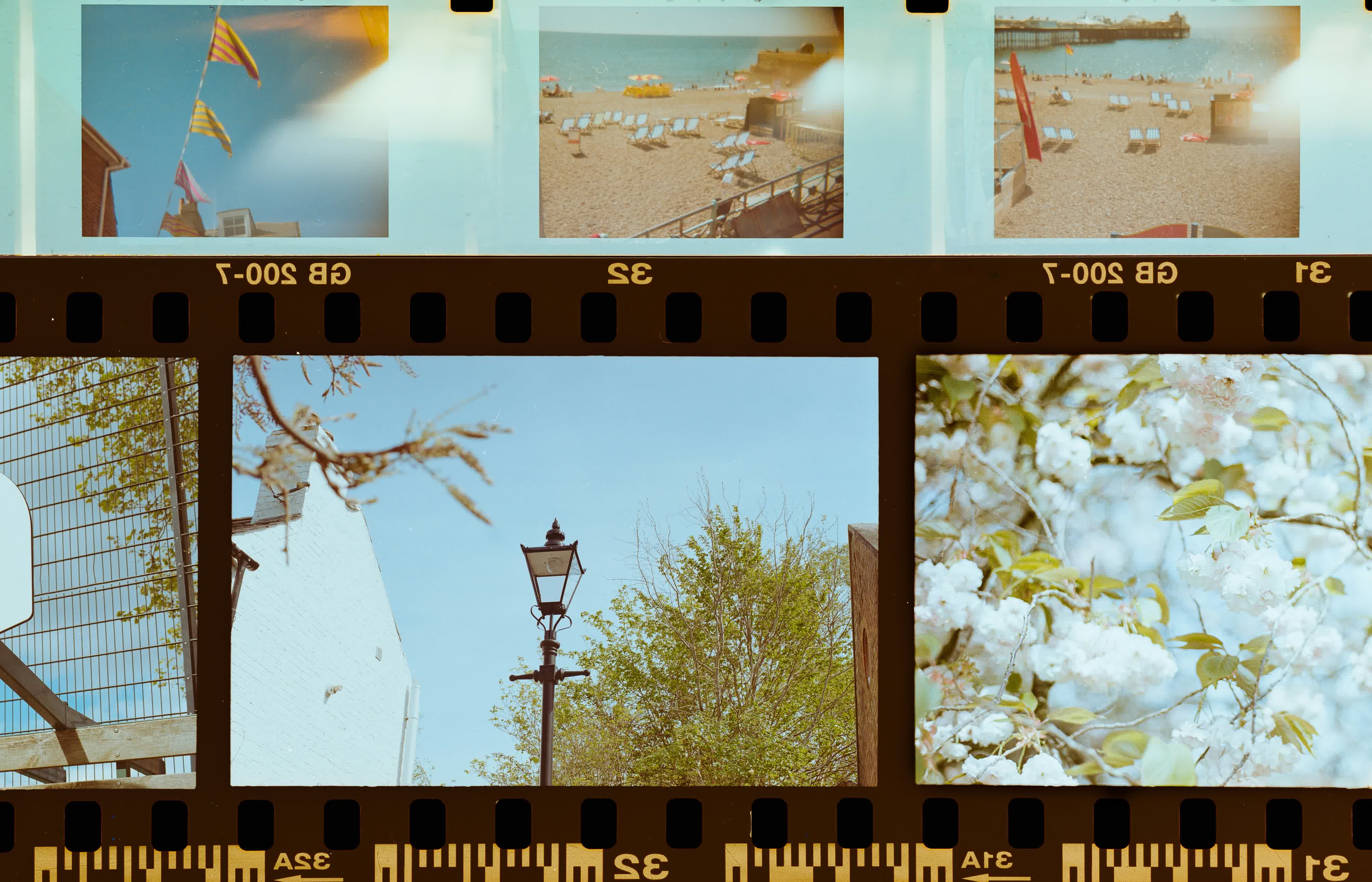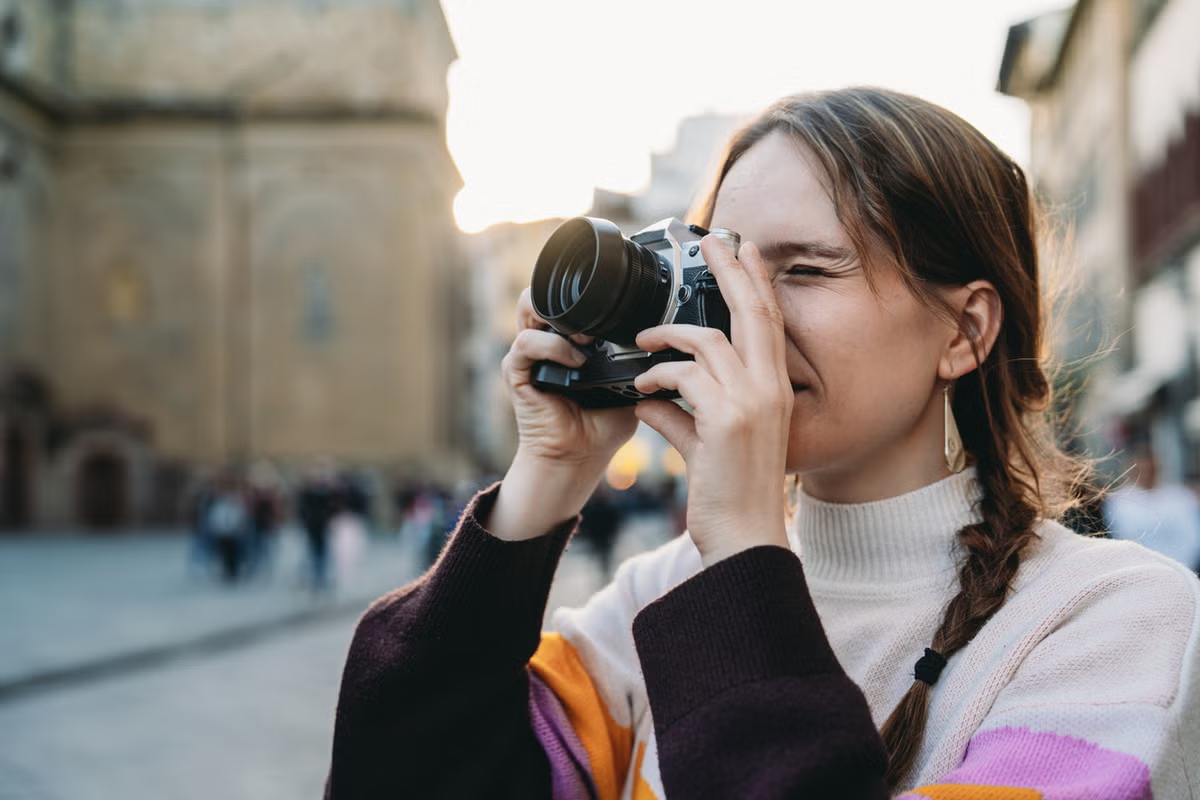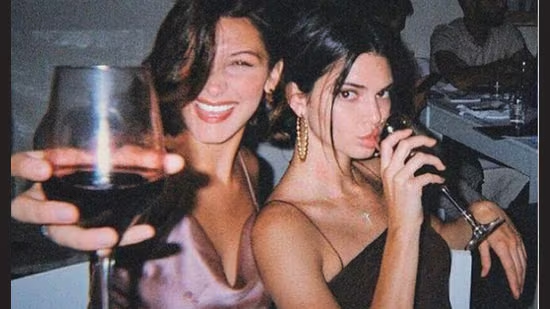
Want the blurry, grainy photo style that celebs’ feeds have? Vintage digicams capture that OG vibe. Here’s what to know before you buy one For the better part of the last decade, technology has been trying to save us from bad photos. Even a low-end phone camera now fixes dim lighting (even night shots) and askew horizons, picks up details from a distance (hello, Moon crater!) and smooths skin texture. That random stranger in the background? Poof! Erased. Every new update is another rescue from imperfection. And yet, Gen Z is obsessed with getting it all back: The blur, grain, blown-out flash, the weird green tint, and the accidental thumb in the corner of the frame. They’re not into red-eye shots from using flash yet. Oh no! We’ve jinxed it haven’t we?Bella Hadid loves taking paparazzi-style pics. The blurry imperfection is the point. (INSTAGRAM/@BELLAHADID)Bella Hadid’s paparazzi-style pics and Dua Lipa’s lo-fi snapshots show that even celebs are into old-school film and digital cameras. It’s about wanting something that feels more real and raw, says Sujana Reddy, a photographer and visual storyteller (@Sujana.Zip) from Bengaluru. “With a vintage digicam, you’re not instantly checking every photo or worrying about perfection. The whole process: Figuring out the settings, the slow clicks, waiting to see the results, the little bit of uncertainty, that’s what makes photography fun again.” Prashin Jagger, photographer, filmmaker, and creative director (@PrashinJagger) from Mumbai, says the appeal lies in the reminder of how quickly tech has changed. “You want to remove something that isn’t buzzing all the time, distracting you from the moment you are capturing.” If you don’t have a digital camera at the back of your cupboard (or if you do and want more), start here.To get overexposed shots like the ones Ananya Panday takes, opt for digicams from the early ’00s. (INSTAGRAM/@ANANYAPANDAY)Set a date. Cameras go back more than 130 years. Kodak No 1, the first picture-making device aimed at everyday folks, came out in 1888 and was preloaded with a 100-exposure roll of film. You’ll only see it in museums. Hobbyists, however, focus on digicams from the first decade of the 2000s – that sweet spot between the end of film cameras and the start of the phone camera era. Enough has happened in that time to keep fans busy.Pick a type. SLRs literally photograph what you can see through whichever lens you attach – great for wildlife shots, sports, portraits, close-ups. Rangefinders (smaller, lighter, quieter) have a central section inside the viewfinder, which you must align to take a focused shot. Best for street and travel photos, and candid pics. They also work better in low light. Or, just go with a point-and-shoot – small, light, one fixed lens, automatic calculations for focus, exposure, and flash.“A good beginner budget for a digicam is ₹3,000 to ₹8,000,” Reddy says. She recommends digicams from the early ’00s: “Canon PowerShot, Sony CyberShot, Nikon Coolpix models”. Or spend a little more on digital SLRs such as the Nikon D70 and the Canon EOS 20D; or the Epson R-D1, the world’s first digital rangefinder.With vintage cams, the aim is not to capture reality but the mood. (SHUTTERSTOCK)Take it slow. Your phone can click-click-click, offer an image-burst, do a slo-mo, and a timelapse. A vintage digicam’s best quality? It forces you to be patient. Autofocus takes a while to kick in. Zoom settings are either absent or only work at three distances. On the Olympus Mju 400, the LCD screen is tiny, so you can’t preview your shots clearly. The Leica Digilux 1 delivers grainy images in low light, takes time to zoom, and its lithium-ion batteries drain quickly. “These cameras aren’t as convenient as modern phones. You’ll have to learn how they work,” says Reddy. Use the time to think about the shot you’ve just taken, evaluate it and give it another slow go.Celebs such as Zendaya and Tom Holland use retro digicams to give photos an old-timey feel. (INSTAGRAM/@ZENDAYA)Learn to forgive. Phone cameras save even shitty selfies as high-quality files. With old-school digicams all images are low-resolution, with not-quite accurate colours, less contrast and sharpness. Use them not to capture reality but the vibe. “I took a picture of my cousin’s newborn baby with a vintage digicam,” Reddy recalls. “Technically, it wasn’t the sharpest or most perfect image. But emotionally, it felt the realest.”Dua Lipa posts dreamy, unfocused photos on her Insta. But it takes a while to get these shots right. (INSTAGRAM/@DUALIPA)Anticipate fuss. Buying an old camera is easy. “The harder part is finding chargers, cables, memory cards and accessories that still work,” Reddy says. “A lot of these cameras are 20 years old, and many of their parts aren’t manufactured anymore.” If you find a camera that’s fully functional with all its accessories, don’t let it go. “These digicams are usually pretty sturdy, but beware of the ones that have protruding lenses; they can be delicate to drop and bump into and can get stuck,” says Jagger. “Test the camera thoroughly, confirm that it’s working properly before buying. Double-check the batteries.”Vintage digicams don’t support Bluetooth, Wifi or USB cables. Transferring happens on tiny SD cards and a card reader. This is a slow journey too. And you often can’t access the camera’s other features while images are transferring. Some models are also incompatible with modern high-capacity storage SDs. You may just have to swap a new card for every picture, kind of like a one-shot film roll.Don’t try to make vintage photos look modern. The magic is already there. (SHUTTERSTOCK)Embrace the glitch. Reddy has an important editing tip, especially for beginners. “Don’t try to make vintage photos look modern. The magic is already there. The grain, blur, flash, imperfections, and colours are part of the story. Focus less on correcting the image and more on preserving what you felt when you took it,” she says. And anyway, look beyond tech – old or new – when you take a photo. “My unpopular opinion is that people will often focus too much on the camera model. An expensive vintage camera doesn’t automatically create meaningful photographs. The story behind the image matters far more than the gear,” she adds.From HT Brunch, July 04, 2026 Follow us on www.instagram.com/htbrunch
Snap decisions: Your simplest guide to buying a vintage digicam
Want the blurry, grainy photo style that celebs’ feeds have? Vintage digicams capture that OG vibe. Here’s what to know before you buy one
1,039 words~5 min read