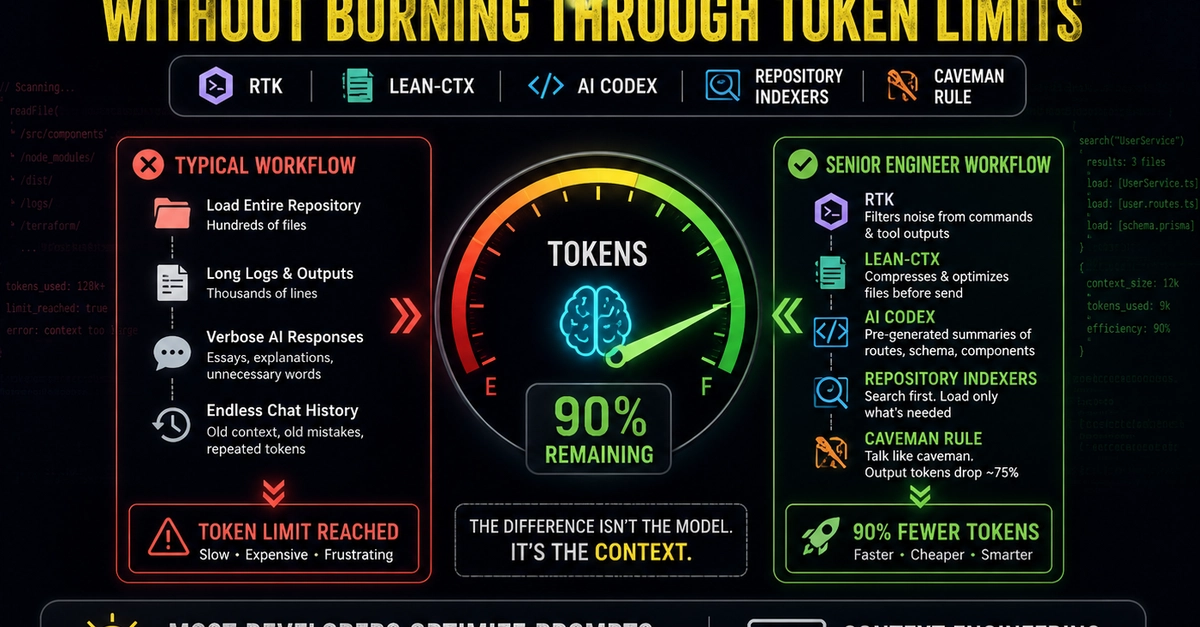
Alibaba researchers have built a framework called SkillWeaver that slashes token consumption by more than 99% when AI agents tackle complex, multi-step workflows.
The core problem SkillWeaver addresses is deceptively simple: when an AI agent has access to hundreds or thousands of tools and skills, it struggles to pick the right one for each step.
How SkillWeaver actually works
Traditional tool-routing systems use what’s called a one-shot approach. The agent looks at a task, scans its entire library of available skills, and picks tools in a single pass.
SkillWeaver takes a fundamentally different approach. It constructs an execution graph for a given task using directed acyclic graphs (DAGs), essentially mapping out all the subtasks and their dependencies before choosing any tools. Then it applies a technique the researchers call Skill-Aware Decomposition, or SAD, which uses an iterative feedback loop to fetch, evaluate, and select the most relevant tool candidates for each node in the graph.