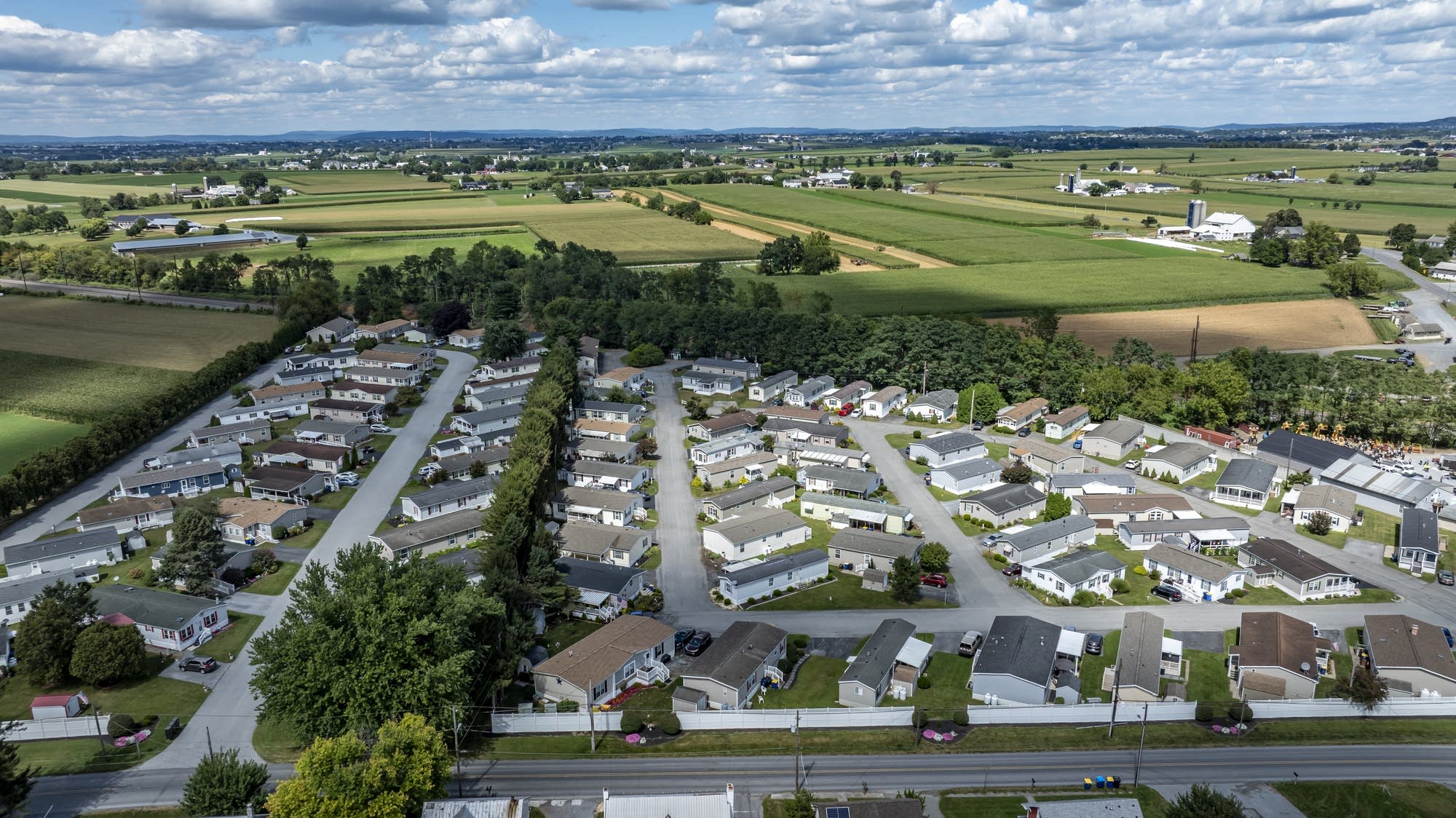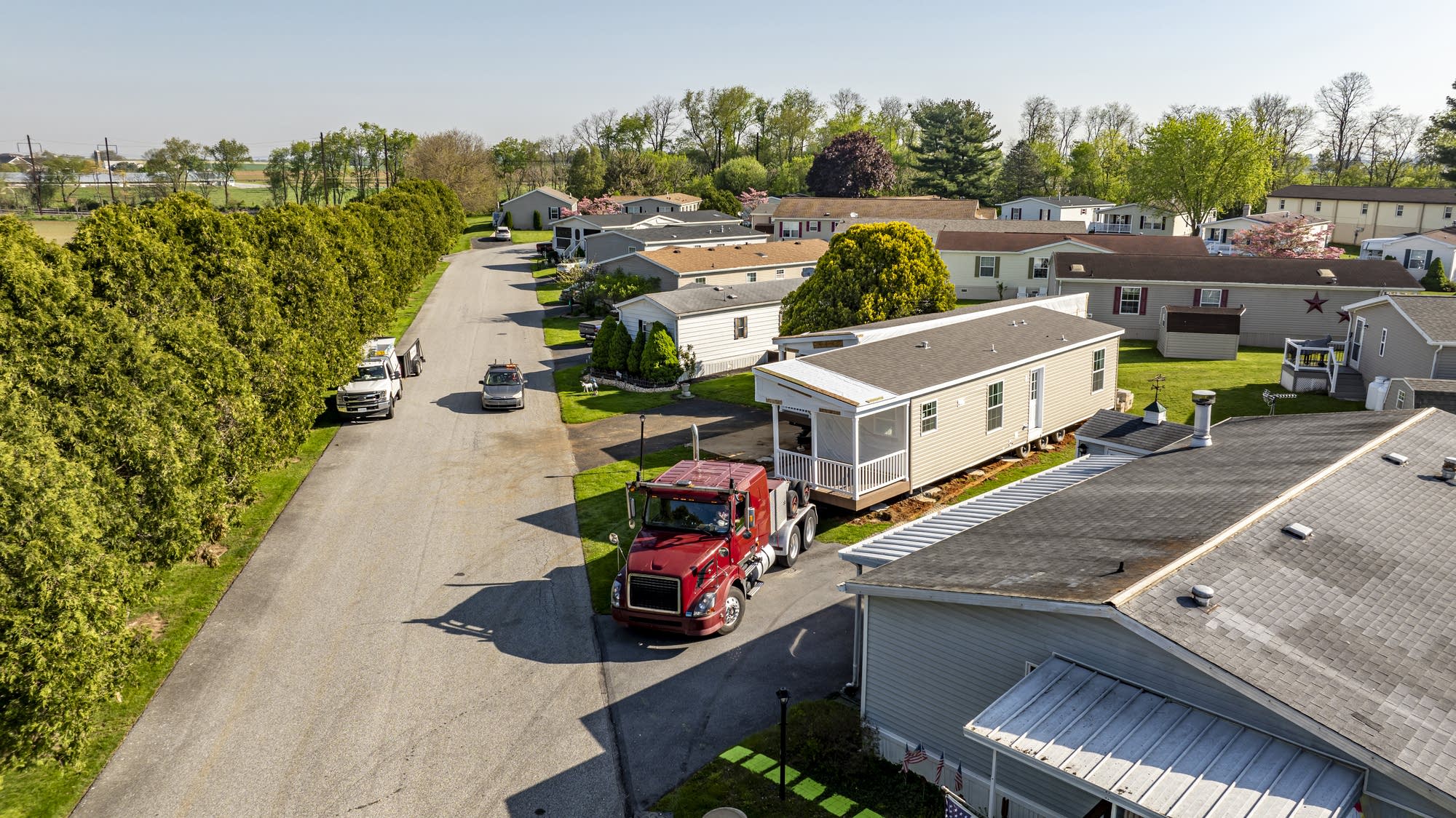
Congress’ historic housing bill still hasn’t been signed by President Donald Trump. There’s a lot in the bill, and changes may take years. Some of the provisions are meant to help rural America, where about a quarter of Americans live.That includes Sara Morgan, who lives in central Kentucky. Peeking out her window, “like literally two blocks away is Silver Creek Apartments in Berea, Kentucky, and those units are supported by USDA Rental Assistance,” she said.Morgan is president of Fahe, an Appalachian community developer. She said some rural landlords have mortgages that are tied to federal assistance, which keeps rent low. Once those mortgages are paid off, rent could go up. The housing bill separates the two. “So that the rental assistance can stay with the units longer,” she explained.Lance George with the Housing Assistance Council said that’s important even in the countryside. “Sometimes there's a misperception that affordability is not a concern or an issue in rural areas solely because nominal housing prices are lower,” he said. But so are incomes. And the housing affordability crisis is accelerating fastest in rural areas.Manufactured — or pre-built — homes tend to be more affordable. Banks think of them as mobile homes, which makes it tricky to get a mortgage. Ryan Allen, a University of Minnesota professor, said that’s an outdated viewpoint. “The idea that you would tie down modern manufactured homes onto their pads and then move them again just doesn't happen,” he said.Allen said that part of the mobile stigma is a 52-year-old federal steel-frame requirement. The housing bill gets rid of it.
Housing bill addresses longstanding challenges in rural areas
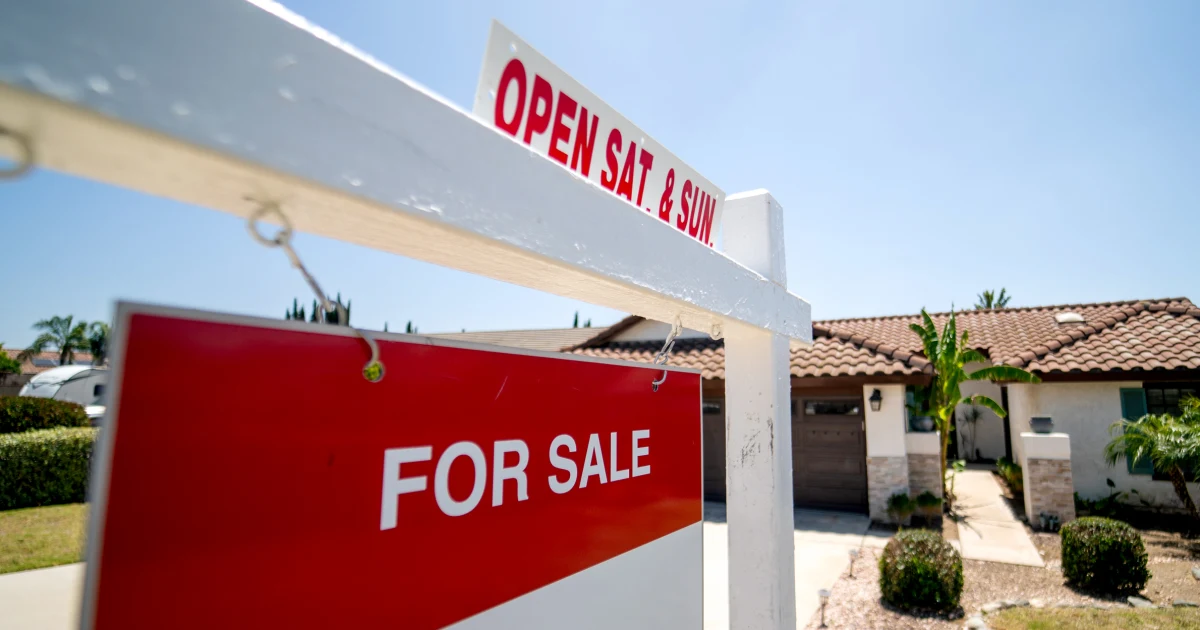
Some of the bill’s provisions address the cost of housing in rural areas, where about a quarter of people in the U.S. live.
262 words~1 min read