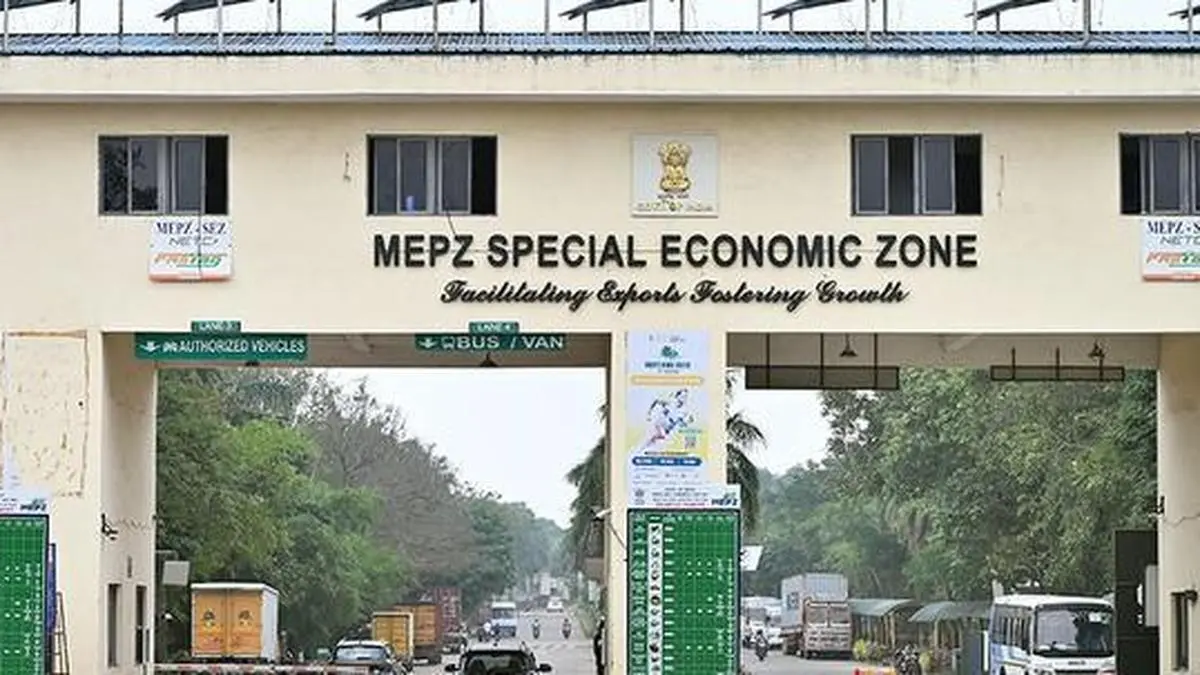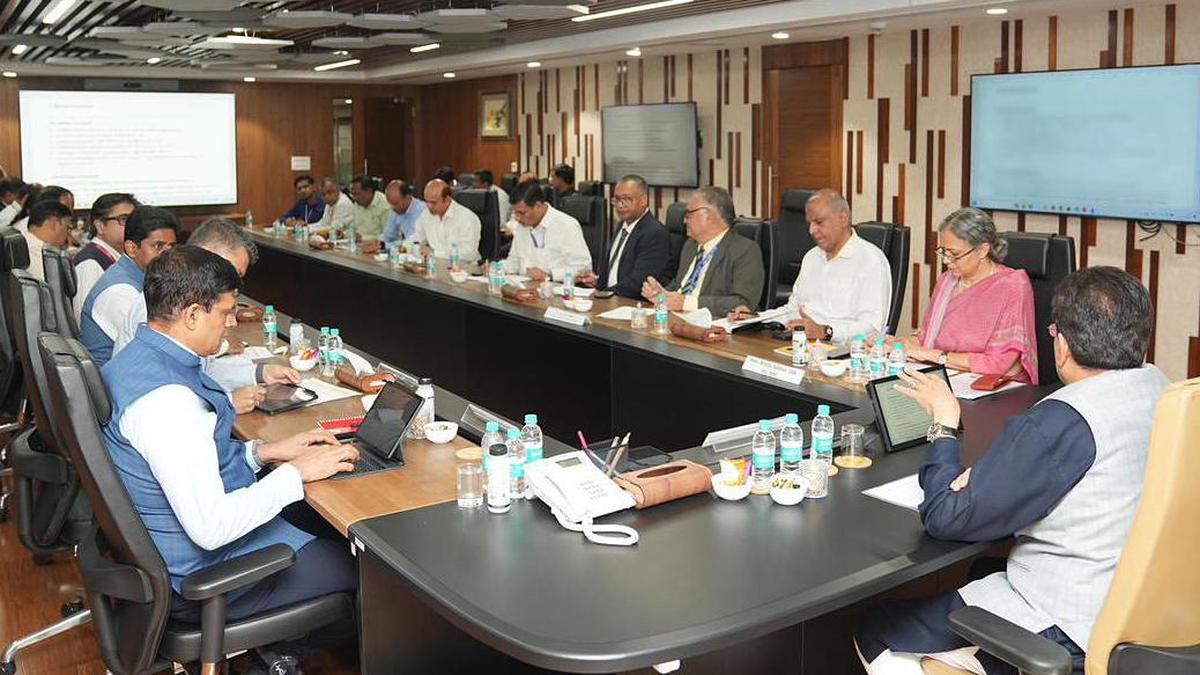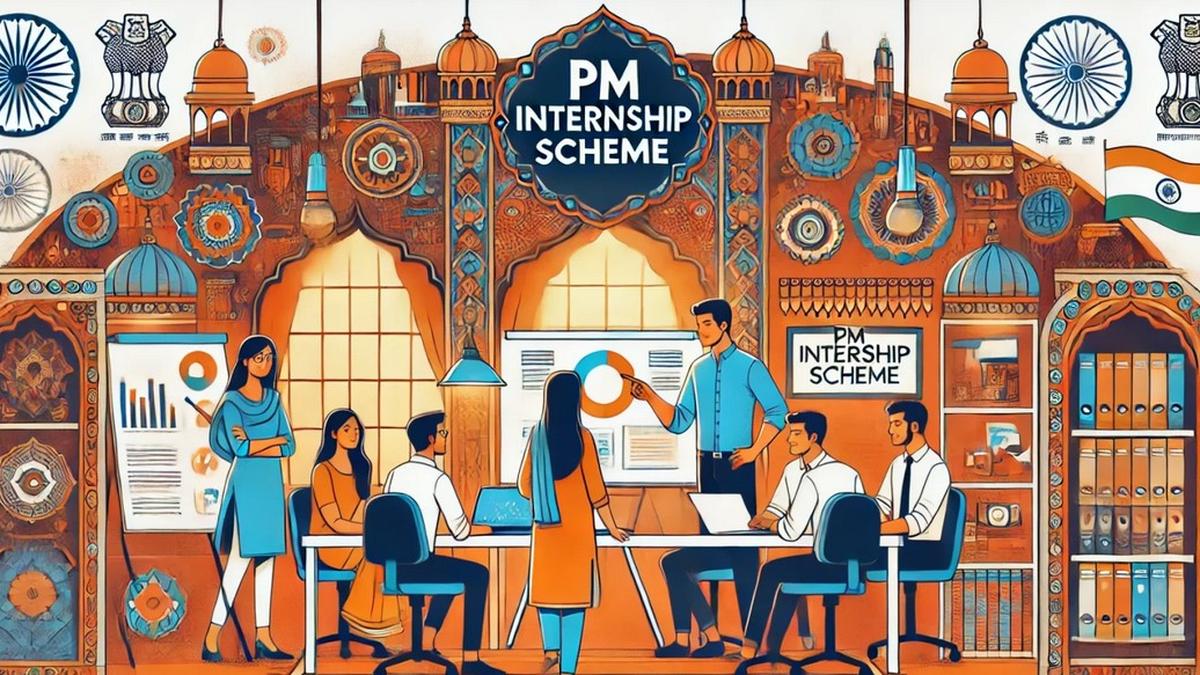
New Delhi: The corporate affairs ministry is considering a raft of measures, including pilot projects involving entities in special economic zones (SEZs), global capability centres and select small and medium enterprises, to improve participation in the PM Internship Scheme, people aware of the development said.The ministry also plans to widen the pool of companies eligible to offer internships by including firms nominated by state governments, they said. Each state may be allowed to nominate up to 20 companies registered in its jurisdiction.The move follows a muted response in the first two phases of the scheme, prompting the ministry to consider fresh measures to improve participation in the ongoing third phase, which began in March.Professional institutions, SMEs selected through industry associations and statutory authorities could also be tapped to broaden participation of both recruiters and candidates, the people said.The government has already expanded the number of eligible sectors to 31 from 25. The new sectors include electronics; engineering and design services; facilities management and business services; logistics, supply chain and shipping; and workforce solutions and human resources.It is also considering allowing companies without mandatory corporate social responsibility (CSR) obligations to participate, subject to certain conditions. Earlier, CSR spending was a key eligibility criterion."The government is considering many steps with inputs from key stakeholders. A final decision on them will be made soon," one of the people said. "The idea is to broaden participation, drawing lessons from the first two phases of rollout."Lower-than-expected participation and high dropout rates led to a sharp reduction in the scheme's allocation to ₹526 crore for FY26 from budgeted ₹10,831 crore.
Centre weighs SEZ, GCC pilots to boost PM Internship Scheme
The corporate affairs ministry is actively seeking to boost participation in the PM Internship Scheme. New measures include pilot projects with SEZs, global capability centres, and SMEs, alongside allowing state governments to nominate companies. The government is also expanding eligible sectors and considering firms without CSR obligations to address lower-than-expected engagement and high dropout rates observed in earlier phases.
264 words~1 min read