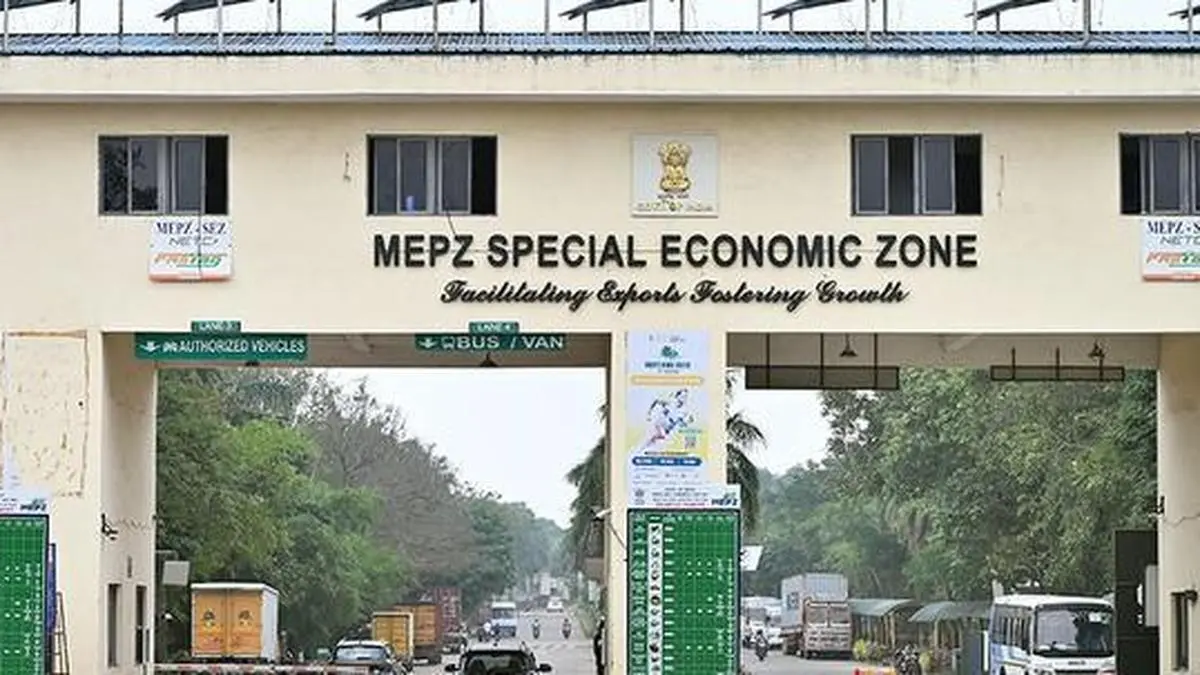
Stakeholders sought changes to SEZ rules to allow reverse job work by SEZ units for domestic tariff area companies without linking it to exports
| Photo Credit:
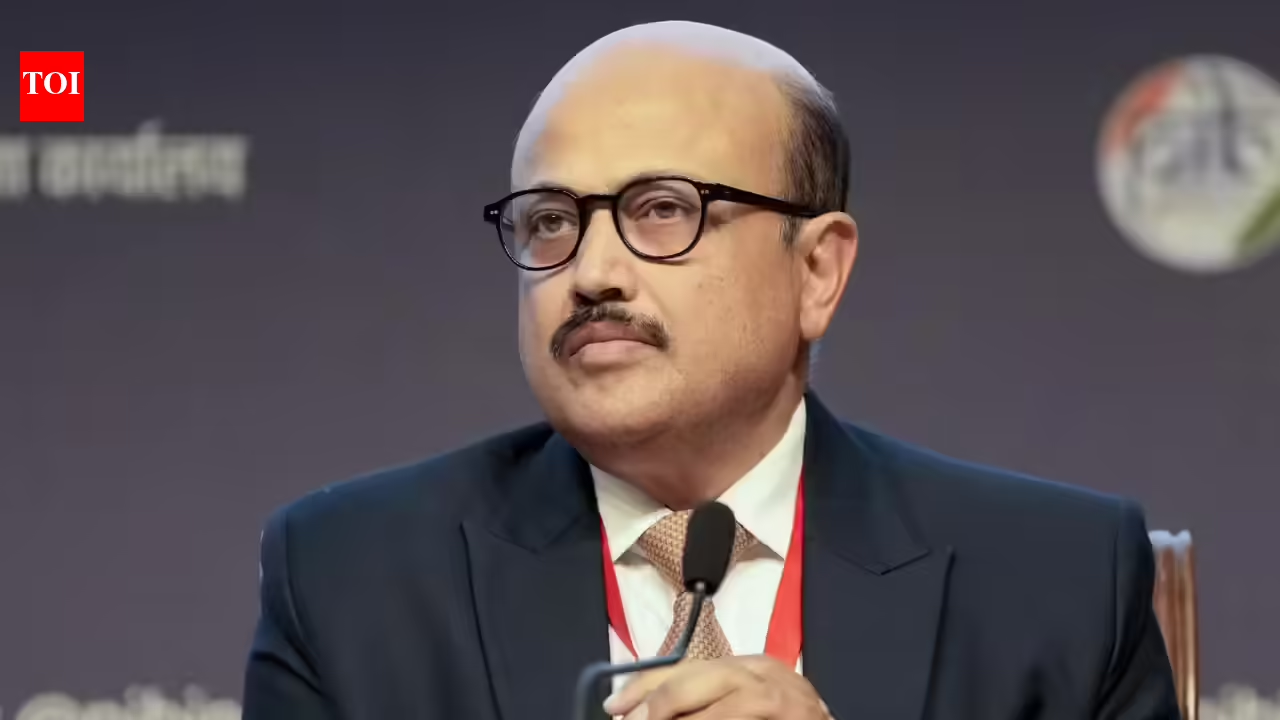
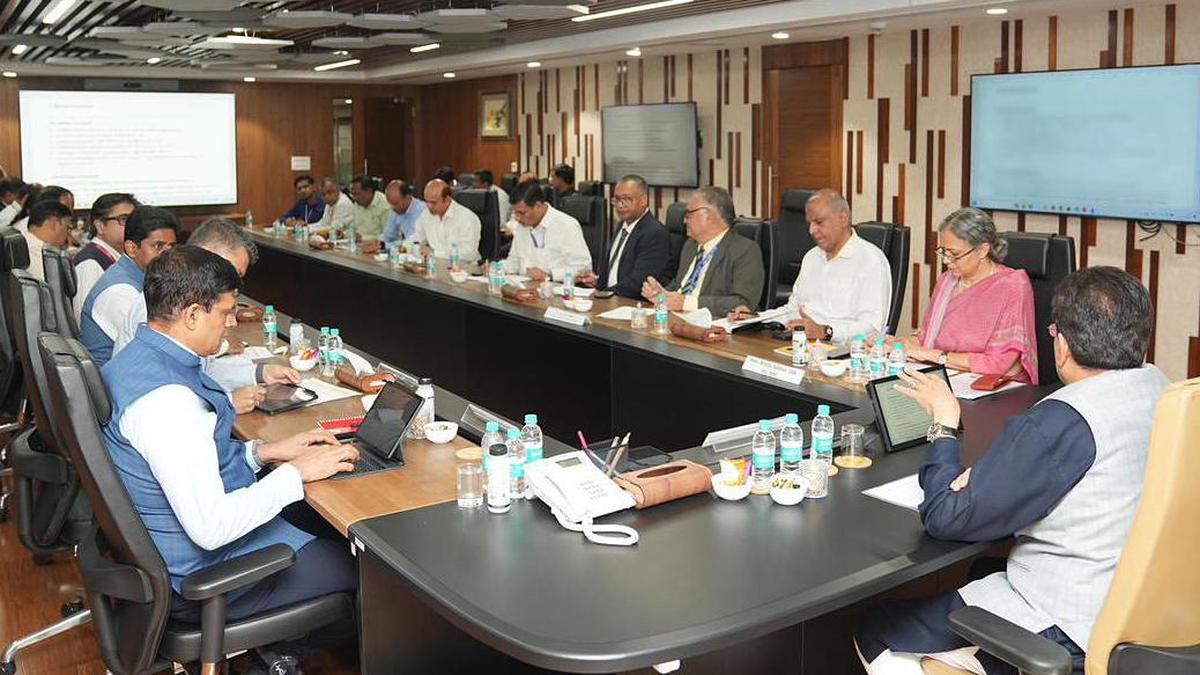
An inter-ministerial committee on SEZ reforms began stakeholder consultations on Tuesday on a proposed overhaul of the regime, with industry pitching for sweeping changes including allowing SEZ units to sell goods in the domestic market on a duty-foregone basis, permitting payment in rupees for services supplied to domestic customers, easing restrictions on reverse job work and simplifying compliance requirements.The inter-ministerial committee on larger SEZ reforms and harmonisation of export promotion schemes was constituted by the Department of Commerce in February under the chairmanship of Ajay Bhadoo, Additional Secretary in the department.The meeting, organised by the Export Promotion Council for EOUs and SEZs (SEZEPC) at Vanijya Bhawan, was attended by more than 100 representatives from SEZ developers, SEZ and Export Oriented Unit (EOU) operators, Manufacturing and Other Operations in Warehouse Regulations (MOOWR) units, domestic tariff area (DTA) companies, IT and services firms, industry associations and advisory firms.“Industry strongly backed allowing supplies from SEZs to the domestic tariff area on a duty foregone basis, similar to the EOU and MOOWR schemes. Under the proposal, SEZ units would reverse only the customs duty benefits availed on imported inputs instead of paying duties on the finished product, a practice stakeholders said is followed in several leading global free-zone models,” a source tracking the matter said.Another key proposal was to permit SEZ units to receive payment in Indian rupees for services supplied to domestic customers. “Industry argued that the existing requirement of payment in foreign exchange has become a major hurdle for sectors such as aerospace, defence, maintenance, repair and overhaul (MRO) and advanced engineering services, compelling Indian companies to source such services from overseas,” the source said.reverse job workStakeholders also sought changes to the SEZ rules to allow reverse job work by SEZ units for domestic tariff area companies without linking it to exports, saying this would help build domestic capabilities in high-technology sectors.Among other recommendations, industry proposed allowing zero-duty domestic supplies by SEZ units for products currently imported from China and countries with which India has free trade agreements, to promote import substitution and support the Make in India initiative.The discussions also covered harmonisation of the EOU and MOOWR schemes, measures to promote Free Trade Warehousing Zones (FTWZs) as logistics hubs, and a series of ease-of-doing-business reforms, including a single compliance return, simplified procedures for services units, self-certification for supplies, greater operational flexibility and rationalisation of net foreign exchange requirements.Industry representatives noted that investment interest in SEZs had weakened after the withdrawal of direct tax incentives and urged the government to implement reforms that have been under consideration since the recommendations of the Baba Kalyani Committee and subsequent legislative proposals.“The committee held detailed discussions with stakeholders and assured them that their suggestions would be examined in details before its report is submitted to the government,” the source said.Published on June 30, 2026