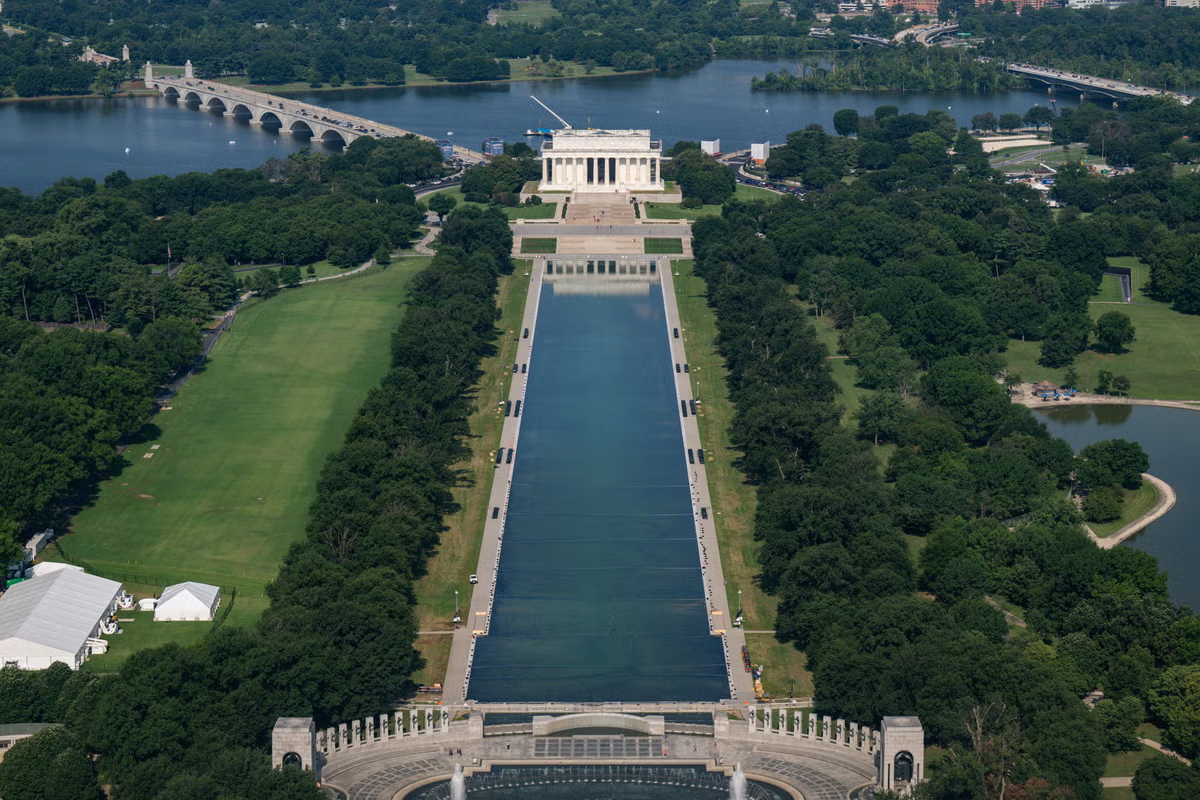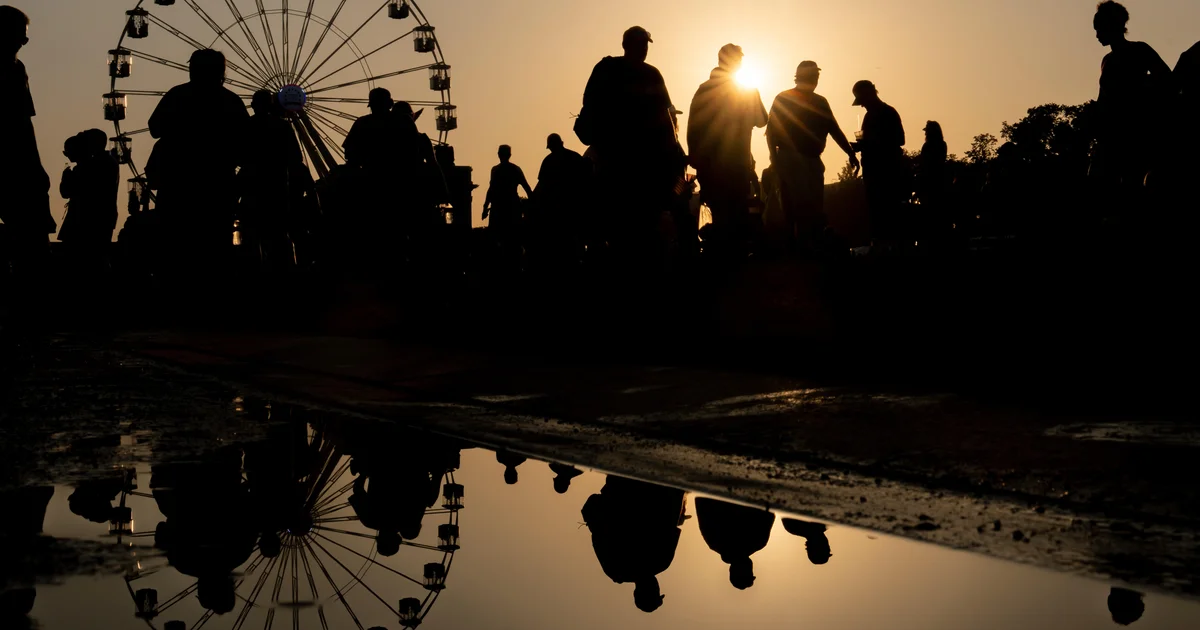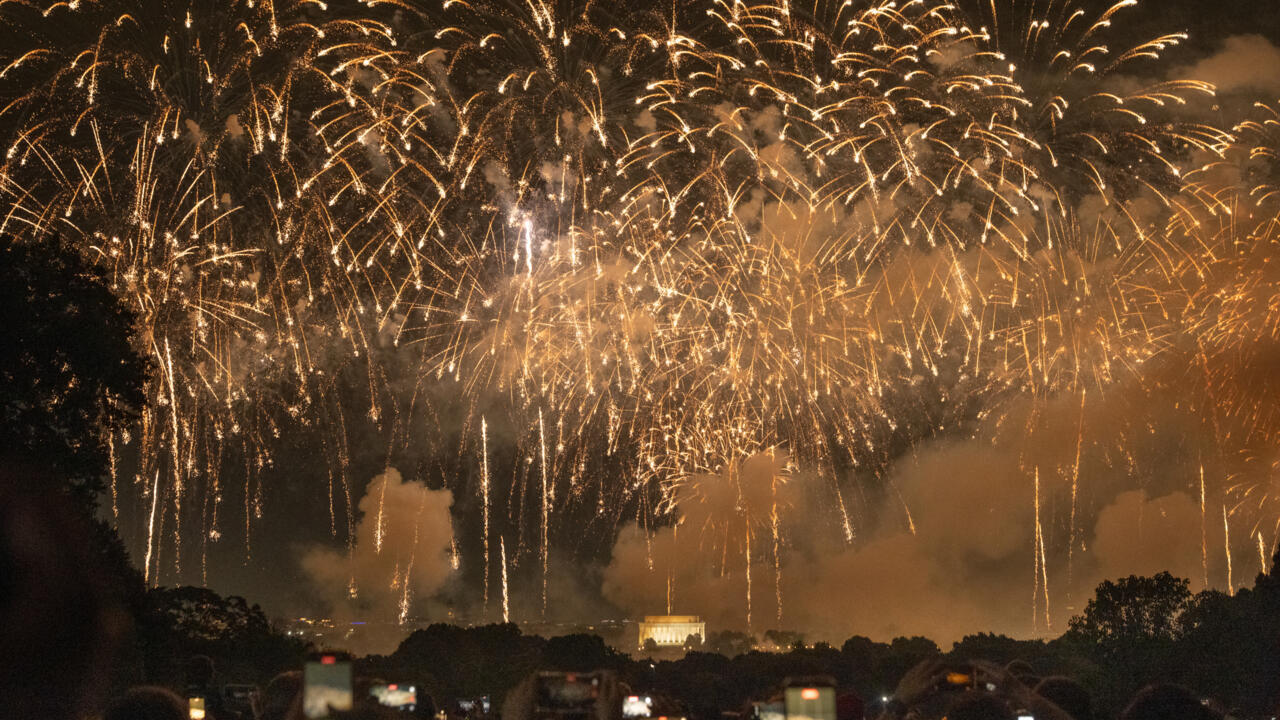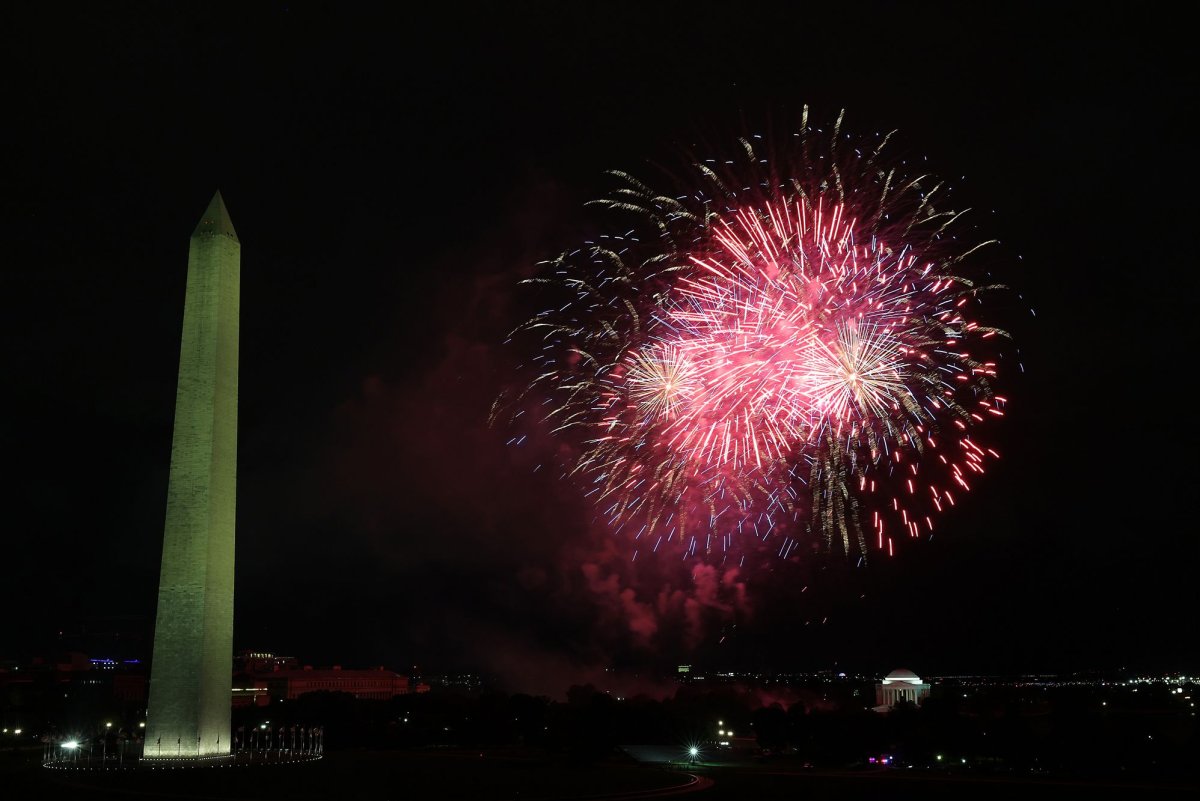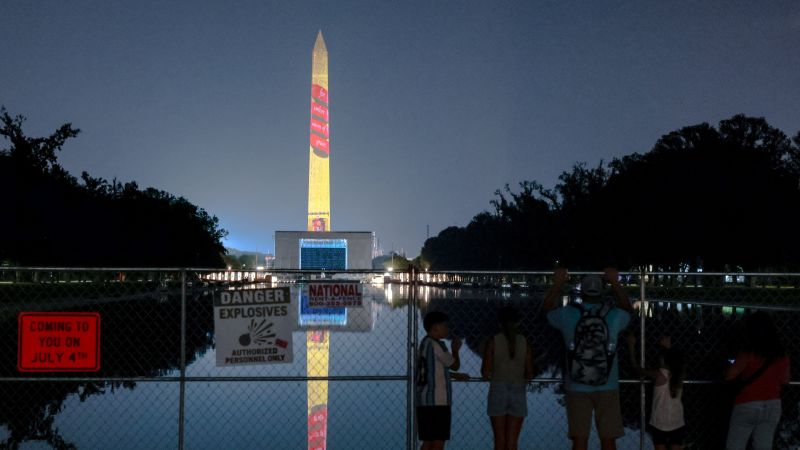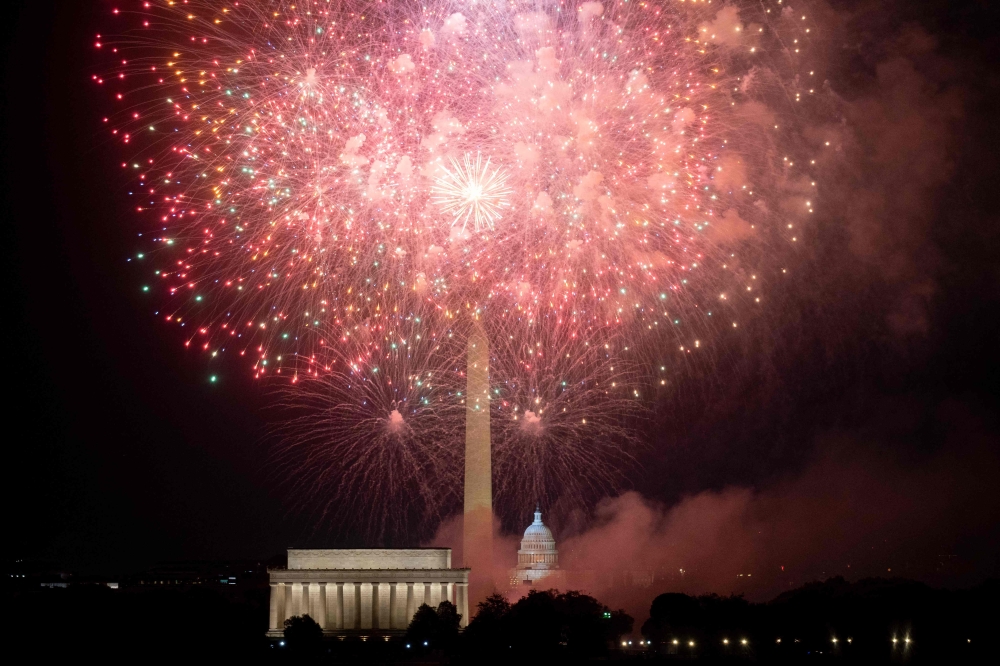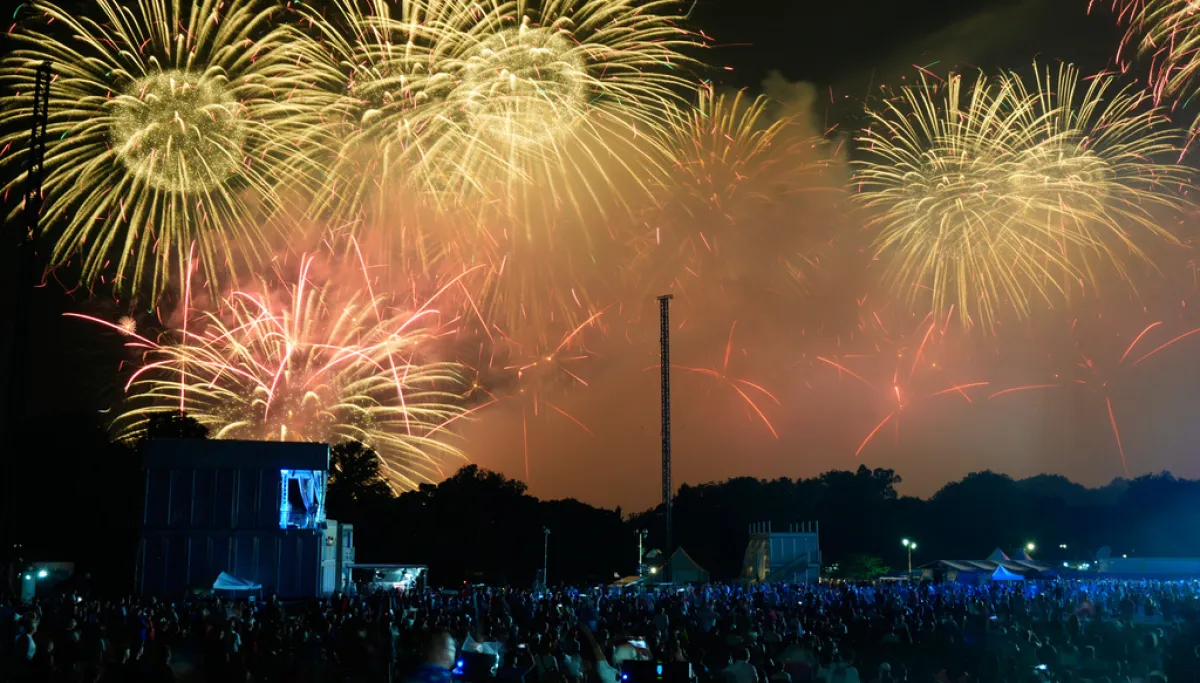
WHAT’S HAPPENING TODAY: Good afternoon and happy Thursday, readers! Daily on Energy will be suspended tomorrow for the long-Independence Day weekend. Our regularly scheduled programming will pick back up on Monday! 🦅🇺🇲 If you’re in Washington D.C. for the festivities, this year’s fireworks are expected to start around 10:30 p.m. or 11 p.m. It will be worth the wait as the shower has been billed at the largest firework display in history. Happy Fourth of July! Before we break for the holiday, though, today’s newsletter takes a closer look at the environmental risks attached to such a grand pyrotechnic display. 🎇🎆 A new report indicates that the Trump administration found that the firework show could cause “very unhealthy” pollution in the area. Keep reading for everything you need to know.
Welcome to Daily on Energy, written by Washington Examiner energy and environment writer Callie Patteson (@CalliePatteson). Email cpatteson@washingtonexaminer dot com for tips, suggestions, calendar items, and anything else. If a friend sent this to you and you’d like to sign up, click here. If signing up doesn’t work, shoot us an email, and we’ll add you to our list.QUOTE OF THE WEEK: Nearly 200 million people across 30 states are facing extreme temperatures this holiday weekend, energy experts are warning that the national electricity grid will face significant strain as people crank up their air conditioning to cool off. “Everything is sort of stretched to the limit,” Ramanan Krishnamoorti, vice president of energy and innovation at the University of Houston, said to ABC News. “I think you’re going to see massive challenges in terms of demand.”He added: “Everybody is going to be home for the July 4th weekend, and because of that, you’re going to see, I think, a significant load on the grid. Residential cooling is going to be the dominant source of where the demand is going to come, and it’s going to be pretty significant through the afternoon to late evening period.”HISTORIC JULY 4 FIREWORK DISPLAY SPARKS AIR POLLUTION CONCERNS: Saturday night’s firework show in Washington D.C. is expected to break records. The display is set to include around 850,000 fireworks over the span of 40 minutes – more than a hundred times more fireworks than what was set off last year. It is also billed to be the largest display to happen across the world. While this will set off a spectacular display of lights, the enormous amount of pyrotechnics is also expected to bring a significant amount of pollution. What the administration expects: Internal National Park Service documents obtained and reviewed by the Washington Post, show that the administration is aware that the firework show will cause “very unhealthy” air conditions in Washington D.C. and the immediately surrounding areas. In fact, a draft air-quality analysis conducted using NPS modeling warns that individuals should “avoid prolonged exposure” to the pollution following the display. Documents reviewed by the outlet show that downtown D.C., Arlington Virginia, and the Capitol Hill area will have “very unhealthy” pollution after Saturday night. The pollution will be so bad that people should “expect irritation symptoms.” The internal documents also estimate that the pollution will stay at high levels for up to six hours after the show is complete. With a start time of as late as 11 p.m., this could leave residents with poor air quality into Sunday morning. Another internal document from the NPS even recommends people wear an N95 mask when outdoors and “remain indoors as much as possible during and after the show.” Earlier in the week, the National Mall and Memorial Park’s social media account warned those with asthma to watch the fireworks from an upwind location, limit prolonged exposure, and move to different areas if they start experiencing irritation or difficulty breathing. HEATWAVE SWEEPS THE NATION: The entire continental United States is facing heat-related risks heading into the holiday weekend, with roughly 77 million people facing extreme heat on Saturday. Data from the National Oceanic and Atmospheric Administration shows that this “extreme heat” – meaning heat with no overnight relief – will be experienced on the East Coast, hitting Boston, Pittsburgh, New York, Washington D.C., and Atlanta. A major heat warning has been issued for another 66.7 million people, stretching further into Mississippi, Arkansas, Missouri, Ohio, and Maine. To see how hot it could be in your hometown, check out NOAA’s full heat advisory map here. In Washington D.C., temperatures are expected to climb into the low 100s before breaking early next week, when they will fall to the high 80s by Monday. However, what the air actually “feels like” to the human body, could hit above 110 degrees due to increased humidity. The National Weather Service has warned that there will be limited overnight relief for this heat, with low temperatures only dropping into the high 70s. To protect yourself from the heat, officials urge you to limit time spent outdoors, stay hydrated, and ensure access to air conditioning or cooling centers. If you’re in D.C., the city has added water stations, cooling tents, and air-conditioned buses for those visiting the National Mall for this weekend’s festivities. TRUMP ADMINISTRATION TO AXE GREEN APPLIANCE RULES: The Department of Energy is moving forward to “permanently end home appliance and equipment mandates” that the administration claims have raised costs and throttled consumer choice. The agency announced that it will be proposing an overhaul of its rules and regulations regarding energy efficiency standards for appliances such as air conditioning units, gas stoves, washing and drying machines, water heaters, refrigerators, and more. The 192-page proposal made public today does not appear to remove any existing standards, but would make it more difficult to impose those standards on new products and update existing rules. It would also alter the agency’s testing procedures and processes for developing energy conservation standards, reinstating requirements set under the first Trump administration. “For too long, the American people paid the price for mandates that restricted consumer choice and drove up costs. President Trump promised to end this nonsense and that is exactly what we are doing,” Energy Secretary Chris Wright said. You can read the full proposal here. The proposal comes just one week after the Energy Department claimed updated green codes would add $14,000 to the cost of new homes. You can read all about that from Maydeen here. Some pushback: The Appliance Standards Awareness Project warned earlier today that while the administration said the proposed rule could cut-costs, it could actually put major cost-saving advances at risk. This is based on their estimates that strengthened energy standards could reduce a typical household’s utility bill by an average of $160 annually. Andrew deLaski, executive director of the Appliance Standards Awareness Project said, “Efficiency standards are a proven policy for lowering Americans’ energy bills, but this would create hurdles designed to make updating them more difficult.” WHERE OIL AND GAS STAND HEADING INTO THE HOLIDAY WEEKEND: As we approach the long weekend, oil and gasoline prices appear to be staying relatively low, offering some relief for drivers hitting the road for the holiday. As of today, AAA was reporting the national average price of gasoline to be $3.838 a gallon, down from more than $4 one month ago. Diesel is also tracking at an average price of $4.827 a gallon. This time last month, diesel had hit $5.4320 a gallon. Oil, on the other hand, has been trading around levels seen before the war in Iran began. Around 9 a.m. this morning, Brent Crude and West Texas Intermediate were both down by more than 1%, selling at $67.68 a barrel and $70.72 a barrel respectively. Prices began to tick back up by the afternoon, however, as Iran’s joint military command warned that all oil tankers moving through the Strait of Hormuz must use its approved routes or face “forceful response.” Crude prices didn’t spike much before 3 p.m. EDT today, with Brent jumping just 0.21% to $71.72 a barrel. Similarly, WTI increased 0.07% and was priced at $68.63 a barrel. Some analysis: “The market seems to be clinging tightly to the hypothesis that the war in the Middle East cannot last long, and the optimistic statements from yesterday’s negotiations reinforced this narrative,” Samer Hasn with XS.com said in a note obtained by the Wall St. Journal.ICYMI – FEDERAL NUCLEAR REGULATORS OVERHAUL DECADES OLD RADIATION SAFETY RULES: The Nuclear Regulatory Commission has proposed doing away with decades-old standards regarding radiation exposure, as part of its overhaul of agency regulations to accelerate the deployment of new nuclear reactors.Yesterday, the NRC said it planned to get rid of the requirement for nuclear power plants to ensure that radiation exposure should be as low as possible. This standard, better known as ALARA (meaning as low as reasonably achievable), applies to nuclear power plants, fuel cycle facilities, medical facilities, universities, and more. The agency claimed yesterday that it found this standard “can lead to additional costs and complexity without a measurable safety benefit.”Chairman Ho K. Nieh insisted that the move would not lower the standard for safety, but increase the standard for regulatory clarity. “Our radiation dose limits remain unchanged—what we’re eliminating is unnecessary ambiguity,” he said. RUNDOWN E&E News ‘We are screwed’: People near data centers dread heat wave pollution.Associated Press This air conditioning strategy is the sweet spot for saving energy and money, experts sayGrist Urban trees aren’t just nice, scientists say — they’re mandatory