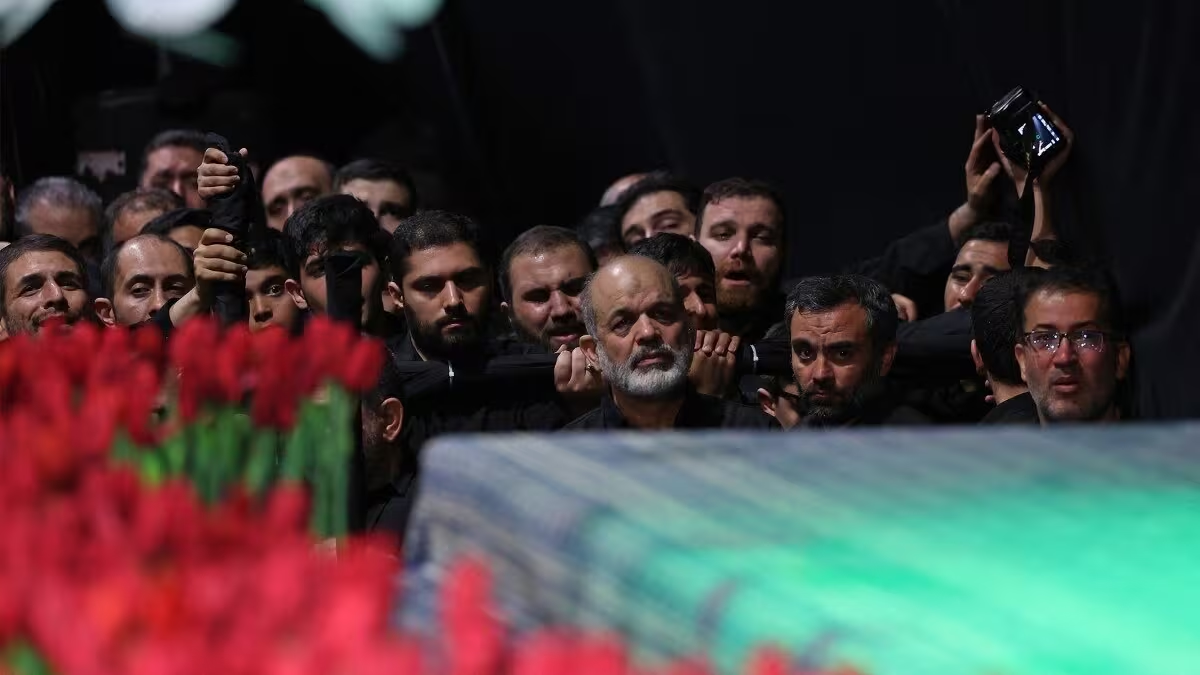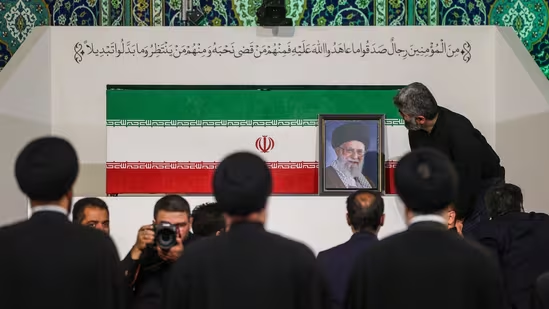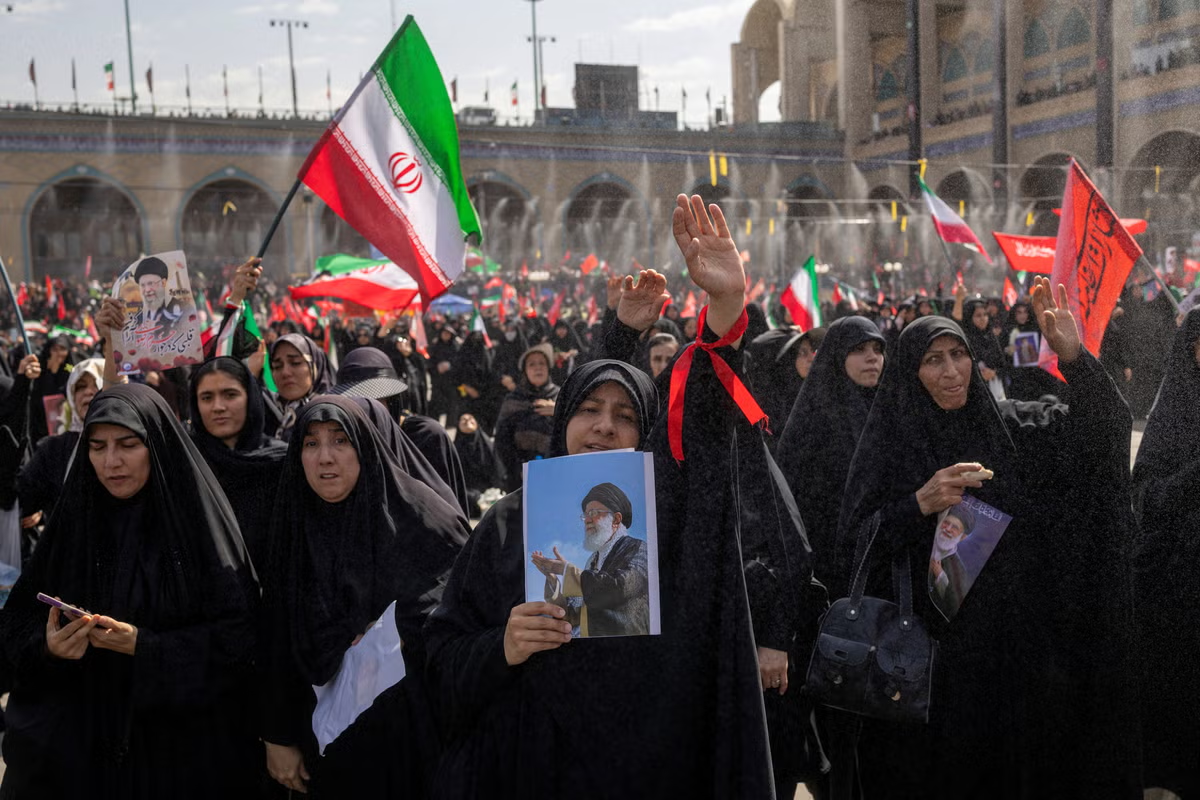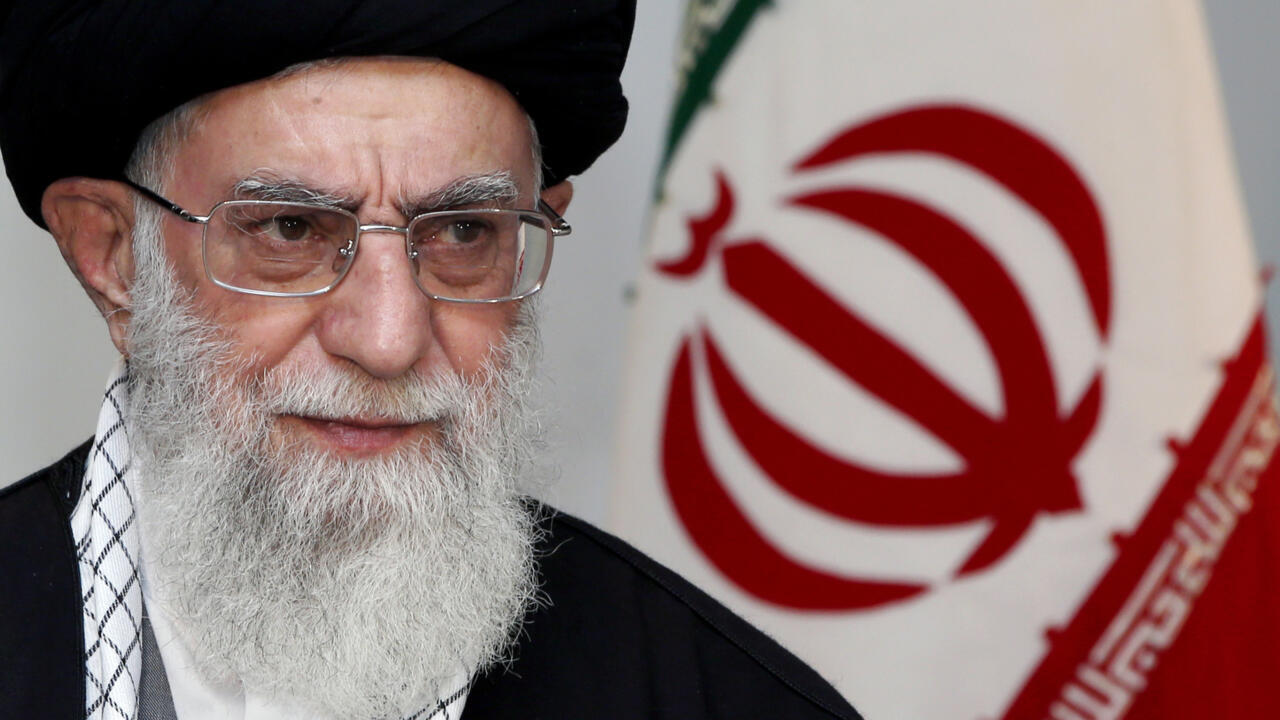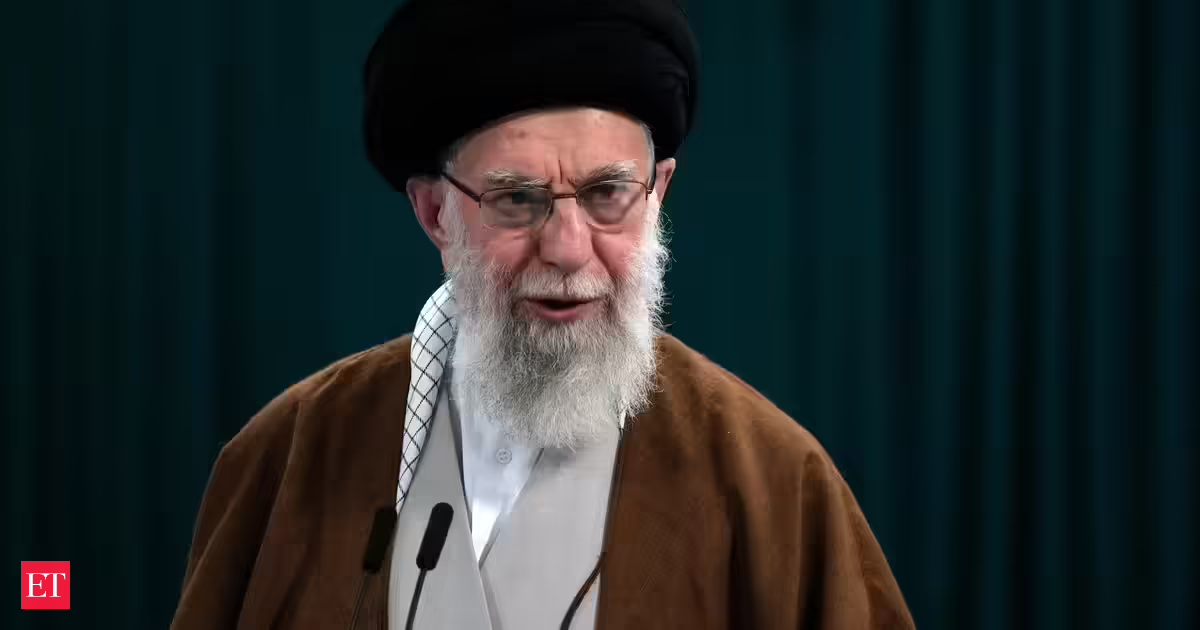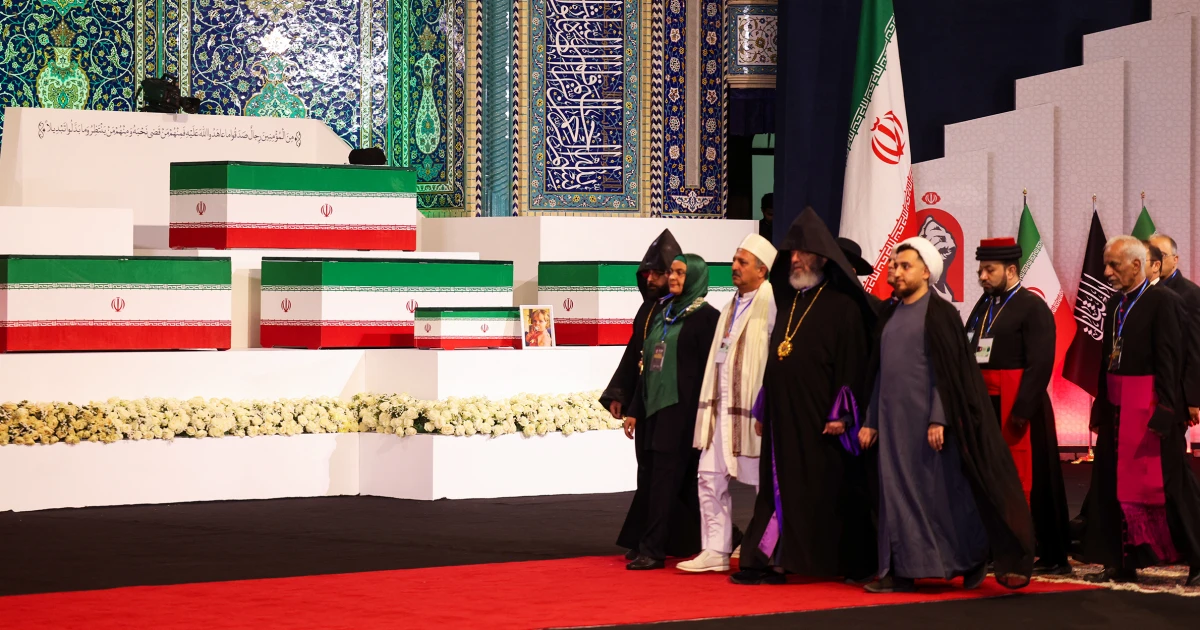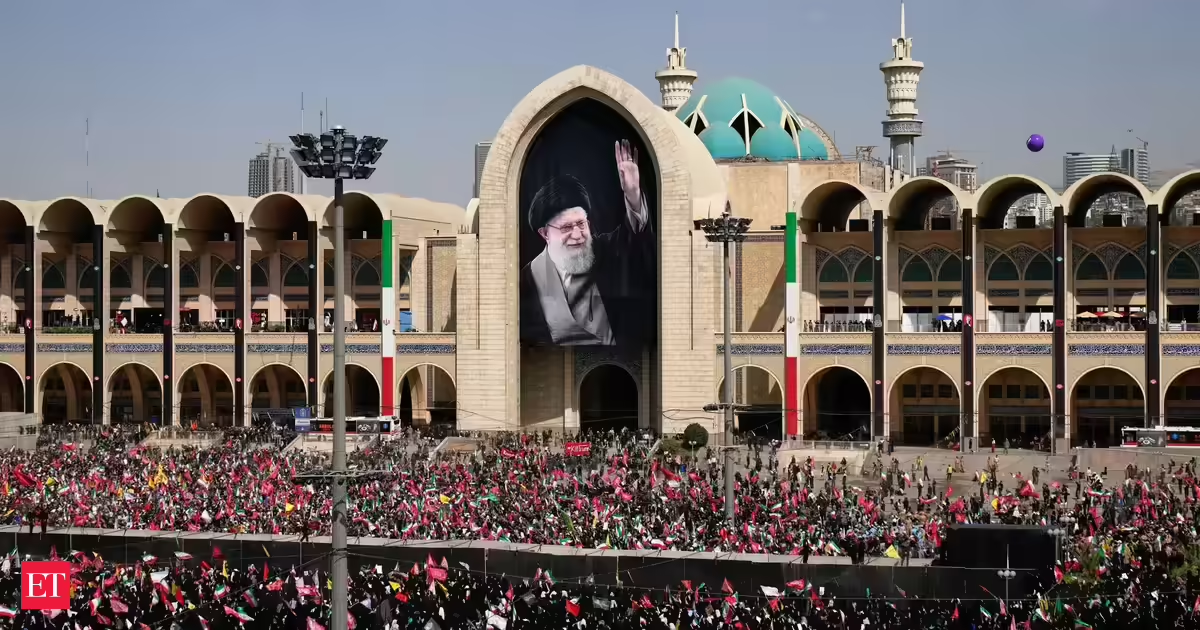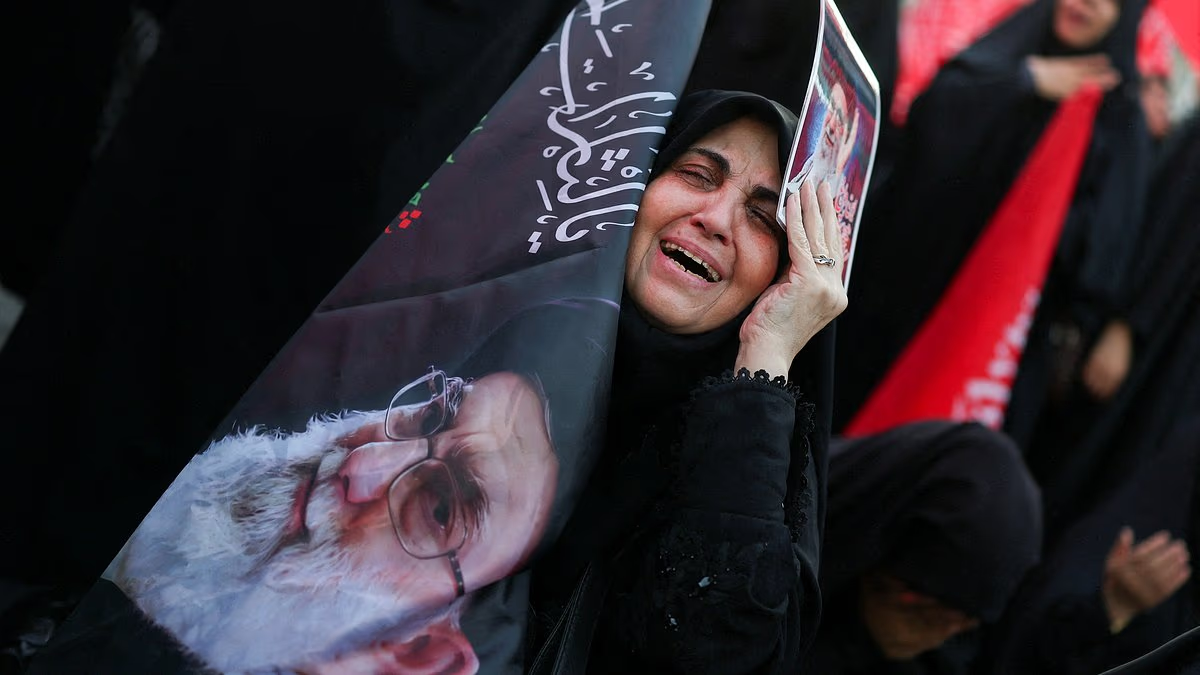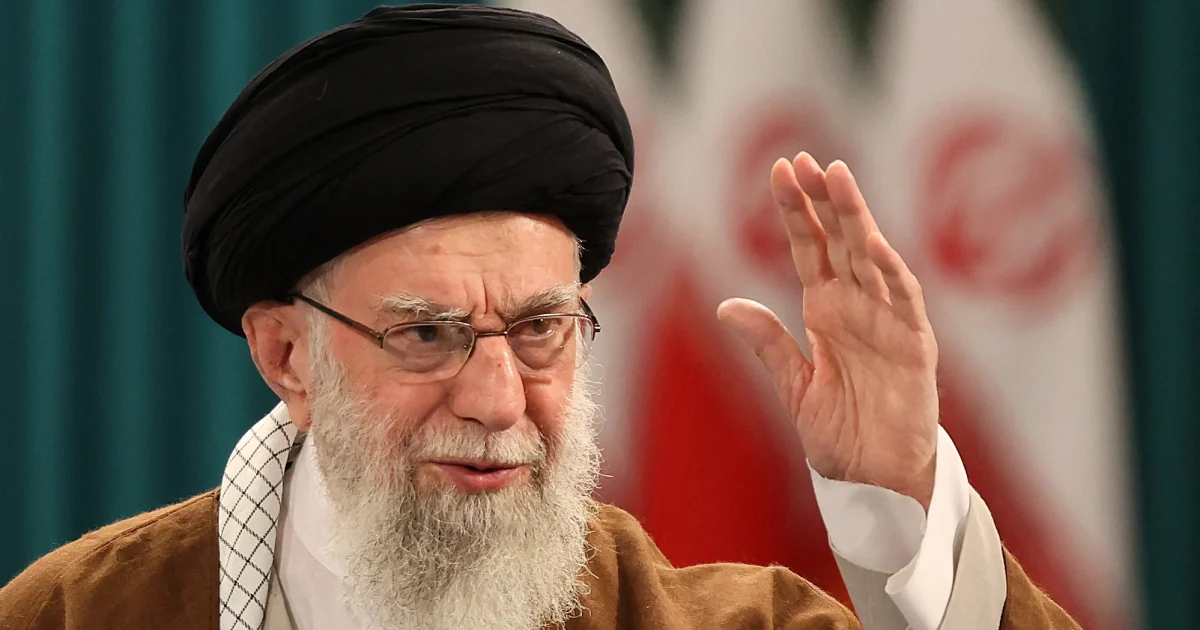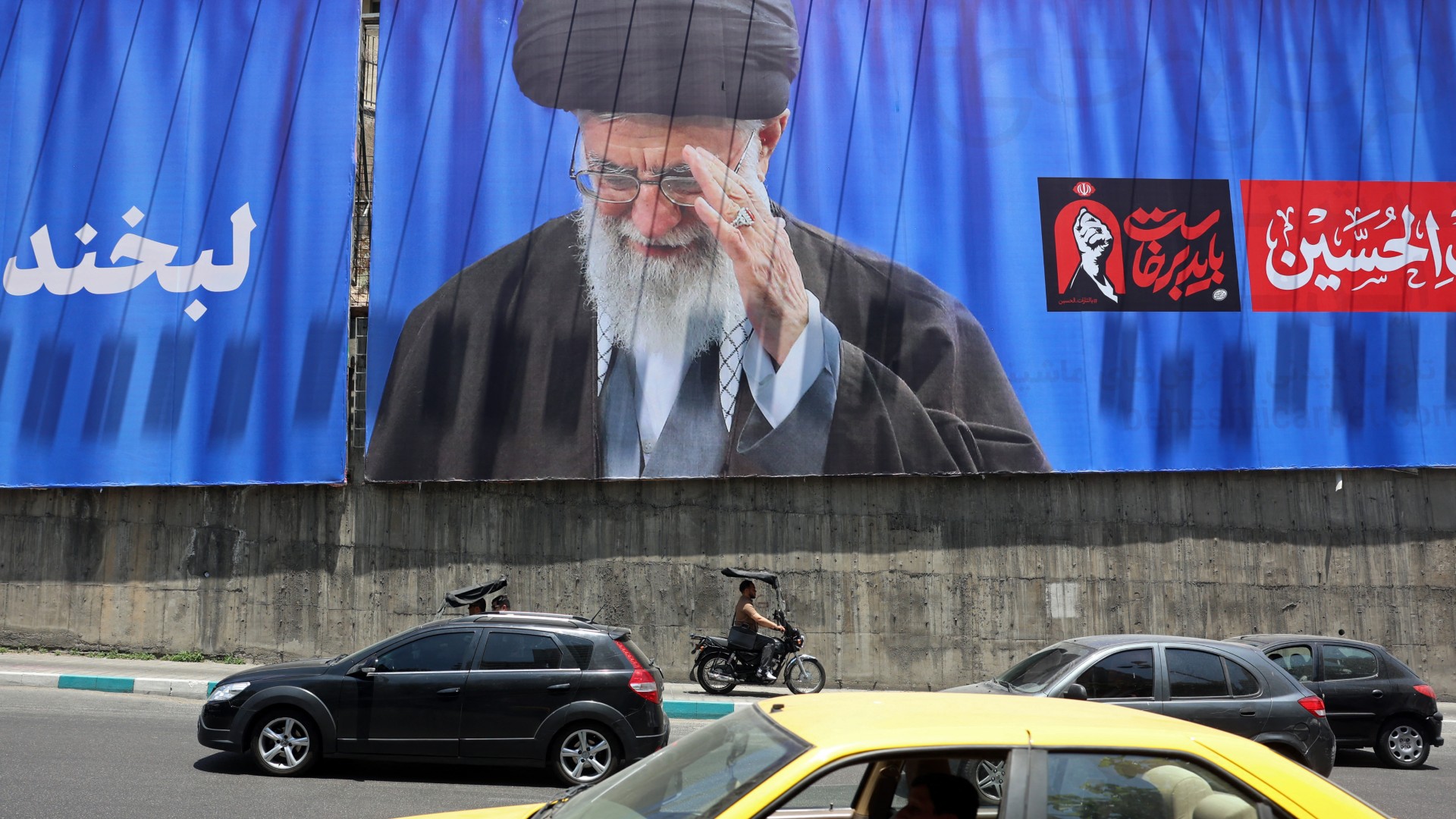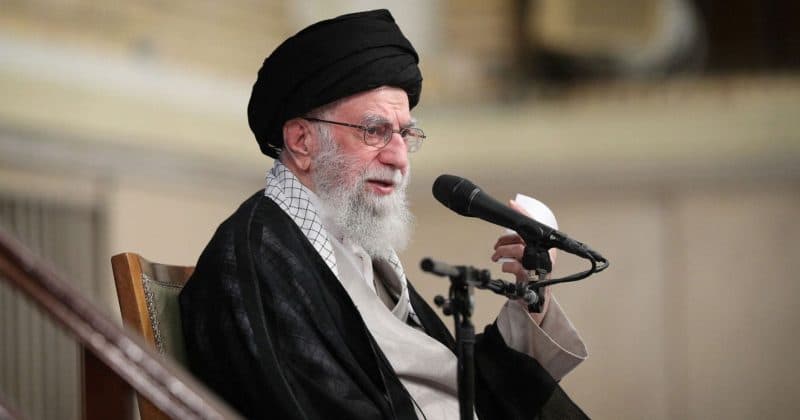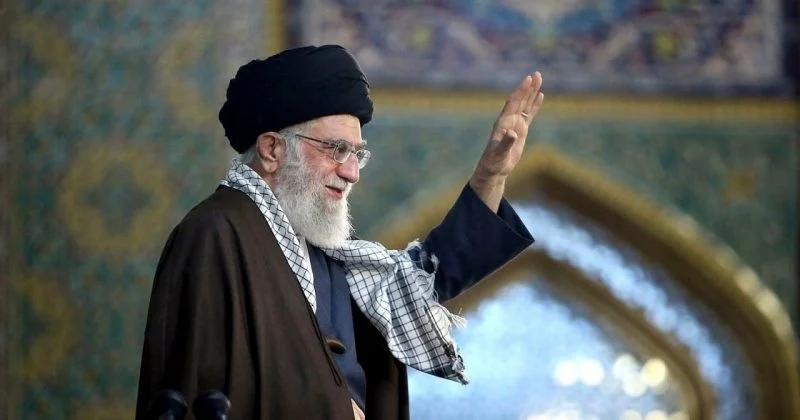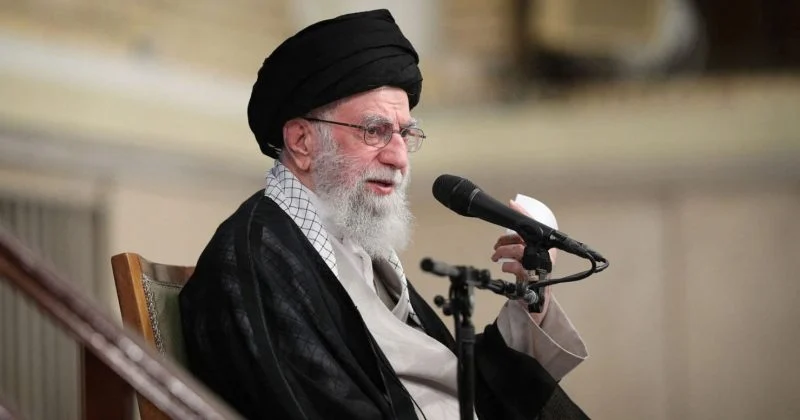
In 1989, the funeral of Iran’s first Supreme Leader, Ruhollah Khomeini, attracted an estimated 10 million mourners, marking one of the largest gatherings in history. As Iran prepares for the funeral of its second Supreme Leader, Ali Khamenei, expectations are even higher, with authorities anticipating attendance ranging from 15 to 35 million people. Khamenei, who was killed in a U.S.-Israeli airstrike, will be honored in ceremonies spanning several key cities, including Tehran, Qom, and Mashhad, with symbolic events in Iraq. This significant turnout could imply strong public support for the regime, potentially impacting Iran’s leadership stability and the broader geopolitical landscape.
Prediction markets are closely monitoring the developments around Khamenei’s funeral and its potential implications for Iran’s political landscape. Current market activity suggests that a large turnout at the funeral may stabilize the regime by showcasing widespread public support, thereby decreasing the odds of a leadership vacuum by the end of 2026. With Mojtaba Khamenei widely seen as a likely successor, markets currently price the probability of a stable leadership transition by year’s end at around 83%.