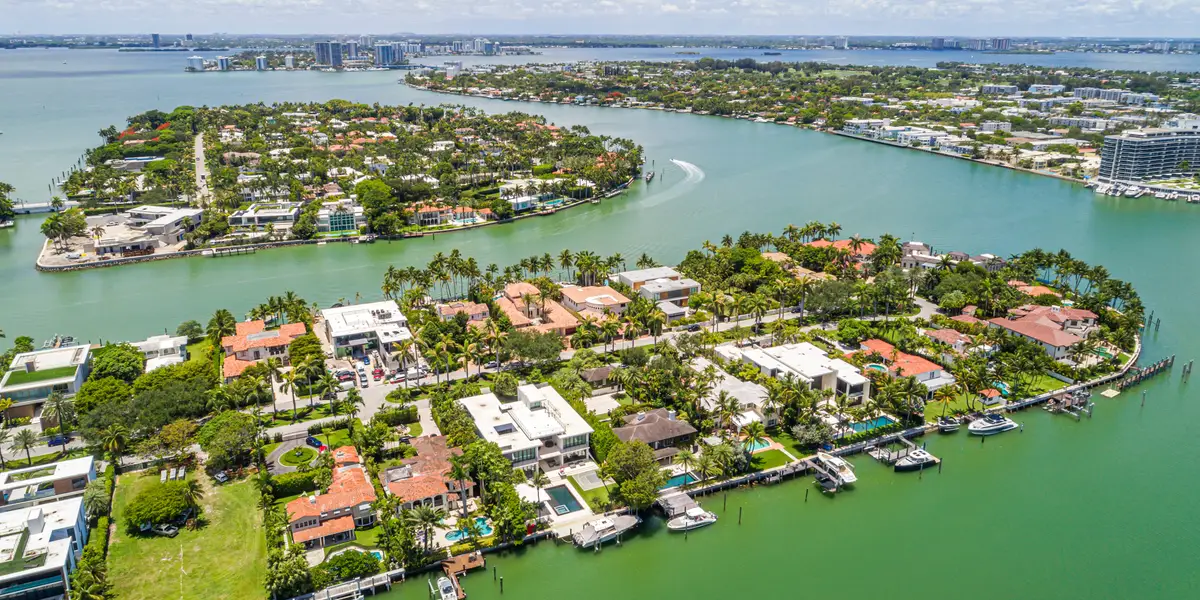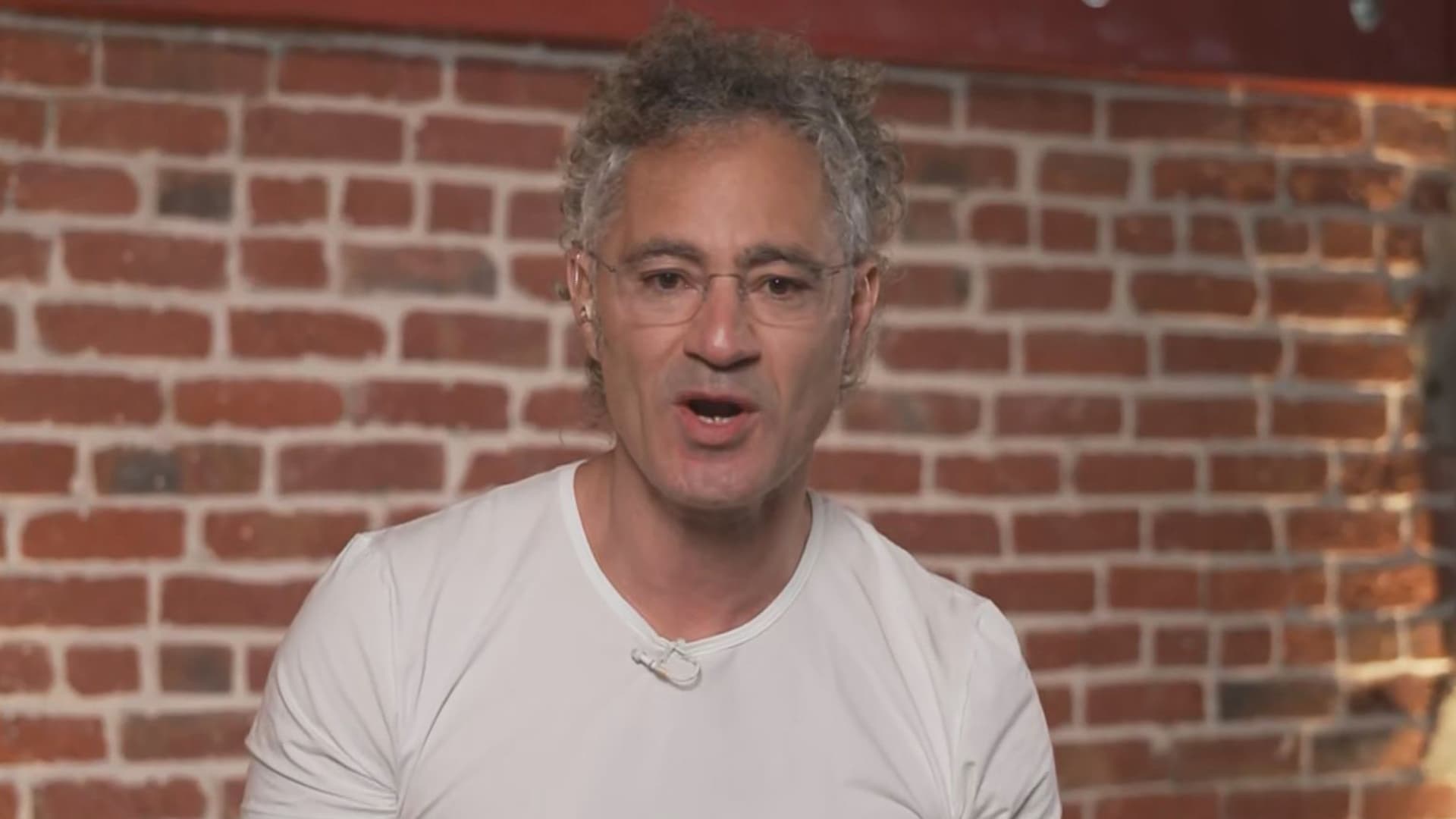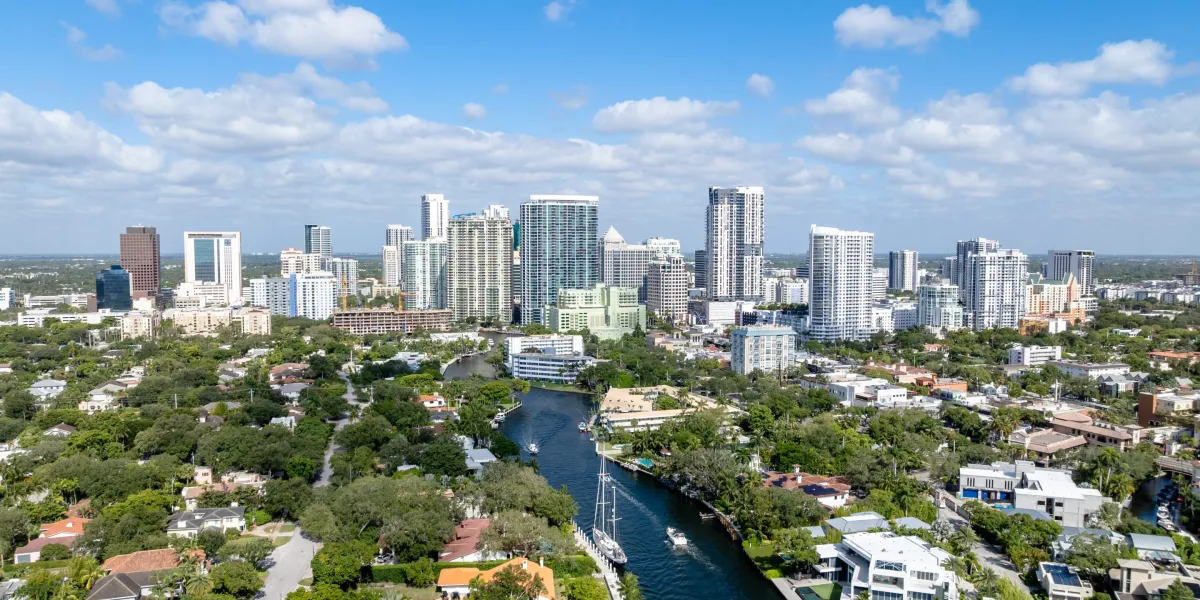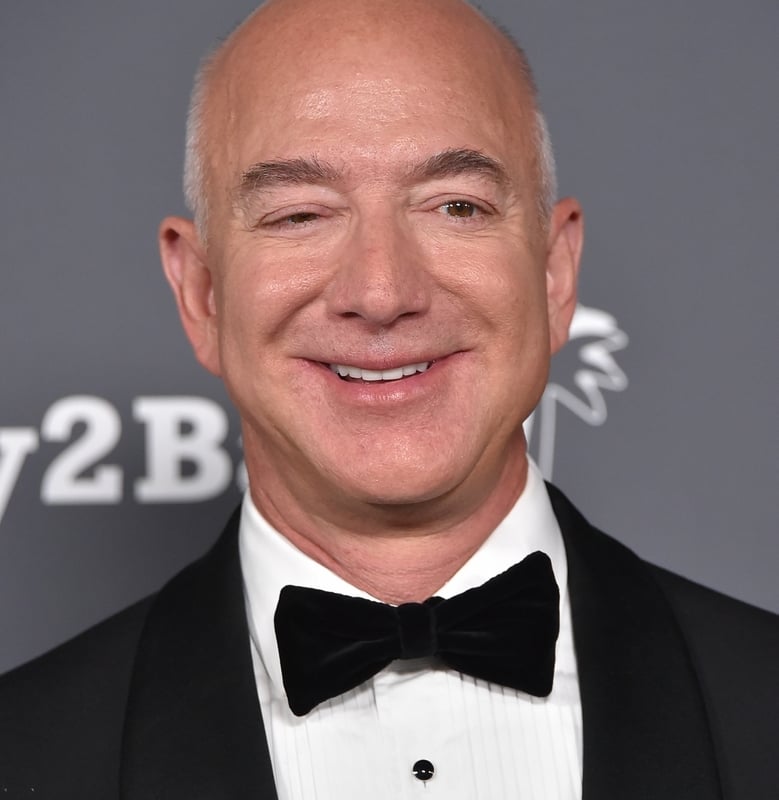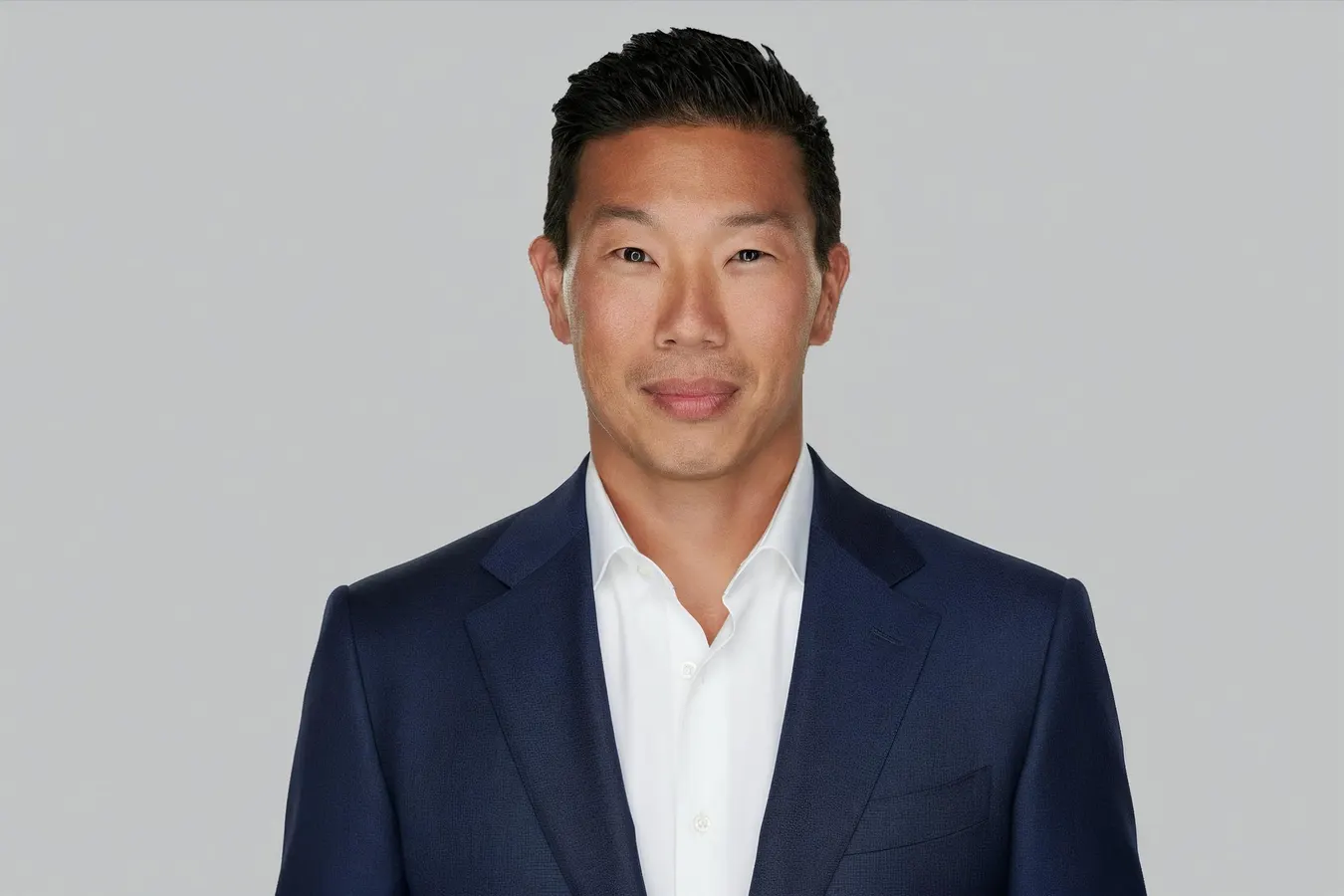
Jay Roberts, CEO of Prosper GroupProsper GroupA growing number of companies and their wealthy executives have been relocating or expanding to Miami, including FC Barcelona, MSC Cruises and Galderma – a Swiss skin care company that noted the large number of med spas and relocated its US headquarters as a result. Indeed, the company relocations seem to be following the billionaire tide that includes investor Peter Thiel; and Alex Karp, of Palantir, which also moved its headquarters from the Washington, D.C. suburbs; Howard Schultz, formerly of Seattle; and Mark Zuckerberg. The flight south has been attributed to Florida’s zero income and capital gains taxes, which stand in stark contrast to the tax-the-wealthy movement spreading across the West, in places including California, Washington, and Colorado.You can also see the shift to Miami as part of the United States’ re-orientation toward the Western Hemisphere and away from Europe. When I worked in New York, as the managing editor of Crain’s NY, we had a copy of the poster in our office: view from New York, showing every other place in the world as a mere speck on the map compared to NYC. Miami, when I visited a few years ago, felt like that too: A city-country unto itself with ties to both the United States and Latin America. Great cities need more than one thing, however. Among other realities, they need the glam milieu of the billionaires, and equally, they need the neighborhoods of strivers, people whose largest asset is a dream. Some of the long-term trends that turned Miami into a city of dreamers are shifting: immigration to this gateway city is slowing because of federal policies. And one of the emotional hearts of the city, the Cuban-America population, is reportedly split on the U.S. policy of sanctios. The U.S. has been blockading oil supply to Cuba, leading to a national fuel shortage. Increased blackouts have forced schools and hospitals to close and caused food and water shortages. (TIME). But it is surely true that this dynamic and important economic story has been overshadowed by the question of wealth, and taxes.For now, in Miami, the tax policy seems to be driving economic growth of the ostentatious kind: cruise ships, med spas, real estate companies and yes, Playboy has relocated its headquarters to Miami, too. In other words, Miami seems to be testing the extremes of a K-shaped economy – how does it feel to live in a great city where one of the biggest economic drivers is the billionaire economy?MORE FOR YOUI thought it would be interesting to ask Jay Roberts, leader of a real-estate development group called Prosper Group, about how an entrepreneur keeps a medium and long-term orientation during the boom and bust cycles of real estate. Roberts has an American Dream story - from his beginnings in an orphanage in South Korea. His five-year-old firm has $2.8 billion in residential development (sometimes including commercial space) across Miami and Tampa. Miami is one of the most expensive luxury markets in the United States. While the median home price in Miami fell about 7% to $610,000 in March, at the ultra-high end range, demand is growing. In 2025, sales in the $50M plus range made up 7% of the market, The New York Times reported. Five years ago, there were no sales in this range.We also chatted on Roberts’ podcast, and he answered questions about Miami's new identity. If Miami were the capital of a country, what country would it be?Miami feels like the capital of the U.S. right now because it sits at the center of wealth, policy, and lifestyle - three things that remain top-of-mind in our country.What we are seeing is a more modern system of capital allocation. Capital is moving to the places that treat it best, where the policy environment is supportive, the tax structure is competitive, and the opportunities are real. In that sense, Miami operates almost like its own economic platform. It attracts investors, founders, and firms because it gives them room to move, build, and scale. I discuss this at length on social media because people underestimate what happens when major waves of wealth enter a city. It does not just impact real estate pricing. It brings businesses, jobs, infrastructure, new talent, and an entirely new level of ambition. As more industry leaders relocate to Miami, they bring economic ecosystems with them. That is what turns a migration trend into a long-term growth story. Miami has also become one of the most strategically positioned places to park wealth. Latin American demand has always been a steady force, but now you are seeing more influence from the Middle East, other major U.S. states, and global investors who view Miami as a fortress, pro-growth, lifestyle-driven market with long-term upside.Why real estate as a career? When was Prosper Group founded?I’ve always had a strong foundation in analytics and numbers, which naturally led me into investment banking. Over time, I realized I wanted to evolve beyond working on the deals to shaping the projects they were for. After advising on major transactions like the MGM Resorts carve-out and the Paramount REIT IPO, I hit an inflection point while working on the financing package for Legacy at Miami Worldcenter, which ultimately led me to step into a developer role.That led to the launch of Prosper Group in 2021. Our goal is simple: concentrate on acquiring irreplaceable land parcels and infuse the developments with enduring design and forward-looking innovation, centered on a wellness-oriented lifestyle. We aim to produce this at the highest quality possible, in addition to offering accredited investors access to institutional-quality real estate opportunities.I’ve built a significant social media presence to share how we think about capital flows, city formation, and the macro forces shaping real estate. That also led to The Long Game, where I sit down with investors, founders, and operators to unpack how they think, build, and create value over time. Our focus on Florida is strategic. Miami, in particular, has evolved into a global epicenter for both wealth preservation and lifestyle migration, reinforcing long-term demand fundamentals. What is drawing businesses to Miami?Florida has a major advantage from a business standpoint. No state income tax, a more efficient regulatory environment, and a government that is generally supportive of growth. For companies, founders, and investors, that matters. It gives them more flexibility and the ability to scale with speed. Then you add Miami’s geographic advantage. It is a short flight from New York and Latin America, with strong connectivity to Europe and the Middle East. For many international investors, Miami has become the gateway into the U.S. market. It makes it easier for people from different regions to get in the same room, build relationships, and get deals done.The lifestyle also plays a huge role. Miami offers a vibrant coastal environment, year-round warm weather, and world-class hospitality, dining, and entertainment. It’s not a hard sell to get talent to move here.When you combine the business climate, geography, lifestyle, and the momentum, Miami becomes more than a relocation story. It becomes a scaling story. The best operators want to be where the opportunity is, and increasingly, they want to be where other serious operators are building. Competition raises the standard.What were the best and worst days of your career?The best day of my career still has yet to happen.As for the worst day, there’s no question it was the 2008 financial crisis. I had just entered the industry when everything that could go wrong - did. Banks locked up and deals weren’t getting done. The entire landscape shifted overnight. In hindsight, it was an invaluable experience, but in the moment, I genuinely believed my career was over before it ever really began.How were you able to get yourself out of that mindset? How did you sustain the company? The financial crisis upturned everything I thought my future would look like. While it felt daunting at times, ultimately, I knew the only path forward was through. I doubled-down on honing in on my skills and deepening connections within my network. It also offered me my first experience in what it meant to go through real estate cycles. This business is truly all about playing the long game. If you put your head down and stick with it, great things will happen.
A Lens On A Regional Capital Of The United States
In this article, Forbes journalist Elizabeth MacBride interviews Jay Roberts, an emerging name in the luxury real estate world of Miami, Florida.
1,385 words~6 min read