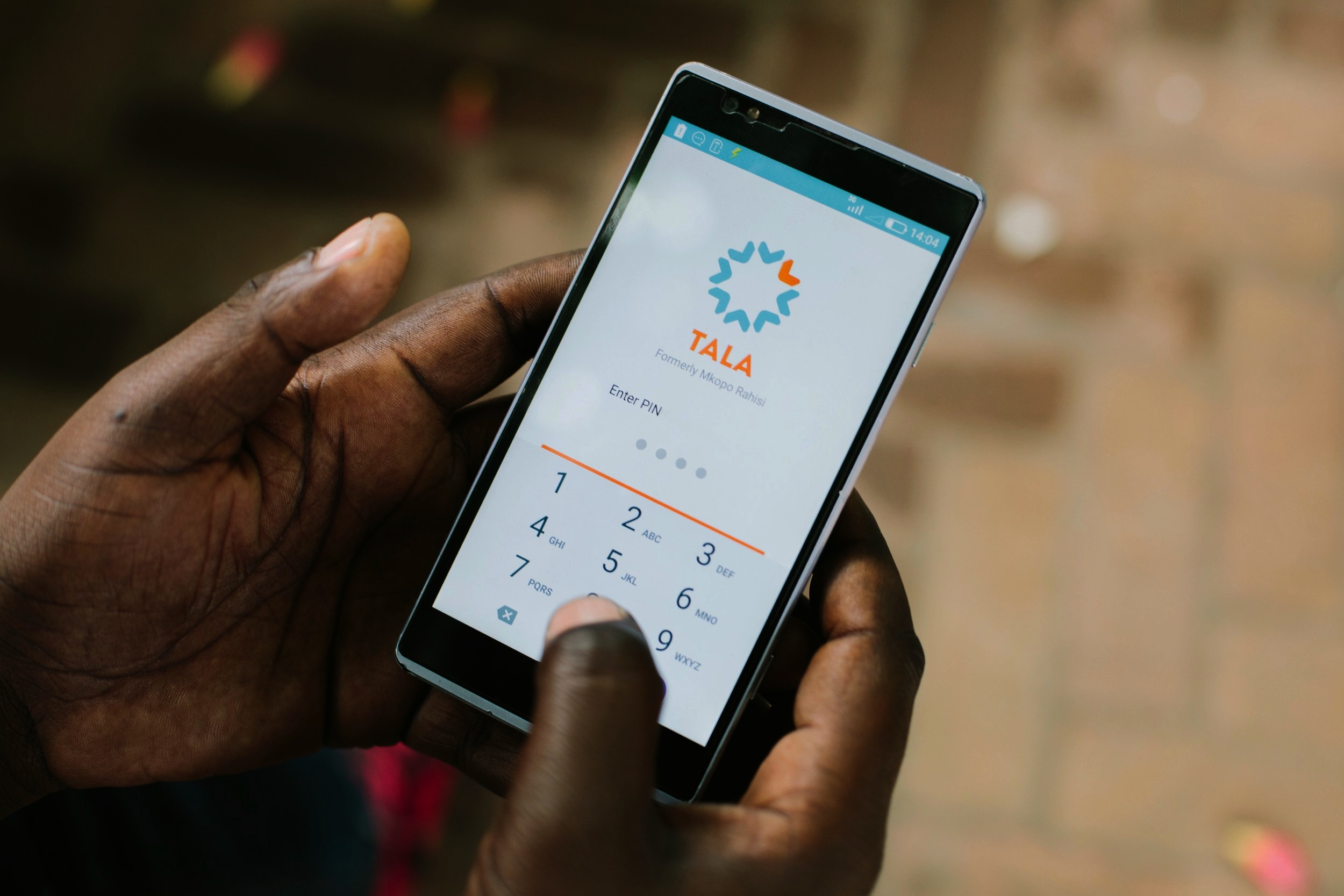
If you had told someone twenty years ago that they would be able to open an account, transfer money, access credit, and invest from their mobile phone, they would probably have struggled to believe you. Yet here we are.
And this is one area where Nigeria has not been left behind. Over the past decade, our financial sector has undergone one of the most significant transformations in its history. Mobile banking, digital payments, agency banking, fintech platforms, and mobile-first lenders have brought millions of people into the formal financial system and made financial services more accessible than ever.
That progress deserves recognition. Technology has reduced barriers, expanded access, and created opportunities that simply did not exist before. But as financial services become increasingly digital, I find myself returning to a different question: how do we preserve the human side of finance in a system that is becoming more automated every day?
The context technology can’t capture
When someone walks into a financial institution and talks to a person, something happens that an algorithm can’t fully deliver – context gets shared and understood. For example, a business owner gets the chance to explain the seasonal nature of their revenue cycle, or an entrepreneur can paint a clearer picture of the unusual nature of last year’s numbers and what their annual trajectory actually is.