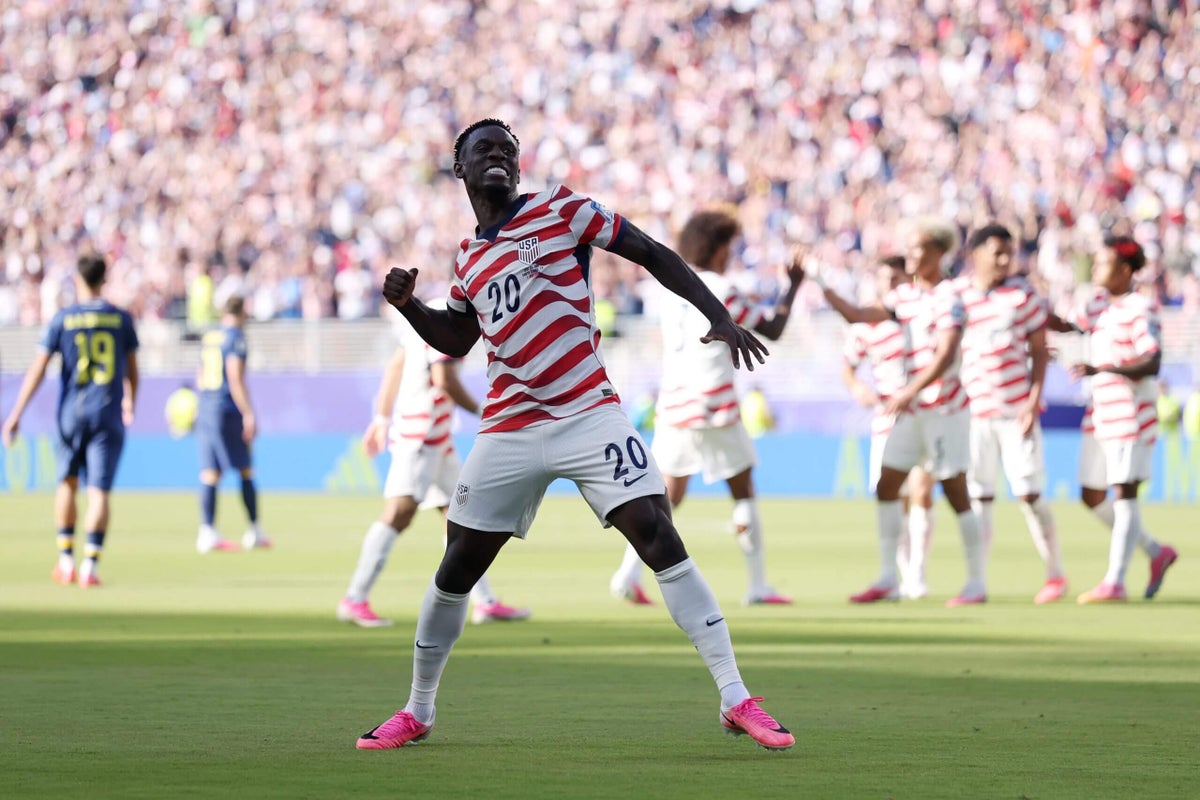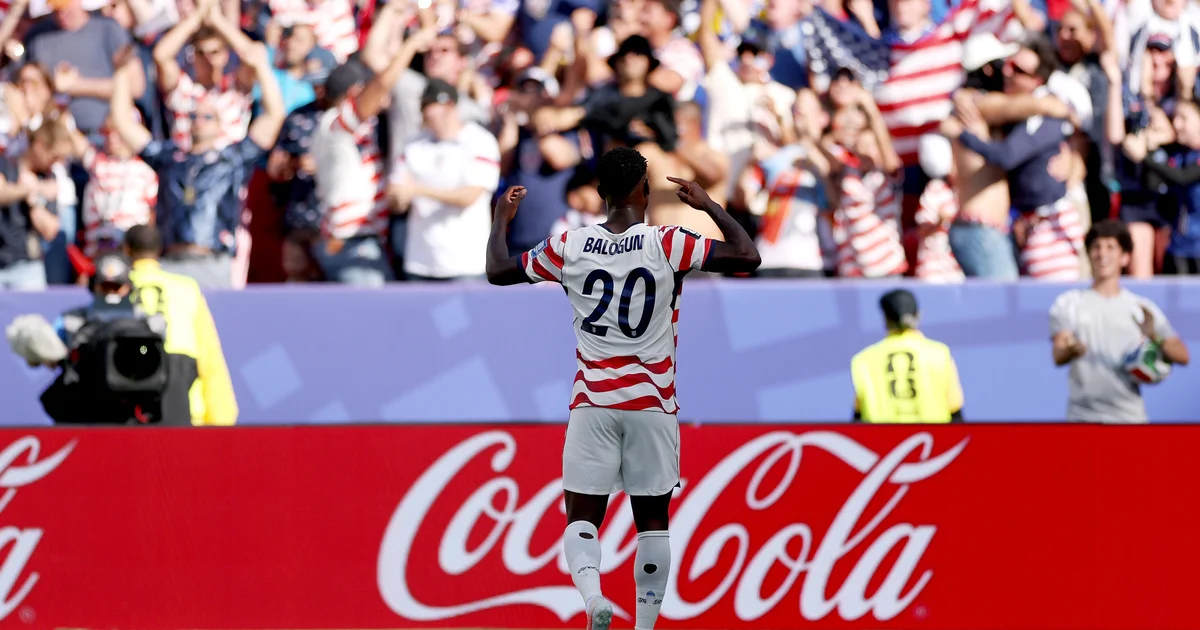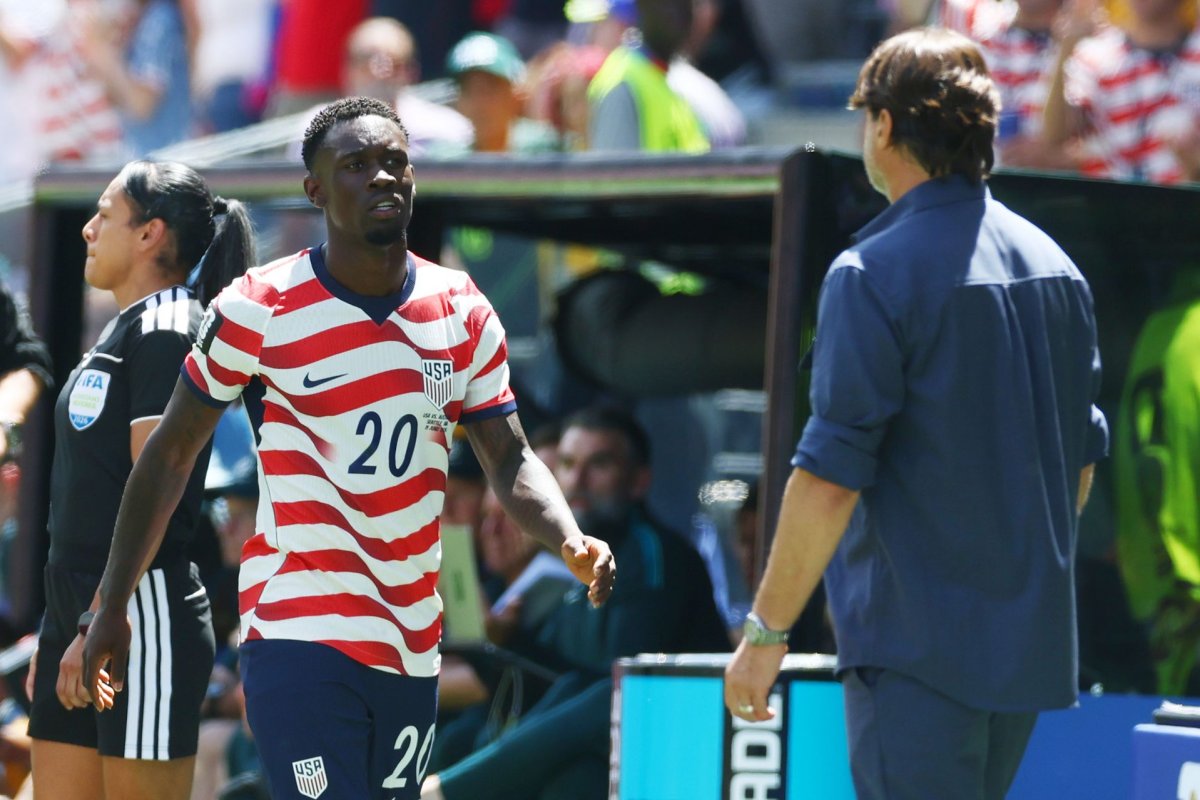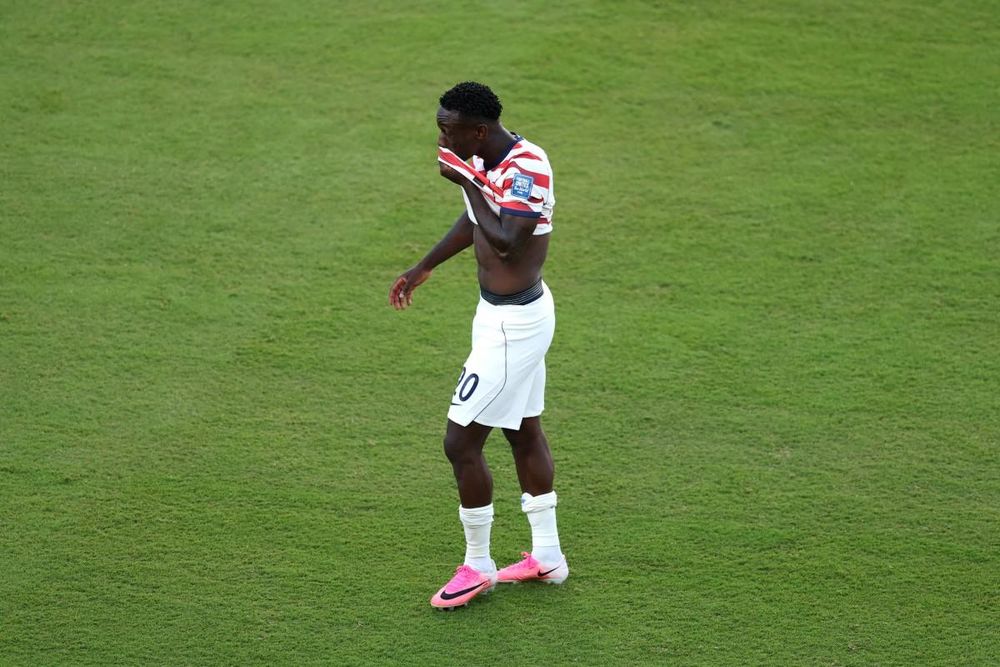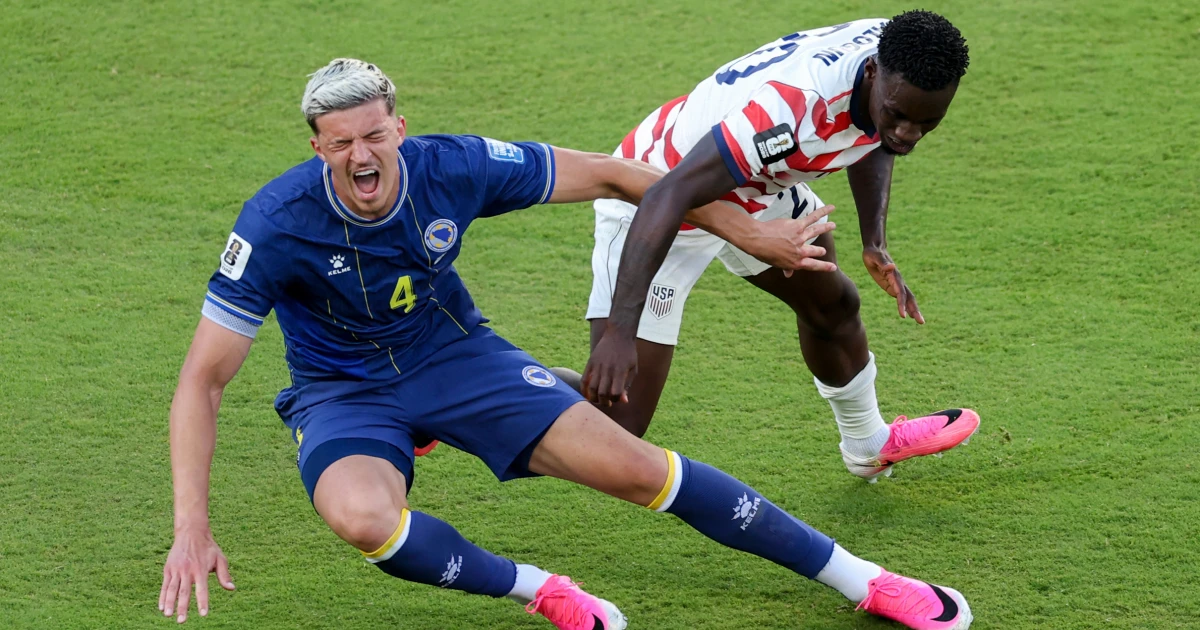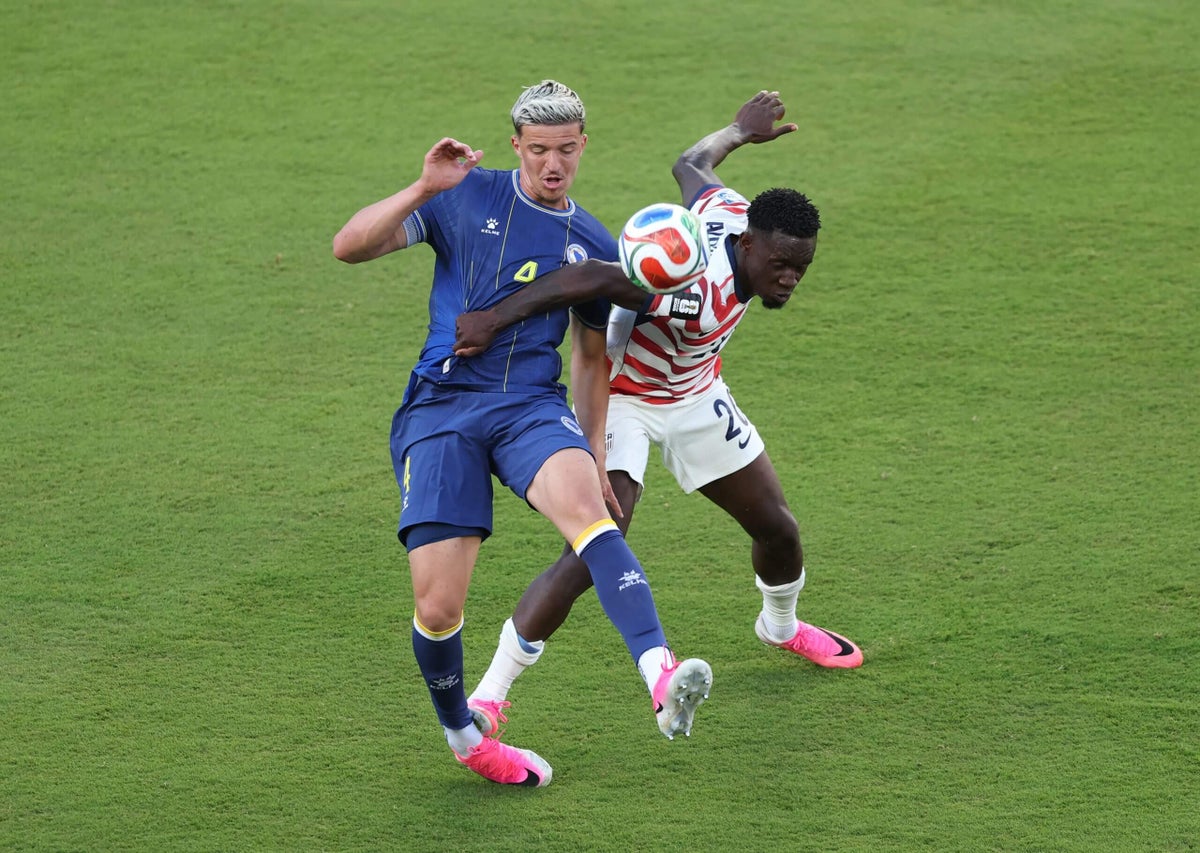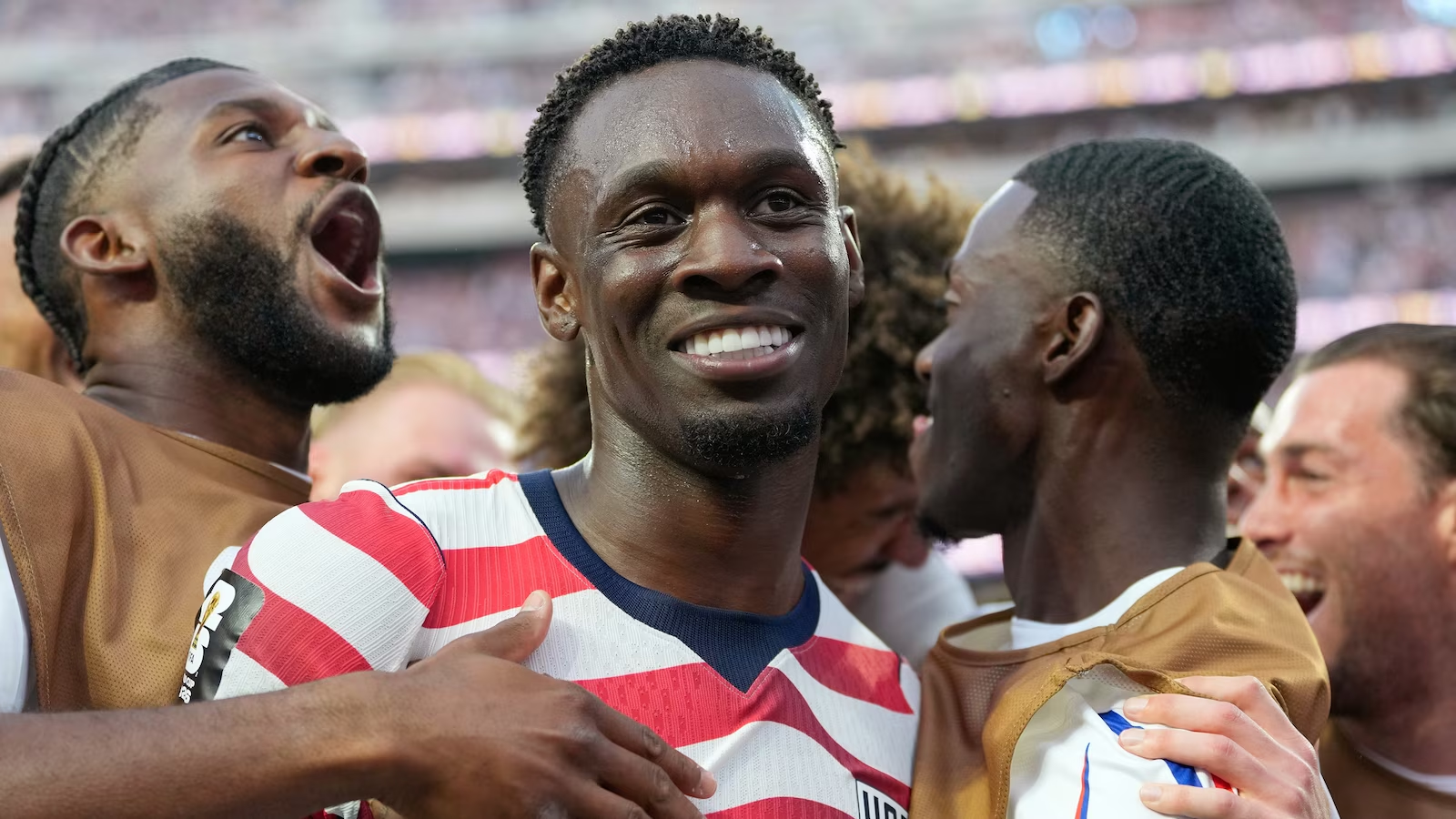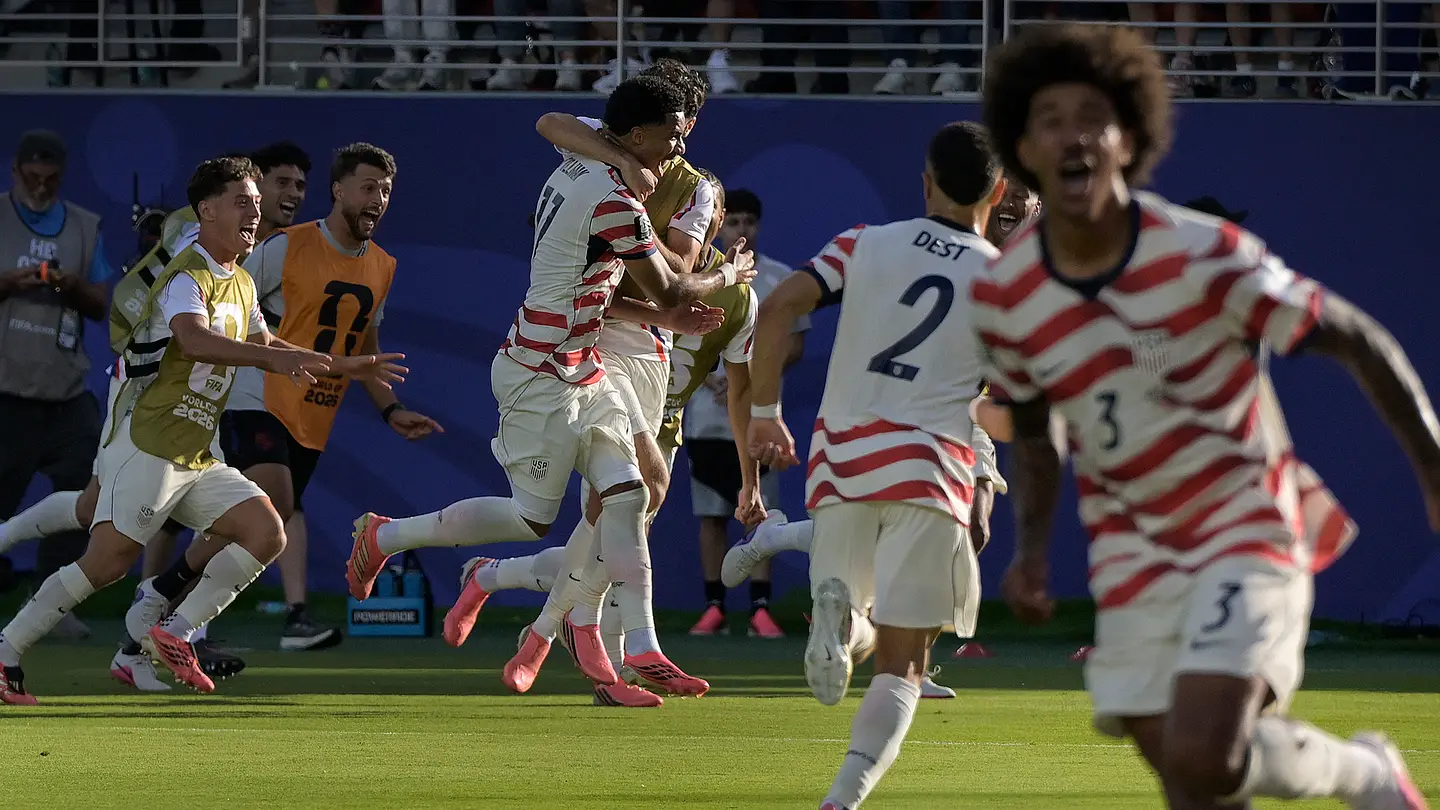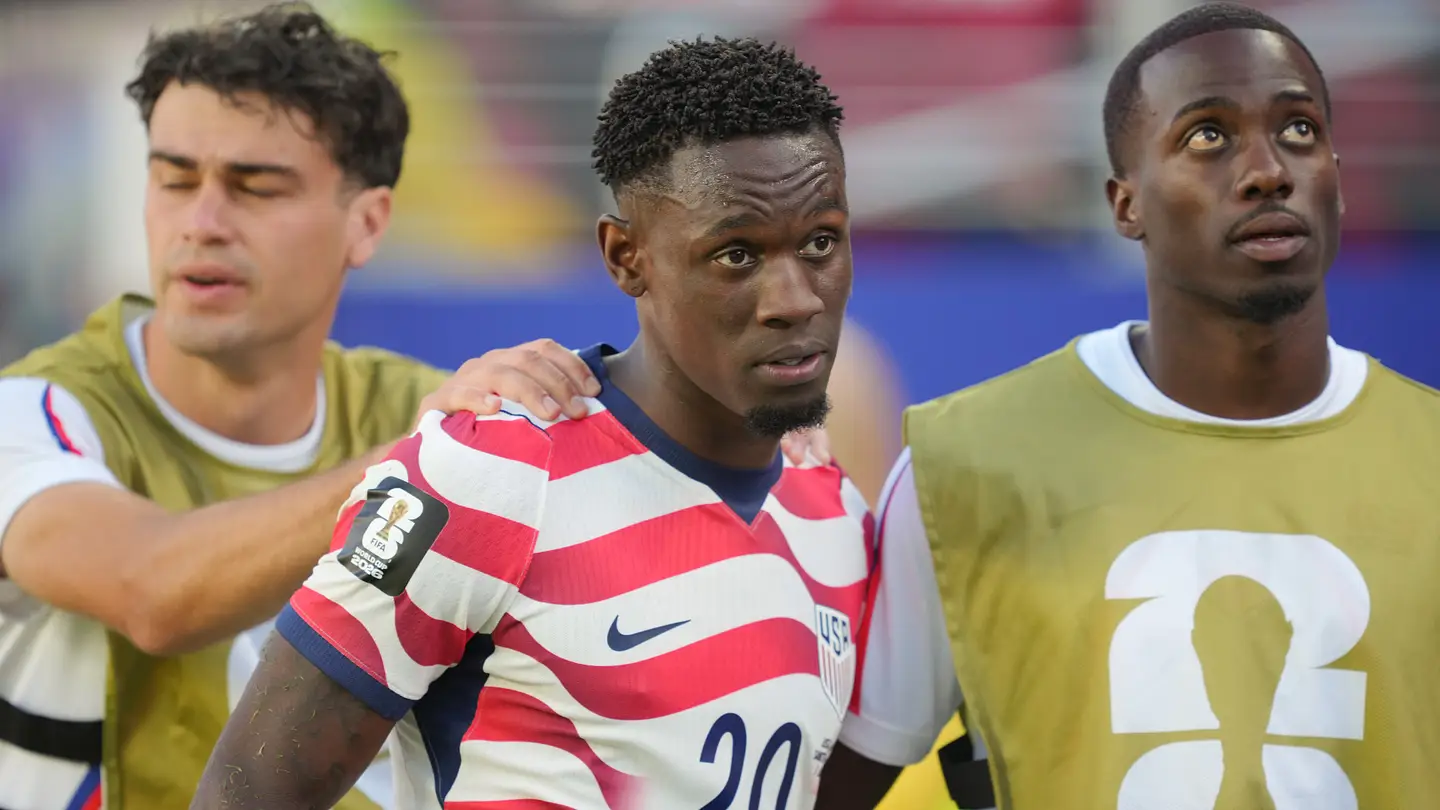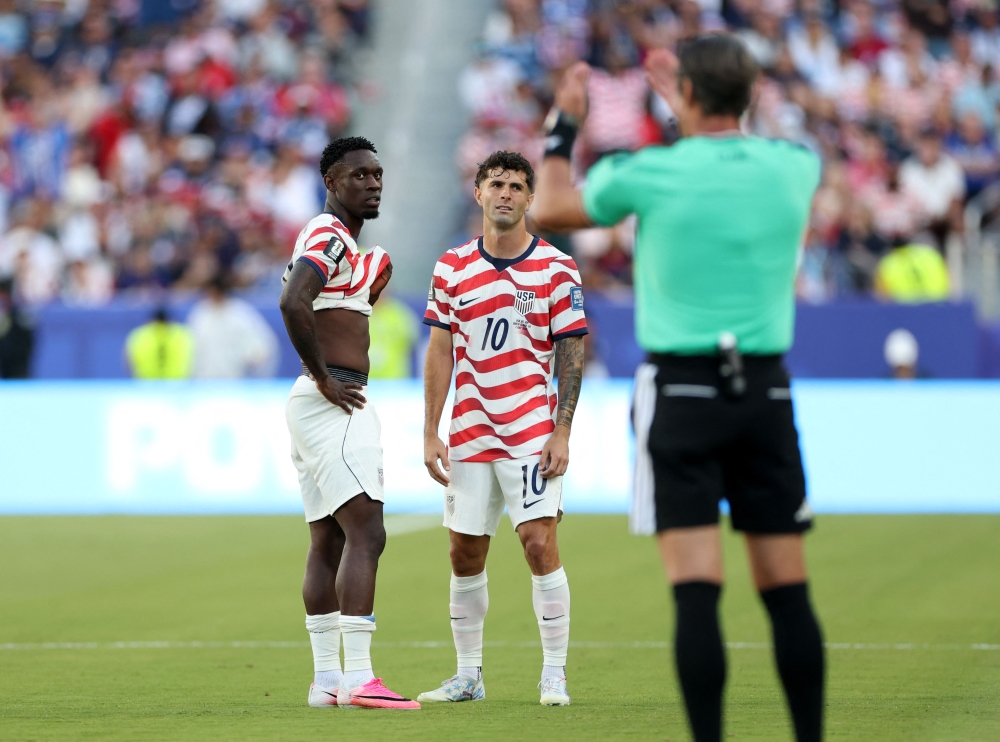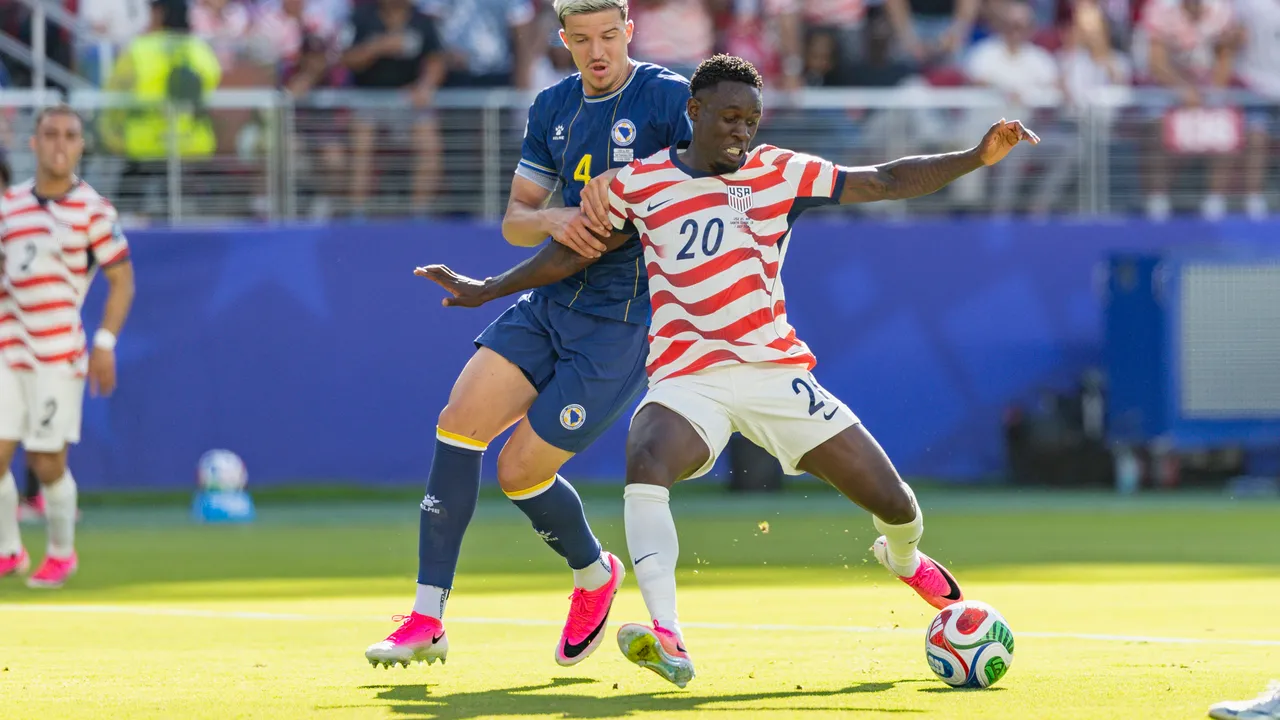
The video was clear; the moment rarely is. In the sixty-fourth minute of the U.S. men’s national team’s game against Bosnia and Herzegovina, Folarin Balogun, the U.S.’s breakout-star striker, who, in the first half, had scored the lone goal of the game to put the hosts up 1–0, lunged for a loose ball up the left sideline, jostling for position with Tarik Muharemović, Bosnia’s center back. Balogun splayed his legs to keep his balance, and his right foot raked down the back of Muharemović’s calf before landing on Muharemović’s ankle. It was, at regular speed in the flow of the game, a normal foul, unintentional contact in a physical game. But the rule does not make allowances for intention, and the game is not judged in real time.As Muharemović came to the ground, in obvious distress, word of a video review came from the sideline. At home, tens of millions of American fans had the chance to watch the replay, slowed down with evidentiary precision. The likelihood of a red card for a “serious foul” increased with every Zapruder image. The still photos were particularly damning: Balogun’s foot perched atop Muharemović’s awkwardly bent ankle. So Balogun was gone—given a straight red card. He stood stunned on the field for another fifteen or twenty seconds as his teammates—and even a Bosnian player—walked over to console him, before he headed toward the tunnel, leaving the Americans down a man with thirty minutes to go.Already, the World Cup had seemed to be spinning off its axis. At the start of the week, Germany was eliminated by a Paraguay team that the U.S. had easily handled in its opener. Then the Netherlands was swept aside by Morocco. And, just a few hours before the U.S. game, England had barely squeezed by D.R. Congo, saved by a spectacular goal off the foot of Harry Kane in the final minutes. Now the U.S., playing in front of a wildly partisan crowd in Santa Clara, California, who had come into the game against Bosnia as favorites, found themselves, in the flash of a red card, in the more familiar position of underdogs.Balogun, after all, had emerged as the team’s newest star, a striker who had the strength to stand his ground in the box and the technique to finish with skill and élan. He’d almost scored a beauty thirty-one minutes in, after Weston McKennie fed him the ball as he slipped away from his defender. But the goal was called back when the cameras caught him a shade offside. Still, the shot seemed like a sign that the U.S.’s press, which had so far been less effective than the high-octane one that had overwhelmed Paraguay and Australia in its first two games, was wearing the Bosnian defense down. Then, just before halftime, Tim Weah countered a weak clearance toward Tyler Adams, who let the ball pass through to Malik Tillman, who sent it to Balogun at the top of the box. Balogun was heavily defended. The pass had been deflected, and the ball sat just behind him, but he was somehow able to reach back and scrape it into the goal. Now Balogun—born in New York, raised in London, vigorously recruited to the U.S. team, the brightest symbol of its ambitions—was gone from the game, as well as the next, if the U.S. could make it that far.But the U.S., whose back line had been considered the team’s biggest weakness coming into the tournament, seemed to respond to the call with more energy, not less, and held firm. And, despite the disadvantage—or perhaps because of it—the tenacious midfielders kept up pressure on the other end whenever possible. When Sergiño Dest was rewarded with a free kick on the edge of the penalty area in the eighty-second minute, Tillman took it. He did not try any little deception, nothing that could be misinterpreted or overthought. He curved the ball right over the haphazard wall formed by Bosnian defenders and into the goal. After the game, Tillman showed up at the press area without shoes on, his sock bloodied where a defender’s cleat had pierced his boot.Some things are called, and some aren’t. Some moments seem to take on great meaning, and others are overlooked or rewritten in the aftermath. Another U.S. team might have been demoralized by the call against Balogun; this team’s heroic response has come to seem like proof of its grit and promise. Of course, another team might have been luckier, or less unlucky, in any number of ways. Video replays may slow the game, but reinterpretation happens at hyperspeed.In the early hours of the next morning, between highlights of the game, I came across an odd sort of thank-you/love-letter/tourist video on X, made by the Spanish national team and addressed to Chattanooga, Tennessee, as well as a picture of a lovely note left at the Los Angeles stadium by the Iranian team thanking its supporters and the city for their hospitality. Who knew that the two-hundredth-and-fiftieth anniversary of the U.S. would be best celebrated like this? The American experiment will continue when the U.S. takes on Belgium, in the round of sixteen, in Seattle, on July 6th. Belgium, as it happens, enters the game following its own tale of miraculous escape, coming back from a 2–0 deficit to defeat Senegal in the waning minutes of extra time. Never mind that. One of this country’s greatest gifts has always been its claim to interpreting the past to promise a more glorious future, a new history. ♦
The U.S. Men’s Soccer Team Is Rewriting Its History
The Yanks won their first knockout-round match in more than twenty years. But, after a controversial red card, they will be down their breakout star in the round of sixteen.
921 words~4 min read