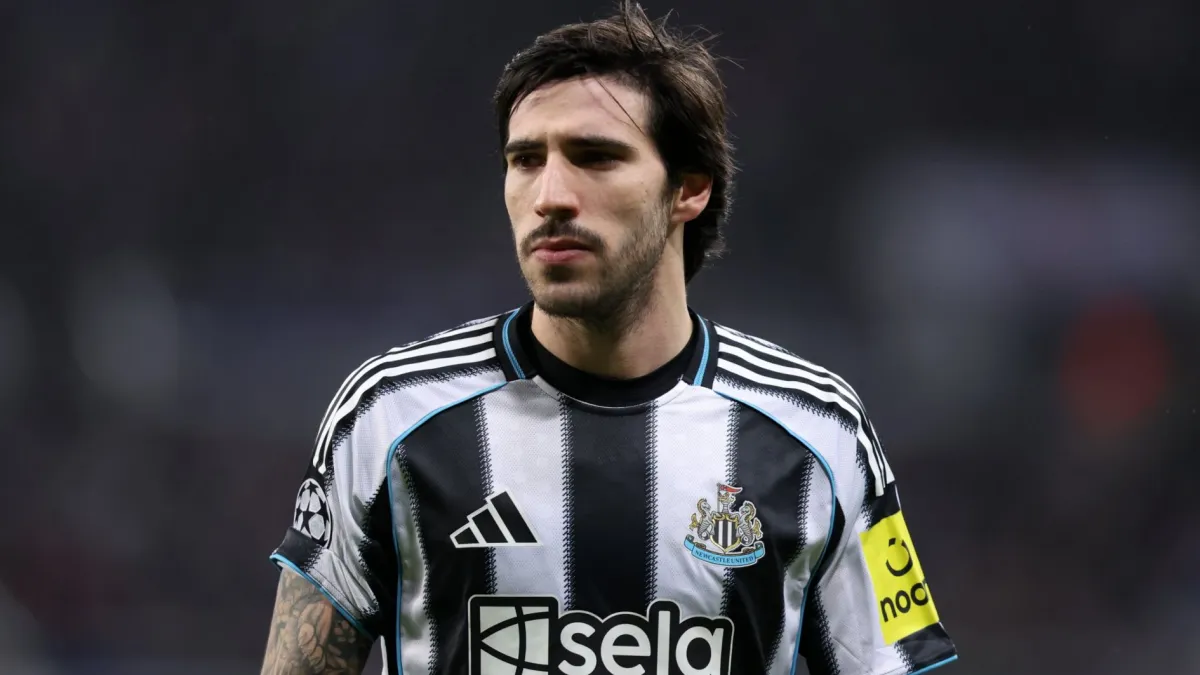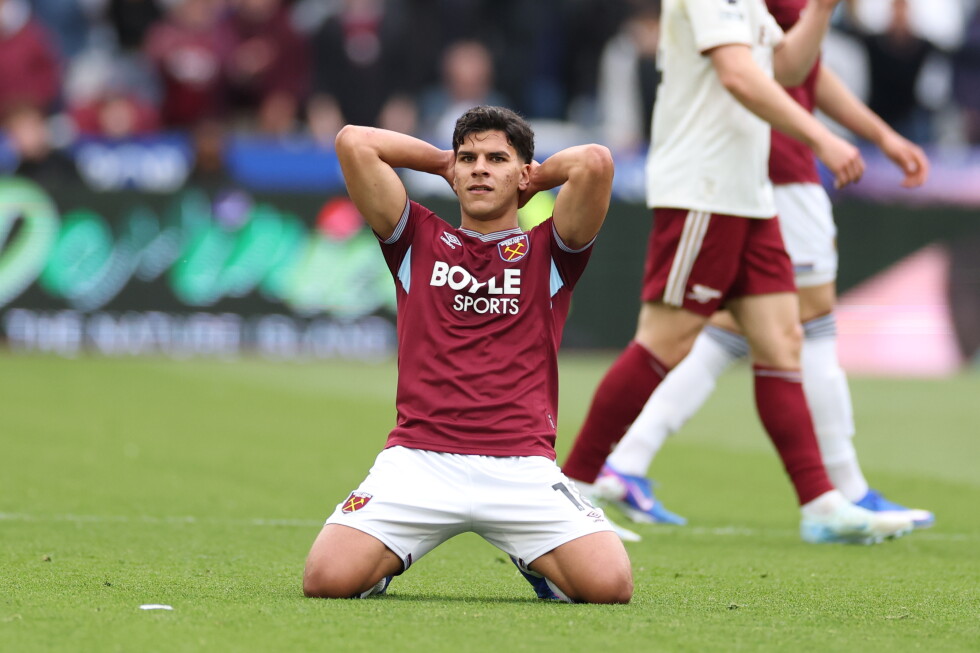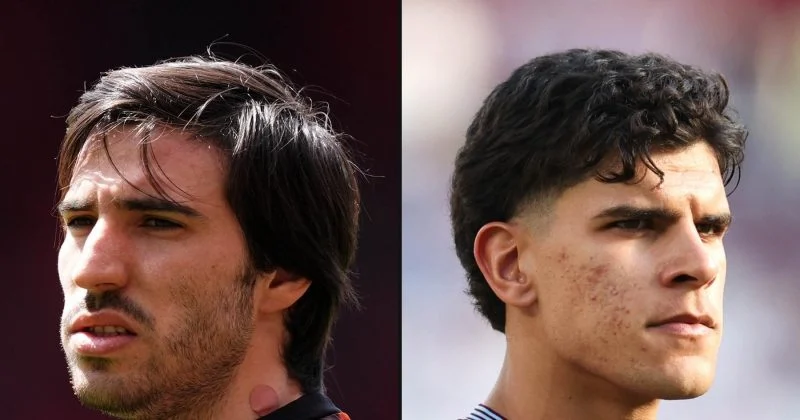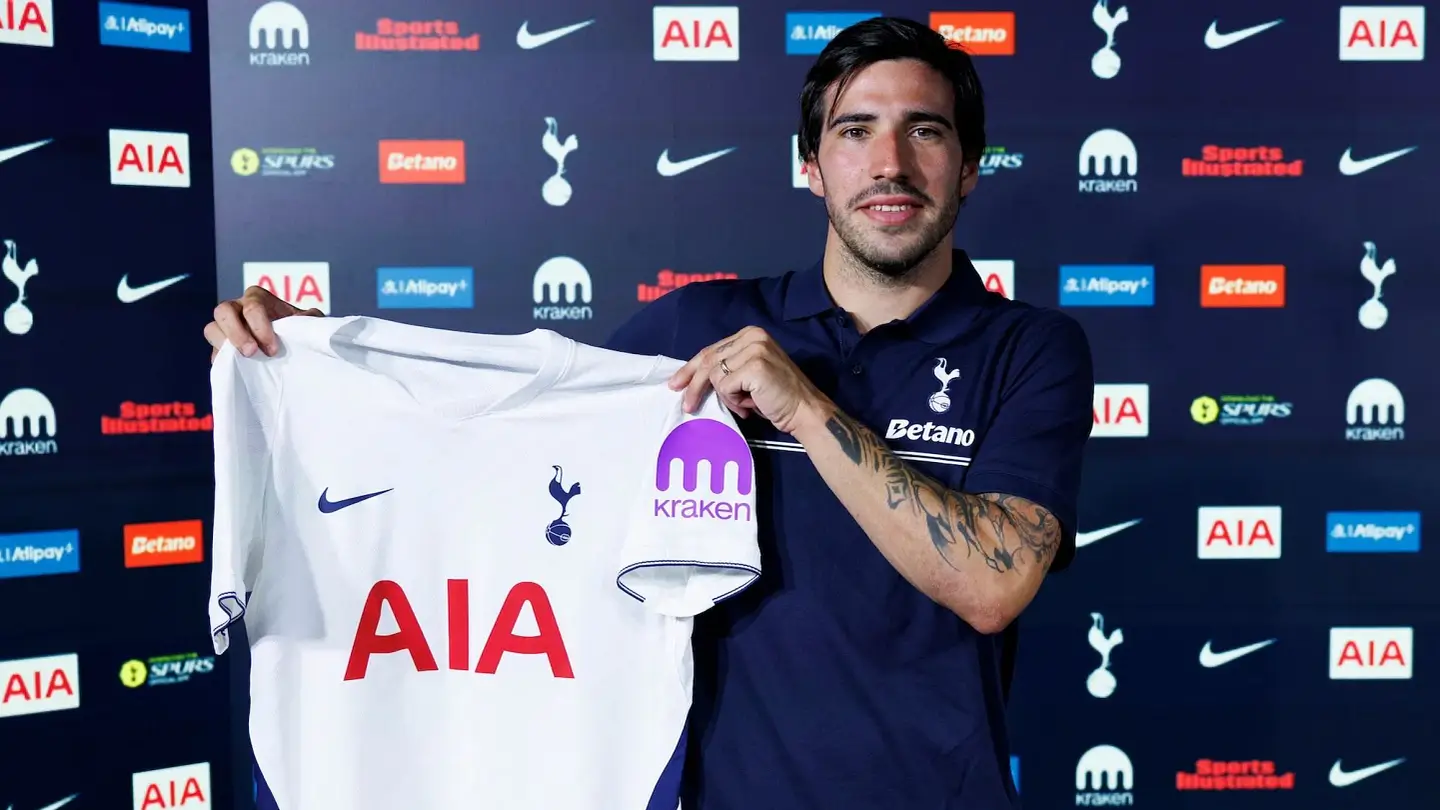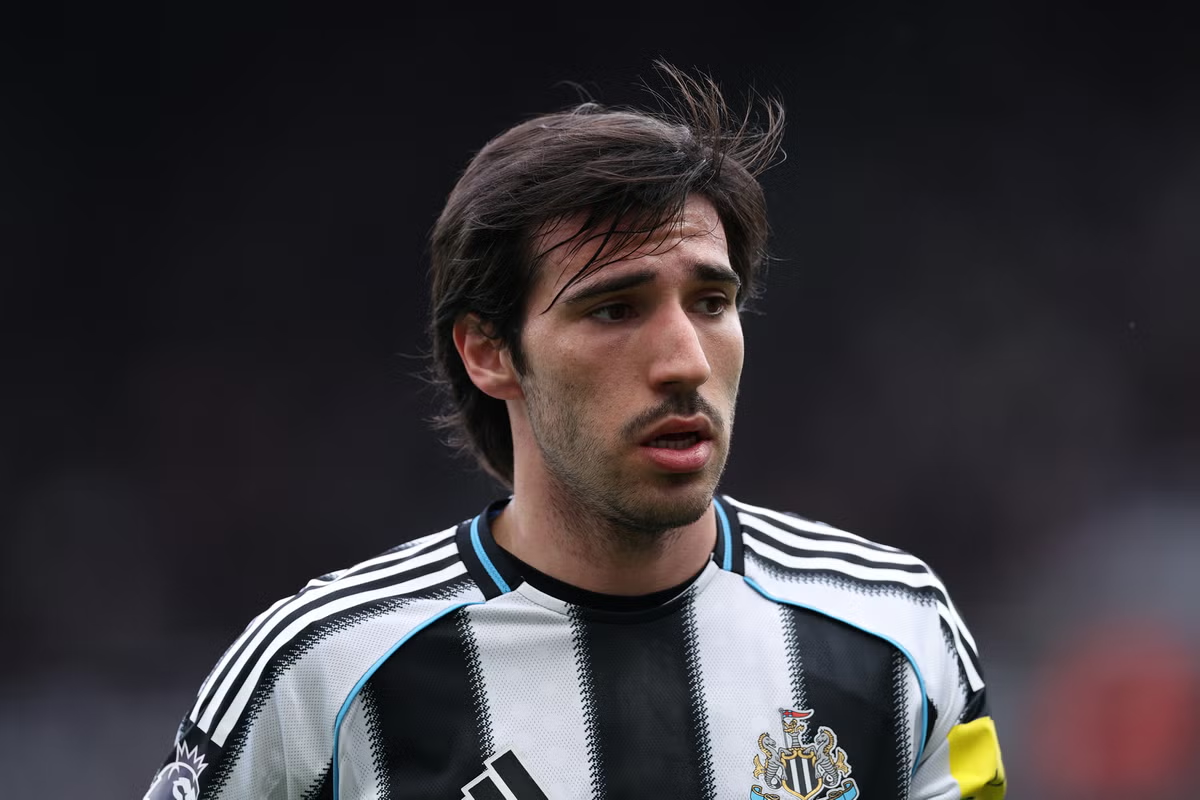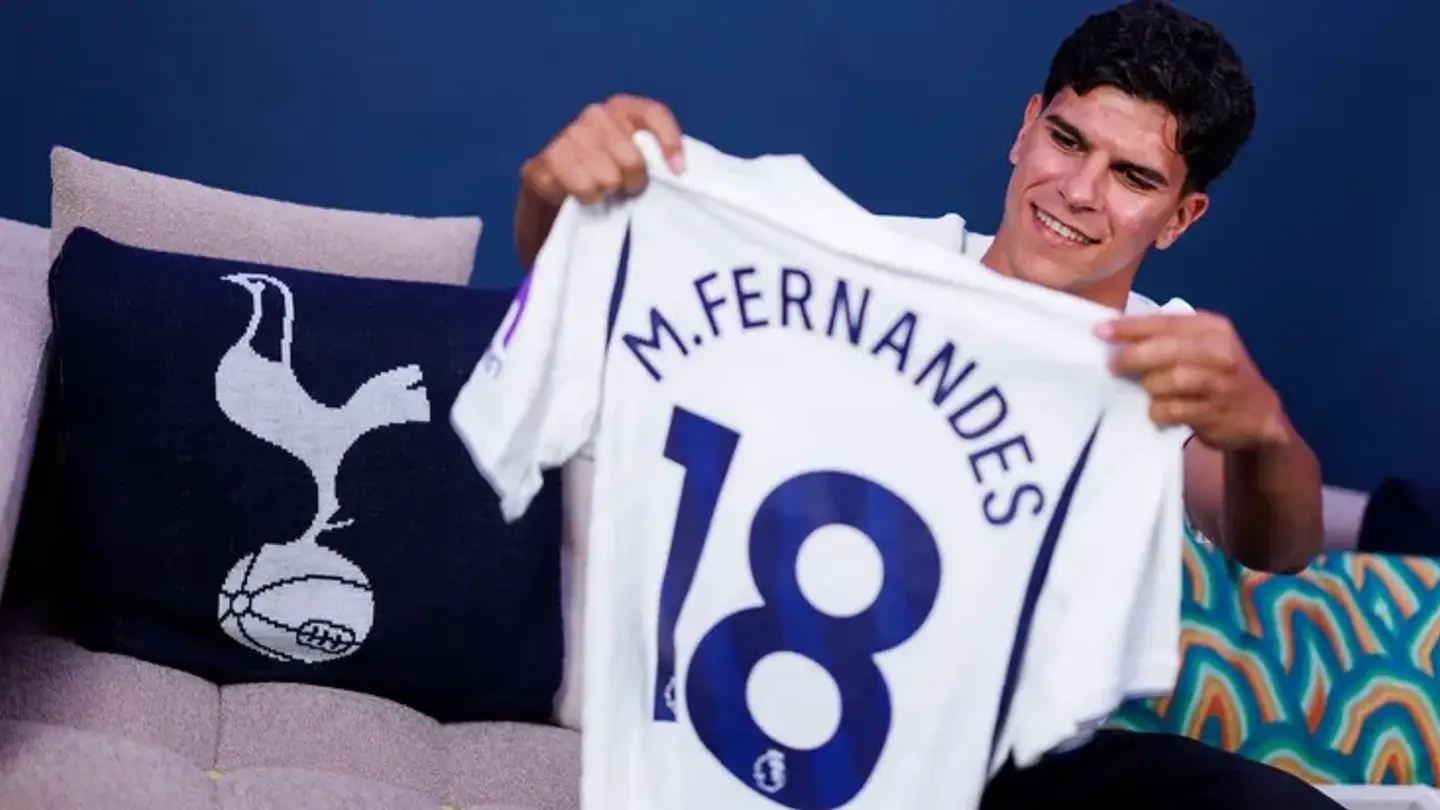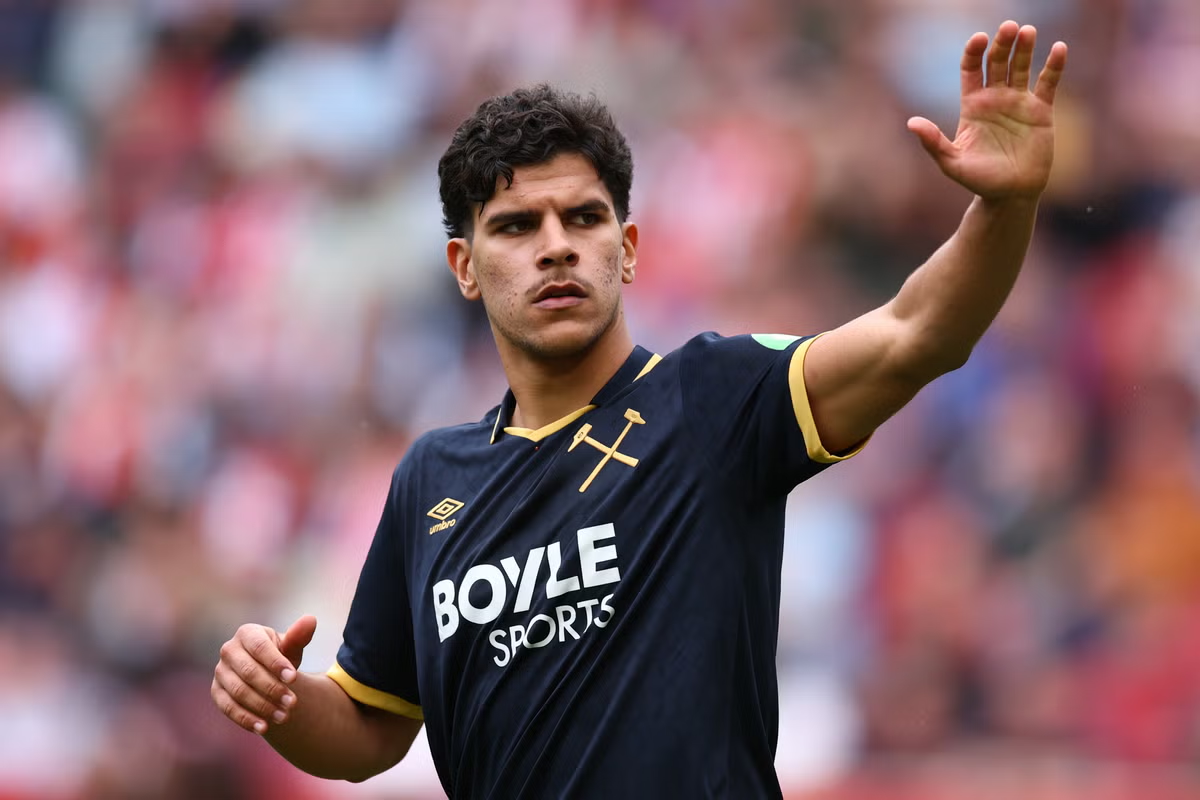
These are strange days.Twice this week, in the space of 48 hours, Tottenham Hotspur are about to break their transfer record.Mateus Fernandes was announced on Thursday morning after the Portuguese midfielder completed his move from West Ham United for £85million ($113.7m). Sandro Tonali, Newcastle United’s Italian midfielder, will soon follow him through the door in a deal potentially worth £100m.Manchester City have also finalised an agreement with Nottingham Forest for their England midfielder Elliot Anderson and, in the process, set a new fixed-fee British transfer record of £116million.But what is the impact of these vast deals?The Athletic contacted people involved in this summer’s market in a variety of positions to find out. They talked under the condition of anonymity so they could speak freely.As a starting point, the chairman of a club who played in the Champions League last season describes the inflationary pressure that ripples across the game when heavy spending occurs: “After the Anderson deal is done, just think about when Forest try to buy someone from the Bundesliga. The Bundesliga team will say they want more. Then, after the Bundesliga team sell their player, they will try to buy someone from a Swiss team, who will then tell them that they want more.”Shortly after Tonali’s move was agreed, it seemed that ripple effect was in full force. The Athletic soon reported that Newcastle were on the verge of completing a move for Bazoumana Toure, German club Hoffenheim’s Ivorian winger. But Toure, 20, is presumably being signed to replace Anthony Gordon, whose move to Barcelona was completed weeks ago.There are better examples.Felix Nmecha, the Borussia Dortmund midfielder, is wanted this summer, with Manchester United among the interested parties. During the reporting for that story, Dortmund sources, who spoke on the condition of anonymity, said the Bundesliga club valued 25-year-old Nmecha at around €120million (about £103m; $137m).Felix Nmecha has interest this summer (Molly Darlington/Getty Images)That conversation took place before Germany’s exit from the World Cup at the round of 32 stage, during which Nmecha’s reputation suffered following poor performances in losses to Ecuador and Paraguay. But quizzed on the figure, with the suggestion that it was high, the source pointed directly to the Anderson story. The clubs had not agreed a fee by that stage, but City were always going to have to pay more than £100million to get their man.But surely it’s not that simple? A former sporting director of a Premier League club adds some detail: “Just saying a player is worth X is fine, but that’s not the same as him being worth X. Every negotiation involves a unique set of conditions, so why would I agree to (meet that figure) without a better argument, or unless I have to?
How will the Anderson, Tonali and Fernandes deals impact the midfield transfer market?
How have fees been impacted? Who could teams turn to instead? The Athletic spoke to those in the know...
1,118 words~5 min read