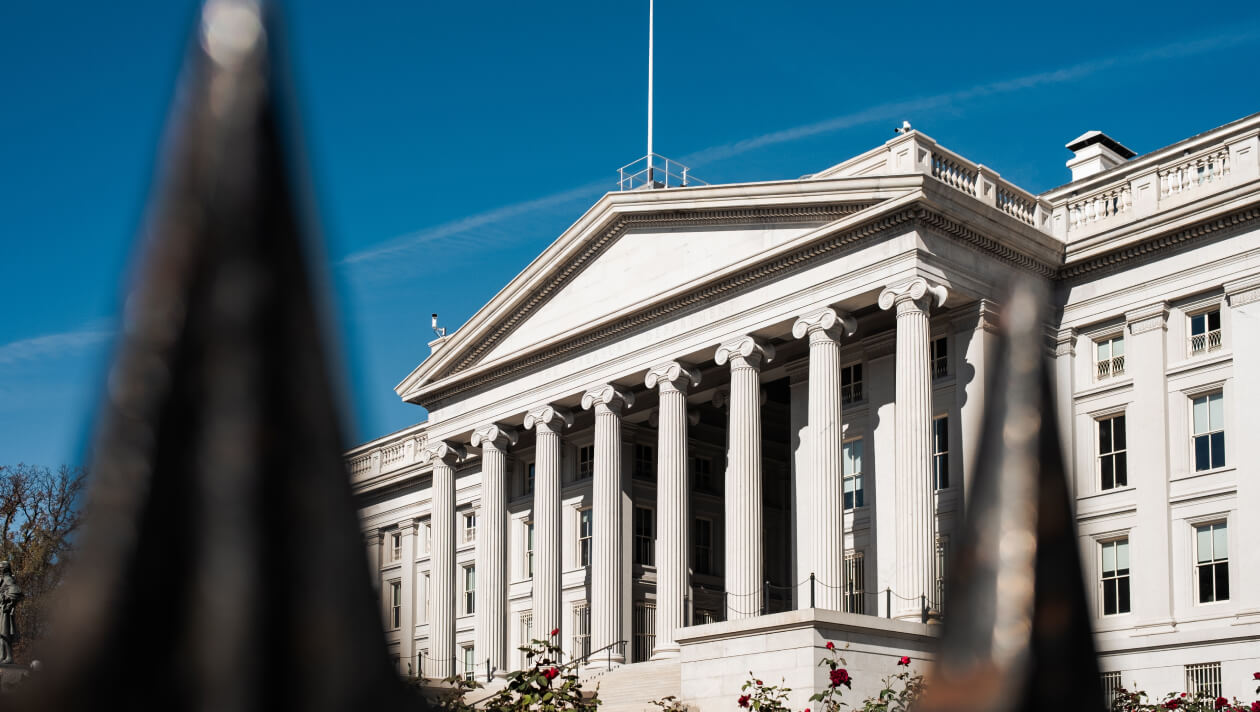
The US Treasury just put 134 crypto wallet addresses on its blacklist, all tied to ISIS-K, the Islamic State’s affiliate operating across Afghanistan, Pakistan, and Central Asia. The wallets collectively moved over $1.4 million since 2023, and Tether didn’t wait around to respond.
On July 1, the Office of Foreign Assets Control (OFAC) added the addresses to its Specially Designated Nationals (SDN) list. Within the same day, Tether froze USDT balances across 131 of those wallets. The remaining three addresses were on Monero, a privacy-focused network where freezing isn’t really an option.
Follow the money, find the network
Of the 134 designated addresses, 131 sit on the TRON network, and just 3 are Monero wallets. TRON has become the go-to network for stablecoin transfers in regions where traditional banking infrastructure is limited or nonexistent. Monero, meanwhile, serves a different purpose: obfuscation for smaller, harder-to-trace flows.
Blockchain analytics firm Chainalysis provided the forensic backbone for this action. Their analysis found the TRON wallets had received over $1.4 million and sent more than $880,000 since 2023. Some of those transactions showed exposure to Syria-based crypto exchangers and mainstream services, suggesting the network wasn’t operating in total isolation from the broader crypto ecosystem.