Four matches, four wins. Eight goals scored, none conceded. A coming-of-age for 17-year-old prodigy Gilberto Mora. The first half of Mexico’s World Cup has gone perfectly.
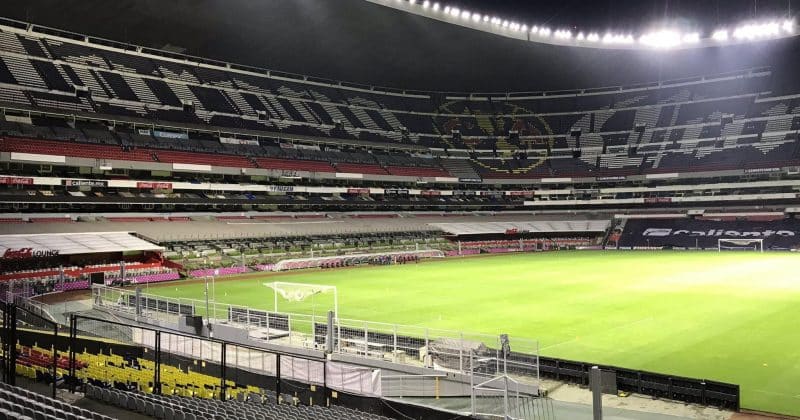
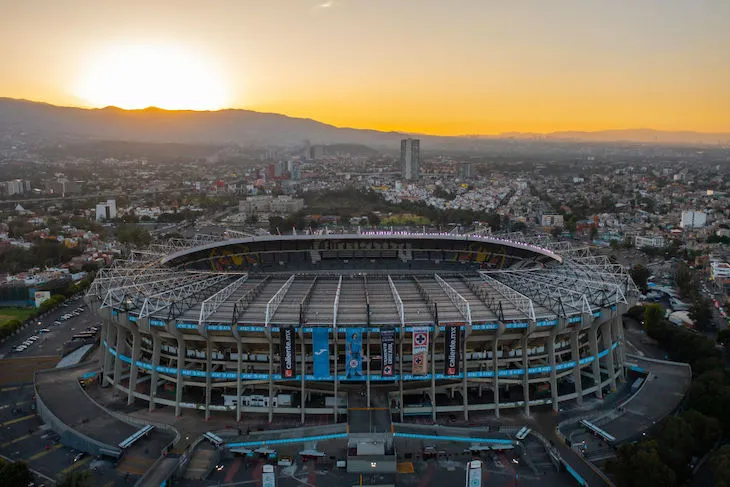
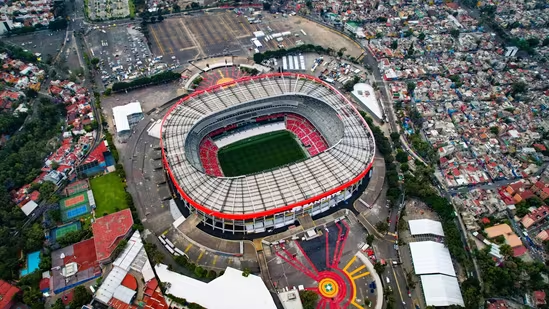
El Tri have played each of those matches at the brutalist Estadio Azteca in Mexico City. The ground has a unique connection to the World Cup: It is the only place on the planet to have hosted matches in three different tournaments.
It is also hallowed ground. In 1970, it witnessed the coronation of the Pelé-led Brazil side that is still considered the best ever. In 1986, it saw Diego Maradona’s goal of the century (and his infamous handball) against England. In 2026, the atmosphere during Mexico’s round-of-16 match against Ecuador was the most intense of this World Cup so far.
Mexico’s preeminent soccer historian Juan Villoro describes it as the country’s “cathedral of football.” But the venue is not appreciated by everyone.
For a soccer stadium, the Azteca is unusually high up, at 2,200m above sea level. For athletes not acclimatized, a high-energy sport like soccer at altitude puts a major strain on the body. Playing high up is different from playing in the heat: Heat-related fatigue is like a steady drain on the body, whereas altitude-driven fatigue is like suddenly hitting the wall.