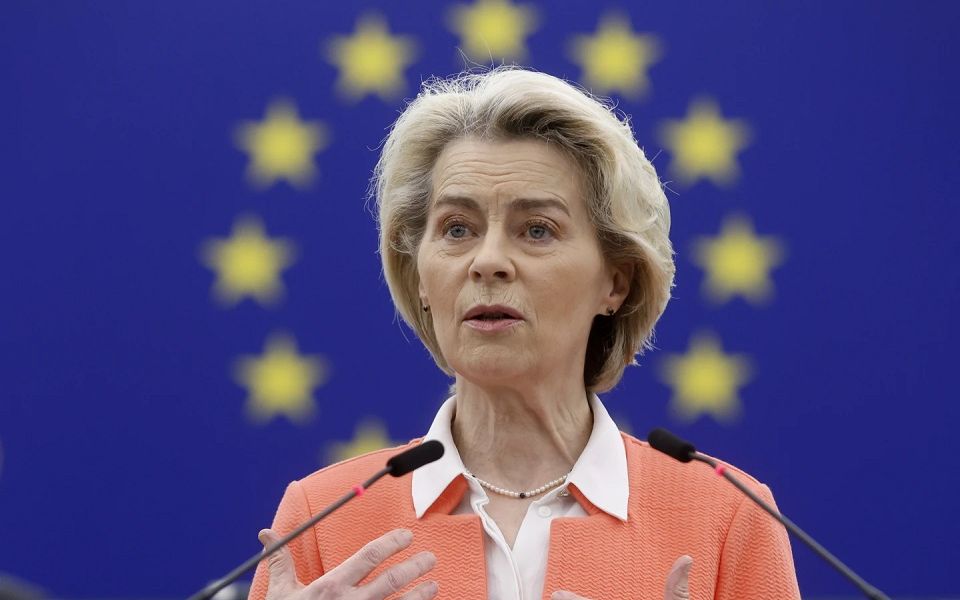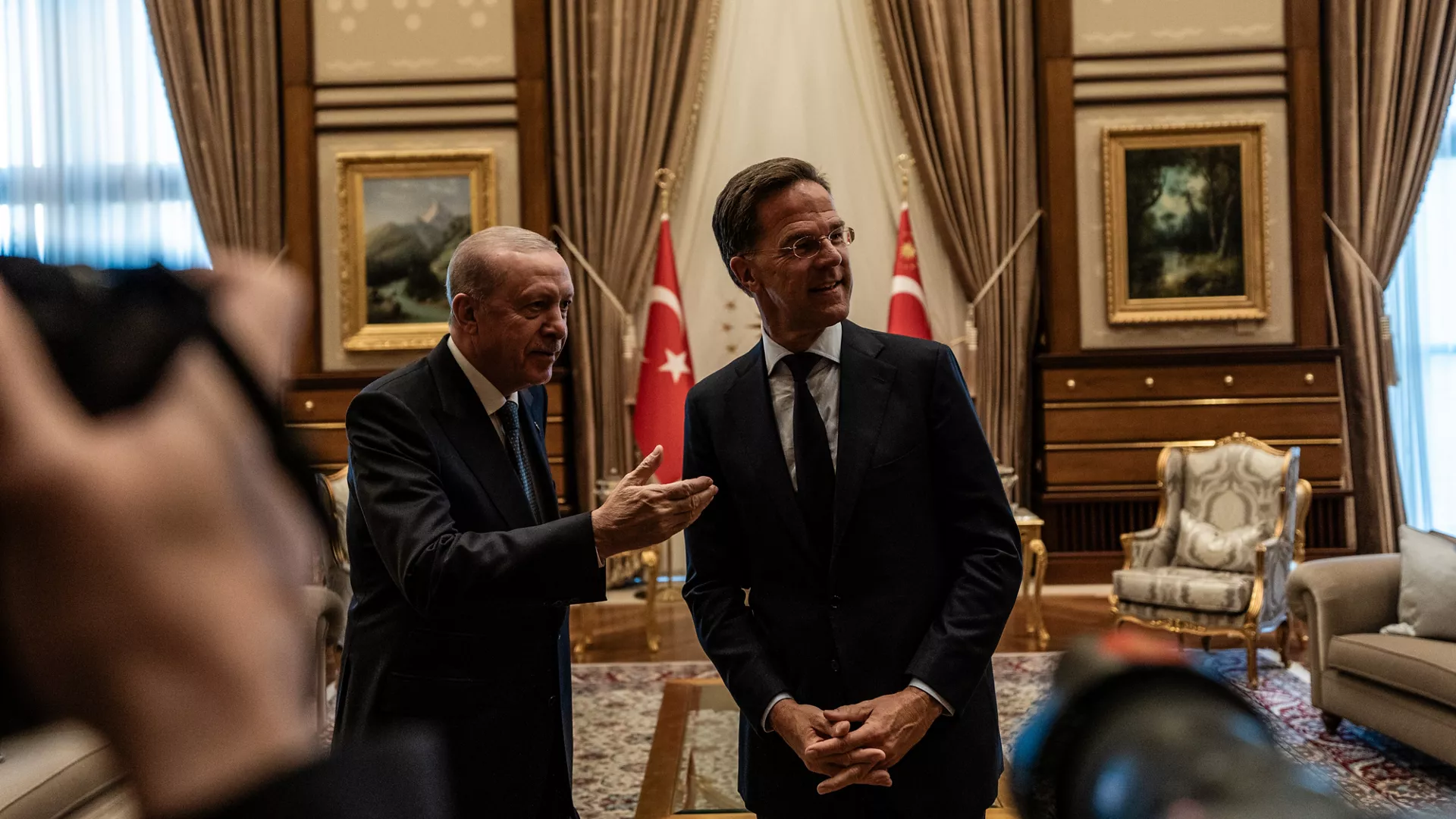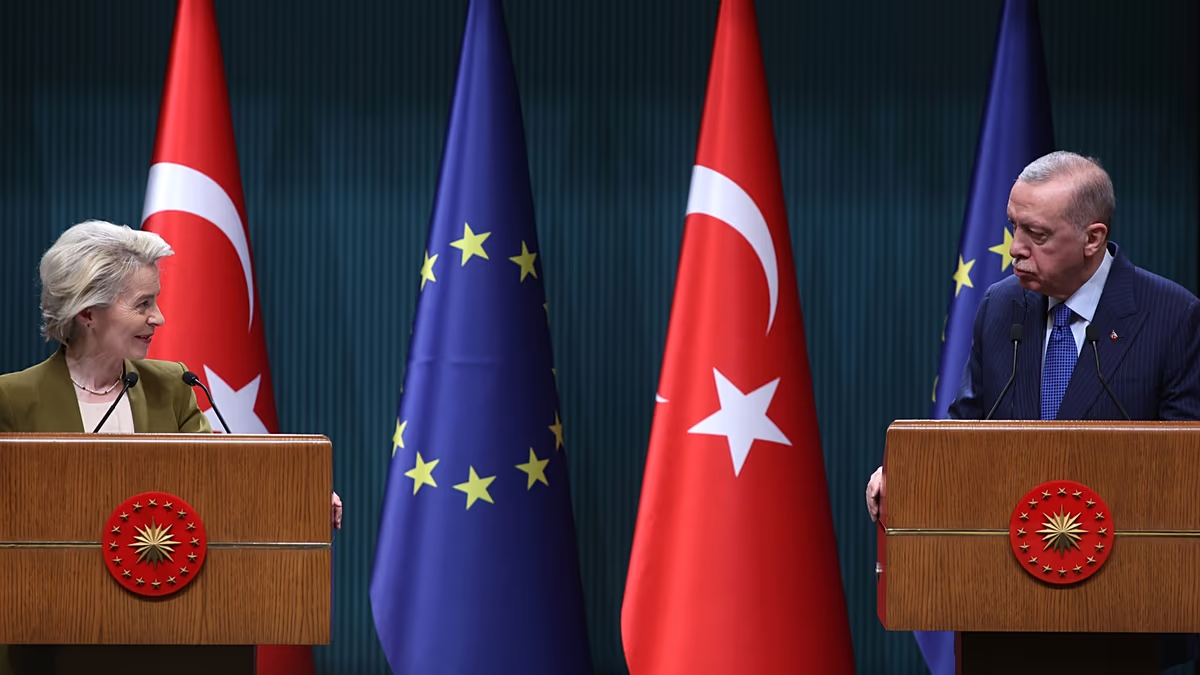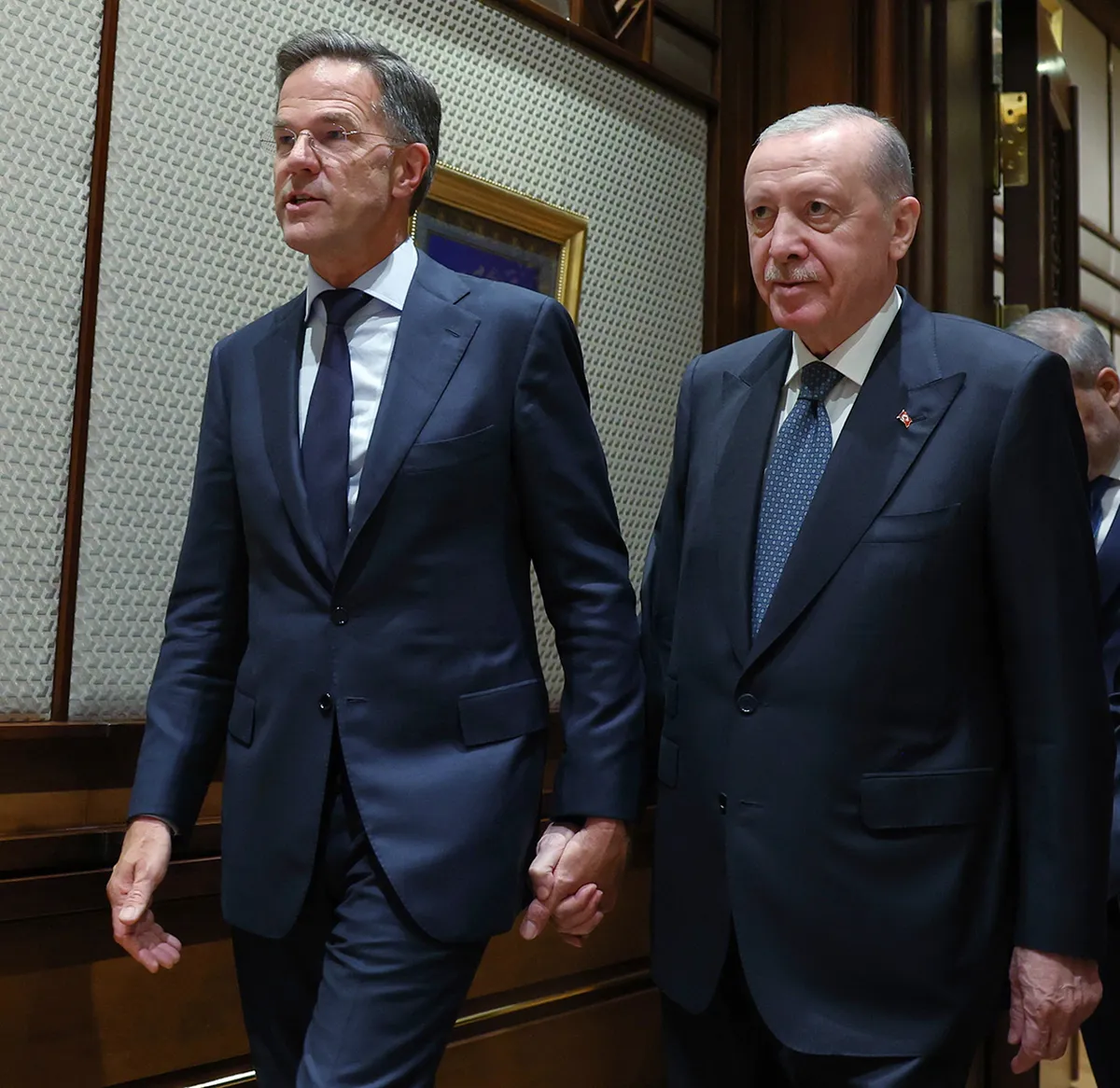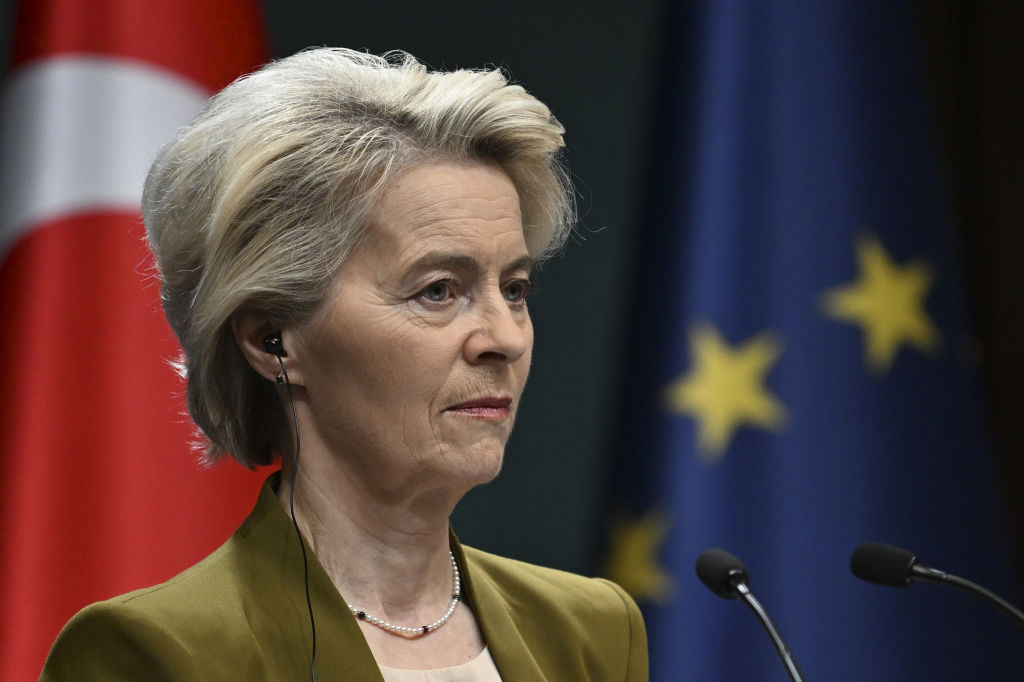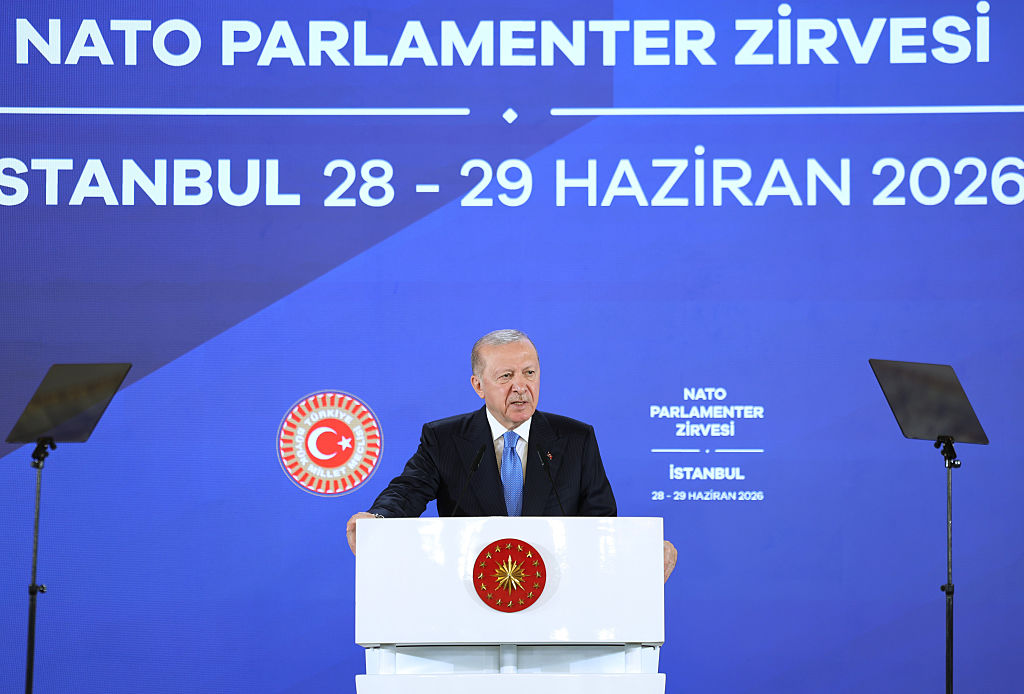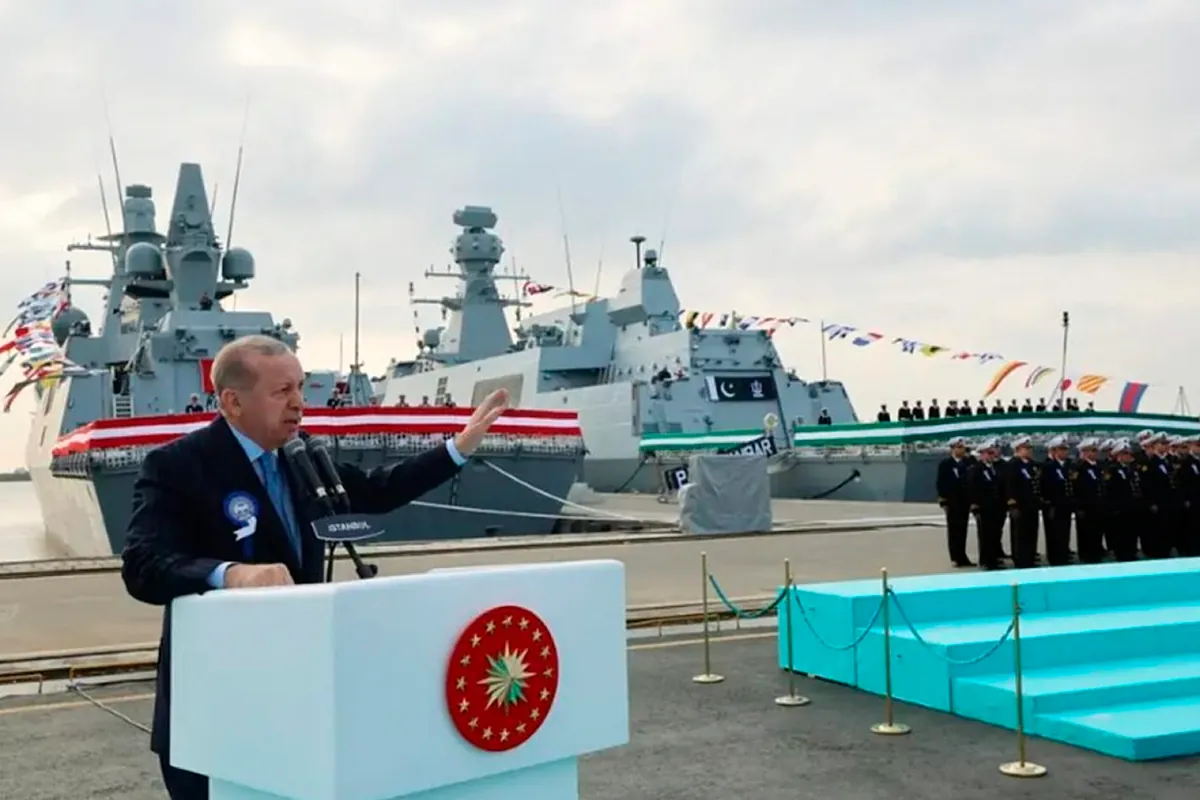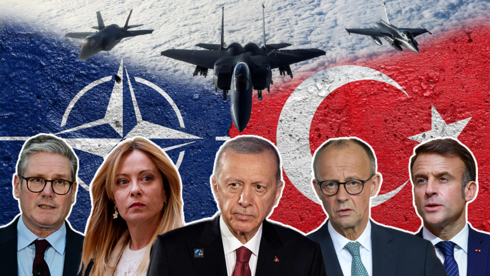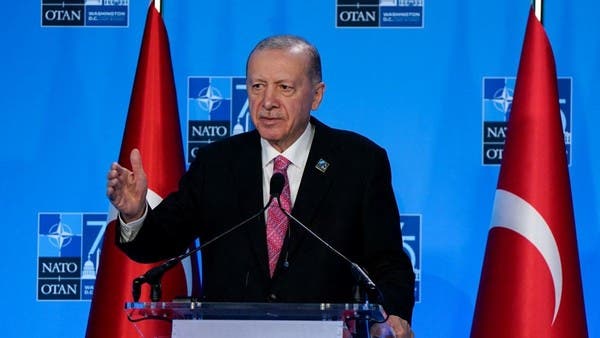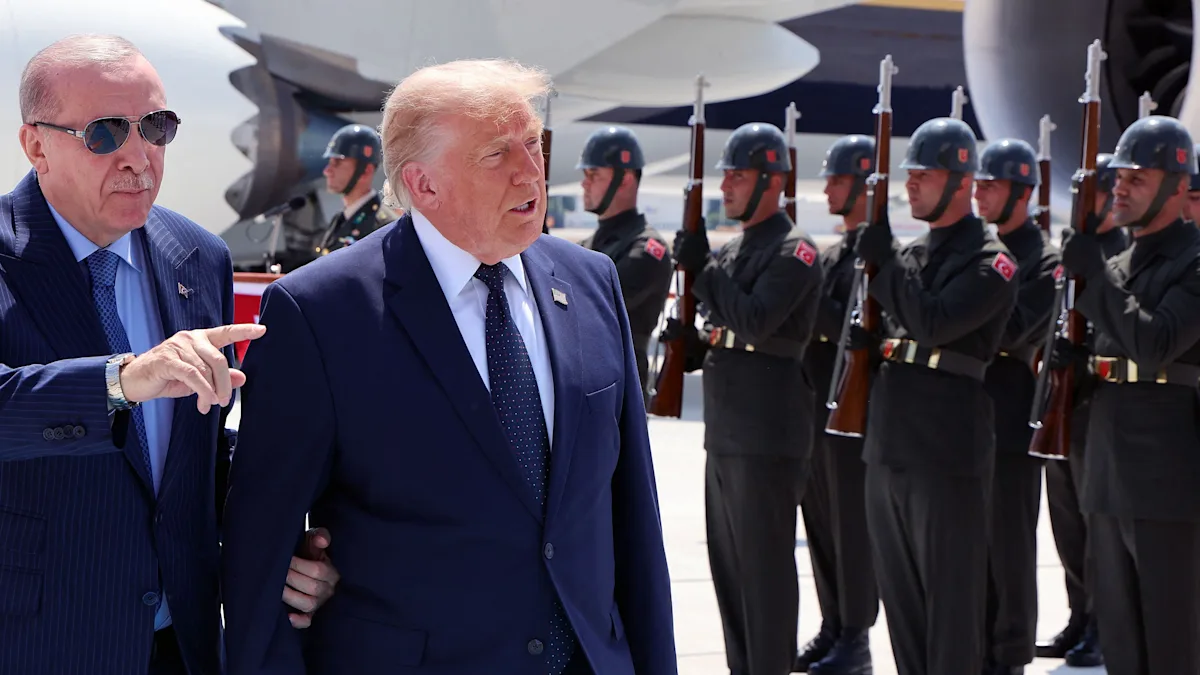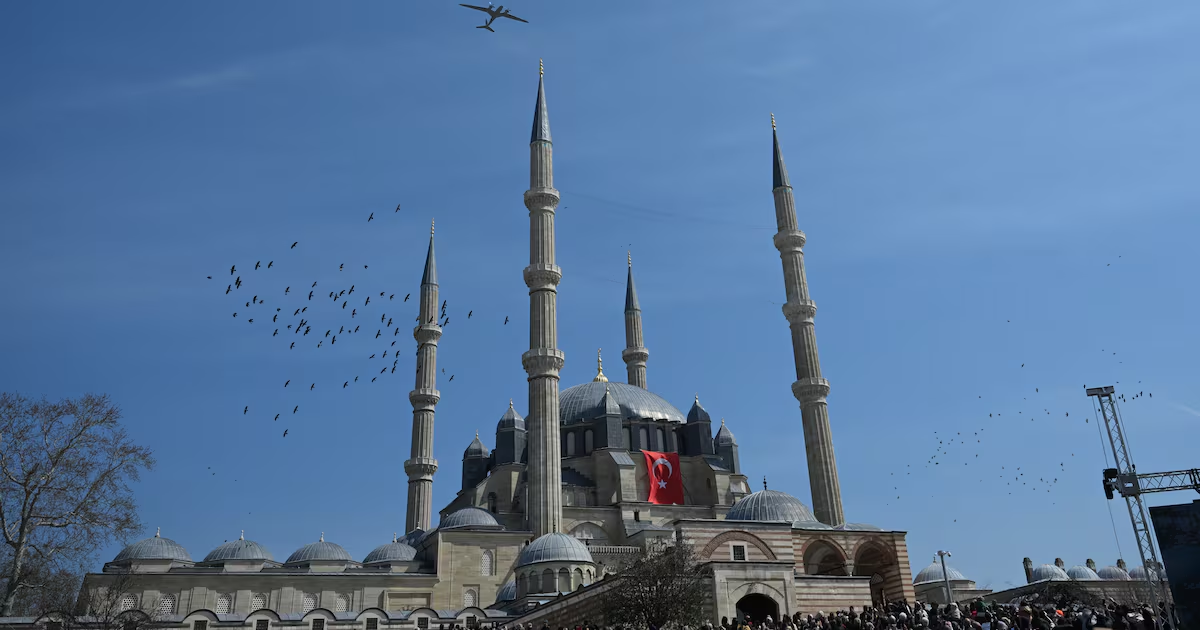
Perhaps it was just a slip of the tongue. Earlier this year, Ursula von der Leyen warned that Europe risked falling under the influence of Russia, China and Turkey. This, she said, would make life “difficult for us”.It was a terrible gaffe. The president of the European Commission had just lumped together a key Nato ally and long-standing candidate for EU membership with two of Europe’s biggest rivals. A few days later, after the commission’s press service clumsily retracted the remarks, Turkish president Recep Tayyip Erdogan snapped back: “Europe needs Turkey more than Turkey needs Europe.”Erdogan’s growing authoritarianism has long made Turkey a difficult and unpredictable ally. Today, conflict in Ukraine and the Middle East and concerns the US may withdraw its security umbrella from Europe are forcing a brutal reassessment. Turkey is no longer viewed as just an awkward European ally. It is a critical strategic partner too.At Nato’s headquarters in Brussels, Turkey is referred to as “an indispensable partner” second only to the US, a rock on the alliance’s south-eastern flank and a major naval power in the Black Sea. Its defence industry also has the scale and expertise needed to mass-produce the weaponry such as drones and guided missiles that European Nato members urgently need.Ankara now wants to leverage its growing geopolitical heft into closer EU ties, a formal role in Europe’s emerging security order and weapons deals with its burgeoning defence industry. While European militaries need Turkish shells, drones and land power, Erdogan wants better EU access, defence contracts and, crucially, the technology and finance that come with them.Many European leaders believe his wishes should be granted, especially as US president Donald Trump moves to cut US troops and equipment in Europe. Well over half of Turkey’s $10 billion (€8.7 billion) of defence exports went to Nato countries last year.“We need to open our minds to the understanding that Turkey needs to be as close to us as possible from a security perspective,” Finland’s president Alexander Stubb said in June. “If we want to demonstrate power in the world, we need to start thinking big.”“Big thinking” and big spending will shape much of the Nato summit in Ankara on July 7th. Its headline effort will involve Europe seeking to keep Trump committed to the 32-member military alliance. Parallel to that, analysts and officials say, is an agenda about how much Turkey and its defence industrial base can be integrated into Europe as the US pulls back.The mere fact the summit is in Turkey shows how far European views have changed. A decade ago, Erdogan invited Nato to hold its 2018 gathering in Istanbul, a proposal that it was widely assumed would be accepted. But those plans were blocked by a dozen European allies over concerns about Turkish democratic backsliding.A week later, Erdogan began a widespread purge of civil servants and opposition figures after a coup attempt. A few months after that, Turkey opened talks with Russia to buy an S-400 air-defence system.“A lot of European countries felt vindicated by what transpired,” a Nato diplomat present at the discussions says. “They avoided the nightmare scenario of having to take the summit away from Erdogan after having promised it.”Turkey’s 72-year-old strongman president has now finally got his way. Next week’s summit will be held in the supersized grandeur of Erdogan’s 1,150-room Bestepe presidential compound. There will be pledges of higher defence spending by European Nato countries, which Trump wants to hear, and hefty contracts for Turkish weaponry that Erdogan wants signed.People at a graduation ceremony at the National Defence University Naval Petty Officer Vocational School in Altinova, Yalova, Turkey. Photograph: Mustafa Bikec/Anadolu via Getty Images Any concerns about Turkey’s struggling economy and democracy will meanwhile be swept under the red carpet, judging by recent form.As recently as May, an Ankara court ousted Ozgur Ozel, the leader of the country’s main opposition party – the latest move in a judicial onslaught faced by Erdogan’s main political rivals, which accelerated last year with the arrest of Istanbul mayor and presidential candidate Ekrem Imamoglu. Yet US and European leaders said nothing.Even so, there is a limit to how far Turkey will be able to advance its case for closer EU ties, tighter security integration and the international legitimacy they confer.Many of Turkey’s European allies harbour deep concerns about the Erdogan government and its compatibility with Nato’s stated “principles of democracy, individual liberty and the rule of law”. That is not out of some kind of hand-wringing attachment to democratic niceties, say officials, diplomats and analysts, but hard-nosed self-interest.“Democracy and geostrategic stability are not separate issues,” says Seren Selvin Korkmaz, codirector of IstanPol Institute, a think tank. “Democratic institutions shape the credibility of Turkey’s strategic strength. They provide the institutional infrastructure that allows international agreements to last beyond individual leaders.”Ozgur Ozel, whose ousting by an Ankara court earlier this year drew no comment from EU or US leaders. Photograph: Adem Altan/AFP/Getty Images Indeed, Turkish authorities delivered a reminder of the issue ahead of the summit. In a security sweep before the gathering, more than 200 people were detained as suspected terrorists – including more than three dozen environmentalists, mostly in their sixties and seventies.A western official describes the problem bluntly. “When and how does Turkey’s domestic, economic and political fragility limit or weaken its geostrategic importance? In the end, that is the real question, the one that matters.”RevolutionTwo-hundred kilometres west of Ankara, in a vast modern facility near an ancient highway known as the Persian Royal Road, lies one reason why Turkey’s military-industrial complex has come to be prized so highly. Arca Savunma, which produces small-arms ammunition, mortar rounds and artillery shells, may also be the biggest Turkish defence company that nobody has ever heard of.Founded only six years ago by Ismail Terlemez, a former Nato procurement official, Arca has enjoyed a meteoric rise. Politically well connected, the company last year became Turkey’s largest defence exporter, according to Anadolu, the state news outlet. Among its biggest recent contracts are a series of multibillion-dollar deals with Slovakia, Bulgaria and Estonia.(Last year, the US department of justice dropped charges that Terlemez accepted benefits worth more than €115,000 linked to a series of explosives procurement contracts while he was at Nato.)A Turkish Bayraktar combat drone is on view during a presentation at the Lithuanian Air Force Base in Siauliai, Lithuania. Photograph: Petras Malukas/AFP/Getty Images A Turkish Naval Forces vessel in Istanbul with the Hagia Sophia mosque in the background. Photograph: Ozan Kose/AFP via Getty Images Arca is emblematic of what Nato secretary general Mark Rutte has called Turkey’s “defence industrial revolution”.Turkish defence companies are fast-moving and responsive to market demand. The sector is celebrated by the government as a pillar of national identity.On any given day in Ankara, giant billboards display videos of exploding missiles, soaring jets and blasting artillery – often followed by a picture of Erdogan wearing aviator sunglasses and the tagline: “A Turkey that gives confidence to its friends and fear to its enemies.”The industry also shows how a country can achieve a high degree of self-sufficiency in Nato-standard weaponry.The drive first began after the 1974 Cyprus war, when a US arms embargo exposed Turkey’s dependence on foreign suppliers. It then accelerated under Erdogan, with state backing funnelled to politically connected defence champions, sometimes via a special off-budget defence fund.The fund’s spending peaked in 2018 to reach almost half a point of GDP, analysts estimate, equivalent to about $3 billion.“We are reaping the benefits” of our past defence drive, says one senior official, who forecasts that defence exports this year could rise by about 30 per cent to $13 billion. “Europe has a lot it can learn from us,” the official adds with a smile.Today, Europe is in a similar push to rebuild its defence industry and secure its supply chains. Turkish officials claim that more than 80 per cent of Turkey’s defence inputs by value are sourced domestically.Billboards in Ankara in advance of next week's Nato summit. Photograph: Adem Altan/AFP via Getty Images “Turkey has lots of entrepreneurialism, engineering expertise and industrial scale that only Germany can match. But Germany is expensive,” says a senior Nato defence official. “The Turks also turn up at Nato meetings the best prepared and ask the hardest questions. You definitely want them on your side.”Even so, Turkey’s arsenal alone does not make it a steadfast ally, and its defence industry faces several obstacles that encapsulate broader reservations about the country held by many of its Nato allies.The first problem, and also the most symbolic, is market exclusion. As a non-EU member of European Nato, Ankara has been blocked from a €150 billion Brussels loans-for-arms scheme, raised against the EU’s shared budget and designed to boost defence production, innovation and cross-border co-operation.Turkey has worked around this issue by avoiding Brussels altogether and forging bilateral deals instead.Baykar, the world-leading AI-driven drone maker led by Selcuk Bayraktar, Erdogan’s son-in-law, has partnered with Italian company Leonardo in a joint venture that brings access to EU funding as a company operating in Europe. Turkish ammunition maker Repkon has similarly signed to build production facilities in Germany.Late last year Turkey also sold 30 training jets to Spain’s air force, to be co-produced with Airbus in a €2.6 billion deal. Analysts say that joint-production model could be repeated with other Turkish defence platforms that integrate European weaponry.“There is lots of potential for collaboration,” says Arda Mevlutoglu, an Ankara-based defence consultant. “Western countries could plug and play into Turkish platforms with their own avionics and weapon systems.”Baykar, the world-leading AI-driven drone maker is led by Selcuk Bayraktar, Erdogan’s son-in-law. Photograph: Hilmi Tunahan Karakaya/Anadolu via Getty Images Such kinds of joint ventures are in tune with the transactional zeitgeist. But the fact it is not part of an overarching European agreement on Turkey’s security role also limits how far it can go.“What does Europe want from Turkey? That is not clear, which is a problem. The relationship continues because it must, but does not progress because there is no political infrastructure to support it,” says Korkmaz, the political scientist. “Without that, Turkey can become more important but, paradoxically, also less relevant in strategic discussions.”A second problem is financial. Turkey’s defence sector may be booming, but the broader economy is racked by 33 per cent inflation, rising costs and an appreciating exchange rate that has throttled the competitiveness of other manufacturers.It also operates in a country where rule-of-law concerns have deterred foreign investment in other sectors. The World Justice Project ranked Turkey 118th out of 143 countries in its 2025 Rule of Law Index, one place above Russia.“Turkey’s legal system leaves capital at risk. That is why – other than the state-controlled conglomerates and one or two well-connected private companies – Turkey’s defence industry remains capital-light. It limits the sector’s growth and depth,” the Nato defence official adds.A third problem is reliability. Ankara often talks up its defence industry to project national resolve and the country’s ability to withstand external pressure. But such boosterism can also be self-defeating.Last year, many Turks were shocked when foreign minister Hakan Fidan admitted that the crown jewel of Turkey’s indigenous defence industry – the fifth-generation Kaan fighter jet – was dependent on foreign-made engines. Similar overpromises this year portrayed the prototype Yıldırımhan ballistic missile as having a declared 6,000km range. Improbably, that is 10 times more than Turkey’s current longest-range missile.The Turks are “making an Apache-like helicopter, they have drones, jammers ... It’s one of the fastest growing defence industries in Europe,” says a second senior European defence official. “But it remains to be seen just how impressive some of these new systems are,” the official adds, referring to the Yıldırımhan in particular.“Are big Nato allies really going to put their trust in them to keep themselves safe?”MistrustTurkey’s relations with Nato countries have improved radically since the attempted putsch in 2016, when Erdogan accused the west of “siding with coup-plotters and terrorists”.Turkish defence companies have become major suppliers to European militaries. Europe’s desire to strengthen a “Middle Corridor” transport and energy route to China runs through Turkey, further enhancing its strategic position.As for relations with Moscow, Ankara continues to support the return of occupied Crimea to Ukraine and has reduced Turkey’s dependence on Russian energy.Turkey has meanwhile revalued its western relationships. It was Nato air-defence batteries that shot down the four Iranian ballistic missiles that headed towards Turkey this year.Turkey's president Recep Tayyip Erdogan with Nato secretary general Mark Rutte. Photograph: Omar Havana/Getty Images Turkish defence companies – especially those making more commoditised products such as artillery – need the western technology, finance and partnerships that keep them competitive, especially with China “the biggest threat to Turkey’s defence sector, without a doubt”, says Ertac Koca, head of international co-operation at Turkey’s defence industry agency.Most important of all, Europe – including non-EU countries such as the UK – accounts for about half of Turkey’s roughly €720 billion of annual trade in goods and services.“Europe is our only safe and peaceful border,” one senior Turkish official admits. “We value European stability and security very highly.”Even so, better relations do not mean that they are good, and closer defence ties will not inevitably make them so, which puts a ceiling on the trade and investment flows that Turkey’s economy needs.EU accession talks, begun in 2005, were frozen in 2018. Everyone agrees that the customs union Turkey signed with the EU in 1995 – before the digital economy took off – needs to be updated. But doing so would require politically difficult changes that Ankara may not be willing to make, such as adhering to transparent public procurement policies.There is also a deeper uncertainty that limits full co-operation, which flows from what critics see as Turkey’s increasing authoritarianism. If Turkey became fully authoritarian, critics say, the government’s main priority would become eliminating internal threats rather than facing common external ones – much as happened in Hungary under former prime minister Viktor Orbán.For now, both sides are trying to find their way towards a new security order in an increasingly dangerous world where the US no longer plays the overarching role in European security that it once did.“That is why this legacy of mutual mistrust matters more than ever before,” says Sinan Ulgen, the director of the Istanbul-based EDAM think tank.“The question for Europe is: ‘When push comes to shove, will Turkey side with the EU or stand aside?’ The question for Turkey is: ‘Will this [impasse] lead to a dysfunctional Nato and an EU defence architecture that excludes it?’”“At its worst, that could will into existence everything previously feared: a weaker Europe, and a Turkey forced to fend for itself,” Ülgen adds. “It would be uncharted waters.”– Copyright The Financial Times Limited 2026
Why Europe is learning to live with Erdogan’s Turkey
EU countries are uneasy about Erdoğan’s growing authoritarianism. But they want his country’s hard power
2,450 words~11 min read