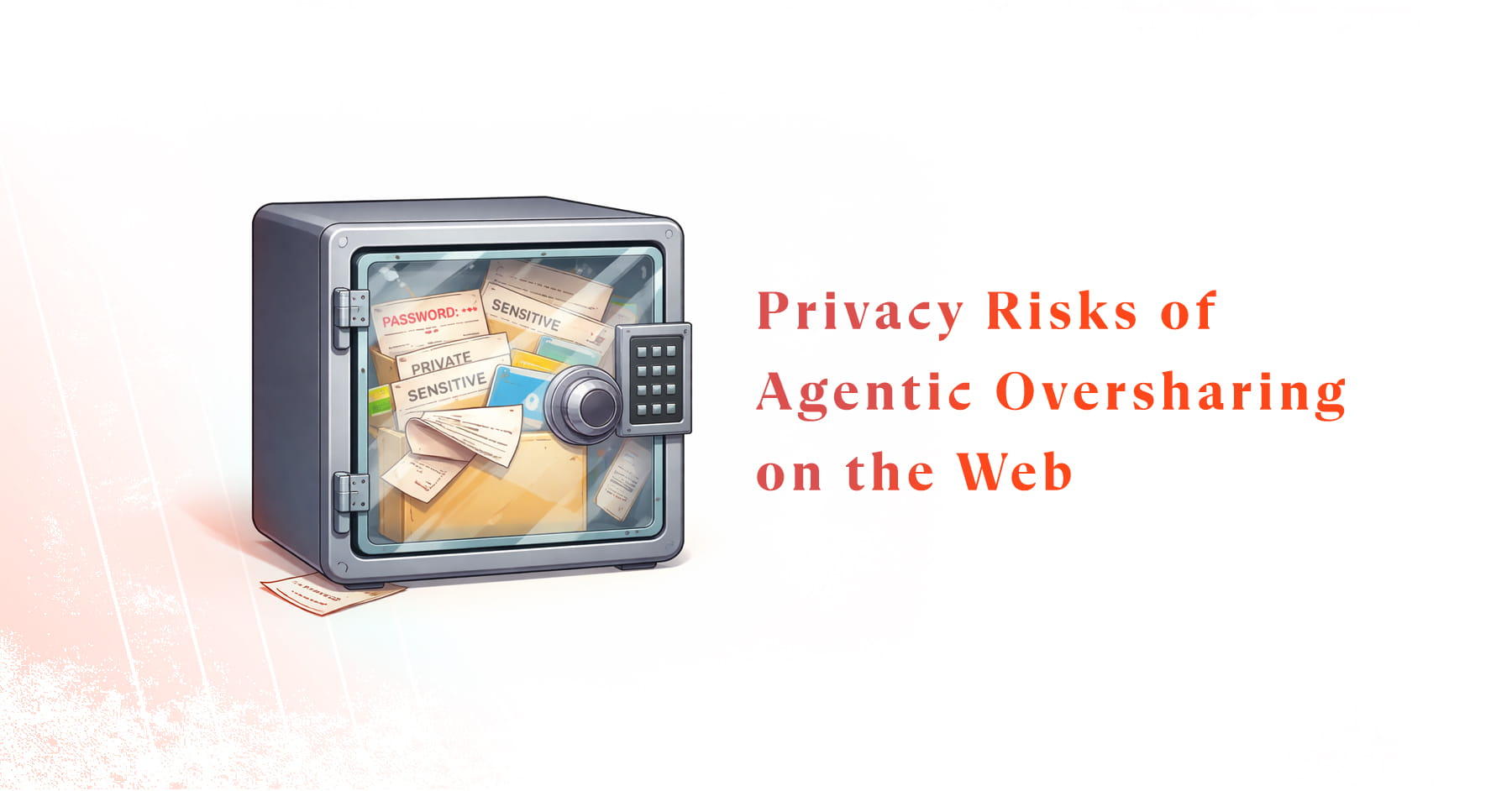
Your inbox used to be the one place where you controlled the conversation. Now AI agents are sliding in, reading your messages, filing claims on your behalf, and grabbing verification codes, all without explicitly asking if that’s cool.
The problem isn’t just that these agents access your email. It’s that the legal frameworks designed to protect your data were built for a world where humans clicked “I agree” and moved on. Machine-speed interactions don’t pause to read the fine print.
The numbers tell a clear story
According to a Cloudera report from April 2025, 96% of organizations intend to expand their use of AI agents. The same report found that 53% of those organizations cite data privacy as the primary obstacle standing in the way.
AI agents need email access for practical reasons: receiving one-time passwords, pulling verification codes, authenticating identity across platforms. Security researchers call this “privilege overreach.” An agent authorized to read a single verification email can theoretically access, and in some cases delete, messages across the entire account. One compromised agent doesn’t just expose one conversation. It creates a cascading vulnerability that can ripple across every service linked to that email address.