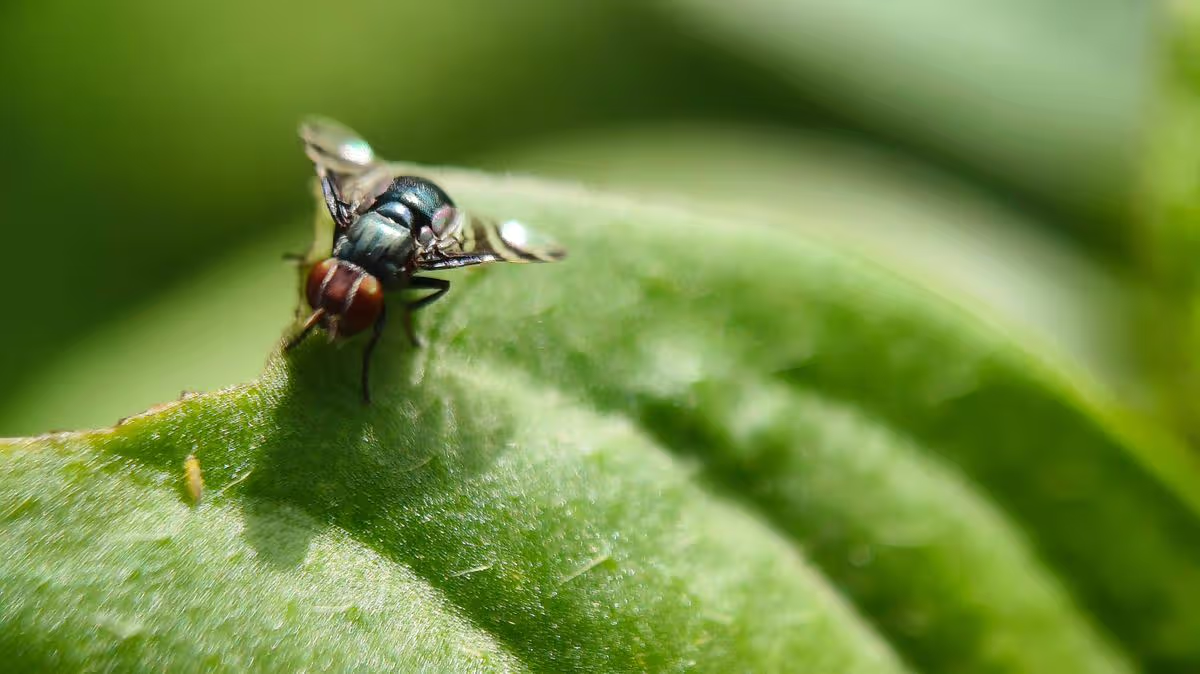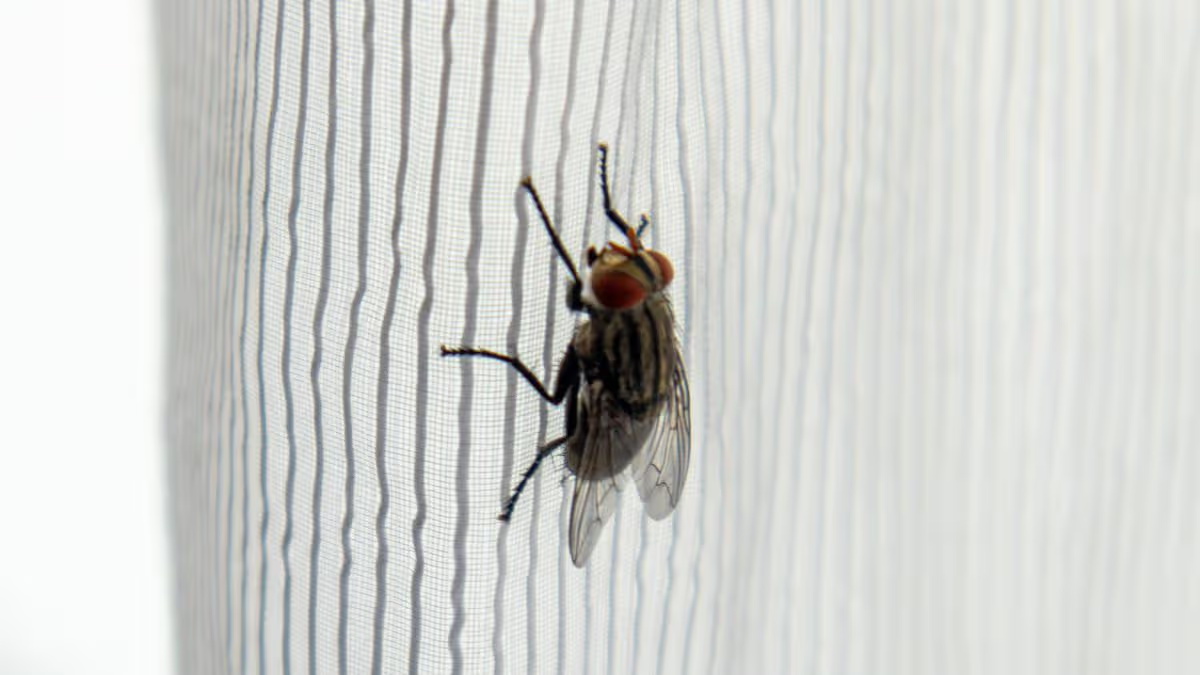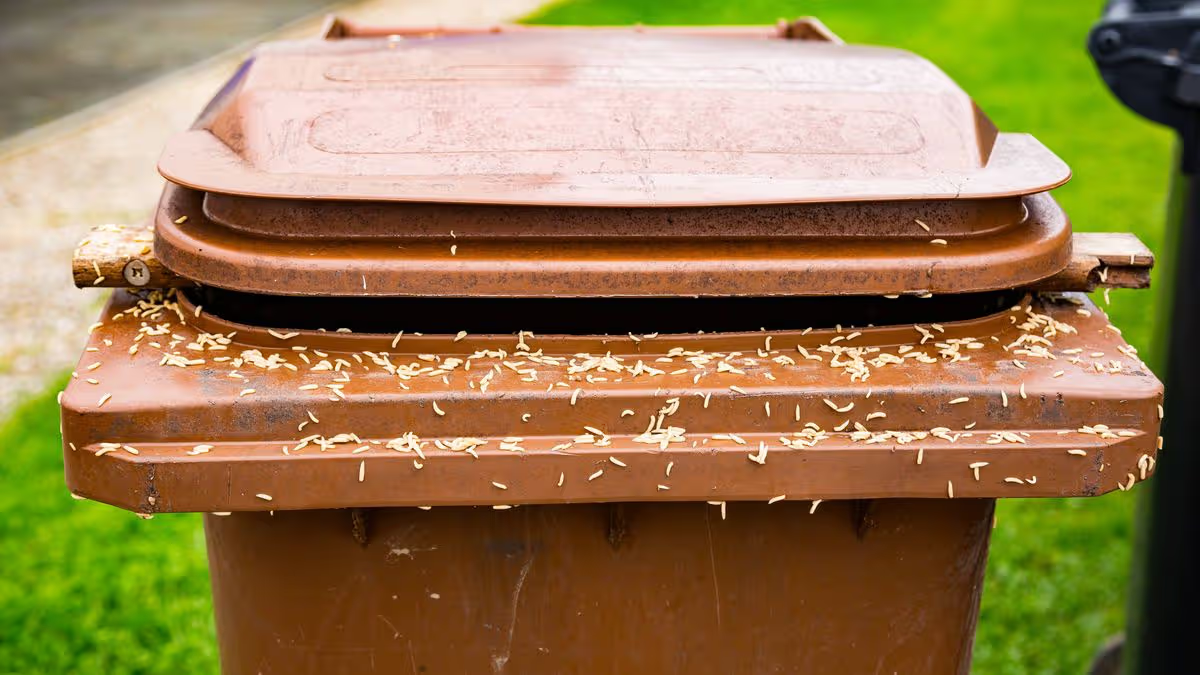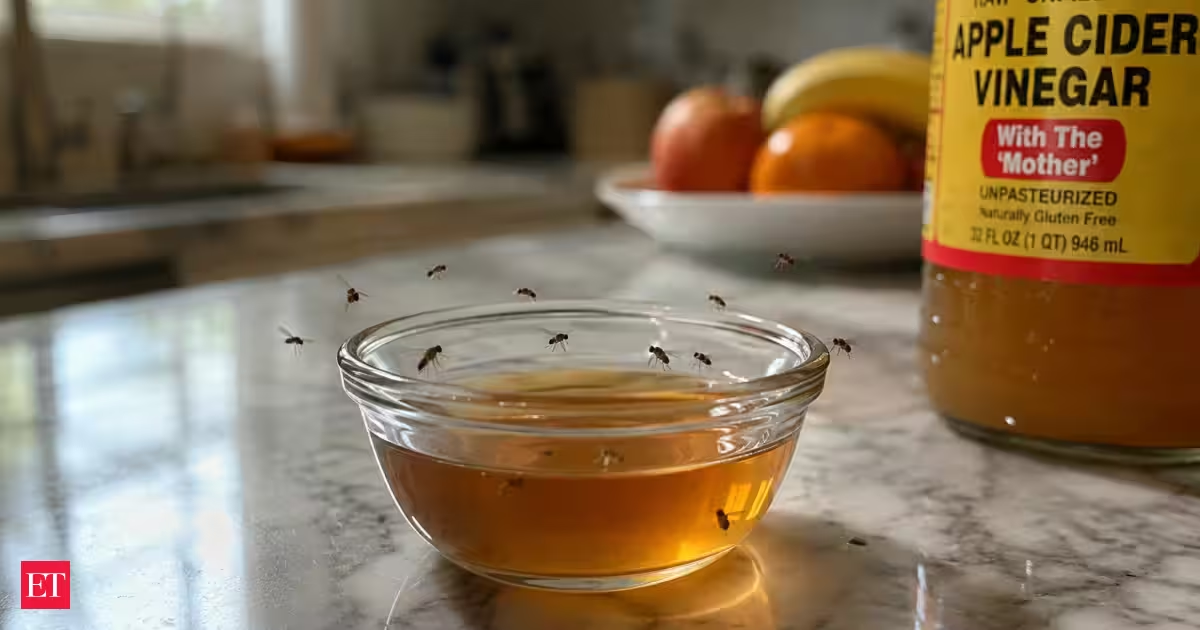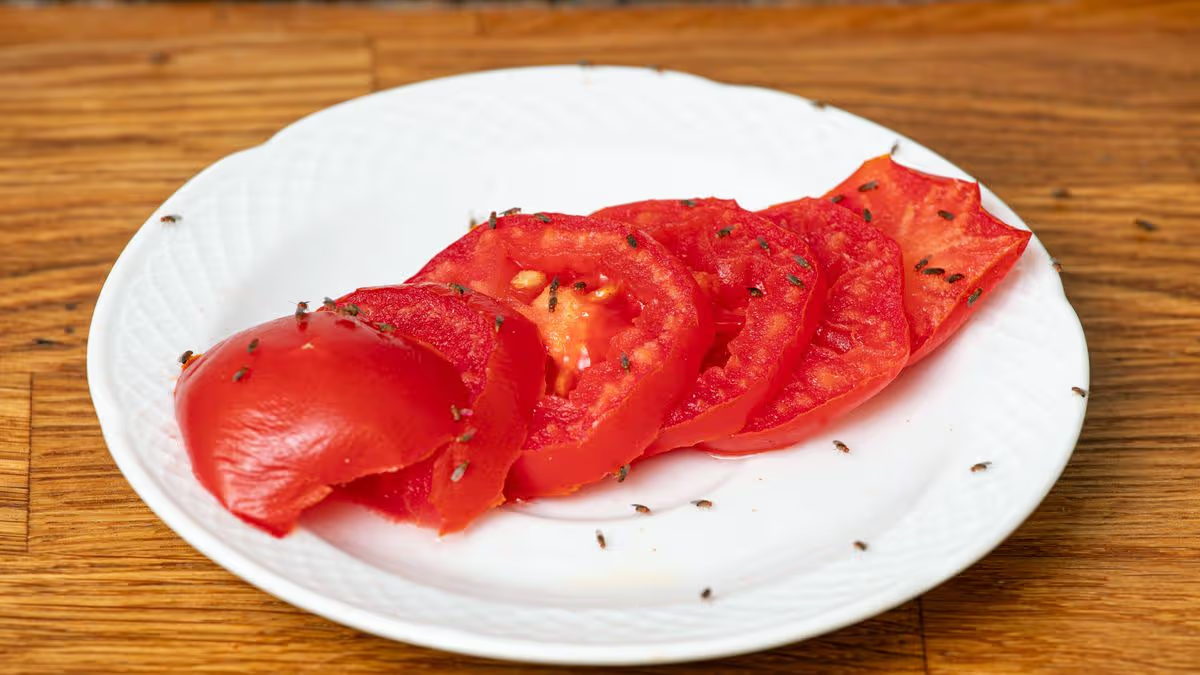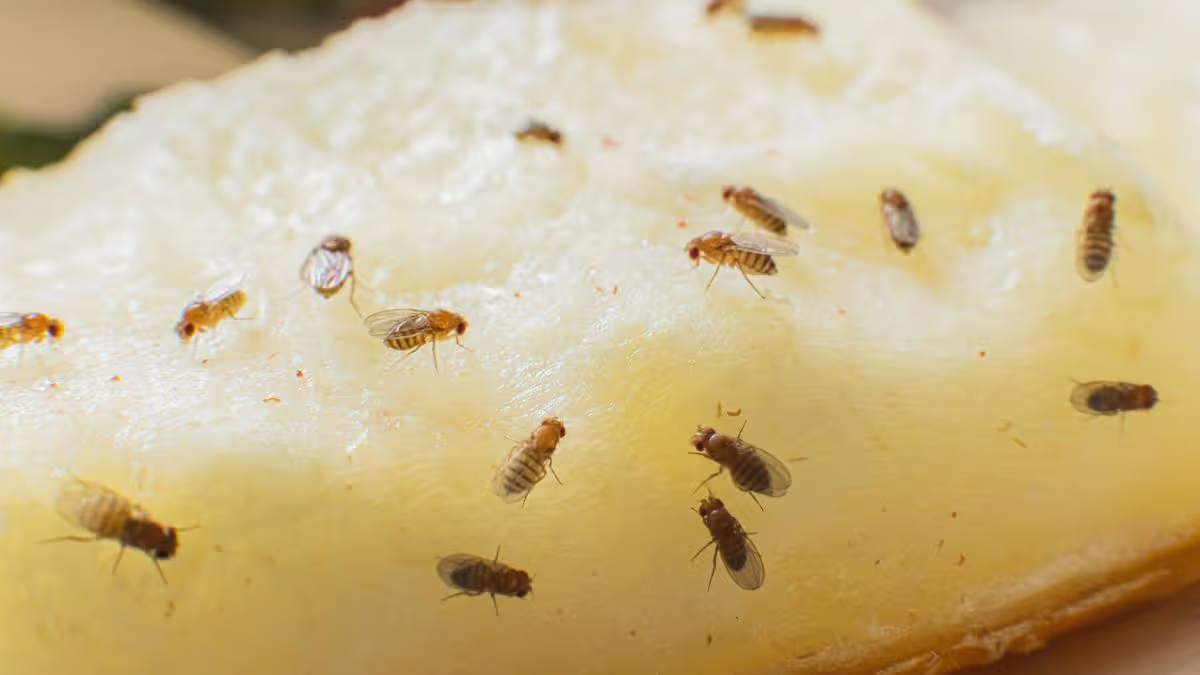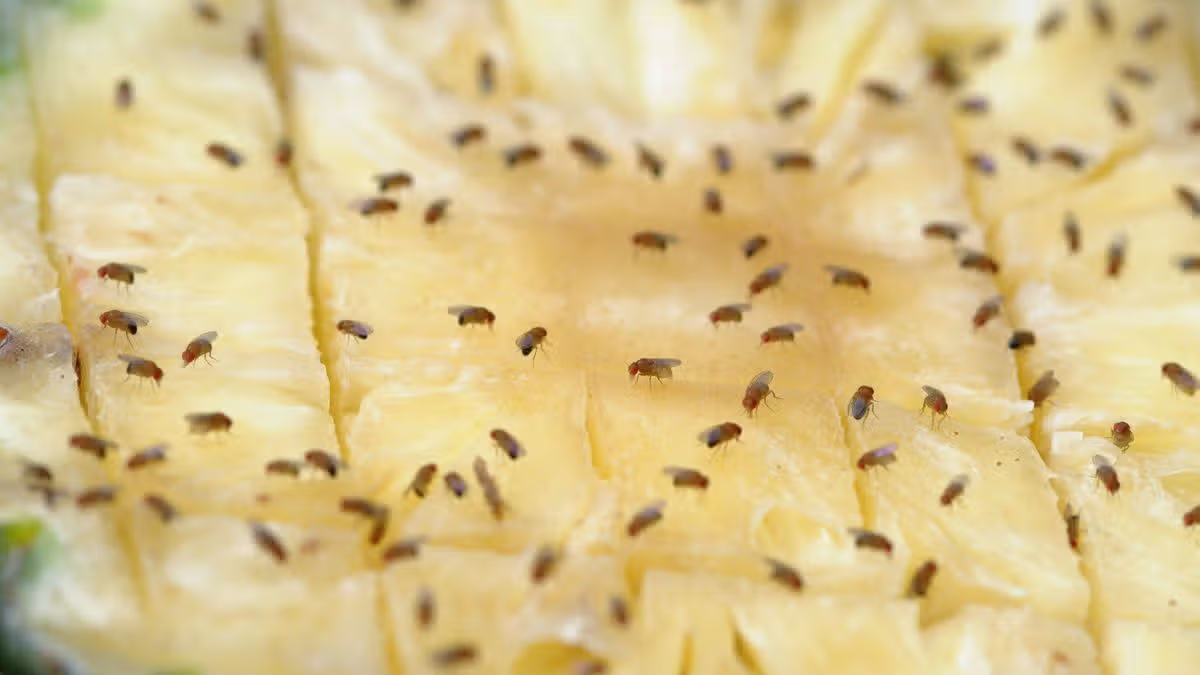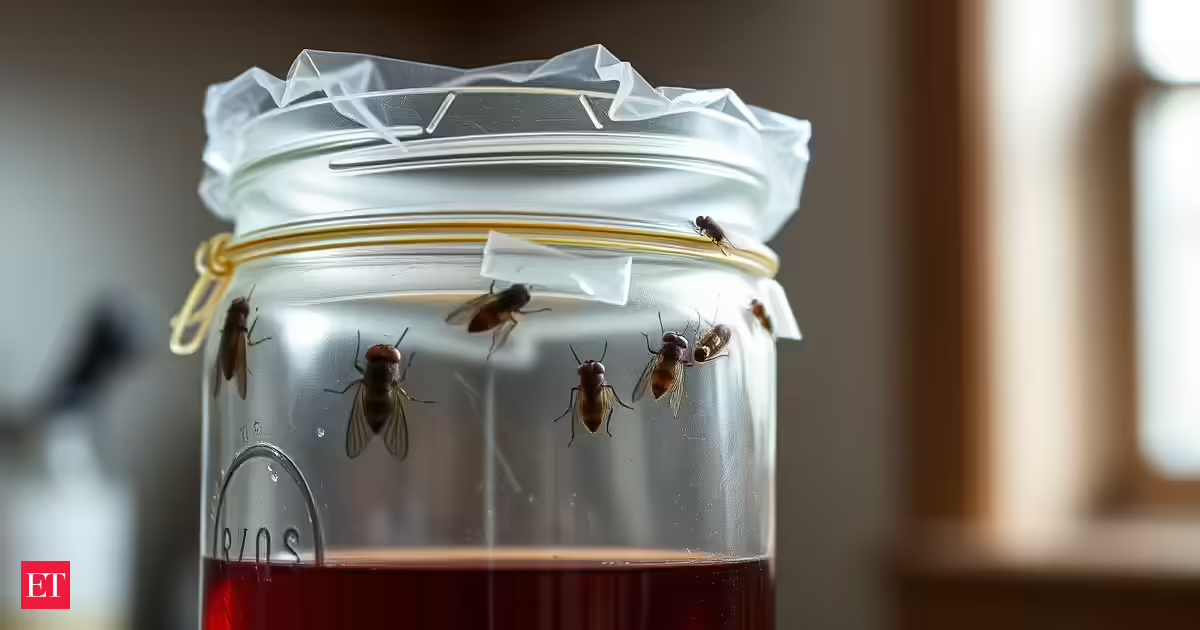
Fruit flies are among the most common household pests, especially during warm weather. Although tiny in size, they can quickly become a major nuisance in kitchens and dining areas. These insects are attracted to the smell of ripening or fermenting fruits, vegetables, sugary drinks, and food waste. A few fruit flies can multiply rapidly because females lay hundreds of eggs near moist, decaying organic matter. Fortunately, experts from university extension services recommend a simple homemade trap that can significantly reduce adult fruit fly populations when used alongside proper sanitation.One effective method involves using a glass partially filled with red wine vinegar. The top of the glass is covered tightly with plastic wrap, and several small holes are made in the plastic using a toothpick or fork. Fruit flies are naturally attracted to the fermented aroma of the vinegar because it resembles overripe fruit, one of their favorite food sources. They enter the container through the tiny holes but find it difficult to escape. Eventually, many fall into the liquid and drown. Similar traps made with apple cider vinegar are also widely recommended by entomologists and cooperative extension experts, and adding a small drop of unscented liquid dish soap can make the trap even more effective by breaking the liquid's surface tension, preventing the flies from floating and escaping.Fruit Flies Trap: EffectivenessThe effectiveness of this homemade trap lies in the biology of fruit flies. These insects possess highly sensitive smell receptors that detect fermenting substances from a considerable distance. Vinegar, particularly varieties produced through fermentation such as apple cider vinegar and red wine vinegar, releases compounds that mimic the scent of decaying fruit. Scientific studies on vinegar-based traps have demonstrated that fermented baits successfully attract various species of fruit flies, making them useful monitoring and trapping tools.However, trapping alone cannot eliminate a fruit fly infestation if breeding sites remain available. Experts consistently emphasize that the most important step is removing the source attracting the insects. Overripe bananas, tomatoes, grapes, onions, potatoes, and other fruits or vegetables left on countertops can provide ideal breeding conditions. Fruit flies may also reproduce in trash bins, recycling containers, compost buckets, garbage disposals, sink drains, and damp cleaning cloths where food residues accumulate. Thoroughly cleaning these areas is essential to stop the life cycle of the insects.Good Kitchen Hygiene is EssentialMaintaining good kitchen hygiene greatly reduces the likelihood of fruit fly problems. Fresh produce should be stored properly, and damaged fruits should be discarded promptly. Kitchen counters should be wiped regularly to remove juice spills and sticky residues. Trash should be emptied frequently, especially when it contains fruit peels or food scraps. Sink drains and garbage disposals should also be cleaned because organic material trapped inside them can serve as hidden breeding grounds. These preventive measures are often more effective than relying solely on traps.The homemade vinegar trap offers several advantages. It is inexpensive, requires only common household materials, and avoids the need for chemical insecticides. Families with children or pets often appreciate this simple solution because it relies on food-grade ingredients rather than pesticides. The trap can be placed near fruit bowls, kitchen sinks, recycling bins, or other areas where fruit flies are commonly seen. For best results, the vinegar should be replaced every few days to maintain its attractive scent and ensure continued effectiveness.Adult Fruit FliesIt is also important to understand the limitations of the method. The trap primarily captures adult fruit flies. It does not destroy eggs or larvae already developing in breeding sites. Therefore, if sanitation is neglected, new generations of flies will continue to emerge. Experts recommend combining trapping with thorough cleaning, proper food storage, and elimination of breeding sources for lasting control. This integrated approach is considered the most reliable strategy for managing fruit fly populations in homes.Beyond solving a household nuisance, the fruit fly trap demonstrates an important principle of practical problem-solving. Sometimes the simplest solutions are remarkably effective when supported by scientific understanding. By observing insect behavior and using their natural attraction to fermented odors, people can manage fruit flies without expensive equipment or harsh chemicals. The method illustrates how knowledge of nature can lead to safe, affordable, and environmentally friendly solutions.
Fruit Fly problems: Homemade simple red wine vinegar trap and importance of prevention
Fruit flies may be small, but they can become a persistent problem if ignored. A homemade trap using red wine vinegar or apple cider vinegar covered with plastic wrap and small entry holes provides an effective way to capture many adult flies. Adding a drop of dish soap can improve trapping success. Nevertheless, the key to long-term control is preventing breeding by removing overripe produce, cleaning food residues, maintaining sanitary kitchens, and emptying waste regularly. When combined with good household hygiene, this simple vinegar trap becomes an excellent example of how practical science can solve everyday problems safely and effectively.
694 words~3 min read