I
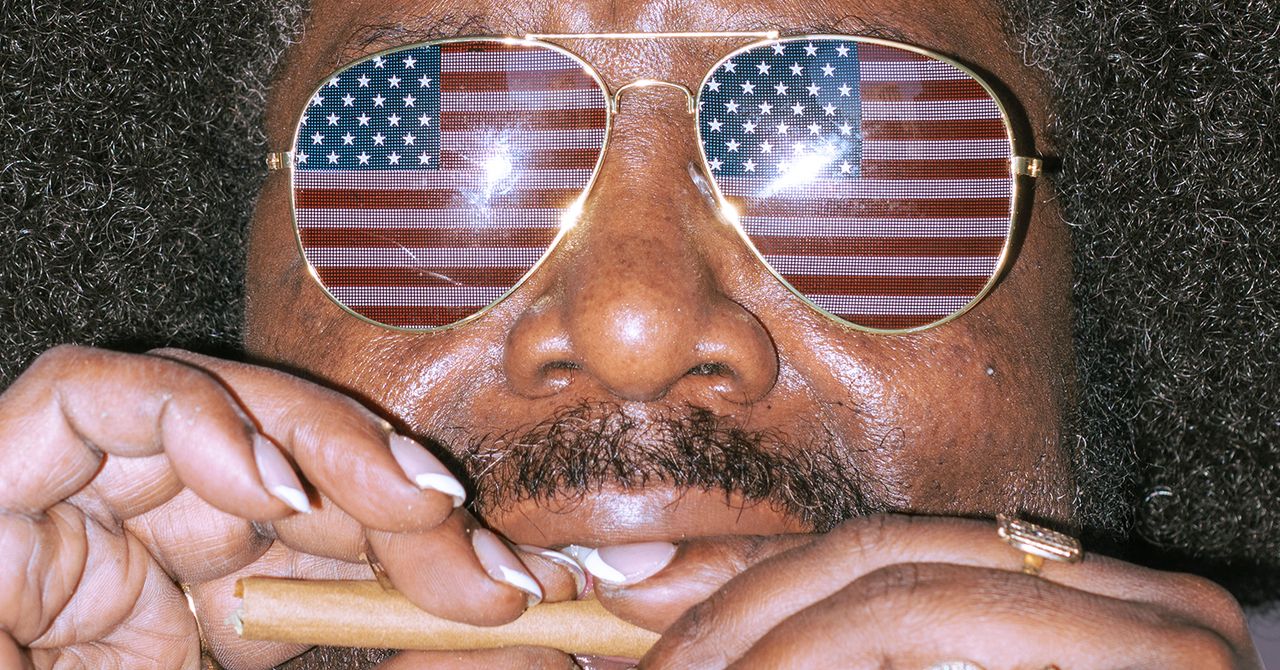
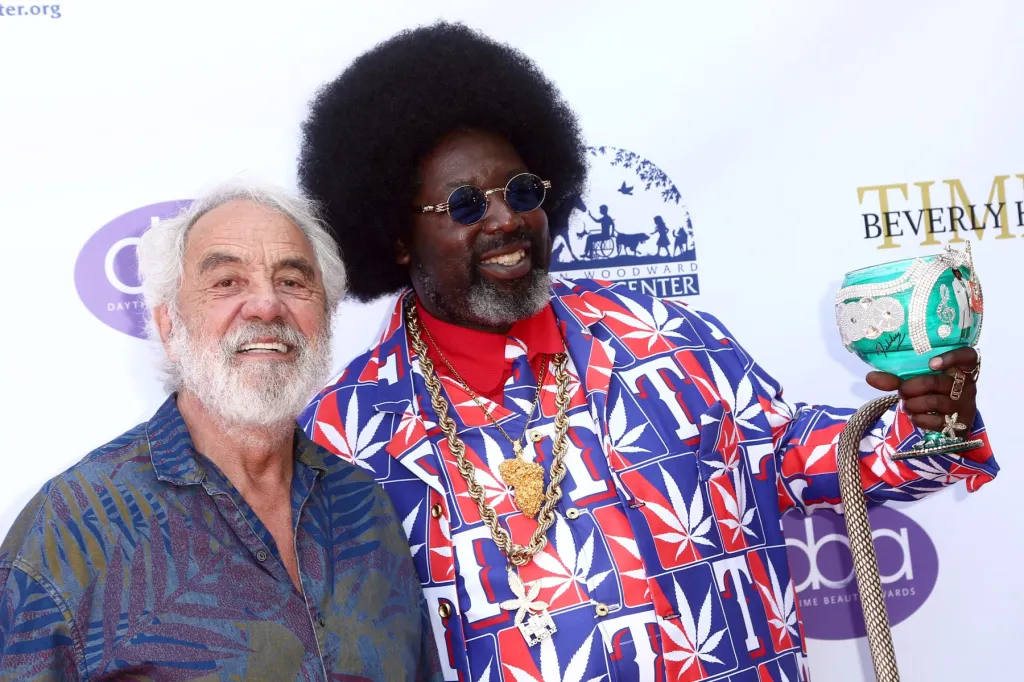
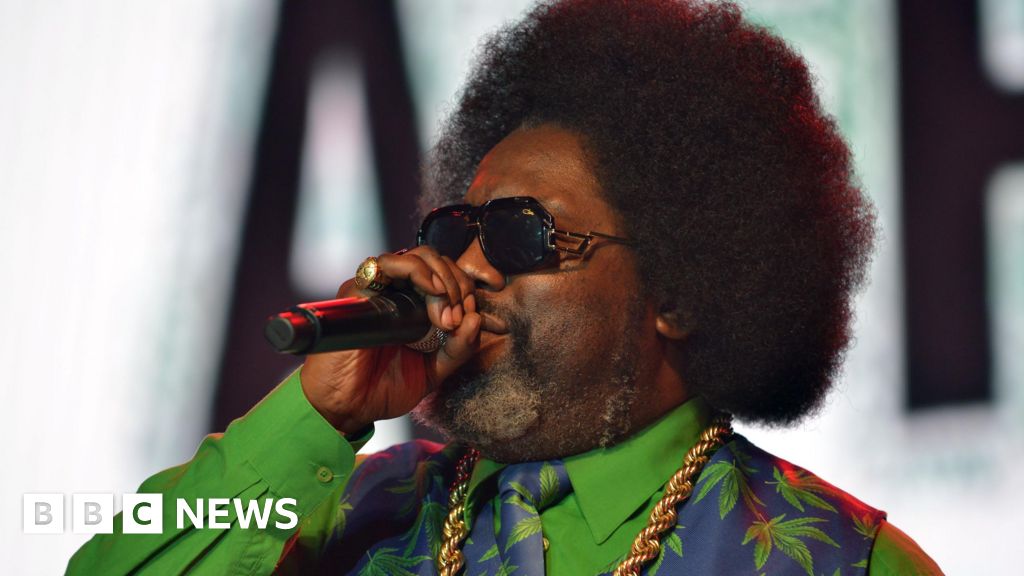
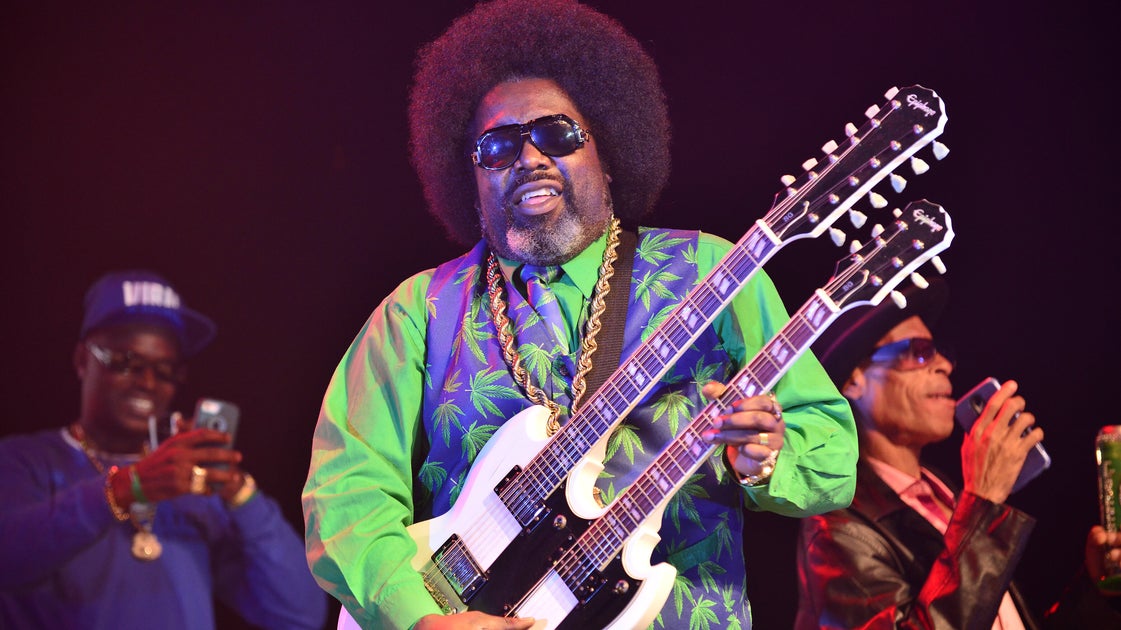
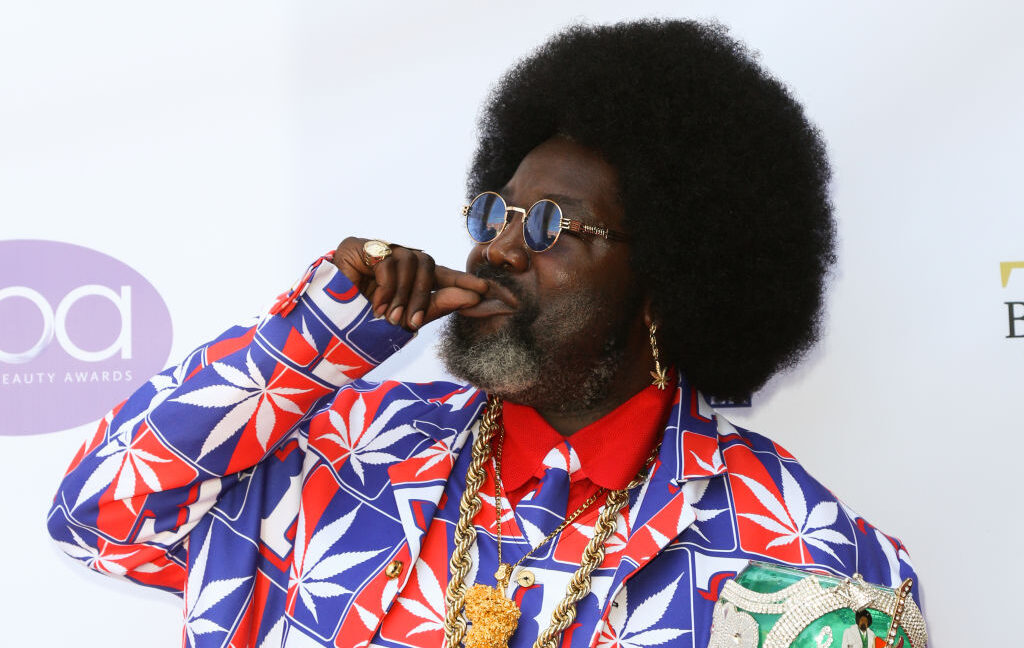
t’s close to showtime, and Afroman is sitting alone on a purple velour couch in the green room of the MegaCorp Pavilion in Newport, Kentucky. In 30 minutes, he’ll be onstage performing the songs that made him famous — “Palmdale,” “Crazy Rap,” and, of course, his breakout 2001 hit, “Because I Got High” — before a crowd of around 1,000 people. He’s dressed in his new signature look: a bespoke American-flag-print suit with matching sunglasses (the flag motif covers the lenses). His French-manicured fingers, sporting multiple gold rings, hold a chalice also emblazoned with the flag and filled with Colt 45 malt liquor. Two assistants, clad in tight red dresses, film his every move while his go-to hype song, Lynyrd Skynyrd’s “Simple Man,” plays on repeat. As Ronnie Van Zant sings, “Don’t you worry, you’ll find yourself/Follow your heart and nothing else,” he rises from the couch and looks up to the ceiling, raising his hands as if in prayer.
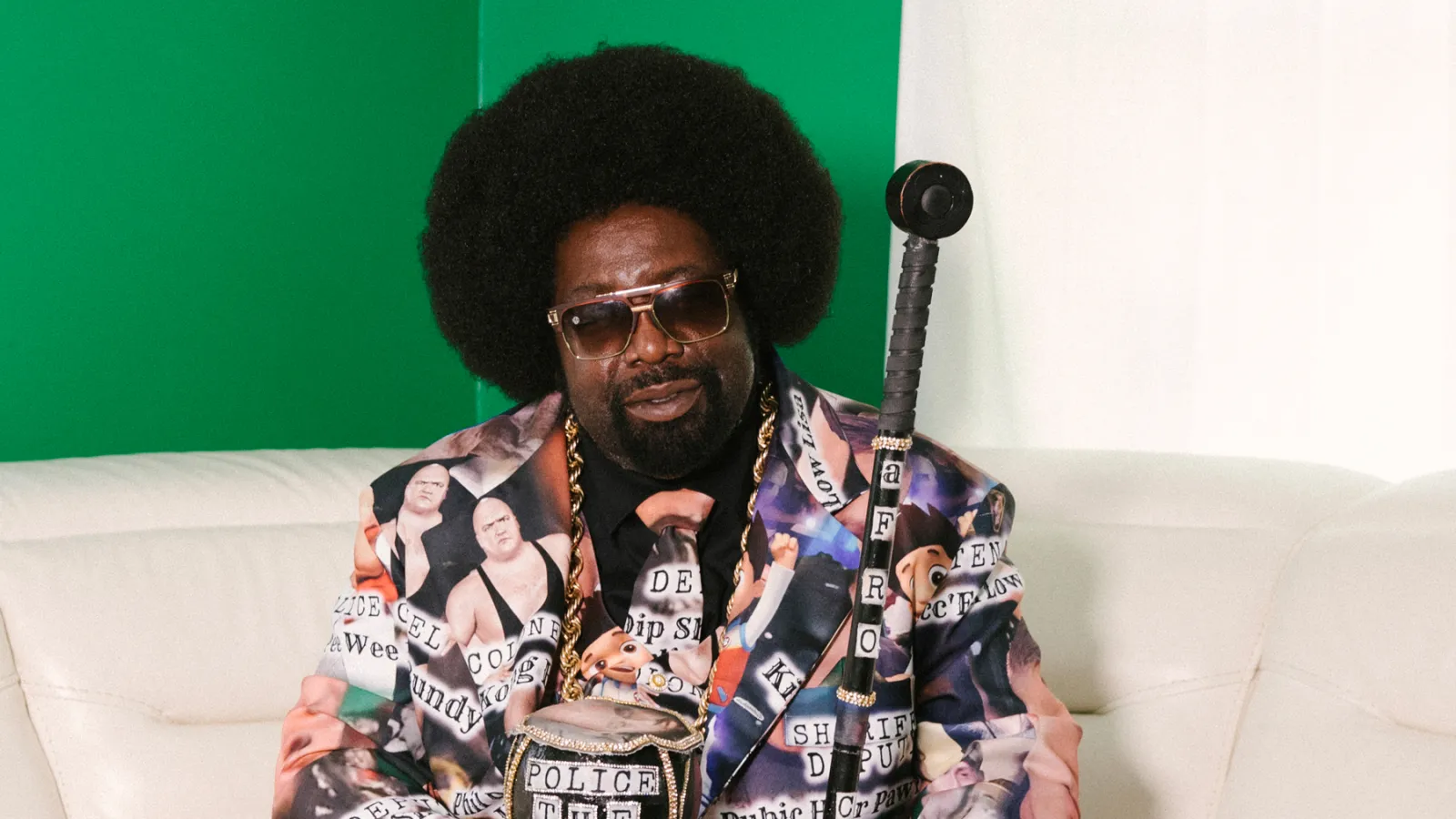
Joseph Edgar Foreman, 51, is in a good mood. In recent months, he’s made the unlikely journey from beloved novelty rapper to American folk hero after winning a highly publicized defamation lawsuit brought against him by officers at his local sheriff’s office. Tonight is the homecoming show of his Freedom of Speech tour, a victory lap of sorts that has seen him celebrate his new status as a civil rights champion in cities from Tallahassee, Florida, to Honolulu. Newport is only about an hour from Foreman’s rural Ohio home, so on this early-May evening, he’s greeting a wildly enthusiastic hometown crowd. Onstage, Foreman pulls from old hits and new songs that, as he tells the audience, “almost cost me $4 million.” The crowd roars.