Commentary
His Roots Picnic freestyle had the force of a legend clearing the air, but it also raised a harder question: What does rap beef do for an icon who already won?
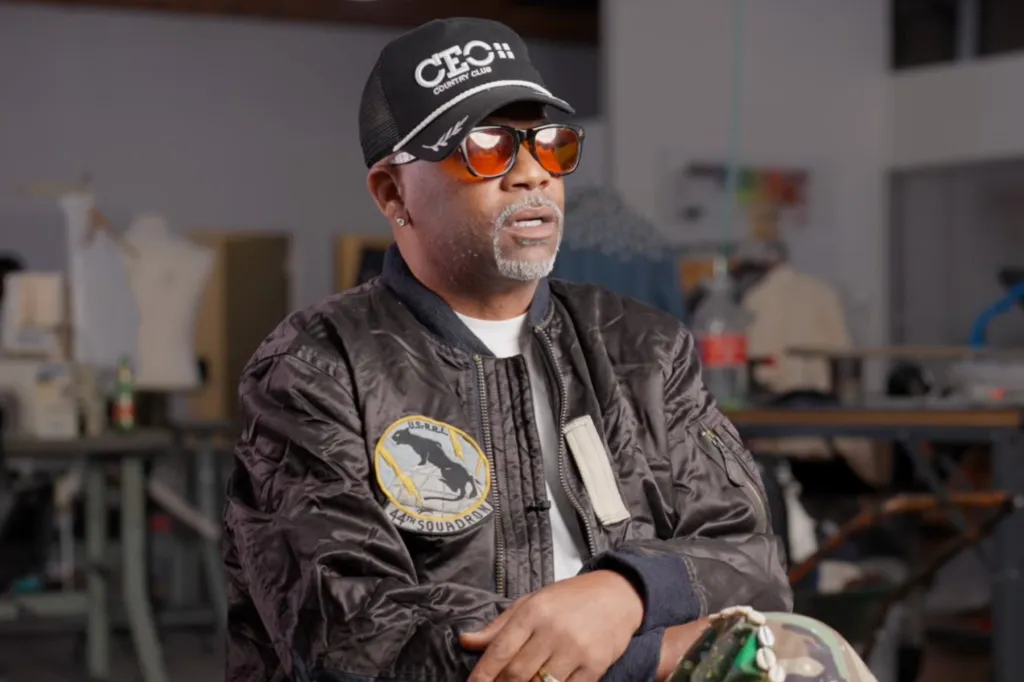
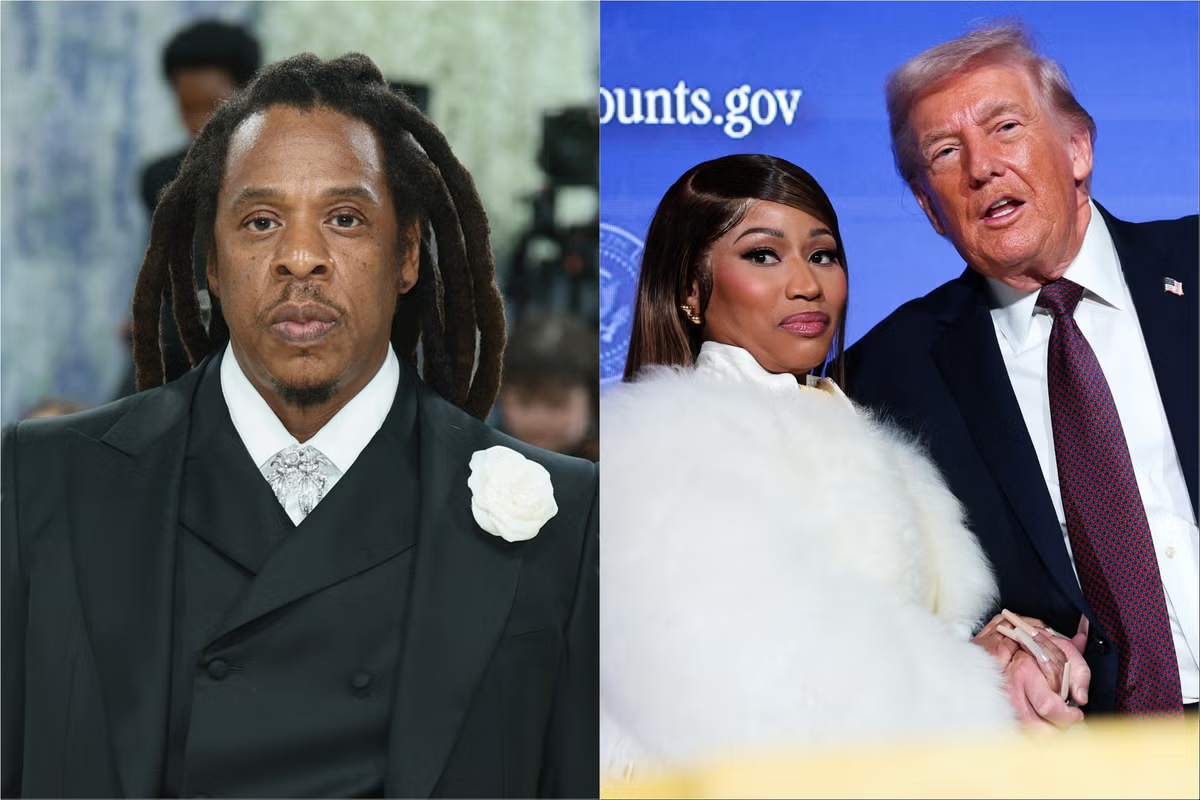
Jay-Z’s Roots Picnic freestyle was not merely a diss record played live. It was a reminder of the strange position he now occupies: still one of rap’s most dangerous technicians, but also a mogul institution whose grievances carry the weight of boardroom power. The performance, where he appeared to send shots at Tony Buzbee, Drake, Ye, Dame Dash, Nicki Minaj and Tory Lanez, has been treated online as a question of effectiveness. For Jay-Z, the better question is whether the battle helped his legacy or made him look too eager to prove he can still win one.
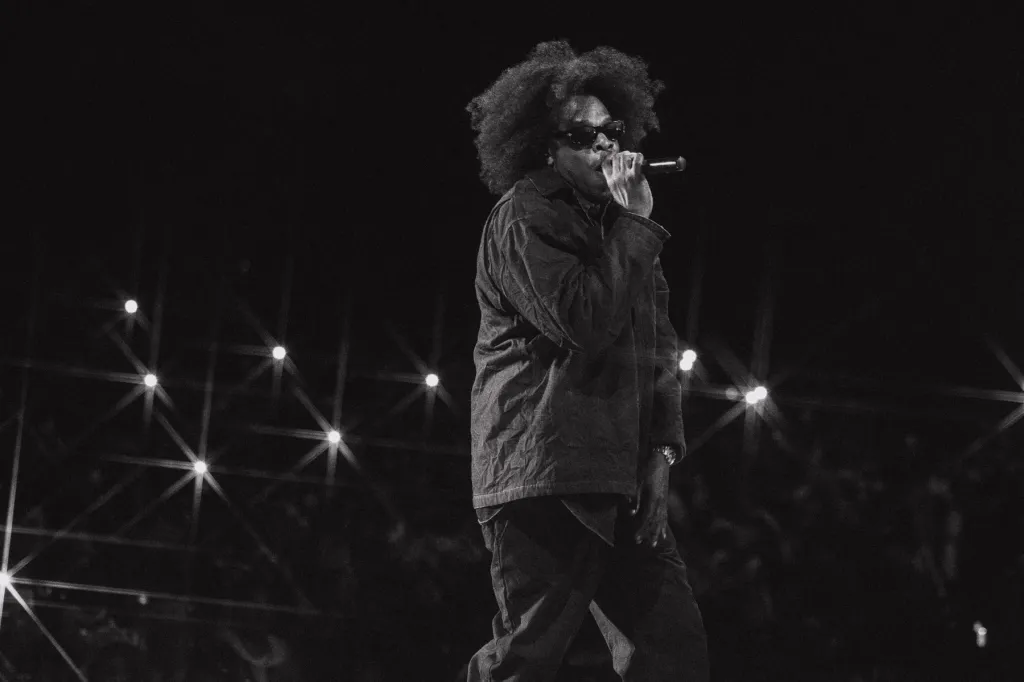
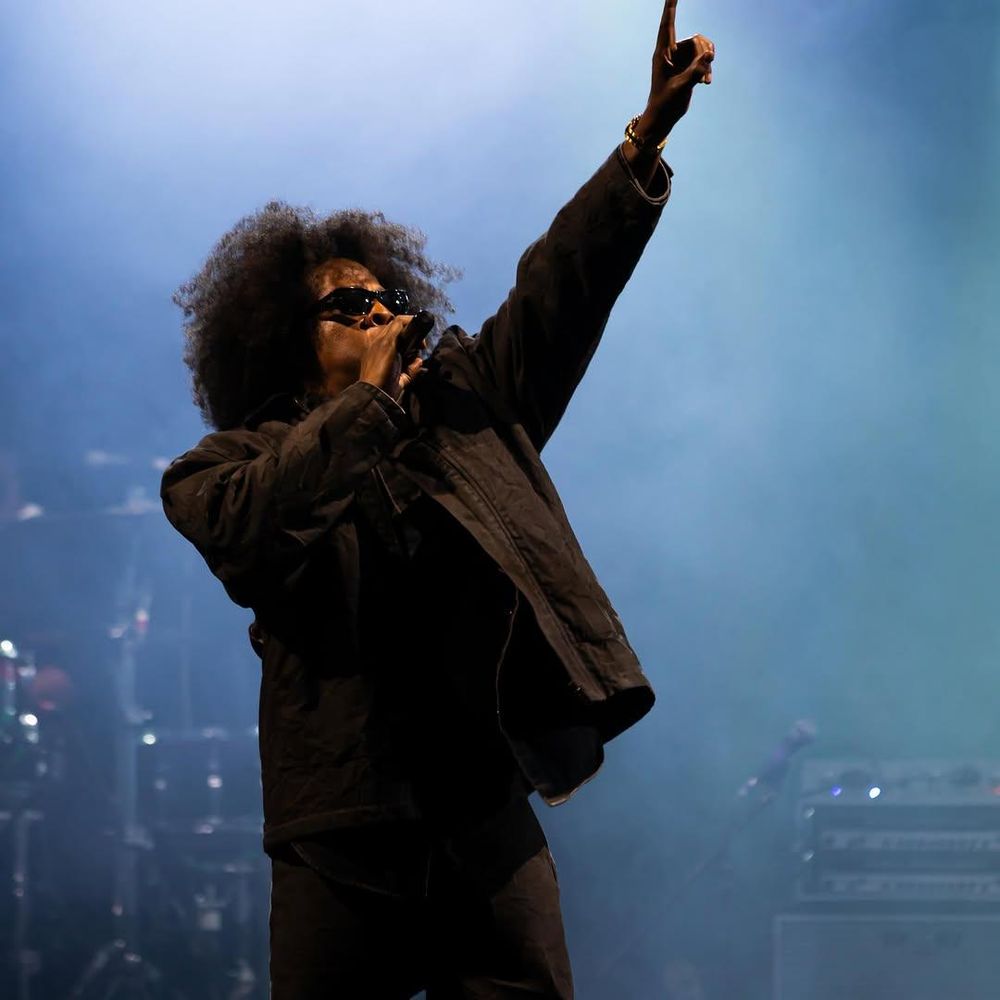
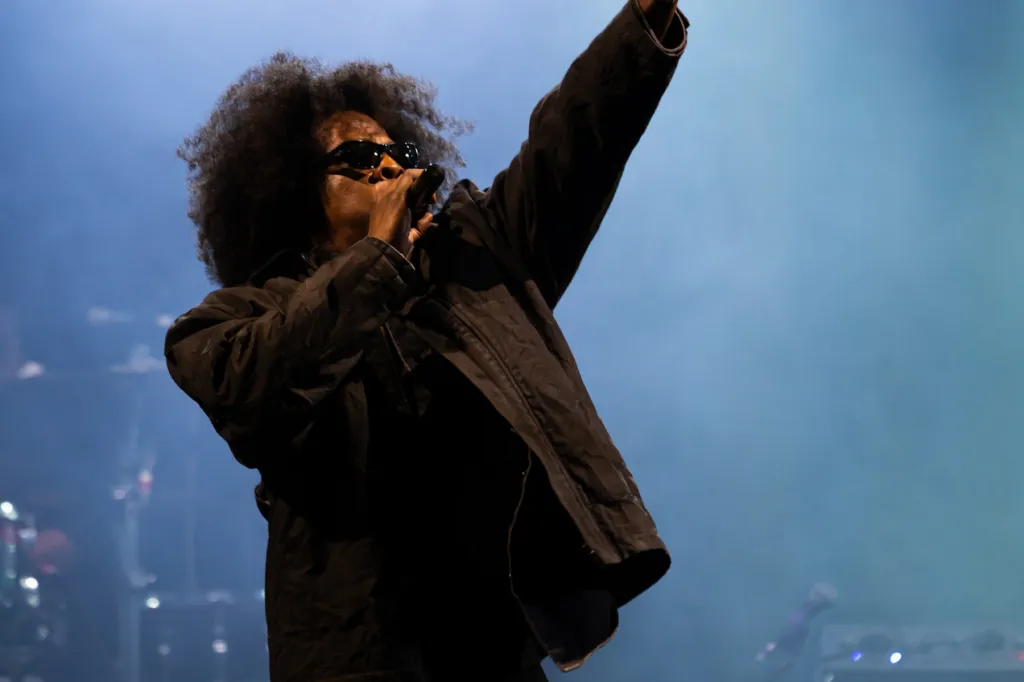
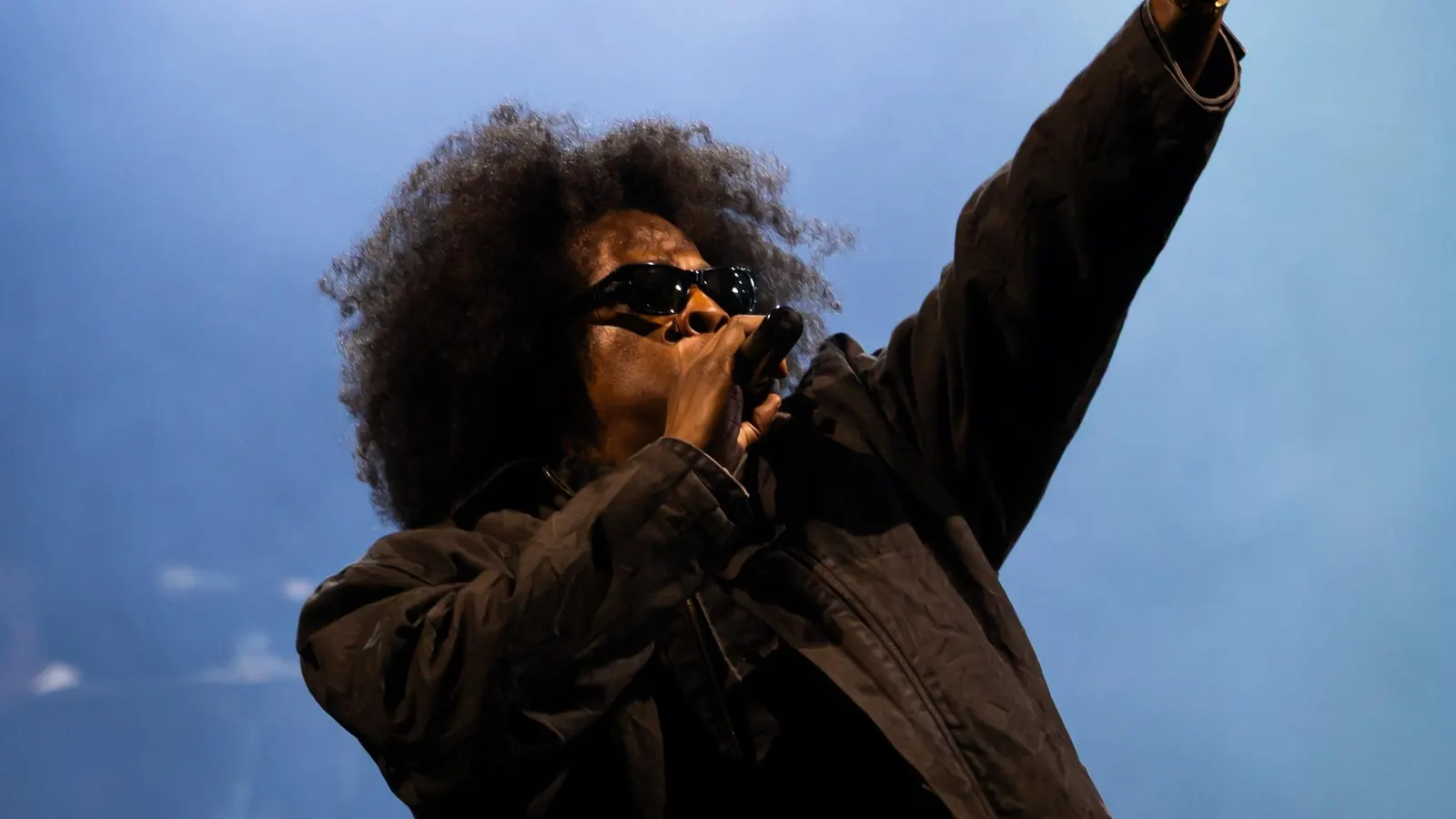
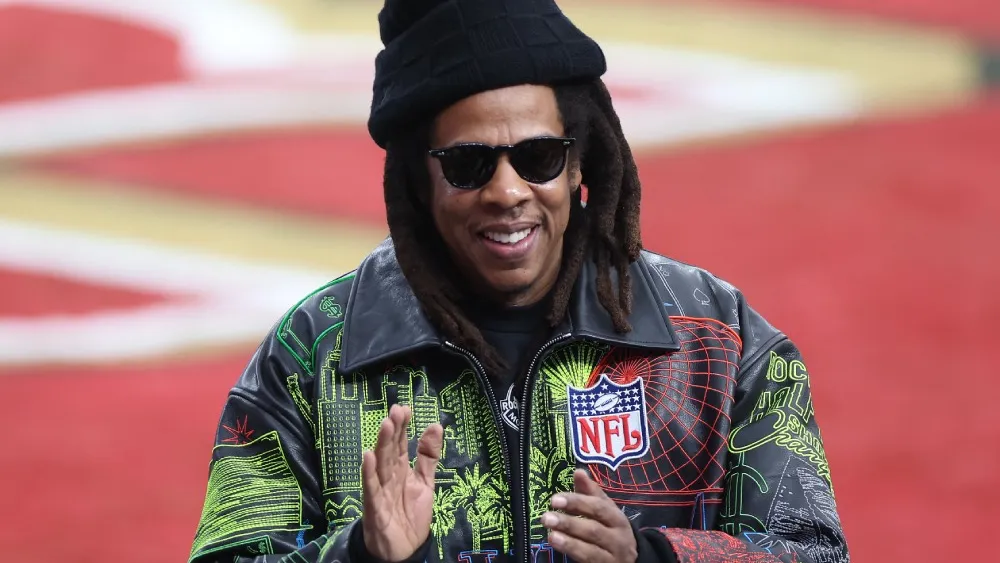
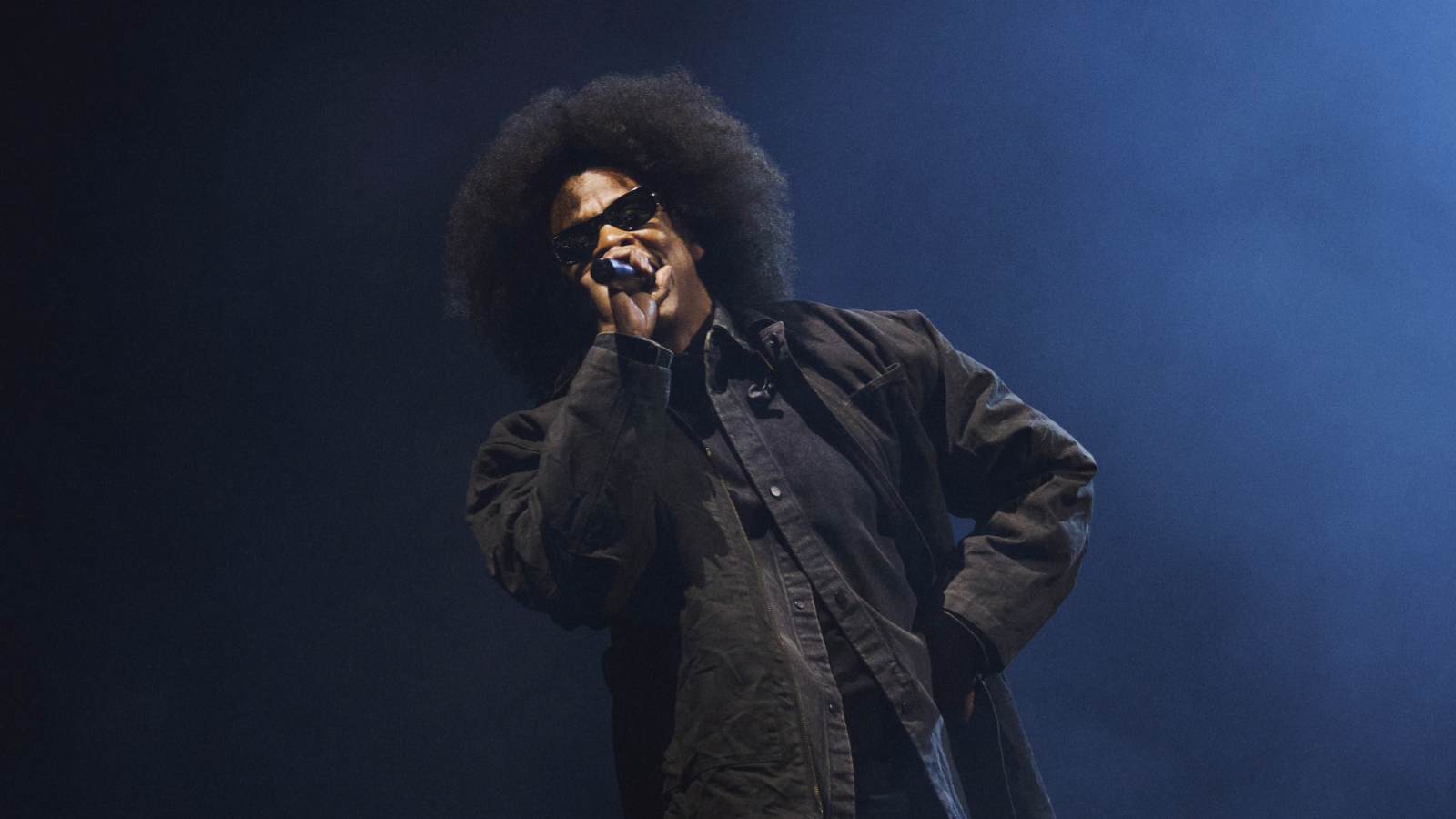
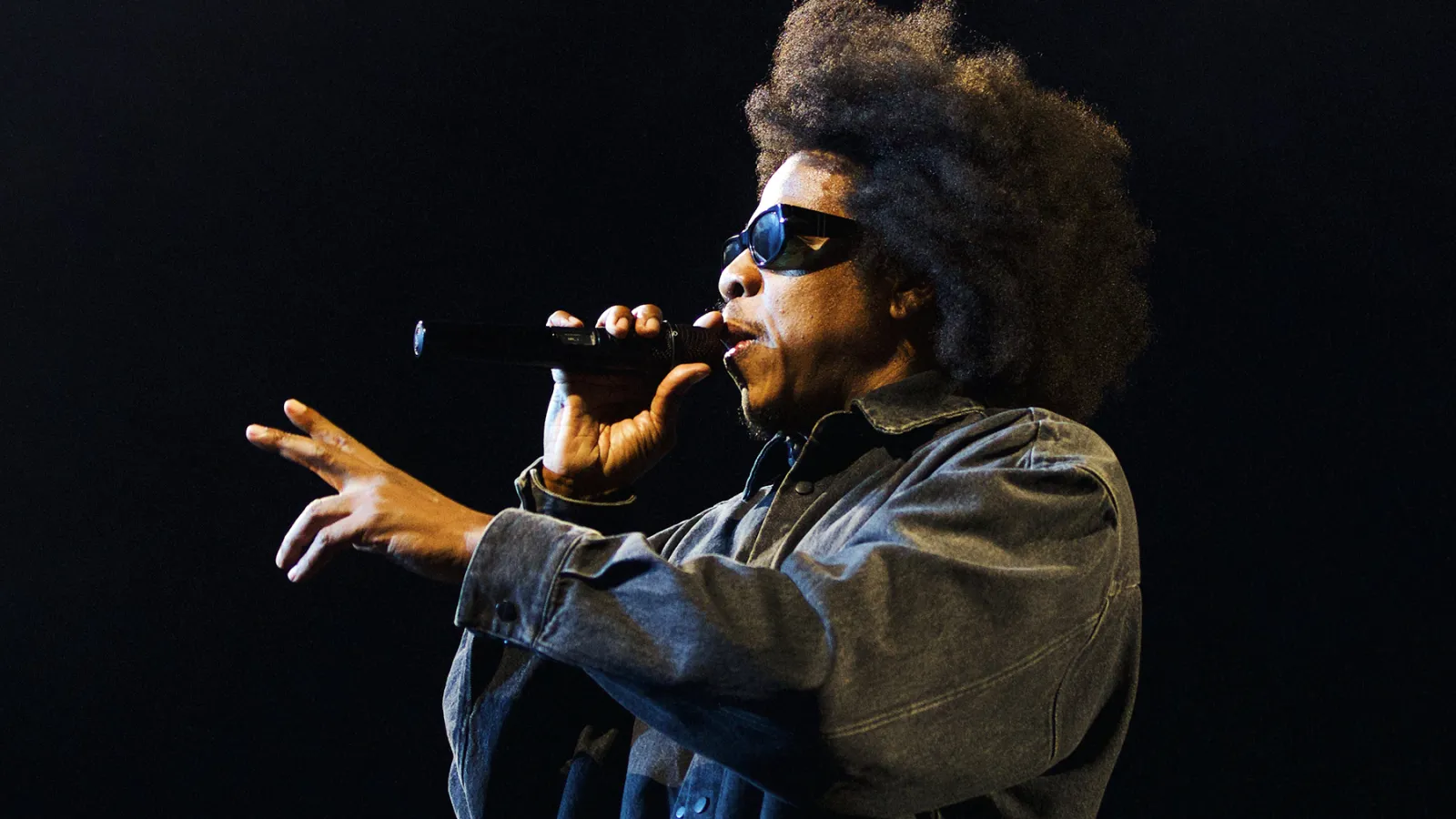
For fans of Jigga, this was defiant material for all the detractors who seem fed up with his era as a businessman and family man, the version of Jay-Z some imagine pulling strings in pop culture like an evil supervillain. Dressed in all black, with an afro that made him look like a soothsayer from the 1970s, Jay shot back. It was a therapy session from someone known for steely masculinity.
His most necessary bars were aimed at Buzbee, the attorney who represented a plaintiff in a civil lawsuit that accused Jay-Z and Sean “Diddy” Combs of raping her in 2000 when she was 13. The suit was voluntarily dismissed with prejudice in February 2025, and both men denied the allegations. Jay’s response onstage was not just a punchline; it was image maintenance on wax. His reputation has long depended on the idea that he can move near capitalism, celebrity and ruling-class power without being swallowed by scandal. To be Jay-Z is to stand for a version of Black excellence: the clean hustler, the solid husband, the solid father, the mogul who made it out and made it respectable. So, for his legacy, it made sense that he would rap at Buzbee. He was defending the whole brand.