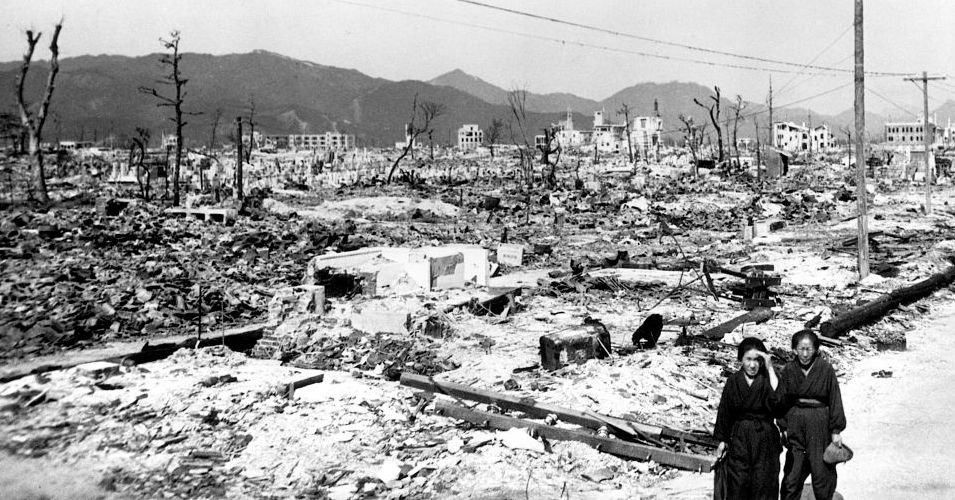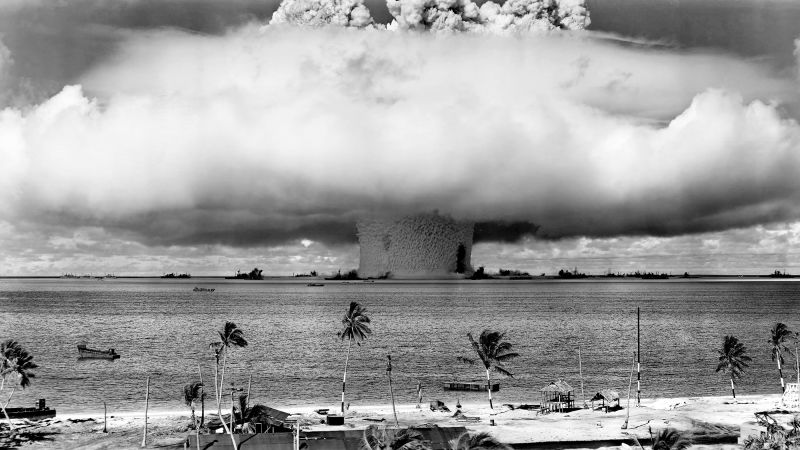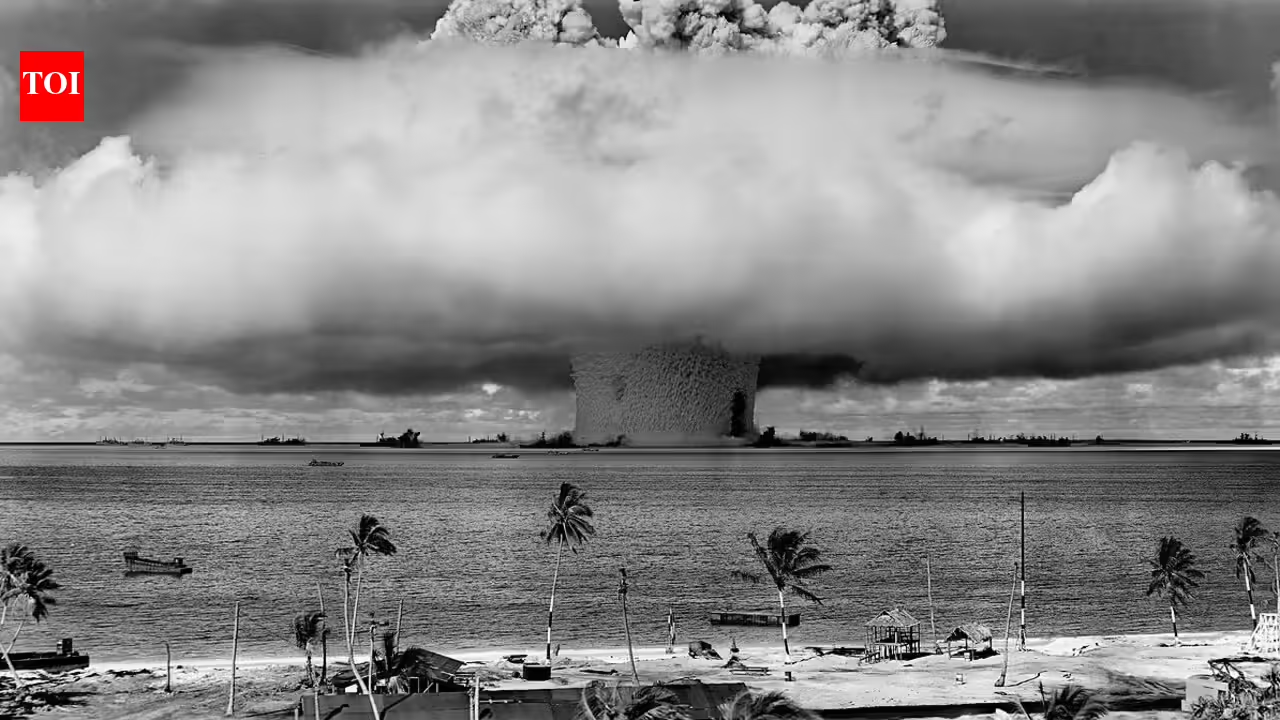
Once thought to be permanently scarred by nuclear tests, Bikini Atoll's waters now teem with vibrant marine life. Corals, exposed to decades of radiation, exhibit remarkable cellular resilience and genetic repair mechanisms. Image Credits: Wikimedia CommonsWhen we think about the long-term aftermath of a devastating nuclear detonation, our minds often drift toward a scene of desolation. We picture charred, lifeless landscapes covered in cracked asphalt, toxic water basins that no living creature can touch, and ruined ecosystems where nothing will grow for thousands of years. For generations, traditional historical narratives and science fiction movies have taught us to view radioactive test sites as permanent scars on the face of our planet. A common belief is that the radiation left behind by atomic weaponry can make the surrounding environment hostile to complex life.But a closer look into the warm, tropical waters of the isolated Pacific Ocean presents a different story of biological survival and cellular resilience. Deep within the ocean craters created by some of the most powerful explosions in human history, a silent and beautifully vibrant transformation has taken place over the last several decades. Instead of remaining a barren, irradiated wasteland, the seabed has become a thriving underwater habitat. What looks from the surface like a tragic monument to the Cold War is actually home to a sprawling ecosystem that is prompting medical researchers to look more closely at genetic mutation and cellular defence.This story of marine recovery was first documented from a biological perspective in a study titled Biodiversity and true checklist of the stony corals of Bikini Atoll. Led by a dedicated team of marine ecologists, the initial survey laid the groundwork for understanding how the local marine environment began to heal itself after being completely torn apart. By documenting the unexpected return of numerous hard coral species to the blast sites, the research showed that coral communities can recover even after severe disturbance, even after experiencing the absolute worst that human technology can deliver.The paper compiled the first post-test checklist of Bikini’s stony corals and recorded 37 species across the atoll, including 12 species not previously known from the site. It also found that although the coral fauna had shifted after the 1946–1958 detonations, overall species richness had largely rebounded, suggesting larval supply from nearby atolls may have helped drive recovery.Diving into the radioactive cradle of lifeTo fully understand why this underwater paradise has completely astonished the international scientific community, it helps to look at the sheer scale of the destruction that occurred here. Between the mid-1940s and the late 1950s, the military forces of the United States used this remote ring of islands to test atomic weapons, including the Castle Bravo hydrogen bomb, which was far more powerful than the bomb used on Hiroshima. The tests vaporised parts of islands, carved bowls into the sea floor, and left the lagoon contaminated with long-lasting radioactive isotopes.The detailed modern exploration of these sites was expanded upon by a specialised research team at Stanford University. Led by Professor of biology Stephen Palumbi and researcher Elora López, the scientific expedition focused on studying the massive, long-lived coral colonies that managed to grow directly inside the blast craters. Because these corals can live for centuries and remain anchored to the reef, they have been exposed to residual radiation for much of their lives without showing severe deformities.In the article, Palumbi and López sampled massive colonies that had grown inside the crater walls and then compared their DNA and mutation patterns with reference material collected before the tests. They aimed to see whether these centuries-old corals were showing unusual genetic repair or simply surviving despite chronic exposure to radiation, a question the authors said could shed light on how organisms keep DNA intact.The data suggest that these corals are coping with an environment that can cause cellular damage. In human tissue, radiation can damage DNA and increase the risk of mutations that may contribute to cancer. By swimming through the historic bomb craters and collecting tissue samples from giant, healthy colonies that are decades old, the researchers found that these organisms appear to maintain their genetic code despite their hostile surroundings.Scientists are studying these organisms, hoping to unlock secrets that could lead to new cancer treatments and a deeper understanding of nature's ability to heal. Image Credits: Wikimedia CommonsUnlocking the hidden shield against cellular mutationThe practical insights gained from studying these resilient Pacific coral reefs have sparked a fascinating new conversation within the field of oncology and cancer research. The research suggests that these marine organisms may have evolved effective ways to cope with genetic damage. Instead of trying to avoid radiation completely, the cells of these corals appear to rely on an enhanced internal repair system, potentially reducing the DNA damage that can contribute to cancer.According to the Stanford University research team, understanding the genes that help these corals repair DNA could open new pathways for human medicine. The team is currently working to sequence the genome of the crater-dwelling corals to isolate the exact proteins and metabolic pathways responsible for this extreme radiation shield. If scientists can understand how these sea creatures repair DNA under harsh conditions, they may be able to explore new ways to protect human cells from mutation.This ongoing exploration into the historic blast zones of Bikini Atoll highlights the profound and unpredictable relationship between human destruction and natural resilience. By showing that a thriving reef can recover in a nuclear test site, the study highlights how much scientists still have to learn about resilience in nature. The site offers a useful natural laboratory for studying adaptation and DNA repair.
Between 1946 and 1958, the United States detonated 23 nuclear bombs at Bikini Atoll in the Pacific, destroying islands and contaminating the lagoon; decades later, researchers found flourishing coral communities whose resilience may offer insights for cancer research
When we think about the long-term aftermath of a devastating nuclear detonation, our minds often drift toward a scene of desolation. We picture charred, lifeless landscapes covered in cracked asphalt, toxic water basins that no living creature can touch, and ruined ecosystems where nothing will grow for thousands of years.
934 words~4 min read