South Pacific islanders strive to rescue their home from toxic legacy
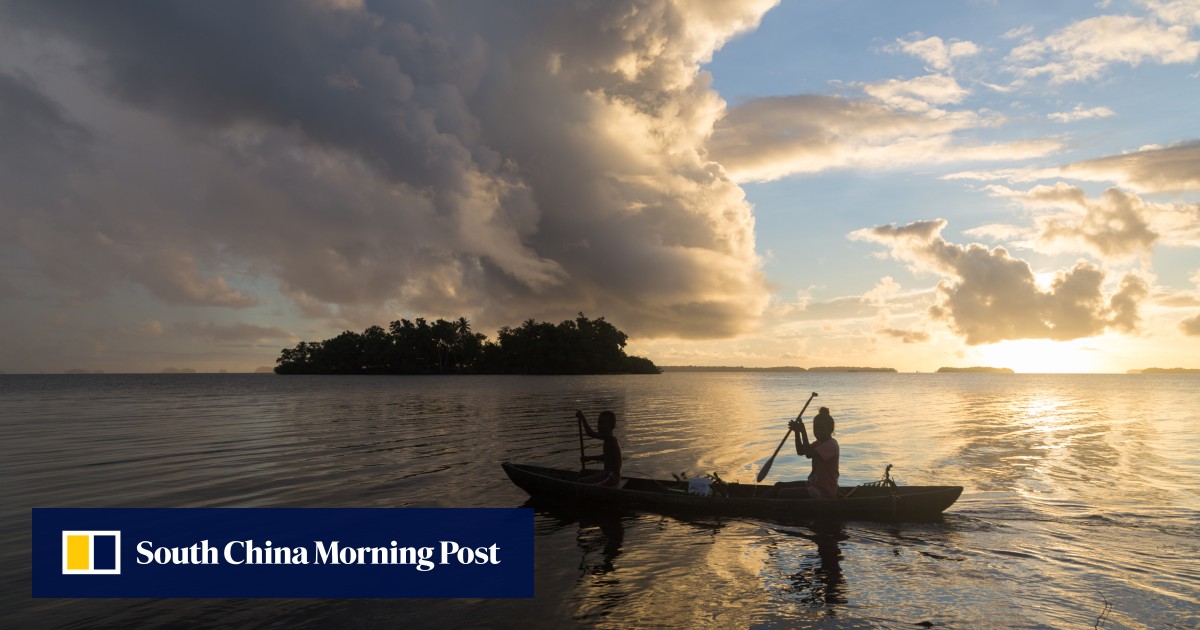
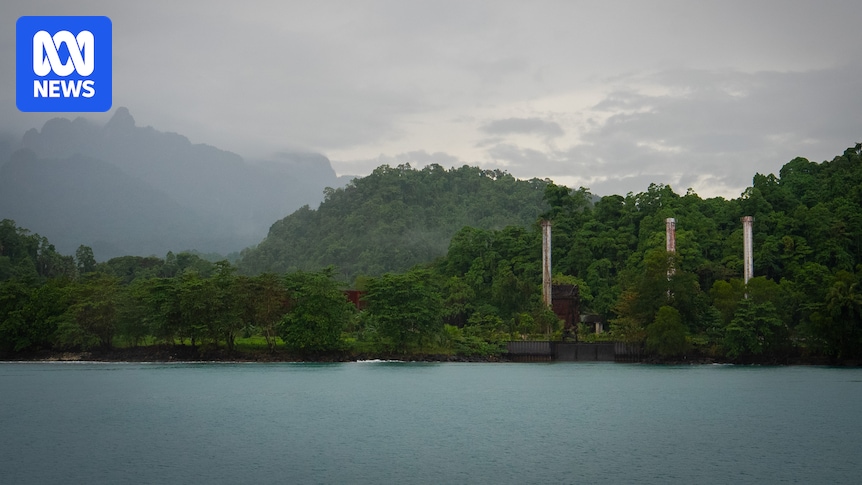
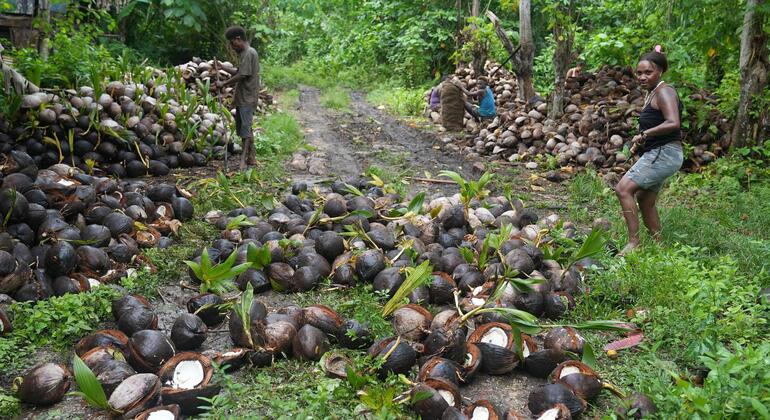
Today, the UN is supporting the process of making the land safe to walk and build on again, but the risk to public health from corroding munitions is growing.For many years, islanders have suspected that this toxic legacy has been harming them and their children, and now a UN-partnered study has found strong evidence to back this up, by confirming the presence of heavy metals such as lead, arsenic, cadmium and explosive residues.Leading the study – funded by the Government of Japan and supported by the UN Development Programme (UNDP) – Dr. Stacey Pizzino from the University of Queensland explained that the risk for islanders is growing as unexploded ordnance – known as UXO – is part of daily life there.“You can see UXO in the reefs when you're travelling, when you look down off a boat,” she told journalists in Geneva. “Unexploded ordnance are used as anchors in the canoes and children are interacting with devices on a regular basis. “In one area that we were in, we were hearing explosions on a fairly regular basis and the children were playing with the devices and harvesting the explosives out of them to create bangers, to blow up coconuts.” Dr. Pizzino noted reports of sore eyes, rashes and breastfeeding babies developing mouth ulcers, boils and rashes, after their mothers had eaten suspected contaminated seafoods.