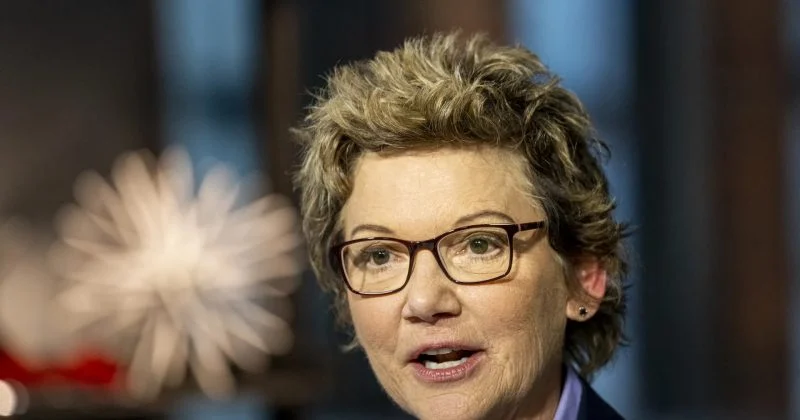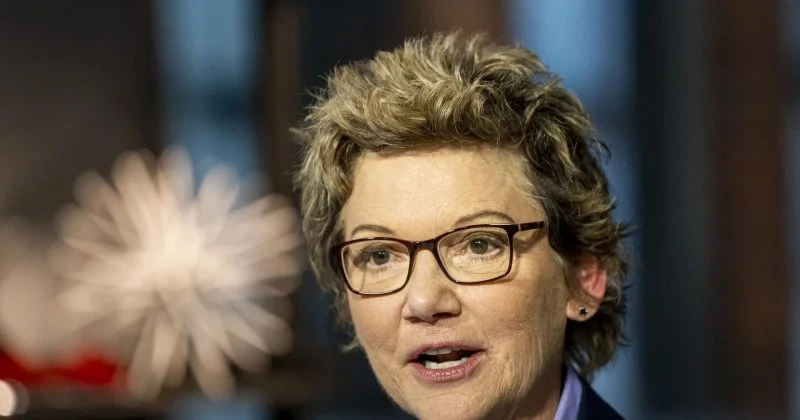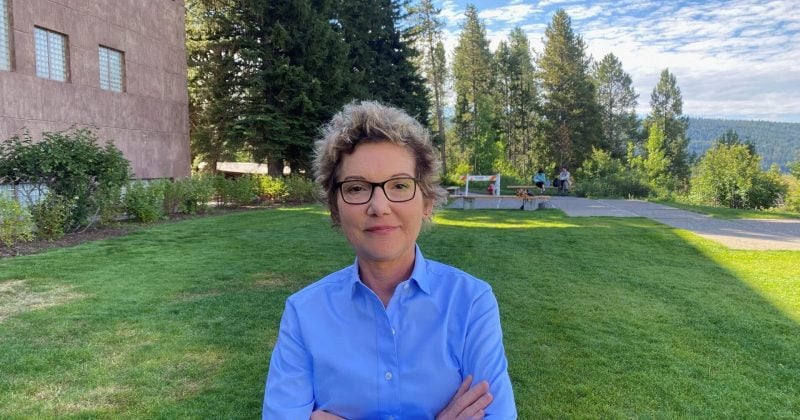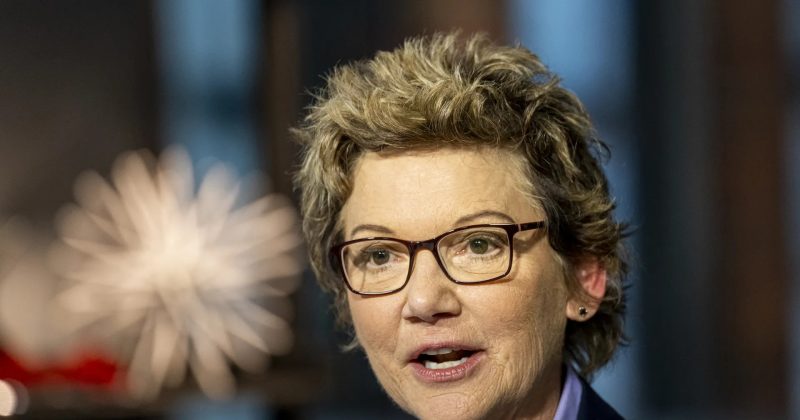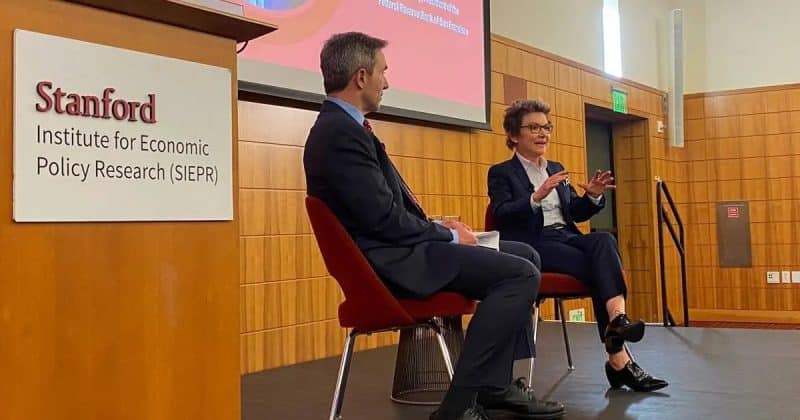
The Federal Reserve’s timeline for taming inflation just got longer. Mary C. Daly, President and CEO of the Federal Reserve Bank of San Francisco, said on April 10, 2026, that oil price shocks stemming from geopolitical conflict in the Middle East have thrown a wrench into what was already a complicated inflation picture.
Here’s the thing: the Fed had been expecting tariff-driven inflation to ease later in 2026. That timeline now needs a rewrite, thanks to the Iran conflict and its ripple effects on energy costs.
Oil, tariffs, and a moving target
The combination of tariff-related price pressures and a sudden spike in oil prices has made the Fed’s 2% inflation target harder to reach on any predictable schedule.
The oil price surge was driven by the Iran conflict, which disrupted energy markets and sent crude prices sharply higher. A subsequent US-Iran ceasefire announcement brought some relief, with oil prices declining from their peaks. But Daly was clear-eyed about the uncertainty: nobody knows how long that ceasefire holds, and its durability will determine whether energy costs stay manageable or become a persistent drag.