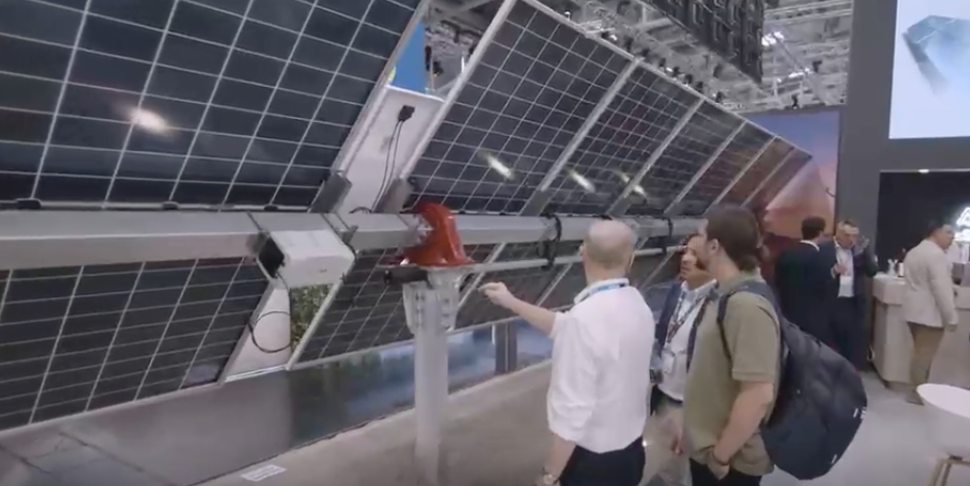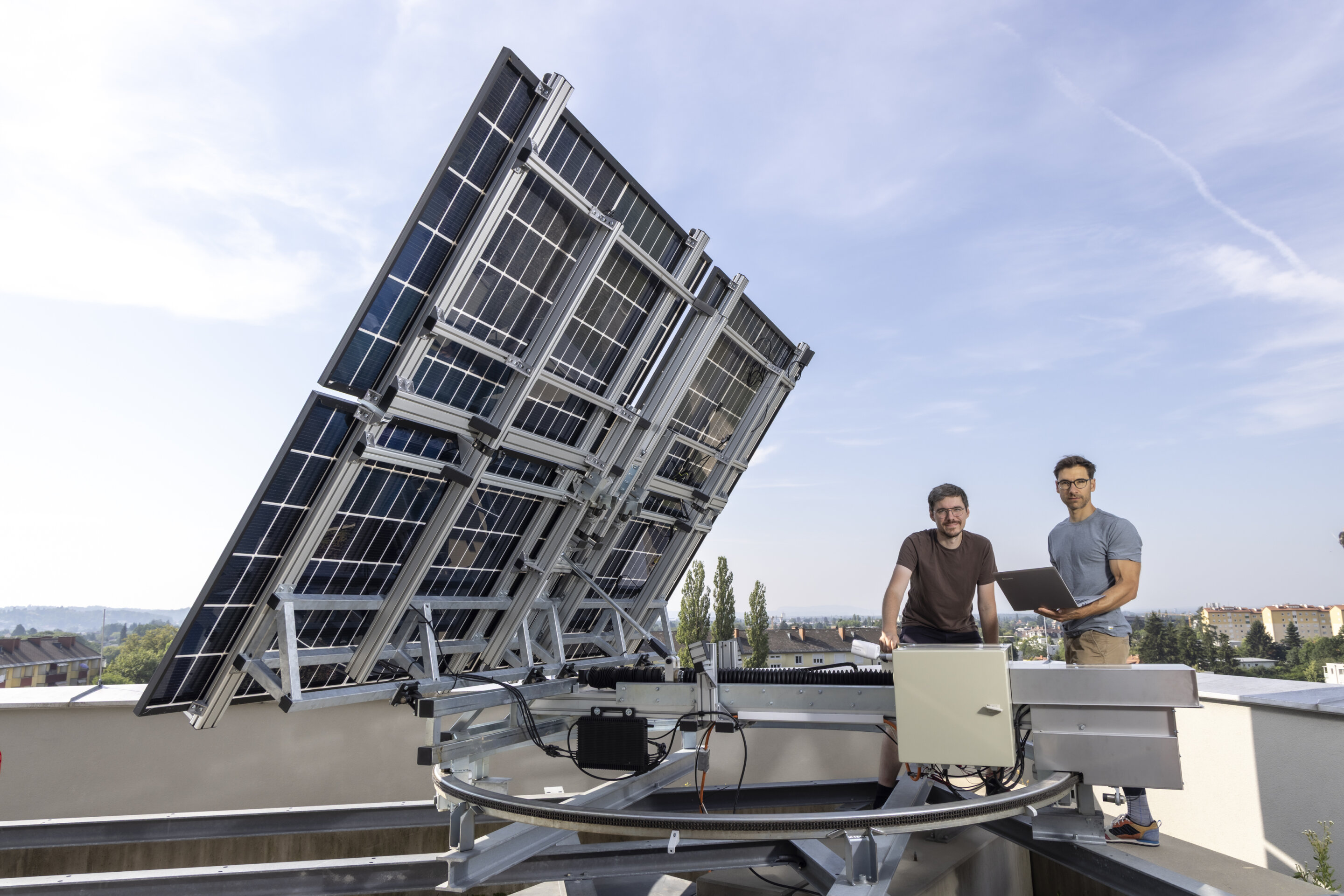
Spanish control systems specialist Sunner has launched True Wind, a predictive monitoring system that detects wind-induced galloping in solar trackers before structural damage occurs. The company says the technology improves tracker availability by replacing wind speed-based protection with real-time structural analysis.
Sunner, the solar tracker control systems division of Spanish engineering company IED, has developed a predictive control system that detects the onset of aeroelastic instabilities before they can damage tracker structures.
The predictive monitoring system is called True Wind and is designed to detect aeroelastic instabilities in solar trackers before they develop into damaging galloping events. Galloping is a wind-induced aeroelastic instability that causes large, self-amplifying oscillations in solar tracker structures, potentially leading to mechanical damage or structural failure.
The technology combines structural sensors, physics-based models, and real-time dynamic analysis algorithms to continuously assess the behavior of tracker structures during operation. It received The smarter E Award 2026 in the Photovoltaics category at Intersolar Europe.
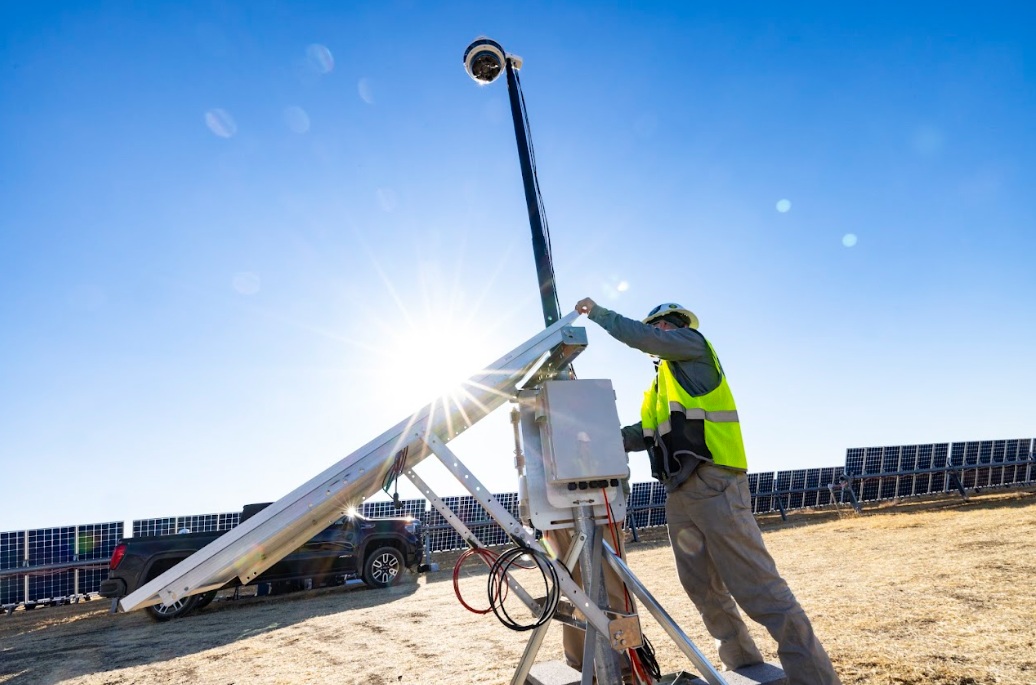
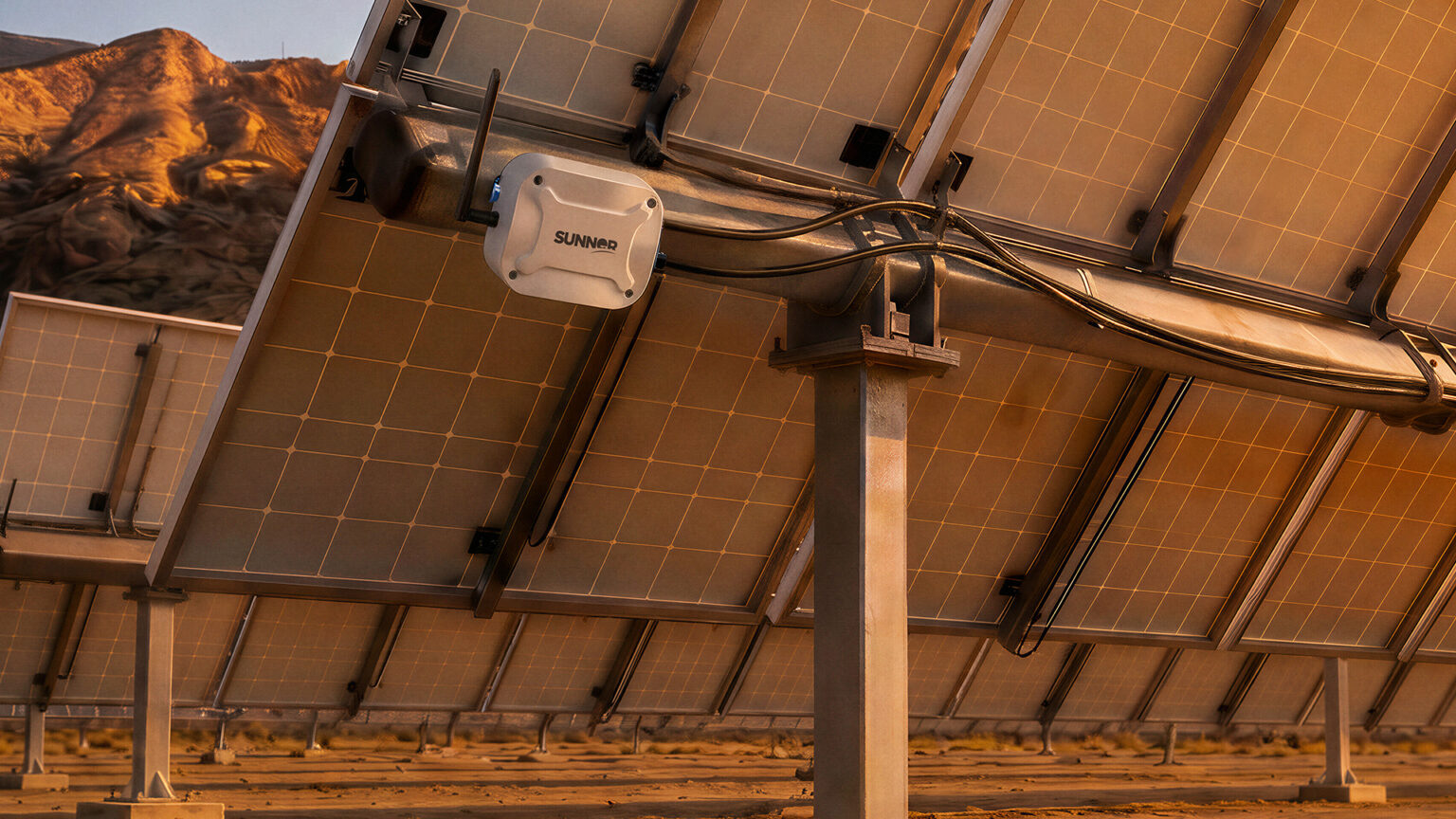
Unlike conventional protection systems, which typically rely on wind speed thresholds measured by anemometers, True Wind monitors the dynamic response of the tracker itself. The system uses data collected by the company’s Galloping Avoidance Unit (GAU), a sensor installed on the tracker torque tube that measures the structure’s torsional behavior during operation.