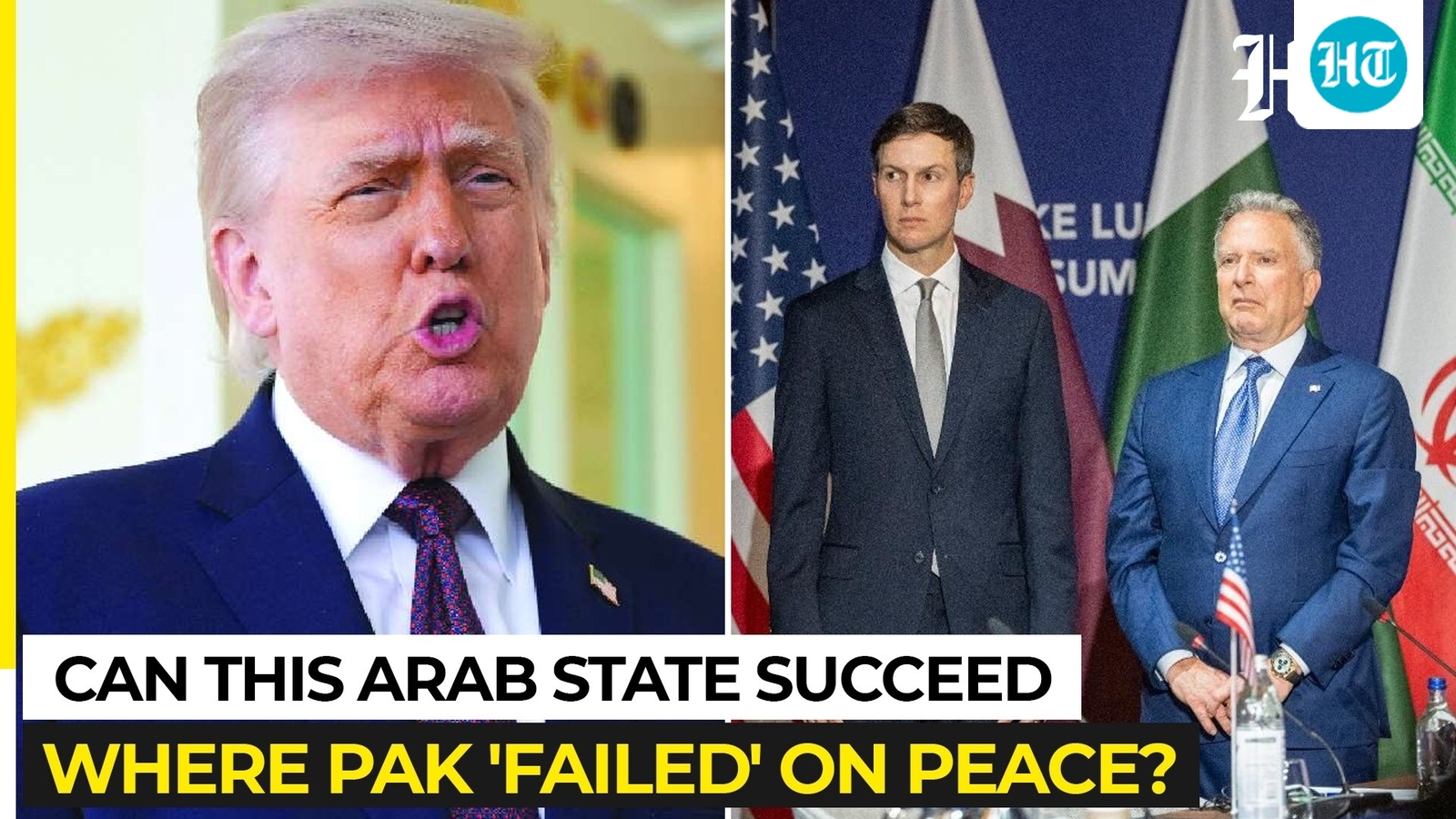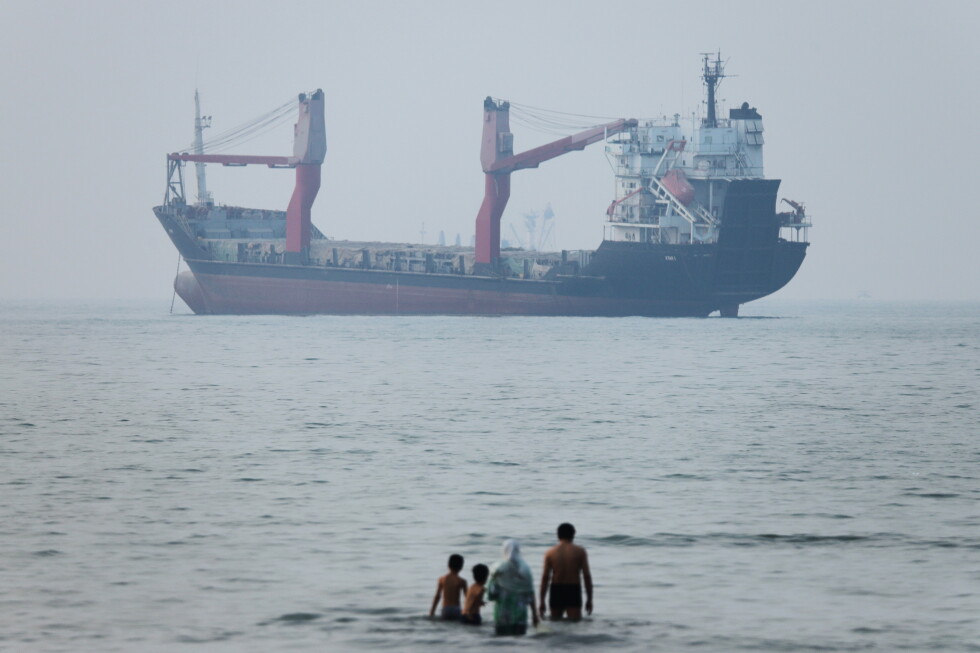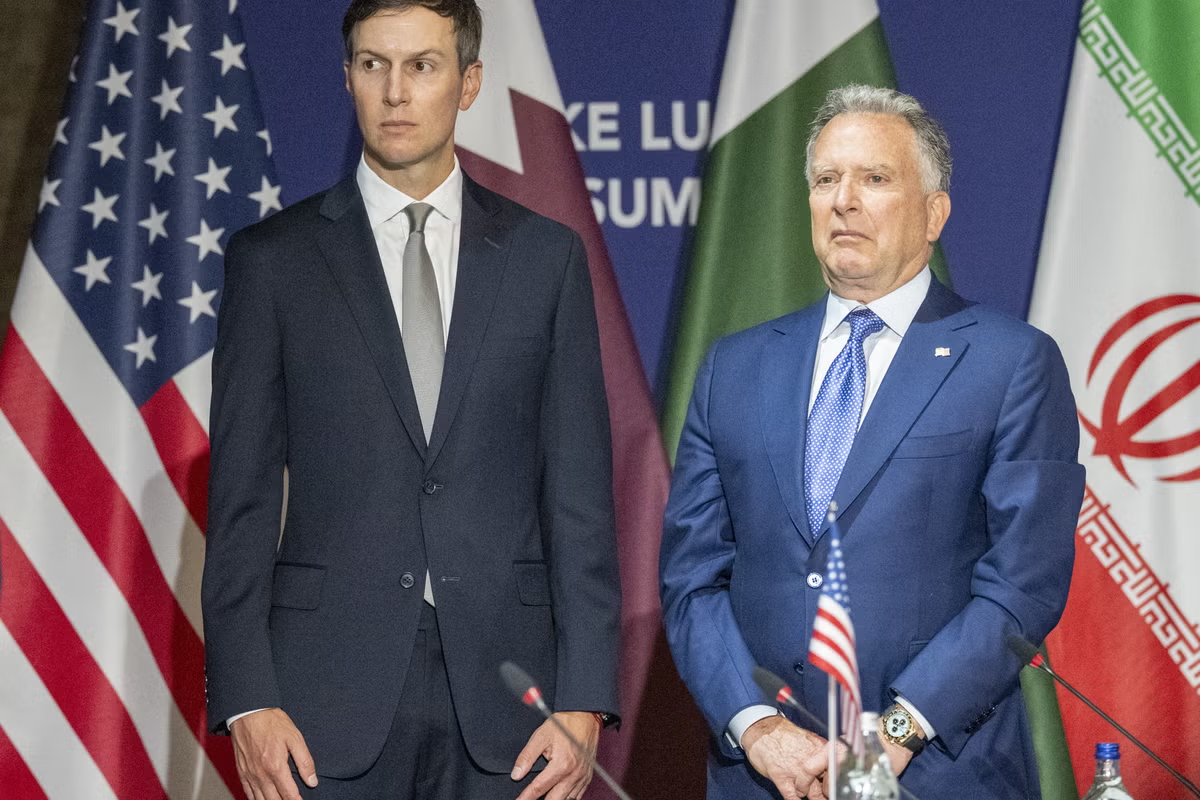
Two weeks into the 60-day peace negotiation period between Iran and the United States and - despite President Donald Trump’s claims of success - little progress has been made. Instead, both sides appear to be regressing: hostilities have flared and officials from both sides are no longer directly talking to each other as the clock keeps ticking and key issues, such as Iran’s nuclear programme, remain unresolved.Over the weekend both Washington and Tehran traded strikes, threatening the already fragile ceasefire in the region, despite Trump’s initial optimism after signing the memorandum of understanding which ended the four-month war.Mediated by Qatar and Pakistan and signed at a summit on 17 June in Switzerland, the MoU includes a 60-day truce on all fronts including in Lebanon, the reopening of the blockaded Strait of Hormuz, and a timetable for a final deal on the war and Iran's nuclear programme.That deadline is set to expire around mid-August, yet there appears to have been little development on technical talks.US and Iran trade attacksOn Saturday the US military hit Iran’s Sirik, Bandar-e Lengeh, and Qeshm Island on Iran’s southern coast.US Central Command said its navy and air force “conducted strikes tonight on 10 Iranian military targets at multiple locations in and near the Strait of Hormuz”, saying the attacks were a response to an Iranian drone attack on a Panama-flagged oil tanker while it was near the strait. It was carrying more than two million barrels of crude when it was hit.Tehran said it had targeted a commercial ship it said had strayed from its approved route.Vessels are anchored in the Strait of Hormuz as seen from Musandam, Oman, June 3, 2026. (Reuters)Iran’s ministry of foreign affairs “strongly” condemned the US strikes, calling them “brutal attacks” that violate the ceasefire outlined in the MoU.In response, Tehran launched ballistic missiles and drones on the US Ali Al Salem airbase in Kuwait and the US Fifth Naval Fleet at Port Salman in Bahrain. The attacks come after the US struck Iran on Friday following drone attacks on vessels near the Strait of Hormuz on Thursday. Iran retaliated with strikes on US military targets in the region, and then refused to attend technical talks scheduled for Sunday.Both sides accused the other of violating the ceasefire agreement. Direct talks turn into indirect talksUS special envoy Steve Witkoff and President Donald Trump's son-in-law Jared Kushner flew to Doha on Monday to discuss the US-Iran negotiations with Iranian officials, however Iran denied that direct talks would be taking place, according to Qatar. Majed al-Ansari, Qatar’s foreign ministry spokesperson, told reporters that no high-level meetings or direct talks between the two sides were scheduled. Instead lower level officials ended up speaking to mediators about future talks, while Witkoff and Kushner met Qatar's Prime Minister Sheikh Mohammed bin Abdulrahman Al Thani on Tuesday. They also met ruler Sheikh Tamim bin Hamad Al Thani.US special envoy Steve Witkoff and President Donald Trump's son-in-law Jared Kushner flew to Doha on Monday to discuss the US-Iran negotiations with Iranian officials, however Iran denied that direct talks would be taking place, according to Qatar (AFP/Getty)Iran's Foreign Ministry spokesperson Esmaeil Baghaei said an Iranian official will also be in Doha, but only to engage in talks with mediators regarding the interim peace agreement and details surrounding the potential release of frozen Iranian assets."No meeting at any level with the American side has been scheduled for the coming days," he said.There have been conflicting reports on the status of the talks, with Trump declaring on Monday that Iran had “requested” a meeting, but Iranian officials swiftly rejected the idea.The last time the two sides were engaged in indirect talks was when the war was still happening.Claims of progressTrump remains optimistic and claims that progress is being made in the indirect talks with Iran in Qatar, despite the obvious hiccups. "As far as things are going, the denuclearization of Iran is moving along well," Trump told reporters on Wednesday before boarding Air Force One. "We hit them very hard... but we're getting along very well."On Wednesday, sources told the Wall Street Journal that the US president would prefer to continue with diplomatic efforts than a return to all-out war, believing that further conflict could undermine Washington’s efforts to dismantle Iran’s nuclear program.Publicly, Trump maintains the talks are succeeding and that military options remain should they deteriorate. “They’re agreeing to everything that I want, and they have to,” he told reporters last week. “Otherwise, we just go back and do what we have to do.”
Iran peace process descends into farce as ‘talks about talks’ end in stalemate
Little progress has been made in US-Iran peace negotiations despite Trump’s claims
753 words~3 min read