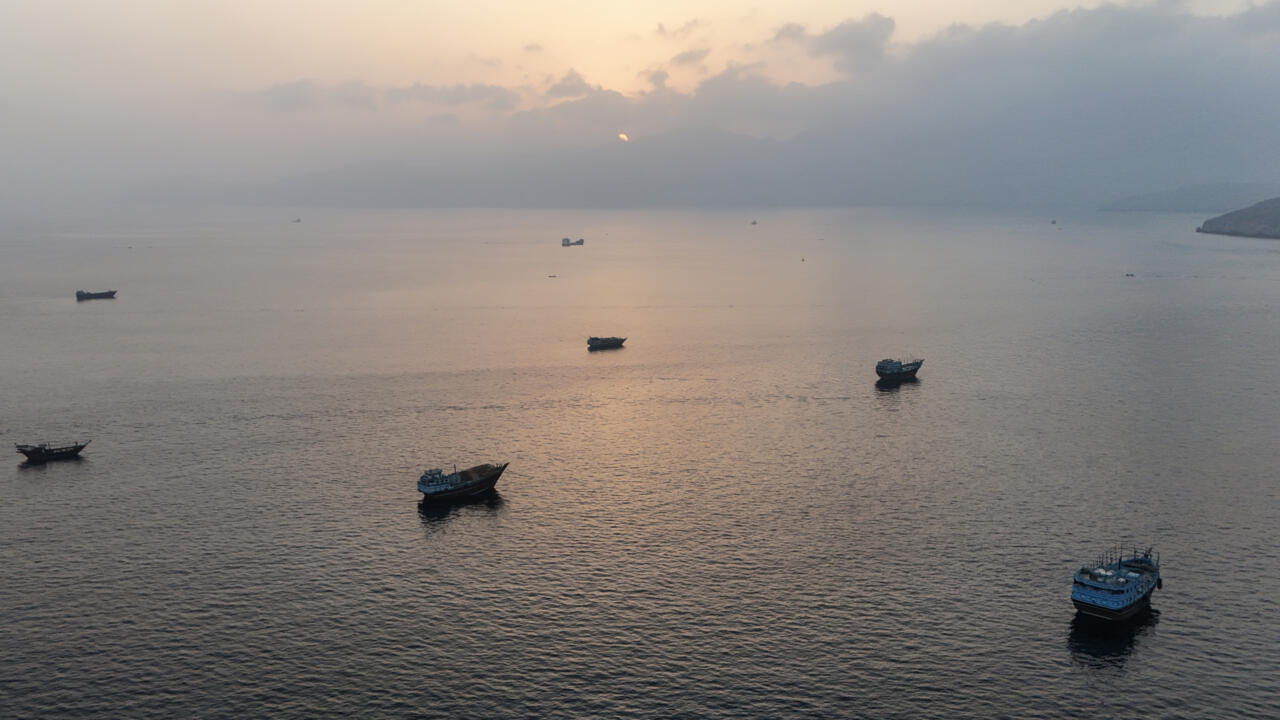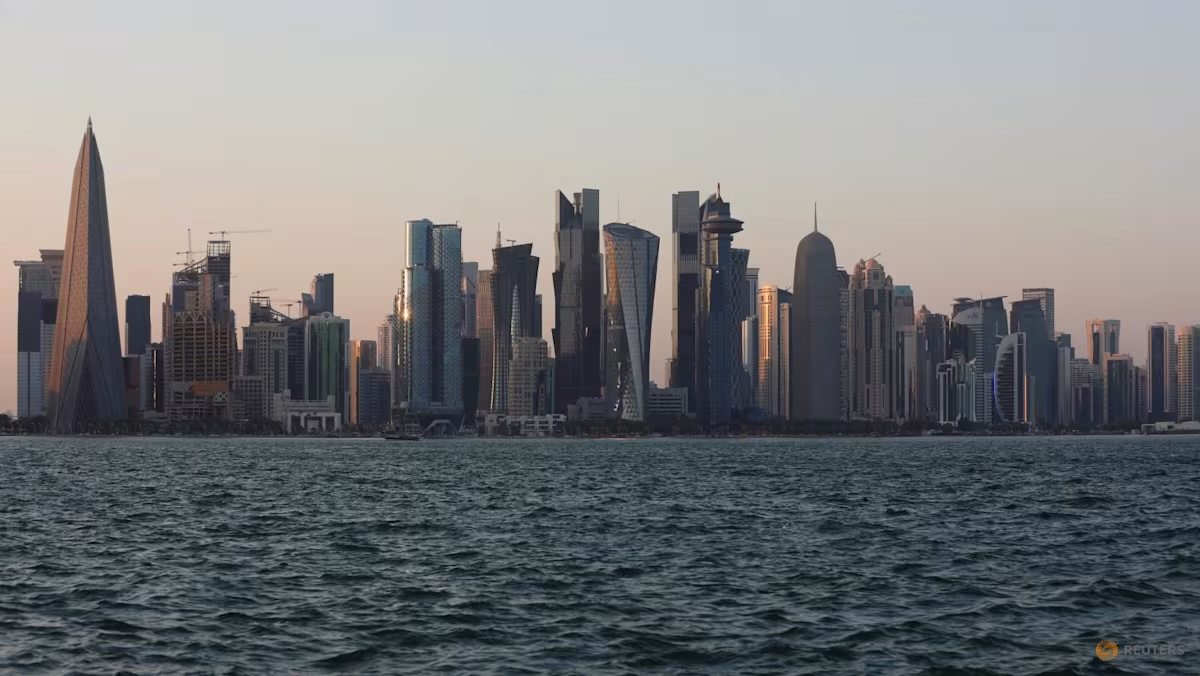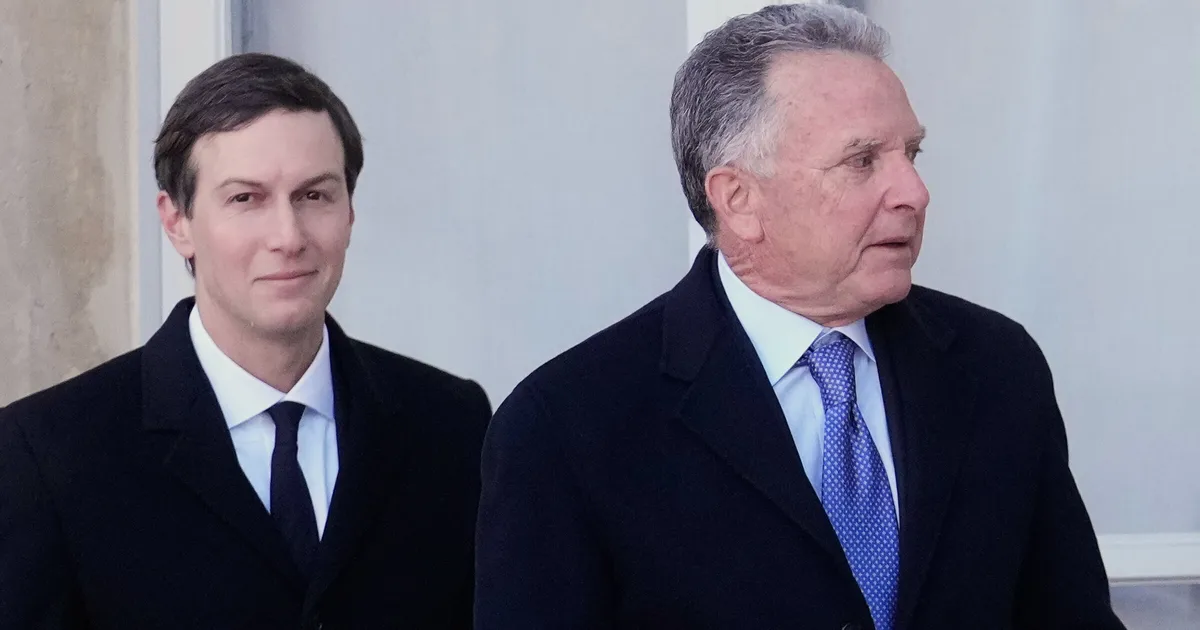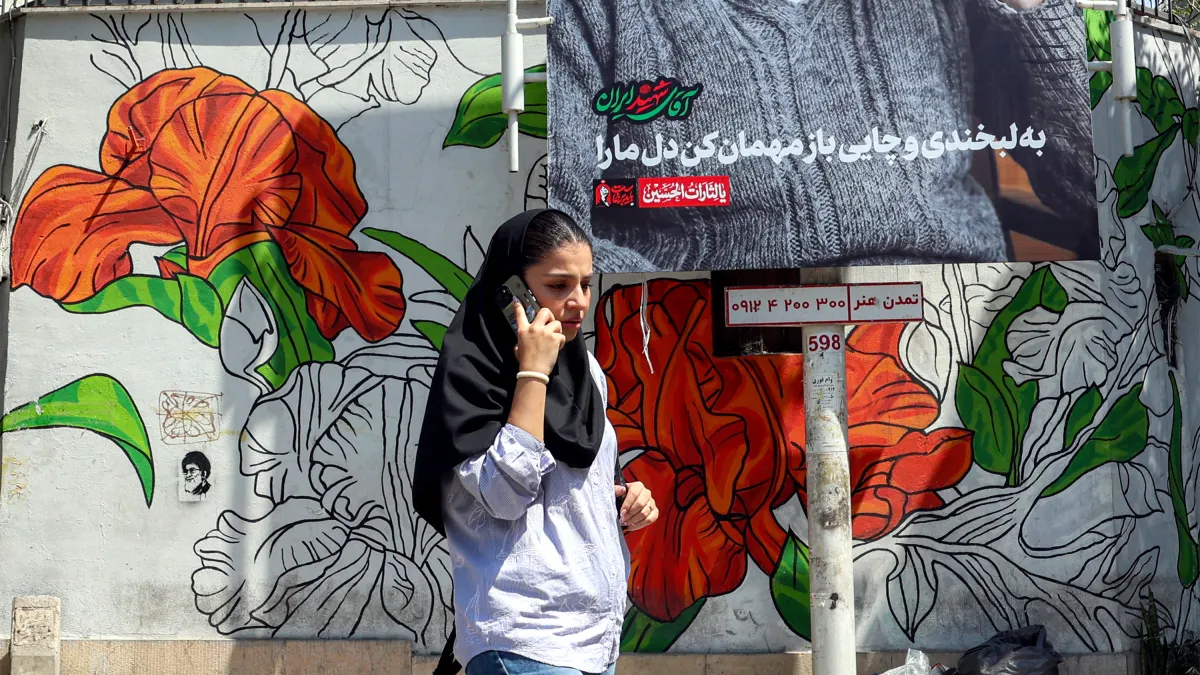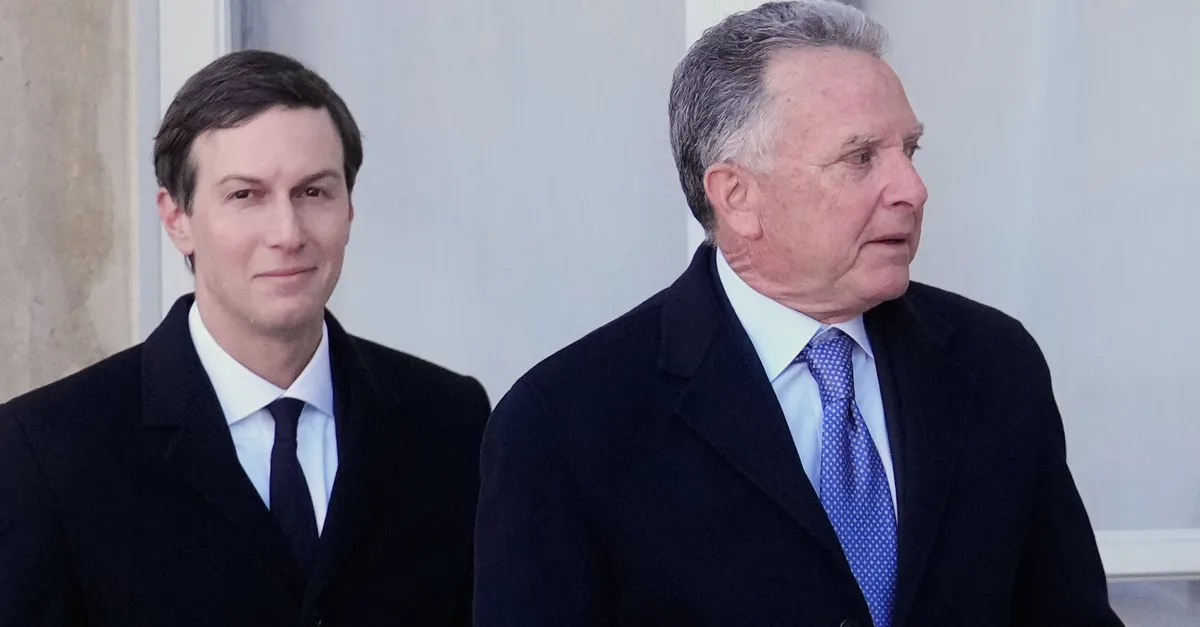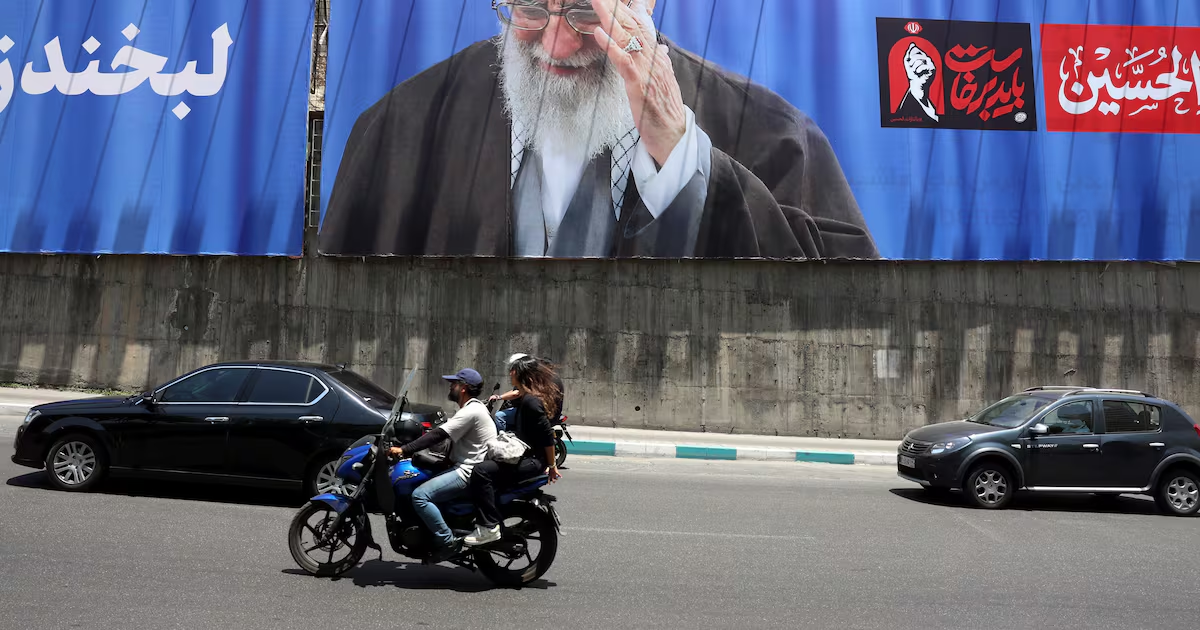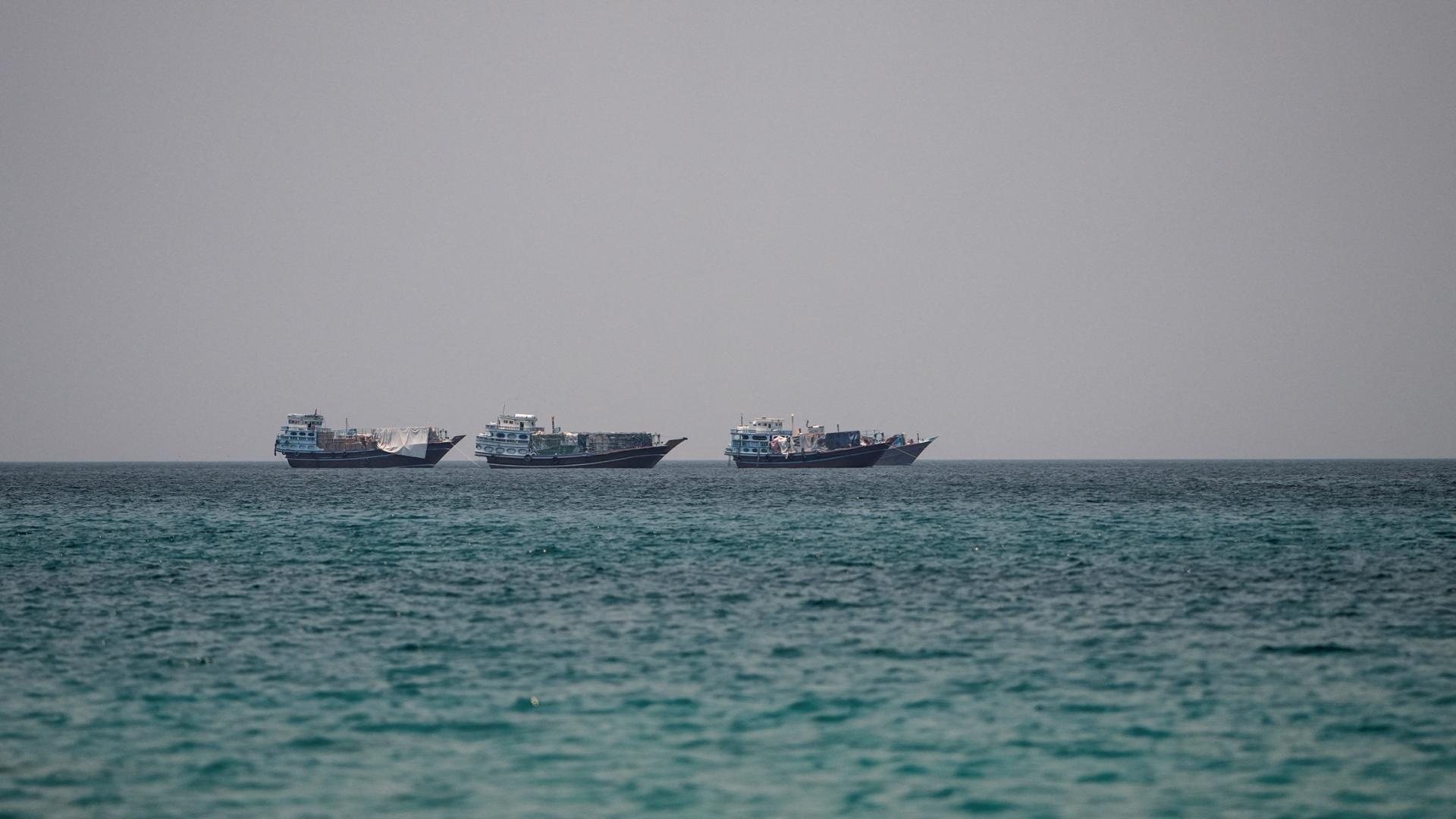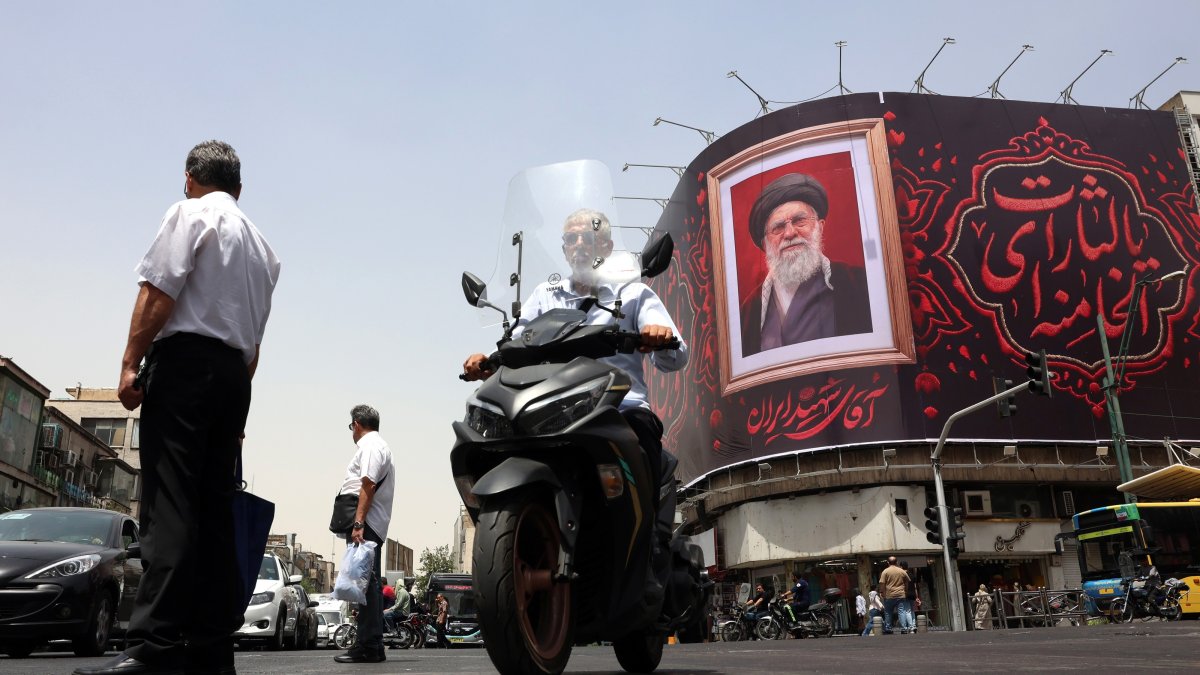
Iran and the United States concluded a round of indirect talks on Wednesday with no sign they had made headway toward a lasting peace, focusing instead on issues that they said had been resolved when an interim agreement was announced two weeks ago. Sources familiar with the discussions said negotiators for the two countries spent two days in Doha discussing maritime traffic in the Strait of Hormuz and unfreezing Iran's funds, two critical issues under the initial agreement. The next meeting will take place after funeral processions for Iran's late Supreme Leader Ayatollah Ali Khamenei, who is due to be buried on July 9, Qatar's Foreign Ministry said. The Doha discussions produced "positive progress" on issues related to the memorandum that halted the war in June and were "building on the outcomes" of a summit in Switzerland, the ministry spokesperson said in a post on X. In Washington, U.S. President Donald Trump said the two sides were making progress on possible limits to Iran's nuclear program - the main reason he launched the war along with Israel in February. "The denuclearization of Iran is moving along well," he told reporters. "They've had very good meetings, and we'll see." But the sources said the nuclear program did not come up in the talks, which were technical in nature. U.S. Vice President JD Vance said that matter would be addressed later. "Obviously, we're worried about the nuclear issue, we're going to start talking about that," he told reporters. American and Iranian negotiators held separate meetings with Qatari and Pakistani mediators, Qatar's foreign ministry said. Trump's son-in-law Jared Kushner and top U.S. envoy Steve Witkoff, dispatched to the region for what the White House had billed as "high-level" talks, did not attend the sessions, according to a source who spoke on condition of anonymity. The leader of Iran's delegation, Deputy Foreign Minister Kazem Gharibabadi, said the talks concluded. Neither side said whether they had managed to bridge any of their differences.WHO CONTROLS THE STRAIT? The initial deal calls for Iran and the United States to allow shipping to resume through the Strait of Hormuz, which handled one-fifth of global oil and liquid natural gas trade before the war. Though traffic has partially resumed, the status of the strategic waterway remains unclear and the two countries exchanged strikes last weekend following an Iranian attack on a cargo ship. Iran is determined to win international recognition of its control over the strait even if it has to do so by force, two senior Iranian sources said, and has repeatedly said it will assess tolls on shipping starting in mid-August, after a toll-free period specified by the initial agreement expires. Trump's comments on Wednesday played down the possibility of a return to all-out war with Iran. "I think they've come a long way," he said. Oil prices fell to their lowest level in four months following Trump's remarks, and analysts cut their price forecasts for the first time since the war began. Iran's state media said on Wednesday that a foreign container ship had run aground in shallow waters outside the shipping route designated by Iranian authorities. "Hormuz continues to reopen but it's patchy, unpredictable, and not fully transparent," said Vandana Hari, founder of oil market analysis provider Vanda Insights. Several European countries have offered to help clear mines from the Strait, but Germany's defense minister Boris Pistorius said he did not expect his country to participate, citing Iran's unwillingness to cooperate with other countries.
US-Iran talks end without breakthrough as Tehran's nuclear prowess stays off the table
Indirect talks between Iran and the US concluded without significant progress on lasting peace, focusing instead on resolved issues like maritime traffic in the Strait of Hormuz and unfreezing funds. While President Trump expressed optimism about nuclear program discussions, sources indicated this topic wasn't addressed. The next meeting is scheduled post-funeral for Iran's Supreme Leader.
579 words~3 min read