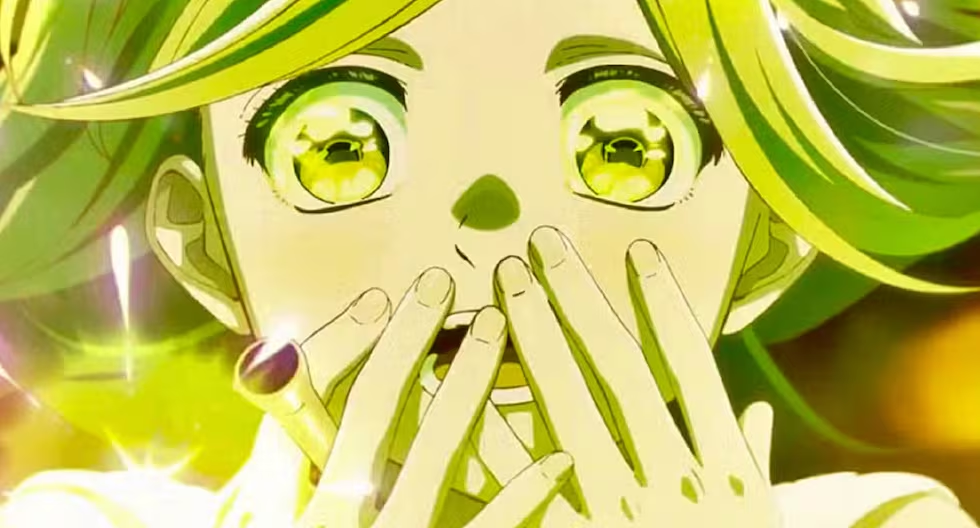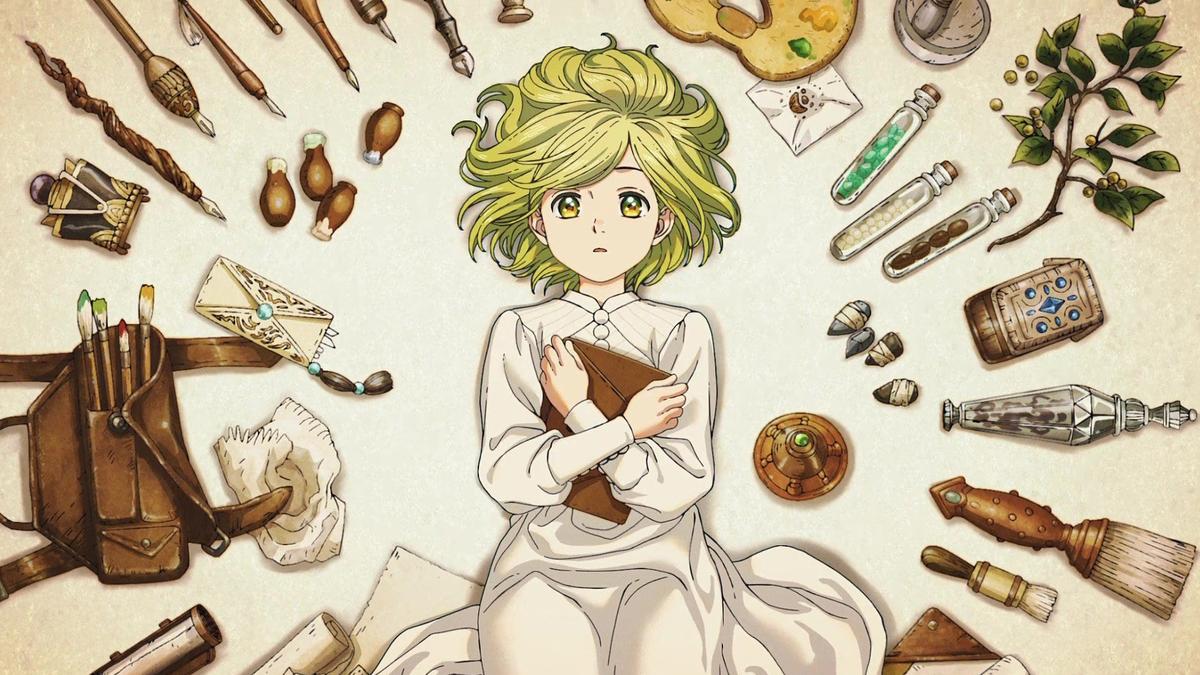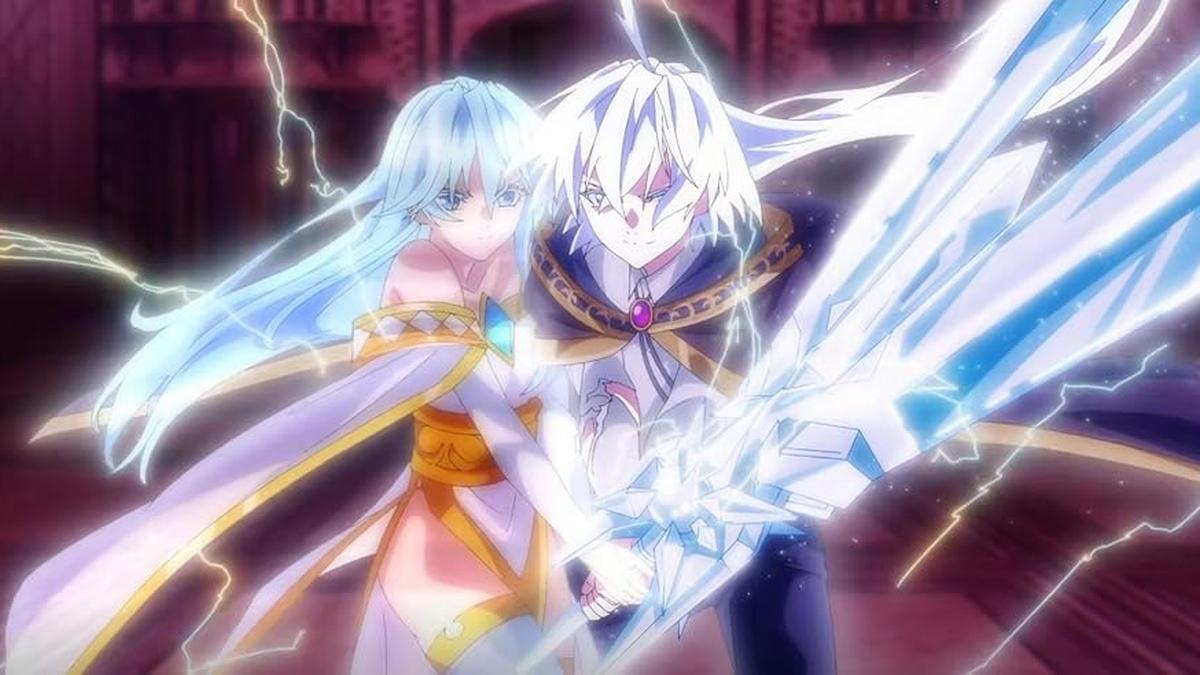
A still from ‘Wistoria: Wand and Sword’ Season 2
| Photo Credit: Crunchyroll
One of fantasy anime’s most overused tropes involves rigid magical hierarchies collapsing at the first sign of an exceptionally determined boy discovering an equally convenient destiny, whether as the ‘Ring-bearer’, the ‘Boy Who Lived’, the ‘Prince That Was Promised’ or whatever other prophetically ordained exception to the rules. While the premise of Wistoria: Wand and Sword might hold enough of that very genetic material to trigger immediate scepticism, it still smuggles enough fresh ideas into exhausted genre mechanics to justify its popularity. Adapted by Actas and Bandai Namco Pictures from Fujino Ōmori’s ongoing manga, illustrated by Toshi Aoi and serialised in Bessatsu Shōnen Magazine since December 2020, the series follows Will Serfort, the lone student at Rigarden Magical Academy who cannot cast magic despite studying in a kingdom where magical aptitude is social currency. Its second season, which aired from April to June 2026 under returning chief director Tatsuya Yoshihara and director Hideaki Nakano, understood that this premise already exhausted the novelty, so it redirects attention toward the machinery sustaining that exclusion, even if the show remains incapable of abandoning its addiction to the ritual humiliation of its protagonist as the fuel to drive the narrative.Wistoria: Wand and Sword Season 2 (Japanese)Director: Tatsuya YoshiharaCast: Kōhei Amasaki, Akira Sekine, Satomi Amano, Masaaki Mizunaka, Tetsuya Kakihara, Kengo KawanishiEpisodes: 13Runtime: 25 minutesStoryline: After failing his magic academy exam, Will must rely on his masterful swordsmanship to save the world when an invasion of magic-nullifying monsters renders elite mages completely powerlessThis sophomore season resumes immediately after the catastrophic dungeon expedition that concluded its predecessor, with Will technically graduating from the academy while remaining one credit short of entering the Tower where the elite Magia Vander train and govern. Meanwhile, the annual Terminalia festival is underway, during which the Magia Vander exhaust their magical reserves rebuilding the barrier protecting the city of Urbus Rigarden. This makes it the perfect opportunity for the terrorist organisation Goetia to unleash monsters equipped with Mage Slayers that nullify conventional magic. Here, the season attempts to escape the pull of shonen tournament storytelling with a fresh chance at revitalising the story.The production follows much the same trajectory as the series’ uneven writing, capable of some astonishing highs punctuated with some discernible lows. Will’s Albis Wis awakening and the Devander battle kicks things off with fluid choreography and Ufotable-style weighty effects animation that finally allow Yoshihara’s action sensibilities to breathe, yet those peaks are stitched together with frequent static compositions, simplified crowd animations and abrupt editorial transitions that were more than likely a result of budget constraints.