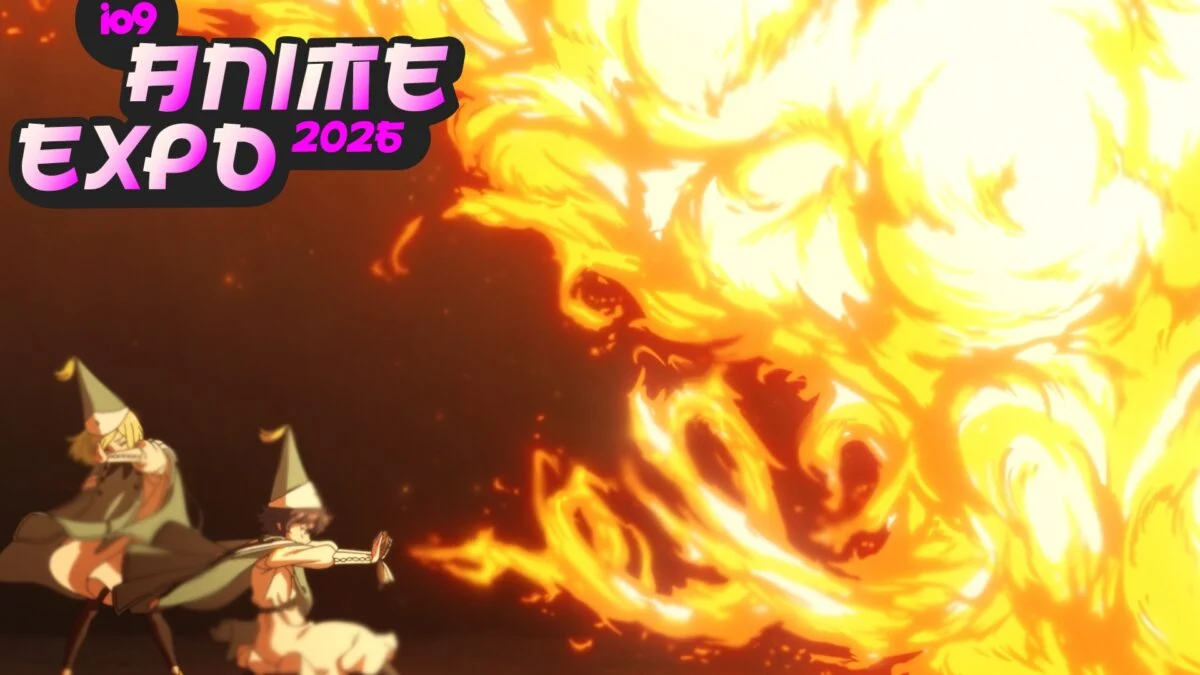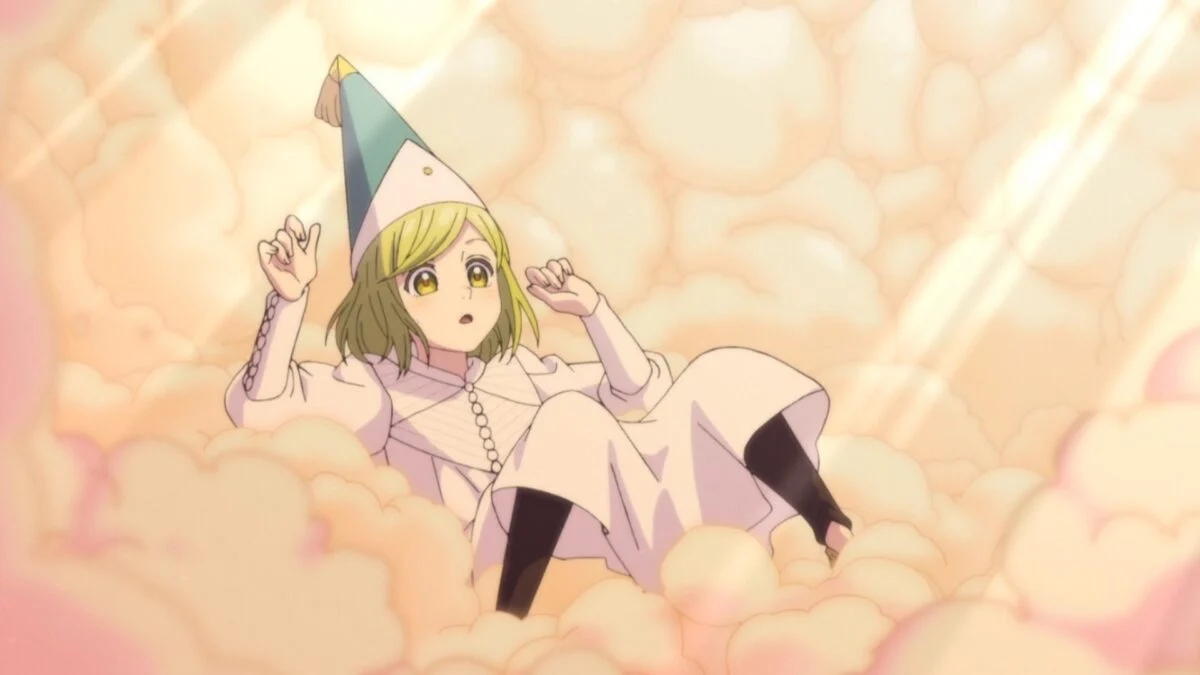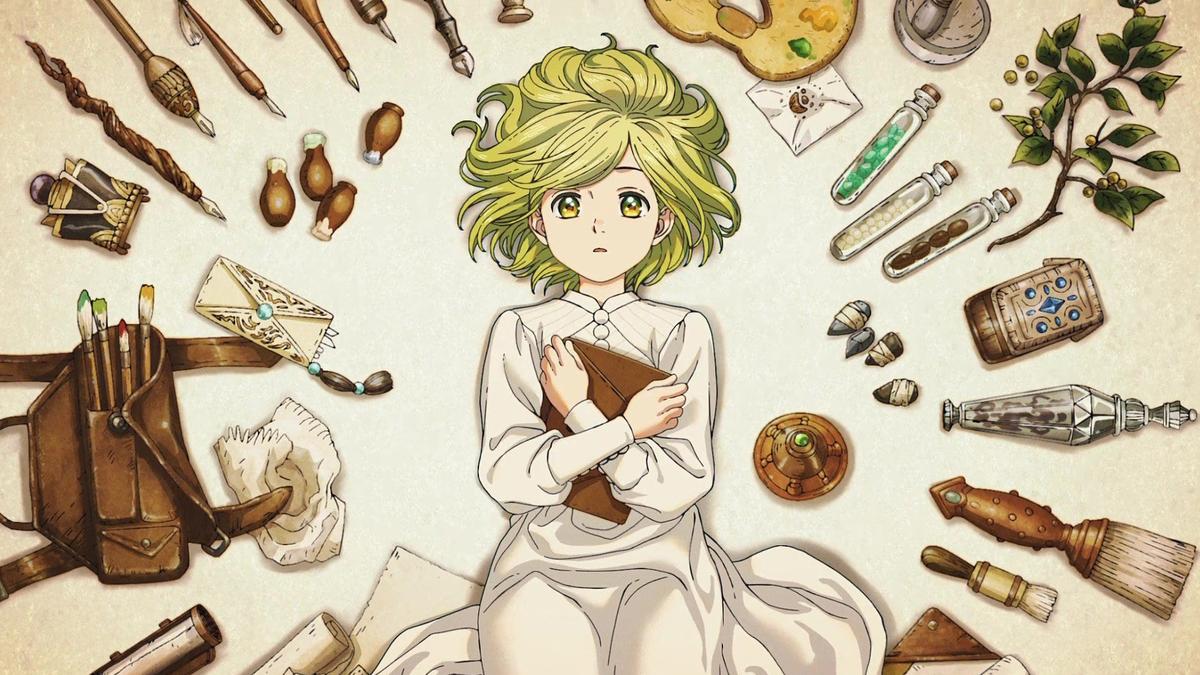
Something curious has happened to fantasy over the past few years. Having saturated itself with ever more elaborate chosen ones or the plethora of other inherited shortcuts to significance, the genre has now begun rediscovering the far older Tolkienian wonders of routine life and joys of discovery. The resurgence found its most influential modern expression when Frieren: Beyond Journey’s End reoriented the genre in 2024, before Delicious in Dungeon further expanded the conversation shortly after. After years of anticipation, Kamome Shirahama’s Witch Hat Atelier — one of the most acclaimed manga of the past decade — finally joins that company with Bug Films’ long-awaited adaptation.The story follows Coco, the daughter of a dressmaker living in a rural corner of the Zozah Peninsula, a fantasy continent where magic is believed to be an innate gift possessed only by a small class of witches sanctioned by the institution known as the Great Hall of Witches. Coco grows up internalising the idea that some people are born special, and everybody else just doesn’t have what it takes.After secretly observing a travelling witch Qifrey repair a broken carriage, Coco realises that every spell is produced through the drawing of precise runes using specialised ink, and the revelation prompts her to recreate symbols from a mysterious book gifted to her years earlier by a masked stranger. Unaware that the volume contains forbidden magic and lacking any understanding of the system she has stumbled into, she activates a spell that encases her family home in crystal and leaves her mother trapped inside it. Recognising both the danger of what Coco has learned and her connection to forces he has been investigating himself, Qifrey takes her into his atelier as an apprentice.Witch Hat Atelier (Japanese)Director: Ayumu WatanabeCast: Rena Motomura, Natsuki Hanae, Hibiku Yamamura, Kurumi Haruki, Hika Tsukishiro, Yuichi NakamuraEpisodes: 12Runtime: 25 minutesStoryline: A girl becomes an apprentice at an atelier to fulfill her longtime dream of becoming a witch and restore her mother whom she accidentally turned into stoneThe first and most obvious reason Witch Hat Atelier commands such devotion is its artwork, which possesses a visual identity so singular that any adaptation was always going to live or die by its ability to reproduce it. Shirahama’s manga earned much of its reputation through artwork that synthesises several distinct visual traditions into a style that feels immediately recognisable as her own. The decorative linework, floral ornamentation and flowing silhouettes draw heavily from Art Nouveau illustrators such as Alphonse Mucha, while the dense architectural detail and storybook framing recall the illustrated fantasy volumes of artists like Arthur Rackham and Edmund Dulac. Running beneath that is even the influence of shōjo manga pioneer Moto Hagio, whose elaborate page composition and romantic European settings helped define the visual grammar of modern fantasy manga.
‘Witch Hat Atelier’ series review: Kamome Shirahama’s spellbinding sketchbook fantasia is one of the year’s finest strokes
With 'Witch Hat Atelier, the modern fantasy Big Three is finally whole, and this newest addition is a gorgeously inked love letter to craft and curiosity
1,703 words~8 min read