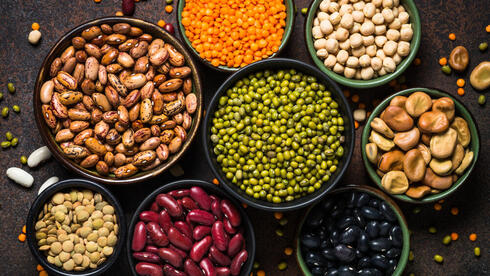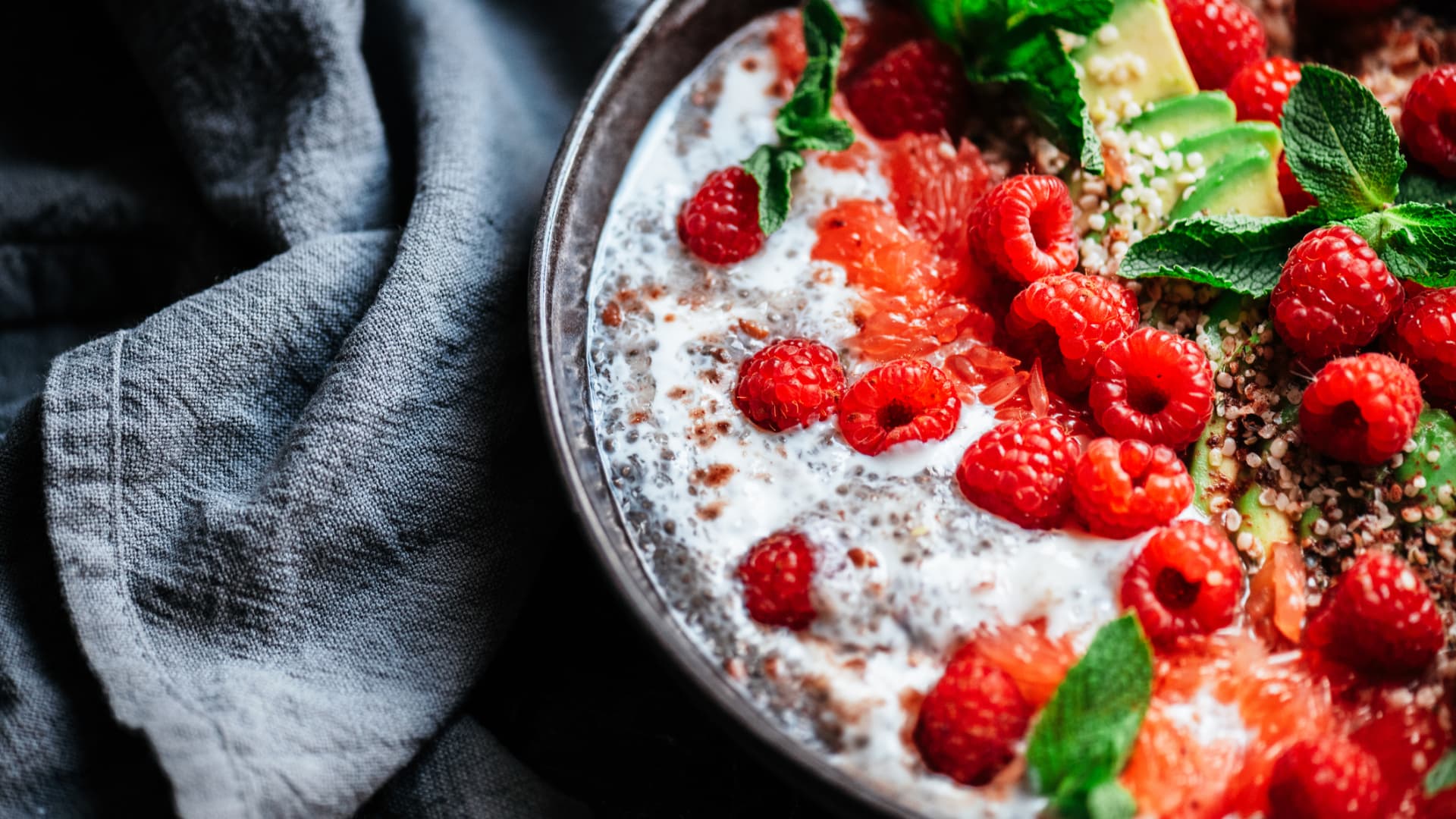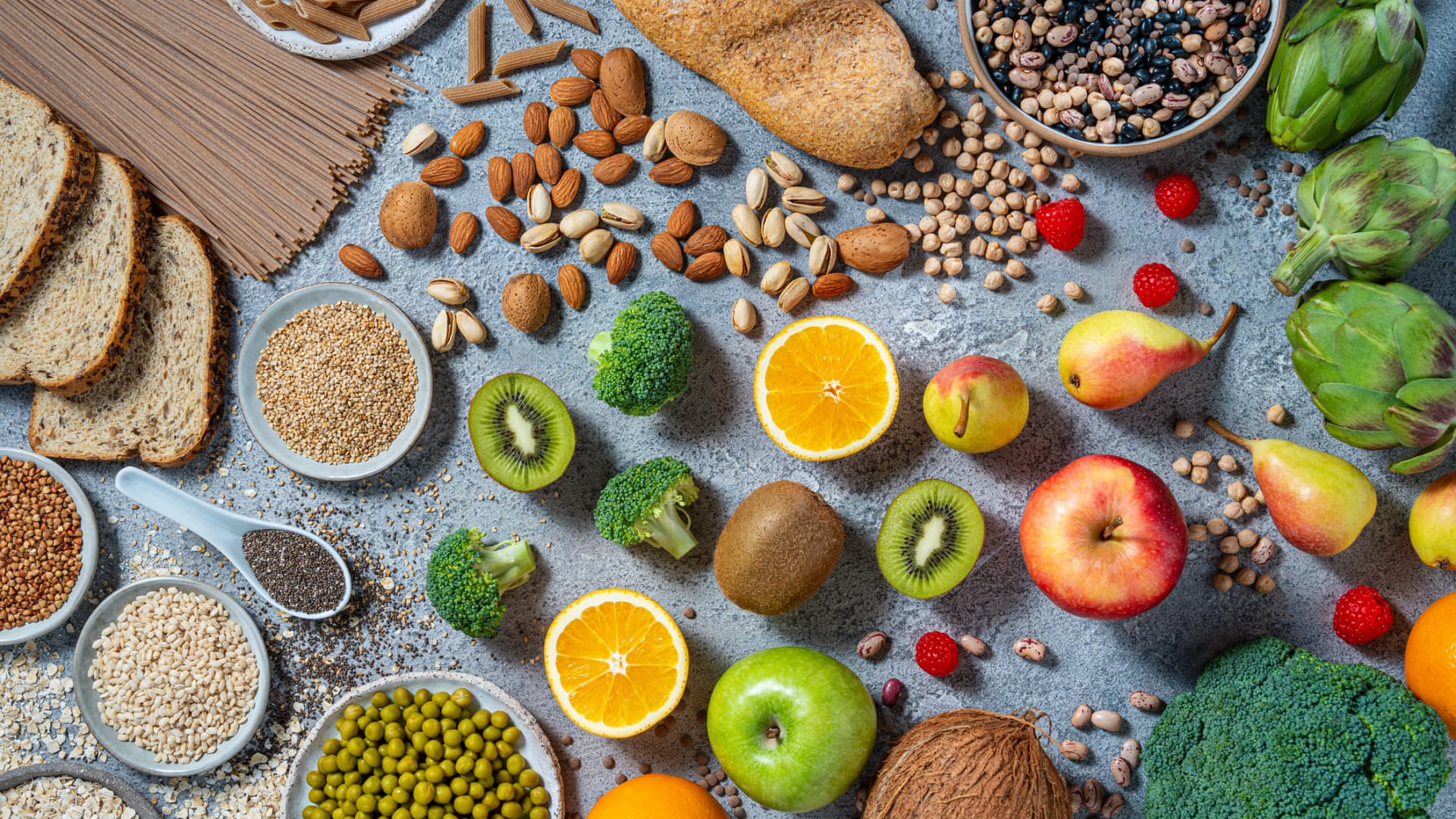
Amid America’s full-blown obsession with protein, fiber hasn’t gotten nearly the recognition it deserves. “Protein has certainly earned its place in the spotlight, but fiber deserves just as much attention,” registered dietitian Stefani Sassos, nutrition director at the Good Housekeeping Institute, told HuffPost. “Most Americans are likely already meeting their protein needs, while the vast majority fall short on fiber.” In fact, it’s estimated that only 5% of Americans consume the recommended amount of fiber each day. That’s about 25 to 28 grams for adult women and 28 to 34 grams for adult men, though exact recommendations may vary based on age and medical history. The average person, however, is only getting about 10 to 15 grams of fiber per day. Why People Are Fibermaxxing In The First PlaceWhy is this nutrient so crucial? A fiber-rich diet offers a host of health benefits, like supporting healthy digestion and gut health, stabilizing blood sugar levels, helping you feel full and satisfied, reducing LDL cholesterol and improving heart health. “Not surprisingly, high-fiber diets are consistently linked with a lower risk of cardiometabolic diseases, like obesity, type 2 diabetes, cardiovascular disease, in addition to some cancers and overall mortality,” registered dietitian Tamar Samuels, co-founder of Culina Health, told HuffPost. Colon and rectal cancer (often grouped together as “colorectal cancer”) rates, in particular, are on the rise among younger adults. Research has found that eating a higher-fiber diet is associated with a reduced risk of these cancers. Fiber is protective against colorectal cancer for several reasons. One is because it bulks up stools by absorbing water, “allowing waste to pass through the colon more quickly and limiting carcinogen exposure to the colon lining,” registered dietitian Christina Fasulo of UCLA’s Health GI Nutrition Program told the university’s Health Newsroom. Another, according to the Cancer Research UK website, is that “when fiber meets the bacteria that lives in the bowel, the bacteria make something called butyrate,” which “helps the cells in our bowel to stay healthy, so tumors are less likely to develop.”In order to meet our dietary fiber goals, it’s important to be aware of which foods are actually high in fiber — because it’s not always the ones you assume. We asked dietitians to share which foods contain less fiber than many people realize. Not All Fiber Is Created EqualOne quick but important note before we dive in: The foods mentioned below can still be beneficial components of a healthy, well-rounded diet. And they may even help contribute to overall fiber intake — just don’t rely on them alone to cover your fiber bases. “I would never want people to think, ‘Oh it’s pointless [to eat] because it doesn’t have a lot [of fiber]’ because that is NOT true,” registered dietitian Dalina Soto, author of “The Latina Anti-Diet,” explained to HuffPost. “Any fruits or veggies, whether fresh, frozen or canned, are better than no fruits or veggies.” Below, our nutrition experts identify foods that are relatively low in fiber and which ones can give you a bigger fiber boost. Kseniya Ovchinnikova via Getty ImagesLeafy greens probably don't contain as much fiber as you thought.Lettuce And Other Leafy Greens Leafy greens contain important vitamins, minerals and phytonutrients, making them nutritional powerhouses. But they aren’t nearly as rich in fiber as many people (this writer included!) think. “Because salads are often associated with healthy eating, people sometimes assume lettuce is a major source of fiber. In reality, one cup of shredded romaine lettuce contains only about 1 gram of fiber,” Sassos told HuffPost.“Lettuce can absolutely contribute to your daily intake, but you’ll get a much bigger fiber boost from ingredients like chickpeas, avocado or other vegetables added to the salad.” Typically, foods that contain 3 grams of fiber or more per serving are considered a good source, registered dietitian Carly Leanza of Health Loft told HuffPost. “Lettuce like butter lettuce, iceberg or romaine contain less than 1 gram of fiber per serving.” And while that isn’t a whole lot in a single serving, “it does add up if we have a big salad,” Soto noted.To boost your fiber intake, consider cooking your greens. As Samuels pointed out, while one cup of raw spinach contains less than 1 gram of fiber, one cup of cooked spinach contains 4 grams of fiber. That’s because it takes several cups of raw spinach to make one cup of cooked spinach. Therefore, you’re getting more fiber for the same serving volume. Celery Rich in antioxidants and low in calories, celery is another veggie that seems like it would contain more fiber than it actually does. A medium-sized stalk has about half a gram of fiber, while there’s 1.6 grams in one cup chopped.“People tend to overestimate both lettuce and celery’s fiber content potentially because they are crunchy and have a crunchy, stringy texture,” Leanza said. “People often think to have a big salad or snack on some celery to increase roughage. But if the focus is fiber, there are many other sources to turn to.” WatermelonOne cup of watermelon contains less than a gram of fiber — just 0.6 grams per serving. But fret not, this juicy fruit has other good-for-you properties. Watermelon consists of more than 90% water, making it a very hydrating snack. Not only that, it’s rich in the antioxidant lycopene, which has anti-inflammatory properties and has been linked to a reduced risk of some cancers and cardiovascular disease.Fruits And Veggies Without The PeelIf you’re peeling your produce, you may be missing out on nutritional benefits, as there is usually a considerable amount of fiber (as well as vitamins, minerals and antioxidants) in the skin or peel, Soto pointed out. For reference, half of an apple or a Russet potato’s fiber is found in the skin. Sophie Frank via Getty ImagesOne of these toast toppings is high in fiber, and the other isn't.Cottage Cheese And Greek Yogurt Both cottage cheese and greek yogurt are well-known for their health benefits, including their impressive protein content, calcium and other nutrients. But one thing they’re both missing entirely: fiber. That’s because only plant foods contain fiber — dairy and other animal products do not. Sassos recommends pairing cottage cheese and greek yogurt with high-fiber foods such as raspberries, chia seeds and nuts to “create a more nutritionally complete snack,” she said. High-Fiber Foods To Add To Your DietIf you’re falling short on your fiber goals, consider incorporating more of these plant foods. Avocados“While they’re well known for their heart-healthy fats, many people don’t realize that one avocado provides roughly 10 grams of fiber (or even more depending on the size and variety),” Sassos said. “They’re an easy way to add both fiber and satisfying healthy fats to meals and snacks.” Beans And LentilsA cup of lentils or black beans, for example, contains a whopping 15 grams of fiber. Legumes are “easy to add and [you] can create a lot of meals from them,” said Soto. One cup of cooked split peas, another type of legume, has 16 grams of fiber. More peas, please! RaspberriesWith 8 grams of fiber per cup, Sassos called raspberries a “true fiber superstar.” Other great sources: Quinoa (5 grams of fiber in one cup cooked), broccoli (5 grams in one cup cooked), pears (6 grams for a medium-sized one) and chia seeds (5 grams in one tablespoon). Know that not all fiber is created equal, said Sassos. Whole food sources offer benefits that supplement forms do not. “Fruits, vegetables, legumes, nuts, seeds and whole grains offer much more than fiber alone,” she explained. “They provide vitamins, minerals, antioxidants and other beneficial compounds that work together synergistically. That’s why getting fiber from whole foods whenever possible is ideal, rather than relying solely on powders or supplements.” Eat a variety of fiber-rich foods to ensure you are getting adequate amounts of both kinds of fiber: soluble and insoluble. Soluble fiber dissolves in water and creates a gel-like substance in the gut that slows down digestion. Insoluble fiber does not dissolve in water and bulks up stools, making them easier to pass. “Different high-fiber foods provide different types of fiber and beneficial nutrients,” Sassos said. “I encourage people to regularly rotate the fruits, vegetables, legumes, nuts, seeds and whole grains they eat.” When increasing your fiber intake, do so gradually to prevent unpleasant gastrointestinal symptoms like gas and bloating, Samuels advised. Staying hydrated is important, too. “Be sure to drink plenty of water to prevent constipation and help fiber do its thing,” she said. “A registered dietitian can help you come up with a sustainable and personalized plan for increasing fiber intake based on your unique needs.”
Sorry, But These Healthy Foods Contain Way Less Fiber Than You Think
This may make you rethink your fibermaxxing plan.
1,437 words~7 min read